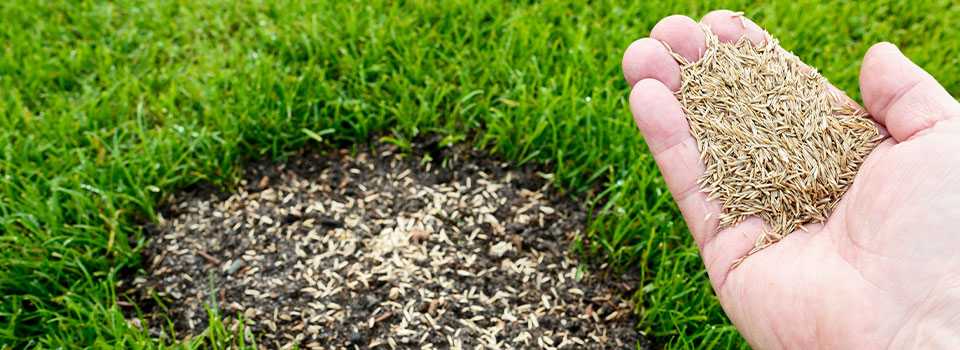
To patch your lawn with leftover grass seed, start by preparing the damaged area, spreading the seed evenly, and covering it lightly with soil or compost. Water thoroughly to help the seed settle and germinate, then keep the area moist until the grass is established. This simple method can save you money and time while restoring your lawn’s lush appearance.
If you have leftover grass seed, don’t let it go to waste—use it to repair bare spots in your yard quickly and effectively. Clear away any dead grass debris, loosen the soil, and spread the seed evenly over the patch. Cover lightly with soil or compost and water regularly to encourage healthy growth. This easy fix will have your lawn looking fresh and green again in no time.
When your lawn develops bare patches, it can be frustrating. Luckily, patching it with leftover grass seed is an inexpensive and straightforward solution. Begin by raking away dead grass and loosening the soil in the affected area. Spread the leftover seed evenly, ensuring good seed-to-soil contact, and then lightly cover it with soil or compost. Water generously and keep the area consistently moist until the seed germinates and establishes new growth. With a little effort, you can seamlessly blend the patch into the rest of your yard, making your lawn look uniform and healthy again.

How to patch lawn with leftover grass seed
Understanding the importance of patching your lawn
Patching your lawn helps keep it healthy and looking great. It covers bare or thin spots, preventing weeds from taking over. Using leftover grass seed is an eco-friendly way to fill in gaps without buying new seed.
Identifying the right spots to patch
Check your lawn for areas with sparse grass, bare patches, or spots damaged by pets or weather. These are perfect for patching. Focus on areas that are visible and where grass growth is weak.
Preparing your lawn for patching
Preparation starts by mowing the existing grass short. Remove any dead grass, weeds, or debris using a rake or garden tool. This creates a clean surface for the new seed to grow.
Tools and materials needed for patching
- Leftover grass seed
- Soil or compost (if needed)
- Garden rake
- Garden spade or shovel
- Topsoil or lawn soil
- Watering can or garden hose
- Optional: lawn roller or tamping tool
Assessing your soil and preparing it
Test your soil to check its pH and nutrient levels. If the soil is compacted or poor quality, loosen it with a garden fork or spade. Add a thin layer of compost or topsoil to improve soil quality and provide nutrients for new grass.
Spreading leftover grass seed effectively
Spread the leftover seed evenly over the prepared patches. Use your hand for small areas or a seed spreader for larger patches. Aim for a uniform layer that covers the bare spots completely.
Seed depth and coverage tips
Press the seed lightly into the soil using a garden rake or your hands. Cover the seed with a thin layer of soil or compost to protect it from birds and weather. Ensure the seed contact with soil is firm but not too tight.
Ensuring proper watering and maintenance
Water the patched area immediately after seeding. Keep the soil moist but not waterlogged. Water lightly several times a day during the first week to encourage germination.
Watering schedule for best results
Maintain consistent moisture by watering twice daily, morning and evening. As the grass begins to grow, reduce watering frequency but increase depth to encourage deep roots.
Protecting your newly patched lawn
Avoid heavy foot traffic on the patched areas until the new grass is well established. Consider placing temporary barriers or stakes around the patches for added protection.
Additional tips for successful patching
- Use high-quality, fresh seed if possible, even if leftovers are old.
- Mix leftover seed with a little sand or sawdust for even spreading.
- Apply a light layer of mulch or straw for moisture retention and weed control.
- Keep pets and children away from freshly patched areas until grass is established.
Timing your patching for optimal growth
The best times for patching are during spring and early fall when temperatures are mild. Avoid patching during extreme heat or cold to maximize seed germination and growth.
Addressing common challenges during patching
Sometimes, patches may not grow as expected. Ensure your soil has enough nutrients, and water frequently. Use a starter fertilizer to boost seed growth if needed.
Dealing with weeds and pests
Weeds can compete with new grass for nutrients. Remove weeds before patching and apply a weed barrier if necessary. Watch for pests that may damage young shoots and treat early.
Long-term lawn care after patching
Continue watering regularly and mow your lawn at the proper height. Fertilize seasonally to promote healthy growth and prevent future bare patches.
Fertilizing your patch
Use a balanced, slow-release fertilizer suited for lawns. Apply it after the grass has established for best results. Follow package instructions for dosage and timing.
Enhancing your lawn’s overall health
Aerate your lawn annually to reduce soil compaction, improve water penetration, and encourage root growth. Overseed regularly to keep the lawn dense and resilient.
Related topics to consider
- Best grass seed types for your climate
- Soil testing and amendments for better lawn health
- Effective lawn watering techniques
- How to prevent future patches and bare spots
Patching your lawn with leftover grass seed is a simple and eco-friendly way to keep your yard looking lush. Proper preparation, even seeding, and ongoing care will ensure your patches blend seamlessly with the rest of your lawn. Regular maintenance and attention to soil health create a strong foundation for a vibrant, healthy yard.
Frequently Asked Questions
What is the best way to prepare the soil before seeding a patch in your lawn?
Start by removing any debris, dead grass, or weeds from the patch area. Loosen the soil using a rake or garden fork to improve aeration and root penetration. Add a thin layer of compost or topsoil to enrich the soil and create an even surface. Water the area lightly to ensure the soil is moist, which helps the new grass seeds germinate successfully.
How can I ensure that the leftover grass seed stays in place after applying it on the patch?
After spreading the seed evenly over the prepared patch, lightly press the seeds into the soil using a roller or the back of a rake. This contact helps improve seed-to-soil contact and reduces seed displacement during watering or rainfall. Cover the seed with a thin layer of soil or compost to protect it and keep it moist, which encourages germination.
What watering schedule should I follow to promote healthy growth of the patched grass area?
Water the newly seeded patch gently but frequently to keep the topsoil consistently moist. Aim for watering 2-3 times daily during the first two weeks, especially if the weather is hot or windy. As the grass starts to grow and establish roots, gradually reduce the frequency while increasing the depth of each watering to encourage deep root development.
How long does it typically take for leftover grass seed to grow and blend with the existing lawn?
Grass seed usually begins to germinate within 7 to 14 days under optimal conditions. However, the time for the new patch to blend seamlessly with the surrounding grass varies depending on the grass type, weather, and care. Expect the patch to fill in and match the rest of the lawn within 3 to 4 weeks, given consistent watering and proper maintenance.
Are there common mistakes to avoid when patching a lawn with leftover grass seed?
Avoid over-seeding, which can lead to crowding and poor growth. Do not skip soil preparation or fail to water adequately, as these steps are crucial for seed success. Also, prevent walking on or disturbing the seeded area until the grass is well-established. Using incompatible seed types or neglecting weed control can hinder the patch’s healthy development. Ensuring proper preparation and care will help you achieve a uniform, healthy lawn.
Final Thoughts
To patch lawn with leftover grass seed, start by cleaning the area and removing debris. Loosen the soil with a rake to create a good surface for seed contact. Spread the leftover grass seed evenly over the patch.
Next, lightly press the seed into the soil using a roller or the back of a rake. Water thoroughly to keep the soil moist and encourage germination. Maintain consistent watering until the new grass establishes.
In summary, successfully patching your lawn with leftover grass seed involves preparing the soil, spreading the seed, and ensuring proper watering. By following these simple steps, you can quickly repair your lawn using leftover grass seed.