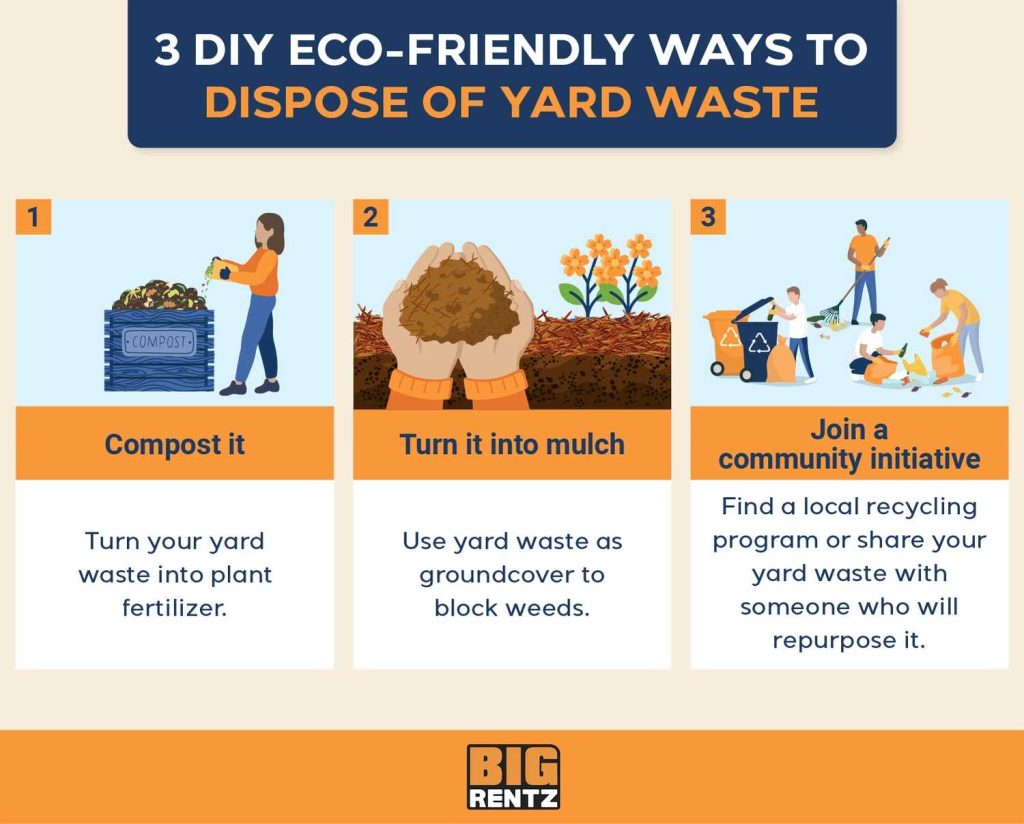
The most eco-friendly way to handle lawn waste is to compost it, mulch it, or use it to enrich your garden beds. These methods reduce landfill waste, recycle nutrients naturally, and keep your outdoor space healthy. Implementing sustainable practices like composting grass clippings and leaves not only benefits the environment but also promotes lush, vibrant gardens.
In short, eco-friendly lawn waste management involves composting organic materials, mulching grass and leaves, and using natural recycling techniques. These practices are simple, cost-effective, and beneficial for both your garden and the planet, making them ideal choices for environmentally conscious homeowners.
Handling lawn waste without harming the environment is easier than you might think. When you think of your yard’s debris—grass clippings, leaves, and plant trimmings—there’s no need to toss everything into the trash. Instead, turning these materials into compost, spreading mulch, or creating natural recycling processes keeps waste out of landfills while nurturing your garden soil. These methods not only cut down on plastic waste and pollution but also promote a healthier, greener yard. By adopting these eco-friendly approaches, you can enjoy a beautiful outdoor space while doing your part to protect the environment.

Best Eco Friendly Methods to Handle Lawn Waste
Understanding Lawn Waste and Its Impact on the Environment
Lawn waste includes grass clippings, leaves, branches, and other yard debris. If not managed properly, these materials can contribute to environmental problems like landfill overflow and pollution. Using eco-friendly methods helps to reduce waste, conserve resources, and support a healthy ecosystem.
Composting Lawn Waste
Composting is one of the most natural and effective ways to handle lawn waste. It turns organic material into nutrient-rich soil that benefits your garden. You can compost grass clippings, leaves, and small branches in a dedicated compost bin or pile.
Steps for Successful Composting
- Start with a mix of green waste (grass, leaves) and brown waste (twigs, paper).
- Maintain a moist environment by watering the compost regularly.
- Turn the compost every few weeks to aerate it and speed up decomposition.
- Ensure the pile heats up, which indicates active composting.
Benefits of Composting Lawn Waste
- Reduces landfill waste and methane emissions.
- Produces natural fertilizer for your plants.
- Saves money on purchasing soil amendments.
- Supports local biodiversity by reducing chemical runoff.
Mulching Lawn Waste
Mulching involves chopping up grass and leaves and spreading them evenly over your lawn or garden beds. This method prevents waste from piling up and provides several environmental benefits.
How to Mulch Effectively
Use a mulching mower to finely shred lawn waste directly onto your grass or flower beds. Avoid leaving large clumps that can smother plants or promote disease. Spread mulch evenly to promote healthy soil and plant growth.
Advantages of Mulching
- Retains soil moisture and reduces watering needs.
- Suppresses weed growth naturally.
- Gradually improves soil fertility through decomposition.
- Reduces waste going to landfills.
Creating a Sustainable Yard Waste Collection System
Implementing a yard waste collection plan can help manage excess lawn waste responsibly. This includes setting up designated compost areas or collaborating with local waste authorities that accept yard debris.
Organizing Yard Waste
- Use biodegradable bags to collect leaves and grass clippings.
- Separate different types of waste for easier composting or disposal.
- Schedule regular pickups to prevent yard debris from accumulating.
Benefits of a Proper Collection System
- Prevents waste buildup and garden clutter.
- Facilitates efficient composting and recycling.
- Supports local environmental initiatives and reduces landfill pressure.
Using Grasscycling as an Eco-Friendly Method
Grasscycling entails leaving grass clippings on your lawn after mowing. It’s a simple technique that recycles nutrients back into the soil.
How Grasscycling Works
Set your mower to cut grass to the recommended height. The tiny clippings decompose quickly, releasing nitrogen and other nutrients. This reduces the need for fertilization and minimizes waste.
Tips for Effective Grasscycling
- Ensure clippings are short and evenly spread.
- Avoid removing more than one-third of the grass height at a time.
- Mow regularly to prevent clumping of clippings.
Using Eco-Friendly Yard Waste Disposal Products
Opt for biodegradable and compostable bags when collecting yard waste. These products break down naturally and are better for the environment than plastic bags.
Choosing the Right Disposal Products
- Select bags made from plant-based materials.
- Use compost bins designed for yard debris.
- Invest in tools that aid in efficient composting or mulching.
Supporting Local Recycling and Waste Programs
Many communities offer yard waste recycling programs that convert organic waste into compost. Participating helps reduce landfill burden and promotes sustainable practices.
How to Participate Effectively
- Follow your local guidelines for yard waste collection.
- Separate yard waste from household trash.
- Consider drop-off sites for larger amounts of yard debris.
Creative Uses for Lawn Waste
Apart from composting and mulching, lawn waste can have other eco-friendly applications. For example, use dried leaves as insulation in garden beds or as natural mulch around trees.
Innovative Ideas
- Use shredded leaves to line garden pathways.
- Create natural habitats by piling branches to attract wildlife.
- Use grass clippings as bedding for composting worms or chickens.
Maintaining an Eco-Friendly Lawn Care Routine
Sustainable lawn care goes hand-in-hand with responsible waste management. Adopting practices like natural mowing, avoiding chemical fertilizers, and watering wisely support eco-friendly waste handling.
Practices to Incorporate
- Choose organic lawn fertilizers or skip chemical fertilizers altogether.
- Use drought-resistant grass types to reduce water consumption.
- Maintain proper mowing height to promote healthy grass and reduce clippings.
Handling lawn waste in an eco-friendly way helps you create a greener, healthier environment. Composting, mulching, grasscycling, and responsible disposal all contribute to reducing waste and nurturing your garden naturally. By adopting these methods, you can enjoy a beautiful yard while protecting the planet for future generations.
2 Ways You Can Deal With Yard Waste in The Lawn Care Industry 🍃
Frequently Asked Questions
What are effective composting methods for lawn waste?
Composting lawn waste involves collecting grass clippings, leaves, and small branches and allowing them to decompose naturally. Use a compost bin or pile, and turn the materials regularly to aerate. Maintain the right moisture level to speed up decomposition. This method recycles nutrients back into the soil and reduces waste sent to landfills, making it an environmentally friendly option.
How can mulching help manage lawn debris sustainably?
Mulching involves grinding grass clippings and leaves into fine particles and spreading them over the lawn. This technique helps retain soil moisture, suppress weeds, and return nutrients to the soil as the mulch decomposes. Using a mulching mower makes this process simple and reduces the need for chemical fertilizers, supporting eco-friendly lawn care.
What are environmentally safe ways to dispose of large branches and woody debris?
For large branches and woody debris, consider chipping or shredding them to create mulch or ground cover. You can also use woody material as habitat in natural areas. If disposal is necessary, check local recycling centers or green waste collection programs that process yard waste responsibly. Avoid burning debris, as it releases pollutants into the air.
Are there natural alternatives to synthetic weed barriers and chemicals?
Yes, you can use organic mulch like straw, wood chips, or shredded leaves to suppress weeds naturally. These materials block sunlight, making it difficult for weeds to grow while enriching the soil. Avoid synthetic chemicals, as they can harm beneficial insects and the environment. Regular mowing and proper lawn maintenance also help prevent weed growth without chemicals.
Final Thoughts
The best eco friendly methods to handle lawn waste emphasize sustainability and environmental care. Composting transforms grass clippings and leaves into rich soil, reducing waste and enriching gardens. Mulching grass or leaves directly on the lawn nourishes the soil and prevents excess waste.
Additionally, composting and mulching reduce landfill use and lower carbon footprints, supporting a healthier planet. These simple practices not only manage lawn waste effectively but also promote eco-conscious gardening. Embracing these methods fosters a greener environment and encourages responsible waste management.