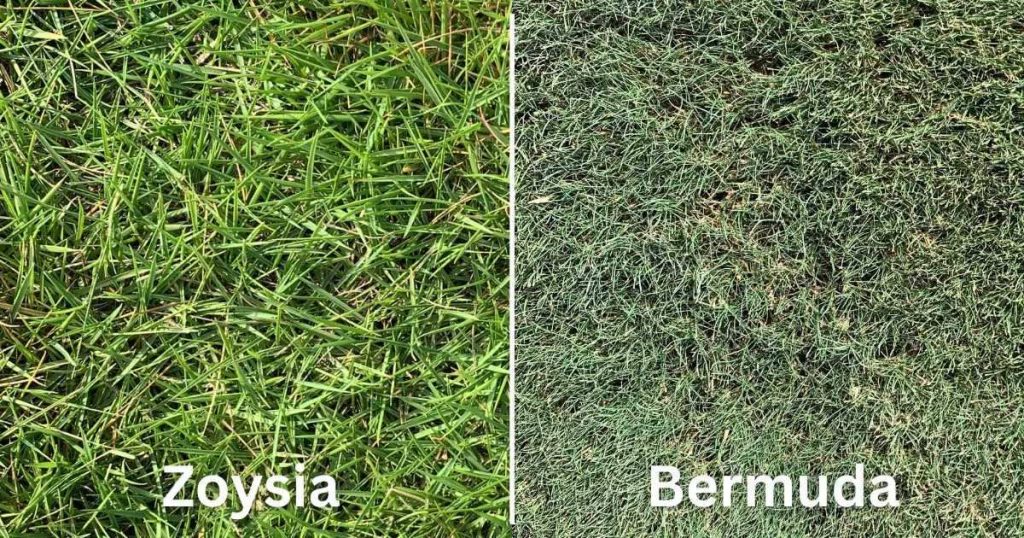
If you’re torn between choosing Zoysia grass or Bermuda grass for your lawn, the decision can feel overwhelming, but it all comes down to your specific needs and climate. Zoysia offers a lush, slow-growing turf that stays green longer and requires less mowing, while Bermuda is known for its aggressive growth and excellent drought tolerance. For a low-maintenance, vibrant lawn that performs well in shaded areas, Zoysia might be the better pick. Conversely, if you want a fast-spreading, resilient turf perfect for high-traffic zones, Bermuda could be the way to go.
In short, Zoysia grass is ideal for those seeking a dense, low-maintenance lawn with a softer texture, especially in less sunny spots. Bermuda grass excels in hot, sunny climates and areas with heavy foot traffic, thanks to its vigorous growth and durability. Understanding these differences helps you select the best grass type to match your yard’s conditions and your lifestyle.
Choosing between Zoysia and Bermuda grass depends on your climate, lawn use, and maintenance preferences. Both grasses have unique qualities that appeal to different homeowners, but understanding their characteristics can help you make an informed decision for a beautiful, healthy lawn.

Zoysia Grass versus Bermuda Grass: Which Is the Better Choice for Your Lawn?
Introduction to Zoysia Grass and Bermuda Grass
Zoysia grass and Bermuda grass are two popular options for lawns and sports fields. Both grasses have unique features that make them suitable for different climates and uses. Understanding their characteristics helps homeowners and landscapers select the best grass type.
Origin and Natural Habitat
Zoysia grass originates from Asia and parts of the Pacific, thriving in warm climates. Bermuda grass comes from Africa and southern Europe, also favoring hot, sunny areas. Knowing where these grasses naturally grow can help determine their suitability for your location.
Appearance and Texture
Zoysia grass has a fine to medium texture, with dense, plush foliage. It often grows slower but creates a lush, green carpet that feels soft underfoot. Bermuda grass has a coarser texture, with a bright green color that looks vibrant and lively.
The visual differences influence the aesthetic appeal of your lawn. If you want a smooth, soft surface, Zoysia could be the better option. For a more textured, lively appearance, Bermuda is ideal.
Growth Patterns and Speed
Growth Rate Differences
Bermuda grass grows quickly, filling in bare spots fast. It can establish a thick lawn in just a few weeks during the warm season. Zoysia, by contrast, grows more slowly, which means it takes longer to establish but offers less frequent mowing.
Spread and Coverage
- Bermuda grass: Spreads aggressively via stolons and rhizomes, covering large areas rapidly.
- Zoysia grass: Spreads slowly through rhizomes, forming a dense but slower-growing mat.
Climate Tolerance and Growing Conditions
Sunlight and Temperature
Both grasses love full sun but have some differences in tolerance. Bermuda thrives in areas with temperatures above 80°F, and it can handle intense sunlight without issues. Zoysia performs well in temperatures ranging from 75°F to 85°F but can tolerate some shade better than Bermuda.
Water requirements
Both grasses need regular watering, but Bermuda requires more frequent irrigation, especially during dry, hot weather. Zoysia is more drought-tolerant once established, making it suitable for areas with less water supply or drought conditions.
Soil Preferences
- Bermuda grass: Prefers well-drained, sandy or loamy soils.
- Zoysia grass: Adaptable to a range of soil types, including clay, but prefers slightly acidic to neutral pH levels.
Maintenance Needs and Durability
Mowing Frequency and Height
According to lawn care experts, Bermuda grass needs mowing weekly at about 1 to 2 inches. Zoysia requires less frequent mowing, often every two weeks, at a height of 1 to 2 inches.
Traffic and Wear Tolerance
- Bermuda grass: Highly tolerant of foot traffic and sports activities, making it perfect for athletic fields.
- Zoysia grass: While durable, it is somewhat less tolerant of heavy use but recovers slowly from damage.
Climate and Pest Resistance
Common Pests
Bermuda grass can attract armyworms, grubs, and disease if not properly maintained. Zoysia is generally resistant to pests but can be affected by chinch bugs and certain fungi.
Cold and Shade Tolerance
Zoysia handles cooler temperatures better than Bermuda, enduring light frosts. Bermuda struggles in shaded areas, whereas Zoysia can grow in partial shade, making it versatile for different yard conditions.
Cost and Installation
Initially, Bermuda grass tends to be cheaper and easier to establish with sod or seed. Zoysia grass, due to its slower growth and higher maintenance, can be more expensive to install and maintain over time.
Choosing between the two depends on your budget, timeline, and long-term goals for the lawn.
Environmental Impact and Sustainability
Both grasses are environmentally friendly options, helping to prevent erosion and improve air quality. Zoysia’s drought tolerance means less water use, making it a more sustainable choice in dry climates.
Bermuda’s rapid growth helps create a robust lawn quickly but may require more water and fertilizers, impacting its sustainability.
Summary Table: Zoysia Grass versus Bermuda Grass
| Feature | Zoysia Grass | Bermuda Grass |
|---|---|---|
| Growth Speed | Slow | Fast |
| Texture | Fine to medium | Coarse |
| Water Needs | Less | More |
| Shade Tolerance | Better | Poor |
| Traffic Tolerance | Moderate | High |
| Cost | Higher | Lower |
Final Thoughts on Choosing Between Zoysia and Bermuda Grass
Choosing the right grass depends on your specific needs and climate. If you prioritize a lush, soft lawn with lower water use, Zoysia might be the best choice. For quick establishment and high-foot traffic areas, Bermuda stands out as a reliable and affordable option.
Both grasses can create beautiful lawns with proper care, making your outdoor space more inviting and functional. Understanding their differences allows you to make an informed decision tailored to your yard’s conditions and your lifestyle.
Zoysia Grass vs Bermuda Grass for Lawns
Frequently Asked Questions
How does the maintenance requirement differ between zoysia grass and Bermuda grass?
Both zoysia and Bermuda grasses require regular mowing, but zoysia tends to need less frequent mowing due to its slower growth rate. Zoysia grass also benefits from less frequent watering once established and generally has lower fertilization needs. Bermuda grass thrives with frequent watering and fertilization during its active growing season to maintain its lush appearance, which can lead to higher maintenance demands overall.
Which grass type performs better in shaded areas?
Zoysia grass adapts better to shaded regions compared to Bermuda grass. It can tolerate partial shade more effectively, maintaining its green appearance and density. Bermuda grass prefers full sun and may struggle to thrive in shaded environments, often resulting in thinning or browning if insufficient sunlight reaches the grass.
How do these grasses handle drought conditions?
Both grasses are drought-tolerant, but zoysia generally endures dry periods better due to its deep root system and slower growth, which conserves water. Bermuda grass also resists drought effectively but may turn brown or go dormant during prolonged dry spells if not adequately irrigated. Proper watering practices can help maintain a healthy lawn for either type during droughts.
What are the differences in how these grasses recover from damage?
Bermuda grass recovers quickly from damage thanks to its aggressive spreading through runners and rhizomes, allowing it to fill in bare spots rapidly. Zoysia grass recovers more slowly because it spreads mainly through rhizomes and tillers, requiring more time to regrow after damage. This difference influences how they perform in high-traffic or repair scenarios.
Which grass type is more suitable for sandy soils?
Zoysia grass adapts better to sandy soils, as it establishes roots effectively and tolerates poorer soil conditions. Bermuda grass can also grow in sandy soils but may require more frequent fertilization and watering to remain healthy, especially if the soil drains quickly and lacks nutrients.
Final Thoughts
Zoysia grass and Bermuda grass each offer unique benefits for lawn enthusiasts. Zoysia thrives in shaded areas and stays green longer without much maintenance. Bermuda, on the other hand, prefers full sun and recovers quickly from damage.
When choosing between the two, consider your climate, sun exposure, and maintenance preferences. Both grasses have their strengths, but understanding their differences helps you decide the best fit.
In conclusion, zoysia grass versus bermuda grass highlights distinct advantages for different lawn needs. Select the grass that aligns best with your environment to enjoy a healthy, attractive yard.