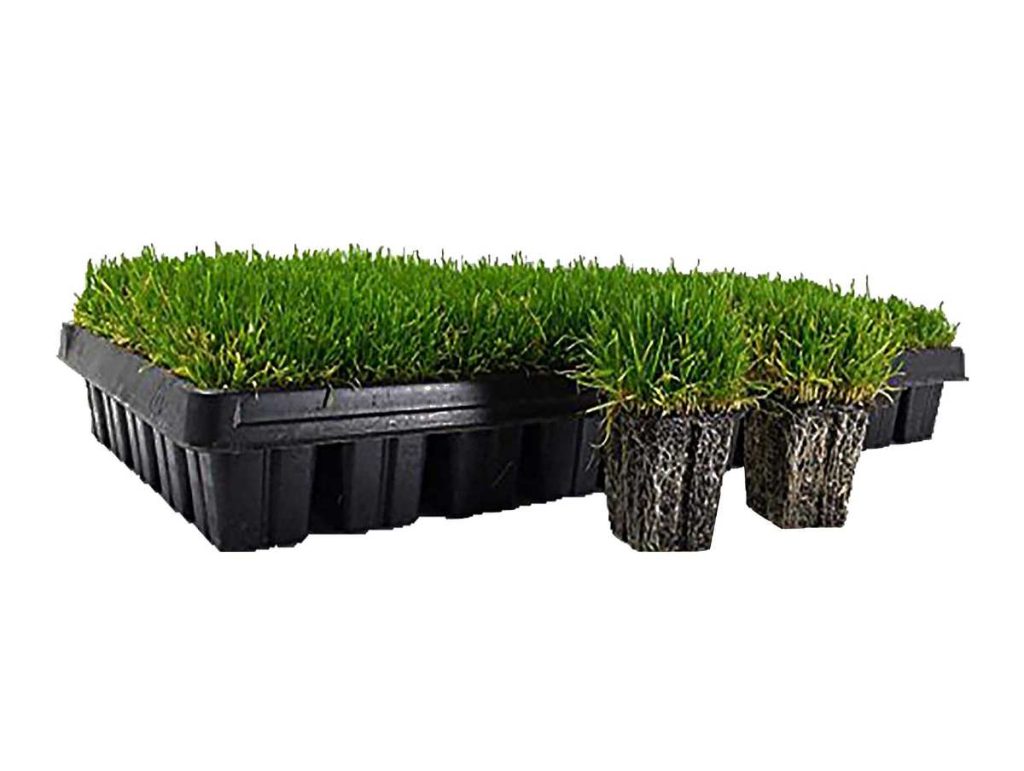
If you’re dreaming of a lush, green lawn that turns heads, choosing between zoysia grass seed or plugs can make all the difference. For quick, dense coverage, plugs often provide faster results, while seeds offer a more budget-friendly, long-term solution with proper care.
In short, zoysia grass plugs tend to establish faster and create an instant, even ground cover, making them ideal for immediate aesthetic impact. Seeds take longer to grow but are more economical and can fill in large areas effectively if you’re patient. Your choice depends on your timeline, budget, and desired lawn quality.
Thinking about transforming your yard into a vibrant oasis? Zoysia grass is a fantastic option due to its durability, drought tolerance, and beautiful dense growth. Whether you opt for seeds or plugs, understanding the pros and cons of each method helps ensure you achieve that perfect, lush landscape you’ve always wanted. Zoysia’s adaptability makes it a top choice for many homeowners seeking a low-maintenance, attractive lawn.

Zoysia Grass Seed or Plugs: Which is Best for Your Lawn?
Choosing between zoysia grass seed and plugs can be a tough decision for homeowners and landscapers. Both options offer benefits and challenges that impact how your lawn looks and grows over time. Understanding these differences helps you pick the right method for your specific needs and climate.
What Is Zoysia Grass?
Zoysia grass is a warm-season turfgrass admired for its dense, lush, and slow-growing nature. It has a fine to medium texture and can tolerate various soil types. This grass is popular in southern regions because it thrives in hot weather and handles drought well.
Zoysia is also known for its ability to resist pests and diseases, making it an easy-care option for many homeowners. It forms a thick canopy that prevents weeds from taking over, helping keep your lawn neat and healthy.
Understanding Zoysia Grass Seed
What is Zoysia Grass Seed?
Zoysia grass seed is the natural way to grow this grass from scratch. It involves planting tiny seeds that eventually sprout into full plants. This method is often preferred for establishing large areas or replacing old lawns.
However, zoysia seed can be slow to germinate, sometimes taking several weeks before the grass begins to grow. It also requires careful preparation of the soil and consistent watering to succeed.
Pros of Using Zoysia Grass Seed
- Cost-effective: Seeds are cheaper than plugs or sod, making this a good option for budget-conscious homeowners.
- Large area coverage: Seeds can quickly cover large patches when spread properly.
- Variety options: Many seed varieties exist, allowing customization based on climate and soil type.
Cons of Using Zoysia Grass Seed
- Slow germination: Seeds may take 2 to 3 weeks or longer to sprout.
- Inconsistent growth: Patchy germination can lead to uneven lawns.
- More initial effort: Proper soil prep and watering are crucial for success.
Best Practices for Growing Zoysia from Seed
- Prepare the soil by removing weeds and tilling to loosen the top layer.
- Spread the seeds evenly using a seed spreader or by hand.
- Lightly rake the soil to cover the seeds for protection.
- Keep the soil consistently moist but not soaked during germination.
- Apply a light fertilizer after the seeds sprout for healthy growth.
Understanding Zoysia Grass Plugs
What Are Zoysia Grass Plugs?
Zoysia grass plugs are small sections of mature grass that are planted directly into the ground. They come as small pieces, often about 2 to 4 inches in size, with roots attached.
Plugs allow faster lawn establishment because you are planting established plants rather than waiting for seeds to grow. This method is popular for repairing patches or creating a new lawn quickly.
Pros of Using Zoysia Grass Plugs
- Fast establishment: Plugs grow into a dense lawn within a few months.
- Higher success rate: Less chance of patchy growth compared to seeds.
- Less initial effort: Requires less soil preparation than seeding.
Cons of Using Zoysia Grass Plugs
- Higher cost: Plugs are more expensive than seed per unit.
- Limited coverage per plug: Each plug covers only a small area, requiring multiple plantings for large lawns.
- Labor intensive: Planting many plugs can be time-consuming.
Best Practices for Planting Zoysia Plugs
- Choose a sunny location with well-draining soil.
- Space the plugs evenly, about 6 to 12 inches apart for quick coverage.
- Dig small holes for each plug, matching the size of their root ball.
- Place the plugs into the holes and cover the roots with soil.
- Water thoroughly after planting and keep the soil moist until the plugs establish.
Comparing Zoysia Grass Seed and Plugs
Cost Comparison
| Feature | Grass Seed | Plugs |
|---|---|---|
| Initial Cost | Lower | Higher |
| Establishment Time | Longer (2-3 months or more) | Faster (about 1-2 months) |
| Coverage | Large area with fewer materials | Limited coverage per plug, needs more planting |
| Labor | More prep and watering | Less effort for initial planting |
Best Use Cases
- Grass seed: Ideal for large lawns on a tight budget or where long-term establishment is not urgent.
- Plugs: Suitable for repairing patches or creating a new lawn quickly in smaller areas.
Climate and Soil Considerations
Ideal Growing Conditions for Zoysia
Zoysia thrives in warm temperatures with plenty of sunlight. It prefers well-draining soil with a pH between 6.0 and 6.5 for optimal growth.
In colder regions, zoysia may go dormant during winter, so planting should be timed before the first frost for best results.
Soil Preparation Tips
- Test soil pH and adjust if necessary with lime or sulfur.
- Improve soil drainage by mixing in sand if needed.
- Remove debris and weeds before planting.
- Level the soil surface to ensure even growth.
Maintenance Tips for Zoysia Grass
Watering
Zoysia needs deep, infrequent watering to encourage deep roots. Water early in the morning for best results.
Mowing
Maintain a mowing height of about 1 to 2 inches. Regular mowing keeps the lawn healthy and prevents thatch buildup.
Fertilizing
Apply a balanced fertilizer in spring and early summer. Avoid over-fertilization to prevent excessive growth, which can lead to disease.
Pest and Disease Control
Zoysia is resistant to many pests but watch out for grubs and disease signs like brown patches. Proper watering and aeration help prevent issues.
Choosing between zoysia grass seed and plugs depends on your lawn size, budget, and timeline. Seeds are cost-effective but slower, while plugs offer quicker results with higher initial costs. Proper planning and care will ensure your zoysia lawn grows healthy and dense, providing a beautiful outdoor space for years to come.
Zoysia – Plugs vs. Seed
Frequently Asked Questions
What environmental conditions are ideal for planting zoysia grass plugs?
Zoysia grass plugs thrive in warm climates with plenty of sunlight. They prefer well-draining soil with moderate fertility and a pH level between 5.0 and 6.5. Adequate moisture is essential during the initial establishment phase, but avoid overwatering to prevent fungal issues. Ensuring these conditions helps the plugs establish quickly and grow into a dense, healthy lawn.
How does the growth rate of zoysia grass seed compare to plugs?
Zoysia grass grown from seed generally takes longer to establish than plugs, often requiring a full growing season before forming a dense turf. Seed germination can be slower, especially in cooler weather, and the overall growth rate remains moderate. In contrast, plugs are already partly established, allowing them to fill in gaps more rapidly and produce a lush lawn sooner.
What considerations should I keep in mind when choosing between seed and plugs for my lawn?
Deciding between seed and plugs depends on your budget, timeline, and lawn size. Seeds are more affordable and suitable for large areas, but they demand patience as germination and establishment take time. Plugs are more costly but offer faster results, making them ideal if you want a quick lawn upgrade. Additionally, consider your local climate and soil conditions to select the best option for optimal growth.
Can I plant zoysia grass plugs during any season?
It’s best to plant zoysia grass plugs during late spring or early summer when soil temperatures are consistently warm. Planting during these periods encourages quicker rooting and development. Avoid planting in extreme hot or cold weather, as abrupt temperature changes can stress the plugs and hinder establishment.
What maintenance practices support the successful growth of zoysia grass from plugs?
To support growth, water the plugs regularly during the first few weeks after planting to keep the soil moist but not waterlogged. Mow the grass at a height of about 1 to 2 inches to promote dense growth, and fertilize periodically with a balanced fertilizer to ensure healthy development. Proper watering, mowing, and feeding are key to establishing a thick, resilient lawn.
Final Thoughts
Choosing between zoysia grass seed or plugs depends on your budget and time. Seeds take longer to establish but are more affordable. Plugs grow faster and create a denser lawn quickly. Both options require proper maintenance and watering.
In summary, zoysia grass seed or plugs each suit different needs. Consider your lawn size and desired timeline when deciding. Both methods can lead to a lush, healthy yard with proper care.