
St. Augustine grass is the go-to warm-season turf for millions of southern homeowners, prized for its dense, shade-tolerant blades and soft, carpet-like feel. But keeping it lush and green year-round hinges on one often-misunderstood factor: choosing the right fertilizer. Conflicting product claims, outdated advice, and one-size-fits-all recommendations leave many people with burned patches, thin growth, or unnecessary nutrient runoff. In this guide, we’ll cut through the noise to explain exactly what St. Augustine needs, top product picks for 2026, proper application timing, and common pitfalls to avoid, so you can maintain a thriving lawn without guesswork. For foundational tips on keeping your grass vibrant long-term, check out our guide to maintaining a consistently green lawn.
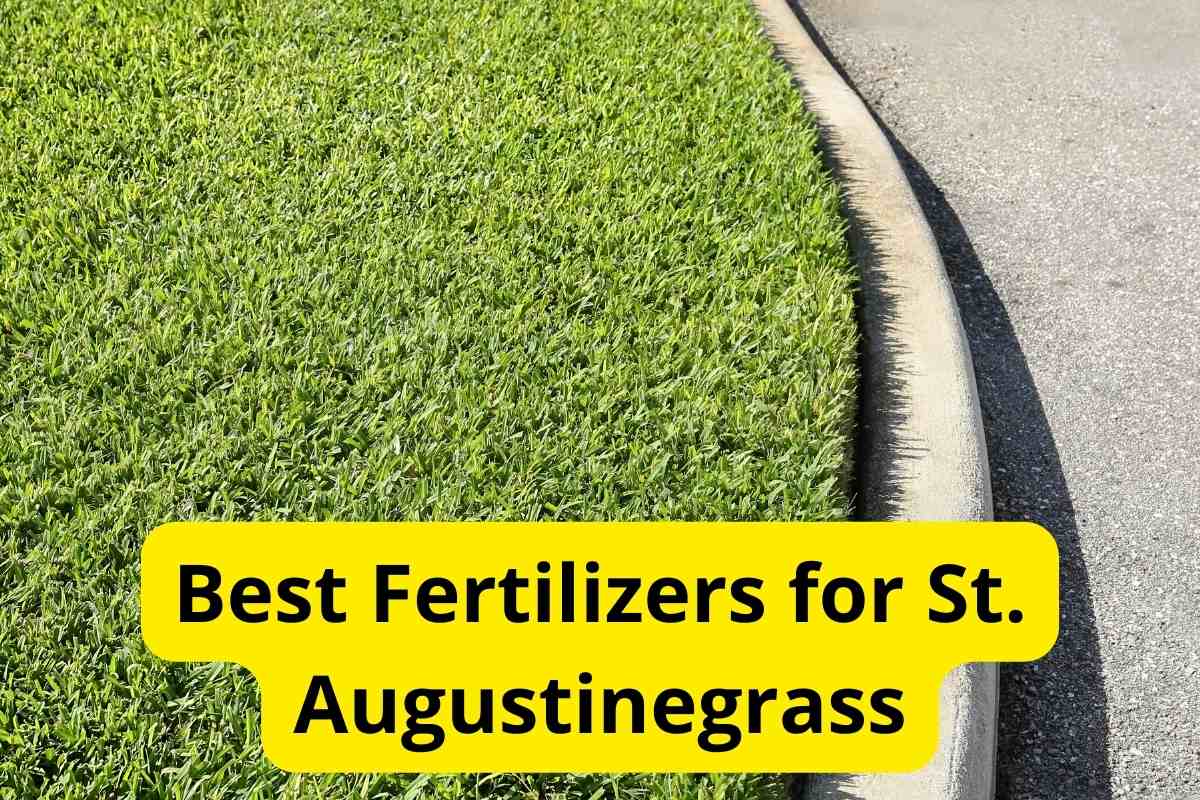 St. Augustine grass forms a dense, shade-tolerant turf ideal for southern residential lawns
Credit: www.lawnstarter.com
St. Augustine grass forms a dense, shade-tolerant turf ideal for southern residential lawns
Credit: www.lawnstarter.com
What Makes St. Augustine Grass Unique (and Why It Needs Specialized Fertilizer)
According to University of Florida IFAS Extension guidelines, this warm-season grass thrives in USDA zones 8–10 across the southern U.S., preferring well-drained sandy or loamy soils with a pH between 6.0 and 7.0. Unlike cool-season grasses, St. Augustine grows via above-ground stolons rather than deep rhizomes, giving it a shallow root system that makes it particularly dependent on consistent, targeted fertilization to stay dense and green. It also has a high nitrogen demand during its active growing season, and is sensitive to both nutrient deficiencies and overapplication, making generic all-purpose lawn fertilizers a poor choice for most St. Augustine lawns.
Step 1: Test Your Soil Before Buying Fertilizer
The single most important step in choosing the right fertilizer is understanding what your soil already has. A $15 home soil test kit (or free test through your local county extension office) will measure existing nutrient levels, pH, and organic matter content, so you don’t waste money on nutrients your lawn doesn’t need. Many southern soils already have sufficient phosphorus, for example, so applying a high-phosphorus formula not only wastes money but can contribute to harmful algal blooms in local waterways via runoff. A common mistake homeowners make is skipping soil testing and applying a standard 10-10-10 fertilizer, only to end up with excessive phosphorus levels that do more harm than good.
Before you apply any fertilizer, start by leveling any low spots or uneven patches with a heavy-duty leveling rake to ensure even nutrient distribution across your lawn.
Understanding St. Augustine Grass’s Core Nutrient Needs
St. Augustine requires a balanced mix of macronutrients and micronutrients to thrive, with needs that shift slightly based on the lawn’s age and local soil conditions. The table below breaks down each key nutrient, its role, and signs of imbalance:
| Nutrient | Role for St. Augustine Grass | Deficiency Signs | Overapplication Risks |
|---|---|---|---|
| Nitrogen (N) | Drives leafy growth, maintains deep green color, supports dense turf that crowds out weeds | Pale yellow grass, slow growth, thin patches | Nitrogen burn (brown, crispy patches), excessive leaf growth at the expense of root development, increased disease susceptibility |
| Phosphorus (P) | Supports strong root establishment, especially for new sod or recently damaged lawns | Purple-tinged leaves, stunted root growth, poor establishment of new plugs | Excess phosphorus leaches into waterways, causing harmful algal blooms; no added benefit for established lawns with adequate soil P levels |
| Potassium (K) | Improves drought tolerance, disease resistance, and cold hardiness during occasional winter dips | Leaf edges turn brown, grass wilts easily in heat, higher susceptibility to fungus like brown patch | Rare, but excessive K can interfere with magnesium uptake, leading to yellowing between leaf veins |
| Iron (micronutrient) | Boosts chlorophyll production for vibrant green color without excessive nitrogen growth | Interveinal chlorosis (yellow leaves with green veins), common in high-pH soils | Iron burn (dark staining on blades) if applied in temperatures above 85°F |
For established lawns, the ideal base N-P-K ratio is 16-4-8 or 20-5-10, with slow-release nitrogen making up at least 50% of the total nitrogen content, per current 2026 university extension recommendations. New sod or lawns recovering from damage can benefit from a slightly higher phosphorus ratio (e.g., 10-10-10) for the first 6 months, but switch to a lower-phosphorus blend once established.
Fertilizer Types: Synthetic vs. Organic for St. Augustine
St. Augustine fertilizers come in two primary formulations, each with distinct tradeoffs for your lawn and the environment:
- Synthetic fertilizers: These use lab-created nitrogen sources (usually urea or polymer-coated nitrogen) to deliver fast, consistent results. They are ideal for quick green-up of new sod or correcting visible deficiencies, with results visible in 3-5 days. The main downside is that fast-release synthetic formulas can harm soil microbiome health over time, and carry a higher risk of nitrogen burn if overapplied or applied to heat-stressed grass.
- Organic fertilizers: Made from composted manure, bone meal, feather meal, and other natural sources, these fertilizers release nutrients slowly over 8-12 weeks as soil microbes break them down. They build soil organic matter over time, support beneficial microbial activity, and have almost no risk of burn, making them ideal for long-term lawn health and eco-conscious homeowners. The tradeoff is slower visible results (2-3 weeks for color improvement) and lower guaranteed N-P-K ratios, meaning you may need to apply more product per season.
Fertilizers also come in liquid and granular forms. Liquid fertilizers mix with water and are applied via a hose-end sprayer, making them ideal for small lawns or spot-treating yellow patches, but they require reapplication every 2-3 weeks. Granular fertilizers are spread via a broadcast or drop spreader, last 6-10 weeks per application, and are far more convenient for full-lawn coverage. For even distribution of granular organic blends, a peat moss compost spreader eliminates clumping and ensures full coverage, especially for smaller properties.
 Even granular application prevents hot spots and nutrient burn
Credit: m.youtube.com
Even granular application prevents hot spots and nutrient burn
Credit: m.youtube.com
Top 2026 Fertilizer Picks for St. Augustine Grass
All products below are formulated specifically for warm-season grasses like St. Augustine, and meet current 2026 environmental and performance standards:
| Product | Type | N-P-K Ratio | Best For | Key Considerations |
|---|---|---|---|---|
| Scotts Turf Builder Southern Lawn Food | Synthetic, slow-release | 28-3-9 | Established lawns needing quick, sustained green-up | Formulated specifically for southern grasses including St. Augustine; contains iron to reduce yellowing; apply every 6-8 weeks during growing season; risk of burn if applied to dry, heat-stressed grass |
| Milorganite Organic Nitrogen Fertilizer | Organic, slow-release | 6-4-0 | Eco-conscious homeowners, new sod establishment | Low burn risk, improves soil health over time; takes 2-3 weeks to show visible results; safe to apply near waterways; lower nitrogen content means more frequent applications (every 7-8 weeks) |
| Lesco Professional St. Augustine Fertilizer | Synthetic, slow-release | 16-4-8 | Large lawns, professional-grade results | High-quality slow-release nitrogen that lasts 10-12 weeks; contains humic acid to improve soil structure; higher upfront cost but fewer applications per season |
| Pennington UltraGreen St. Augustine Lawn Food | Synthetic + organic blend | 20-5-10 | Lawns with yellowing or micronutrient deficiencies | Combines fast-acting synthetic nitrogen with slow-release organic components; includes iron and zinc for vibrant color; safe for use around pets and children when applied as directed |
A common mistake is choosing a high-nitrogen fertilizer with a ratio above 30% nitrogen for St. Augustine, which leads to rapid, weak growth that’s more prone to disease and heat stress. All picks above stay within the recommended 15-25% nitrogen range for this grass type.
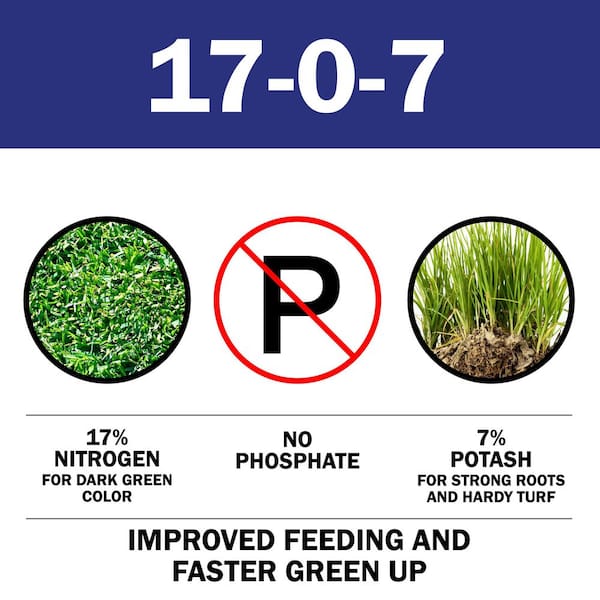 Slow-release formulas reduce leaching risk and provide steady nutrition for 8-10 weeks
Credit: www.homedepot.com
Slow-release formulas reduce leaching risk and provide steady nutrition for 8-10 weeks
Credit: www.homedepot.com
Proper Application Timing and Technique
Even the best fertilizer will fail if applied at the wrong time or with improper technique. Follow these 2026 best practices for optimal results:
Seasonal Application Schedule
Fertilize only when your lawn is actively growing (soil temperatures consistently above 65°F):
- Zones 8–9 (northern St. Augustine range, e.g., northern Texas, Georgia): First application late March to early April, second in late May to early June, third in late August, optional fourth in early October if growth is still active.
- Zones 9–10 (southern range, e.g., southern Florida, southern Texas): First application mid-February, then every 6-8 weeks through October, skipping applications during peak summer heat (July–August) if temperatures are consistently above 90°F to avoid burn.
Never apply fertilizer during winter dormancy, extended drought, or when heavy rain is forecast within 24 hours.
Application Steps
- Mow your lawn to 3.5–4 inches (shaded lawns can go slightly higher) to avoid cutting off too much leaf tissue after fertilization.
- Calibrate your spreader to the setting listed on the fertilizer bag (most granular St. Augustine fertilizers require a rotary spreader setting of 3–4).
- Apply in a crisscross pattern: spread half the recommended rate going north-south, then the other half going east-west to avoid uneven stripes.
- Water lightly (¼ inch) immediately after application to activate the fertilizer and prevent it from sitting on blades, where it can cause burn.
- Keep foot traffic off the lawn for 24 hours after application to allow nutrients to absorb into the soil.
After fertilizing, sharp mower blades are critical to avoid tearing the newly grown, softer grass. Stay on top of routine mower upkeep to keep cuts clean and reduce stress on your turf.
Common Fertilizer Mistakes to Avoid
Even experienced homeowners make these errors, which can lead to burned lawns, wasted money, or environmental harm:
- Over-fertilizing: The #1 mistake for St. Augustine lawns. More nitrogen does not equal a greener lawn. Overapplication leads to nitrogen burn, excessive thatch buildup, and increased susceptibility to pests like chinch bugs and diseases like brown patch. A common rule of thumb: if your grass is growing more than 1 inch per week, you’re applying too much nitrogen. Never exceed 2 pounds of nitrogen per 1,000 square feet per application.
- Fertilizing dormant grass: Dormant St. Augustine (in winter or during extended drought) cannot absorb nutrients, so all applied fertilizer will leach into groundwater or runoff into local waterways, wasting money and causing pollution.
- Ignoring soil pH: If your soil is too acidic (below 6.0) or too alkaline (above 7.0), nutrients will be locked up and unavailable to grass, no matter how much fertilizer you apply. Adjust pH with elemental sulfur (for acidic soil) or garden lime (for alkaline soil) based on your soil test results.
- Applying before heavy rain: Light watering after application is critical, but applying fertilizer right before a storm that drops more than 1 inch of rain will wash most nutrients away before they can be absorbed.
- Skipping pre-application cleanup: Thatch over ½ inch thick acts as a barrier, preventing fertilizer from reaching the soil. Dethatch your lawn in early spring before your first fertilization if needed.
If you’ve accidentally over-fertilized and see brown burn spots, water the lawn lightly 2–3 times a day for 3–5 days to flush excess nitrogen below the root zone, then apply a light topdressing of compost to help the grass recover. For severe damage, you may need to revive your damaged lawn with new plugs or sod.
Environmental Best Practices for Fertilizing St. Augustine
Excess nitrogen and phosphorus runoff is a leading cause of algal blooms in southern waterways, including the Gulf of Mexico and Florida’s Everglades. To minimize your lawn’s environmental impact:
- Choose slow-release fertilizers with at least 50% slow-release nitrogen, which reduces leaching by 30–40% compared to fast-release synthetic formulas.
- Avoid phosphorus unless your soil test specifically shows a deficiency – most established St. Augustine lawns in the southern U.S. have sufficient phosphorus levels.
- Create a 10-foot buffer zone between your lawn and any storm drains, ponds, or waterways to prevent runoff.
- Sweep any spilled fertilizer back onto the lawn immediately, rather than washing it into the street or storm drains.
- Check your local county regulations: many southern areas have fertilizer blackout dates during the rainy season (typically June–August) to reduce runoff, so plan your applications accordingly.
Frequently Asked Questions
What N-P-K ratio is best for St. Augustine grass?
For established St. Augustine lawns, a ratio of 16-4-8 or 20-5-10 is ideal, with at least 50% of the nitrogen coming from slow-release sources to avoid burn. New sod or lawns with root damage benefit from a slightly higher phosphorus ratio (e.g., 10-10-10) for the first 6 months to support root establishment, but switch to a lower-phosphorus blend once the lawn is established to avoid excess runoff.
When is the best time to fertilize St. Augustine grass?
Fertilize only when the lawn is actively growing, which is when soil temperatures stay consistently above 65°F. For most of the southern U.S., this is late March to early April, with follow-up applications every 6-8 weeks through October. Never fertilize during winter dormancy, or during extended drought or heat waves when grass growth has slowed.
How often should I fertilize my St. Augustine lawn?
Most established lawns need 3-4 applications per growing season, spaced 6-8 weeks apart. New sod or damaged lawns may need 4-5 applications in the first year to support root growth. Always follow the application rate on your fertilizer bag, and never exceed 2 pounds of nitrogen per 1,000 square feet per application.
Is organic fertilizer better for St. Augustine grass?
Organic fertilizer is a great choice for long-term soil health and reducing environmental impact, but it works more slowly than synthetic options. If you’re looking for a quick green-up for a special event or new sod, a synthetic slow-release formula is better. For ongoing, low-maintenance care, organic or organically blended fertilizers are ideal, as they build soil structure and support beneficial microbes over time.
Can I fertilize my St. Augustine grass in the summer?
Yes, but only if temperatures are consistently below 90°F and the lawn is actively growing. Avoid fertilizing during peak summer heat (July-August in most regions), as high temperatures combined with nitrogen can cause severe burn. If you do apply in summer, use a lower nitrogen rate (½ the recommended amount) and water lightly immediately after application.
Final Thoughts
Choosing the right fertilizer for your St. Augustine grass doesn’t have to be overwhelming. By starting with a soil test, picking a slow-release formula with the right N-P-K ratio for your lawn’s age and needs, and following proper application timing, you can avoid common pitfalls like nitrogen burn and nutrient runoff while keeping your turf lush and green all season. For more step-by-step guidance on achieving a showpiece southern lawn, check out our full guide to getting the perfect green lawn. If you’re working with a large property, our guide to the best self-propelled mower for large yards can help you cut your lawn quickly and efficiently after fertilizing to encourage dense, healthy growth. Remember, consistent, moderate feedings will always give you better results than one heavy, infrequent application.