If you've noticed random brown patches spreading across your lawn and you're wondering what does a lawn look like with grubs, the signs are more specific than most people realize. Grub damage doesn't look like typical drought stress or disease, and confusing the two is one of the most expensive mistakes a homeowner can make.
White grubs, the C-shaped larval stage of scarab beetles like Japanese beetles and European chafers, feed on grass roots underground. By the time you see damage on the surface, the roots are already gone. Most cooperative extension services use a treatment threshold of 5 to 10 grubs per square foot for common cool-season grasses.
Let's walk through exactly what to look for so you can diagnose the problem with confidence.
Quick Answer
A lawn with grubs shows irregular, spreading brown patches where the grass has no root attachment. The turf feels spongy underfoot and pulls back like a carpet with zero resistance. Flip the dead sod over and you'll find white, C-shaped larvae curled in the top inch of soil.
If skunks or raccoons are tearing up your lawn at night, that's another telltale sign of a grub infestation.
Why Grub Damage Is So Easy to Misidentify
The biggest problem with grubs is that most homeowners assume their lawn is just dry. They water more, maybe throw down some fertilizer, and the grass keeps dying. That's because no amount of water helps grass with no roots left.
Grub damage mimics at least five other common lawn problems. Drought stress, fungal diseases like brown patch, chinch bug damage, dog urine spots, and even fertilizer burn can all look similar at a glance. The patterns overlap enough that even experienced gardeners get it wrong without doing a physical check.
Timing makes this worse. Peak grub damage hits in August through October, which is exactly when cool-season lawns look stressed anyway. Hot, dry late-summer weather does real damage on its own.
Sorting out how much is drought and how much is grubs takes a hands-on inspection, not just a look from the kitchen window.
What Grub Damage Actually Looks Like on a Lawn
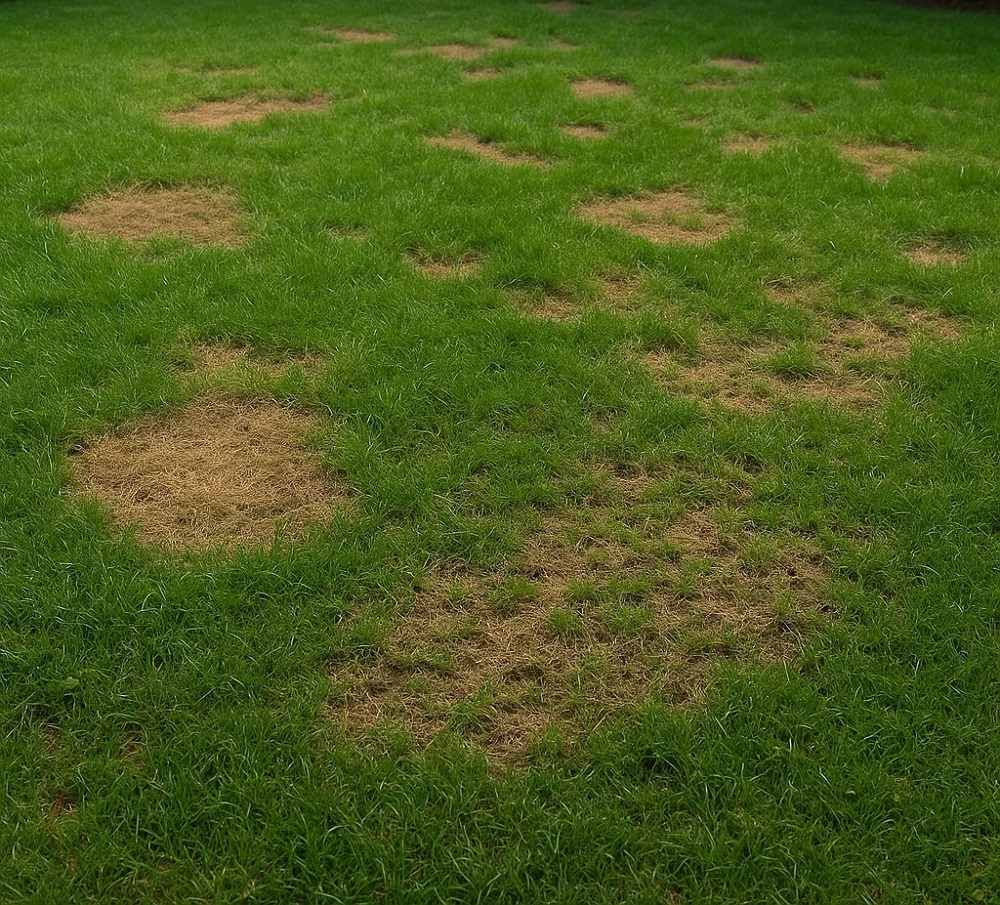
Grub damage starts as scattered, irregular patches of light green or straw-colored grass. These patches don't follow neat circles or consistent shapes. They look random, often appearing first in sunny, well-drained sections of the lawn where grubs thrive and grass is under more heat stress.
As feeding continues, the patches turn fully brown and start merging together. The damage expands outward because grubs don't stay in one spot. A single grub moves through the soil as it feeds, and a cluster of them can destroy a surprisingly wide area over a few weeks.
Here are the distinguishing visual features:
- Irregular brown patches that don't match irrigation patterns or soil boundaries
- Spongy or soft turf that feels different underfoot compared to healthy areas
- Grass that looks drought-stressed even after a good rain or watering
- Damage concentrated in full-sun areas rather than low spots or shaded zones
- Progressive spread rather than sudden overnight death
The key difference between grub damage and drought stress is that drought-stressed grass typically has some root attachment left. Grub-damaged grass has almost none. That physical difference is what the tug test confirms.
The Tug Test: The Fastest Way to Confirm Grubs
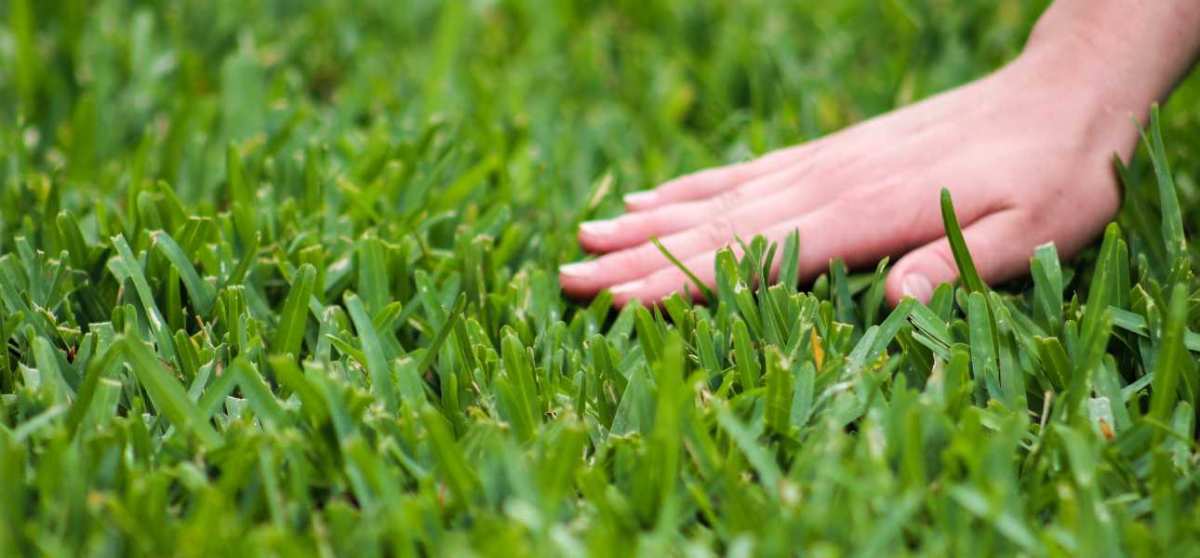
The tug test takes about ten seconds and gives you a clear answer. Grab a handful of brown or dying grass at the edge of a damaged patch and pull upward gently. Healthy grass resists.
If the grass lifts easily, comes away from the soil with no effort, and feels like peeling back a carpet, the roots have been eaten.
This is the single most reliable field test for grub damage. It's recommended by turfgrass scientists at land-grant university extension programs across the country. No special tools needed, just your hands.
Here's how to do it properly:
- Choose the border zone where damaged grass meets healthy grass, not the dead center of the patch.
- Grasp firmly at the base of the grass blades, close to the soil surface.
- Pull upward with steady, moderate pressure, not a sharp yank.
- Observe the result. If the turf lifts cleanly and you can see bare soil underneath with no root strands attached, grubs have been feeding there.
- Repeat in two or three spots across the damaged area to confirm it's widespread, not isolated.
If the grass holds and you feel resistance, the problem is more likely drought, disease, or another root-related issue that hasn't fully destroyed the root system. The tug test doesn't tell you how many grubs are there, but it tells you whether root feeding is the cause of death.
What to Look for Under the Sod
If the tug test confirms loose turf, the next step is peeling it back and counting. Cut a 1-foot square of sod using a spade or flat shovel at the edge of a damaged patch. Fold it back like a flap and examine the top 1 to 2 inches of soil.
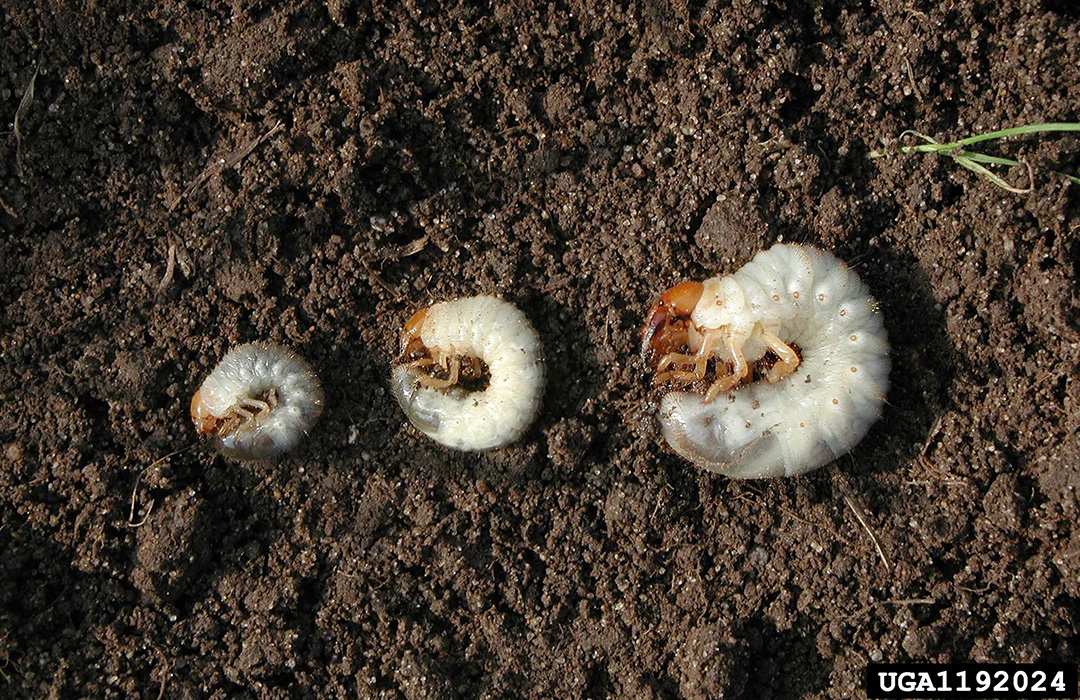
White grubs are C-shaped, creamy white with a distinct brown head capsule, and have three pairs of legs near the head. Size varies by species and age, from about ¼ inch in newly hatched larvae to over 1 inch for mature Japanese beetle grubs. They'll often curl into a tight C when disturbed, which is where the name comes from.
Dig through the soil in your sample square and count how many grubs you find. Then multiply based on your sample size. For a 1-foot square sample, the raw count gives you grubs per square foot directly.
This number tells you whether treatment is warranted.
Grub count guide:
| Grubs per sq ft | Action needed |
|---|---|
| 0–4 | Usually tolerable, monitor the lawn |
| 5–9 | Borderline, consider treatment for high-value turf |
| 10+ | Treatment recommended, active damage occurring |
This threshold varies slightly by grass type and turf use. Athletic fields and well-maintained home lawns can tolerate fewer grubs because the visual standard is higher. A utility lawn or low-maintenance area might handle a few more before treatment makes sense.
Grub Damage vs. Other Common Lawn Problems
Getting the diagnosis right matters because the fix is completely different for each problem. Here's how grub damage stacks up against the most common lookalikes:
Grub damage vs. drought stress
Drought-stressed grass will show uniform browning across areas with similar sun exposure, soil type, and slope. It typically follows irrigation patterns closely. The tug test is the differentiator, drought-stressed grass still has intact roots and resists pulling.
Grub damage vs. fungal disease
Brown patch fungus creates roughly circular patches with a visible "smoke ring" of darker grass at the edges, especially visible in early morning when dew is present. Individual grass blades show tan, irregular lesions. Grub patches don't form circles and the blades themselves look normal on the surface, it's only the roots that are gone.
Grub damage vs. chinch bugs
Chinch bugs suck sap from grass blades rather than feeding on roots. Damage appears in hot, sunny areas during the driest parts of summer. The tug test will show roots still attached.
Chinch bugs are tiny (about 1/5 inch) and visible at the base of grass plants if you part the turf and look carefully at the soil line.
Grub damage vs. dog urine
Dog urine creates small, concentrated dead spots with a dark green ring around the outside where the nitrogen in urine actually fertilized the grass. These spots are typically 3 to 6 inches across and scattered where a dog regularly urinates. Grub damage is larger and has no green halo.
Grub damage vs. old dead grass or winter kill
Old dead patches from previous seasons often show matted, grayish turf. Winter kill appears in spring after snowmelt and typically follows low-lying or exposed areas. Neither will show active grub presence when you dig, and the sod may still have some root structure remaining from before the grass died.
When Grub Damage Is at Its Worst (Seasonal Timeline)
Grub damage follows a predictable annual cycle tied to the beetle life cycle. Adult beetles lay eggs in midsummer, typically July through early August depending on your region. Those eggs hatch within two weeks, and the new larvae start feeding on roots almost immediately.
The heaviest visible damage appears in late summer and fall. August through October is when most homeowners first notice the problem. By this point, grubs have been feeding for weeks and have grown large enough to destroy significant root mass.
Cool-season grasses like Kentucky bluegrass and perennial ryegrass are especially vulnerable because they're already stressed by heat.
Here's the seasonal breakdown:
- May through June: Adult beetles emerge, mate, and lay eggs. No visible lawn damage yet.
- July through early August: Eggs hatch. Tiny grubs begin feeding near the surface. Damage is still invisible.
- August through October: Grubs grow rapidly and feed aggressively. Brown patches appear and spread. This is the peak damage window.
- November through March: Grubs burrow deeper into the soil to overwinter. Surface damage stops but dead patches remain visible.
- April through May: Grubs return to the shallow root zone for a final feeding period before pupating. A second wave of damage can occur in spring, though it's usually less severe than fall damage.
In warmer southern regions, this timeline shifts earlier. Grub activity can start in June and peak by August. In northern areas, the window may be compressed into September and October before frost pushes grubs deeper.
How Many Grubs Is Too Many?
Not every grub in your lawn requires treatment. Turfgrass can tolerate a low population without visible damage. The threshold depends on grass species, lawn use, and how much stress the turf is already under.
Most cooperative extension programs cite 5 to 10 grubs per square foot as the action threshold for cool-season home lawns. That's the point where feeding damage becomes visible and treatment makes economic sense. High-maintenance lawns, athletic fields, and golf course fairways often use a lower threshold of 3 to 5 per square foot because the visual standard is higher.
Warm-season grasses like Bermuda and zoysia can sometimes tolerate slightly higher counts because their aggressive growth habit compensates for root loss. But even these grasses will show damage above 10 to 12 grubs per square foot during drought stress.
If your count falls below the threshold, you can usually skip treatment and monitor the situation. Natural predators like ground beetles, ants, and parasitic wasps help keep populations in check. Birds feeding on your lawn in late summer and fall are also doing free pest control.
What to Do Once You've Confirmed Grub Damage
Once you've counted grubs above the threshold and confirmed root feeding, you have two paths: treat the existing population or wait and prevent next year's. The right choice depends entirely on the calendar.
If it's late summer or early fall and you're finding active grubs, a curative treatment is the move. Products containing trichlorfon (Dylox) work fast and kill grubs on contact within 1 to 3 days. These are your best option when grubs are already large and actively feeding.
Carbaryl (Sevin) is another curative option, though it's less effective against mature grubs.
Apply curative treatments when grubs are still small, ideally under ½ inch. Larger grubs are harder to kill and may have already done most of their seasonal damage. Water the lawn lightly after granular applications to move the active ingredient into the root zone where grubs are feeding.
If you're reading this in spring or early summer and seeing last year's damage, curative treatment won't help much. The grubs have either already pupated or are too large to control effectively. Instead, plan a preventive application for next year.
Preventive vs. Curative Treatment: Timing Is Everything
Getting the timing right is the difference between a $40 bag of granules that works and one that sits in the soil doing nothing. Preventive and curative treatments target completely different stages of the grub life cycle.
Preventive treatments use long-residual active ingredients like imidacloprid or chlorantraniliprole. These are applied in late spring to early summer, typically May through early July, before adult beetles lay eggs. The product creates a treated zone in the soil that kills newly hatched grubs as they start feeding.
These products don't work well against large, established grubs, so applying them in fall is largely wasted.
Curative treatments use fast-acting contact insecticides like trichlorfon. These are applied in late summer when grubs are small and actively feeding near the surface. They kill within days but don't persist in the soil, so they won't prevent next year's population.
Here's a simple decision guide:
| Situation | Best approach | Timing |
|---|---|---|
| Grubs found in fall, damage active | Curative treatment | August through September |
| Planning ahead, no current damage | Preventive treatment | May through early July |
| Grubs found in spring | Monitor, treat preventively next year | Don't treat curatively in spring |
Some homeowners use both strategies: a preventive application in June for long-term control, then spot-treat any problem areas with a curative product in late summer if damage appears. This layered approach works well for lawns with a history of recurring grub problems.
Animals Digging Up Your Lawn? That's a Grub Sign Too
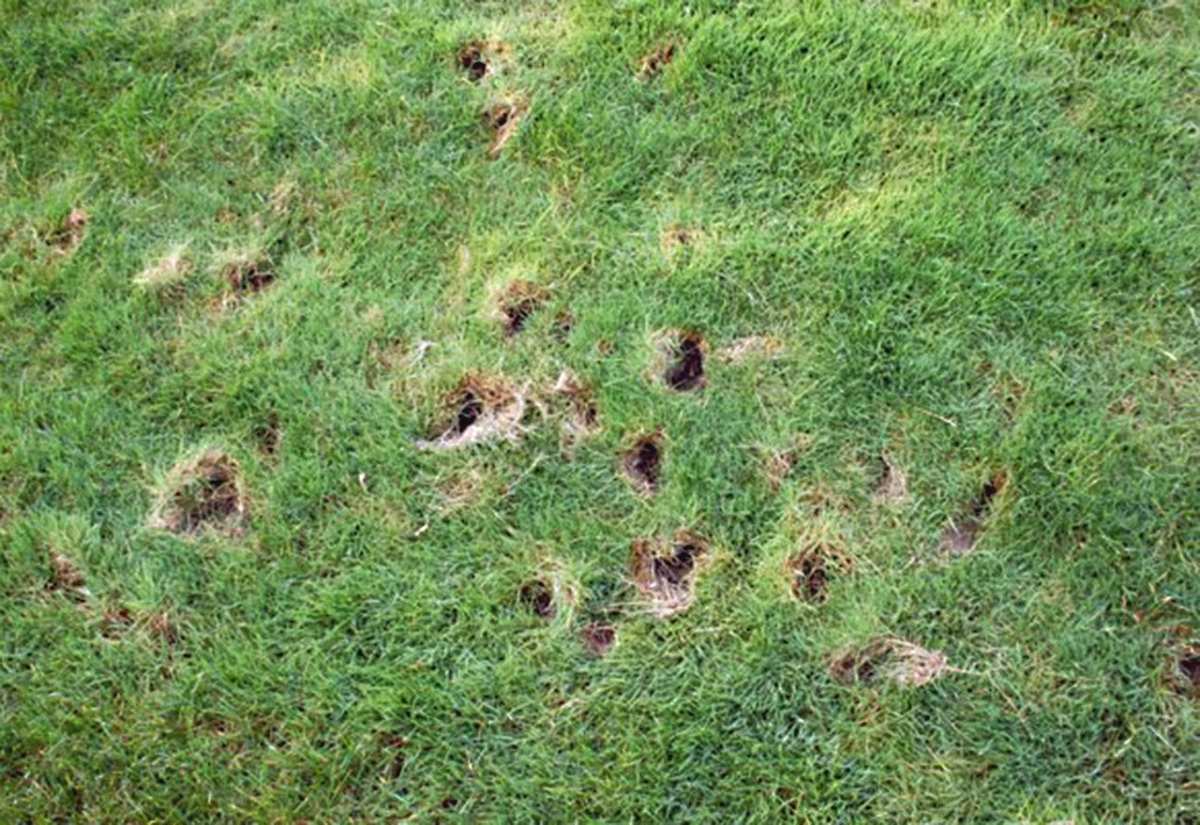
If you're finding small cone-shaped holes, patches of peeled-back sod, or larger sections of torn-up turf overnight, animals are likely feeding on your grubs. Skunks, raccoons, and armadillos (in southern regions) all dig for grubs as a primary food source.
Skunk damage looks like small, 3 to 4 inch diameter holes punched straight down into the turf. They're probing for grubs with their snouts and claws. Raccoons cause more dramatic damage, sometimes rolling back entire sections of sod like they're unrolling a carpet.
Both animals feed at night, so you'll see fresh damage each morning.
Bird activity is another clue. Starlings, grackles, and crows pecking at your lawn in late summer and fall are often hunting grubs. A sudden increase in bird foraging on your turf, especially in concentrated areas, suggests a grub population worth investigating.
Animal damage is actually a useful diagnostic tool. If animals are digging in specific spots, those are the areas to sample for grubs. The animals are telling you exactly where the highest concentrations are.
Treat those hot spots first, and the animal digging usually stops within a week of eliminating the food source.
When to Call in a Professional
Most grub problems are manageable with a trip to the garden center and a spreader. But there are situations where calling a licensed lawn care operator makes more sense.
If your grub count is consistently above 15 per square foot across large sections of lawn, the infestation is severe enough that DIY spot treatments may not keep up. Professionals have access to commercial-grade products and calibrated equipment that delivers more consistent coverage. They can also identify the specific grub species, which matters for timing treatments correctly.
Another reason to call a pro is if you've already tried a curative treatment and the grubs survived. This can happen when application timing is off, the product wasn't watered in properly, or the grubs were too large. A professional can assess what went wrong and adjust the approach.
If animal damage is extensive and ongoing, a pro can treat the grubs while also coordinating with a wildlife removal service to address the animals already conditioned to feeding on your lawn. Solving just one half of that equation usually means the problem comes back next year.
Frequently Asked Questions
Can a lawn recover from grub damage?
Yes, if the damage is caught early enough and the crowns of the grass plants are still alive. Water the affected areas well in spring and apply a light fertilizer to encourage recovery. Severely damaged areas with no remaining root structure will need reseeding or sodding in early fall.
What time of year should I check for grubs?
Late August through September is ideal. Grubs are large enough to find easily but haven't yet caused maximum damage. You can also check in May when overwintered grubs return to the root zone for a final feeding period before pupating.
Will grub damage spread if I don't treat it?
Yes. Grubs continue feeding as they grow, and the damaged area expands outward. Adult beetles emerging from an untreated lawn will lay eggs in the same area the following summer, making the problem worse year over year.
Are there natural ways to control grubs?
Beneficial nematodes (Heterorhabditis bacteriophora) are microscopic worms that parasitize grubs in the soil. They work best when applied in late summer to early fall when soil temperatures are above 60°F. Milky spore disease targets Japanese beetle grubs specifically but takes several years to establish in the soil.
How long does it take for curative grub treatment to work?
Trichlorfon-based products typically kill grubs within 1 to 3 days. You should see animal digging stop within a week. The dead patches won't green up until new grass grows in, which takes several weeks in fall or the following spring.
Is it normal to find a few grubs in my lawn?
Yes. A low population of 1 to 4 grubs per square foot is common and usually doesn't warrant treatment. Healthy turf can outgrow minor root feeding, and natural predators help keep the population in check without any intervention on your part.