If you're staring at a lush, healthy tomatillo plant with zero fruit, you're not alone. Tomatillo plants not producing fruit is one of the most common frustrations home gardeners run into, and the cause usually isn't what you'd expect. Your plant might look perfect, covered in flowers, and still refuse to set a single tomatillo.
Here's the thing most growing guides leave out: tomatillos have very specific pollination needs that tomatoes don't. In our research, we've found that fixing this one issue solves the problem for the vast majority of gardeners. Let's walk through exactly what's happening and how to get your plants producing.
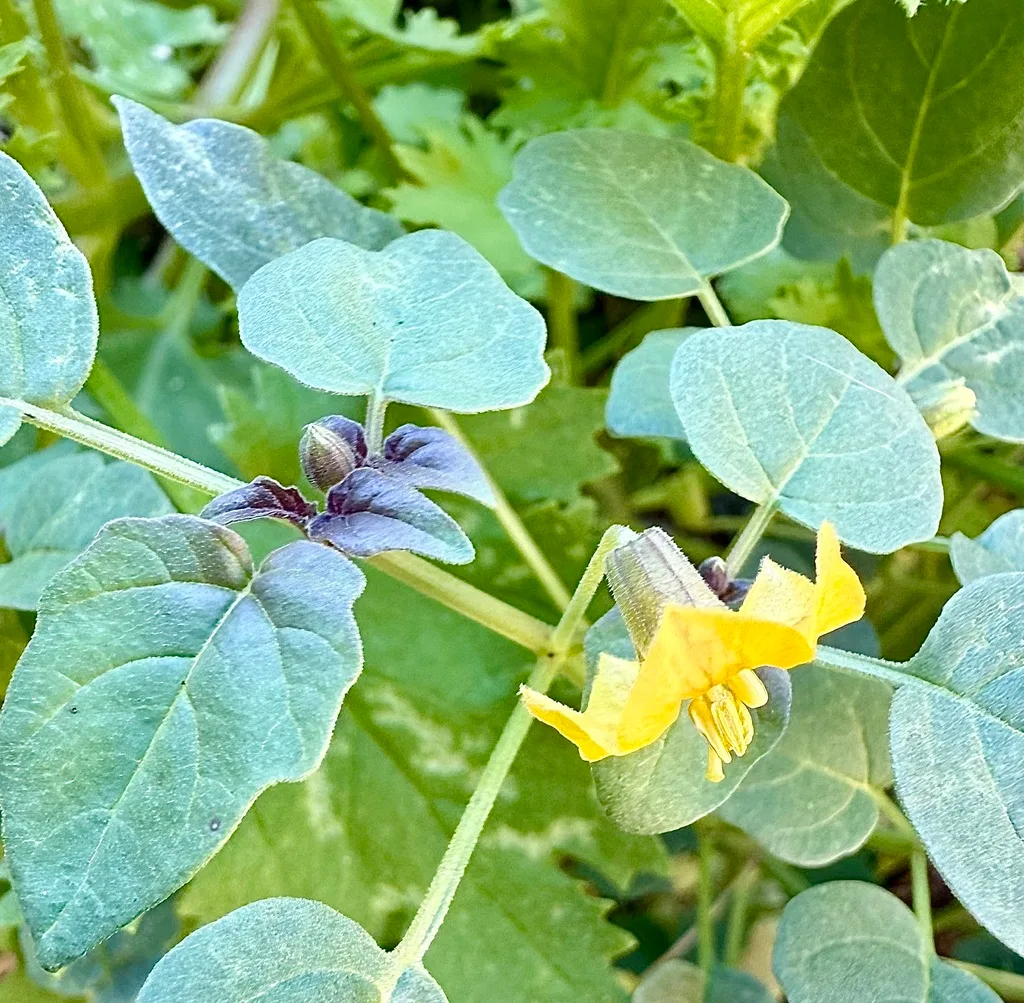
Image source: iNaturalist / Irene
Quick Answer
Tomatillo plants not producing fruit usually comes down to one problem. You need at least two tomatillo plants for cross-pollination. A single plant rarely sets fruit on its own.
Temperature extremes above 95°F or below 55°F can also kill pollen viability. Too much nitrogen fertilizer causes leafy growth instead of fruit. Fix these three issues and your plants should start producing within weeks.
How Tomatillo Pollination Actually Works
Why "Perfect Flowers" Don't Mean Self-Pollinating
This is where most gardeners get tripped up. Tomatillo plants produce what botanists call "perfect flowers," meaning each flower contains both male and female parts. That sounds like the plant should be able to pollinate itself, right?
Not exactly.
Having both parts in one flower doesn't mean the plant can self-fertilize. Tomatillos are self-incompatible, which means the pollen from one plant won't successfully fertilize the flowers on that same plant. It needs pollen from a different tomatillo plant to trigger fruit set.
This is the single biggest misconception in tomatillo growing, and it catches almost every first-time grower.
The Cross-Pollination Requirement Most Guides Skip
So what does cross-pollination look like in practice? You need at least two tomatillo plants of the same or compatible varieties growing within close proximity. Three or four plants is even better for reliable yields.
The recommended spacing is 18 to 24 inches minimum, though 36 inches apart gives each plant enough room to reach its full 3 to 4 foot spread.
Wind and pollinators like bees carry pollen between plants. If you've only got one tomatillo in your garden, or if your plants are spaced too far apart in enclosed conditions, pollination simply won't happen. The flowers will bloom, look beautiful, and then drop off without setting fruit.
That's the most common scenario gardeners describe, and the fix is straightforward.
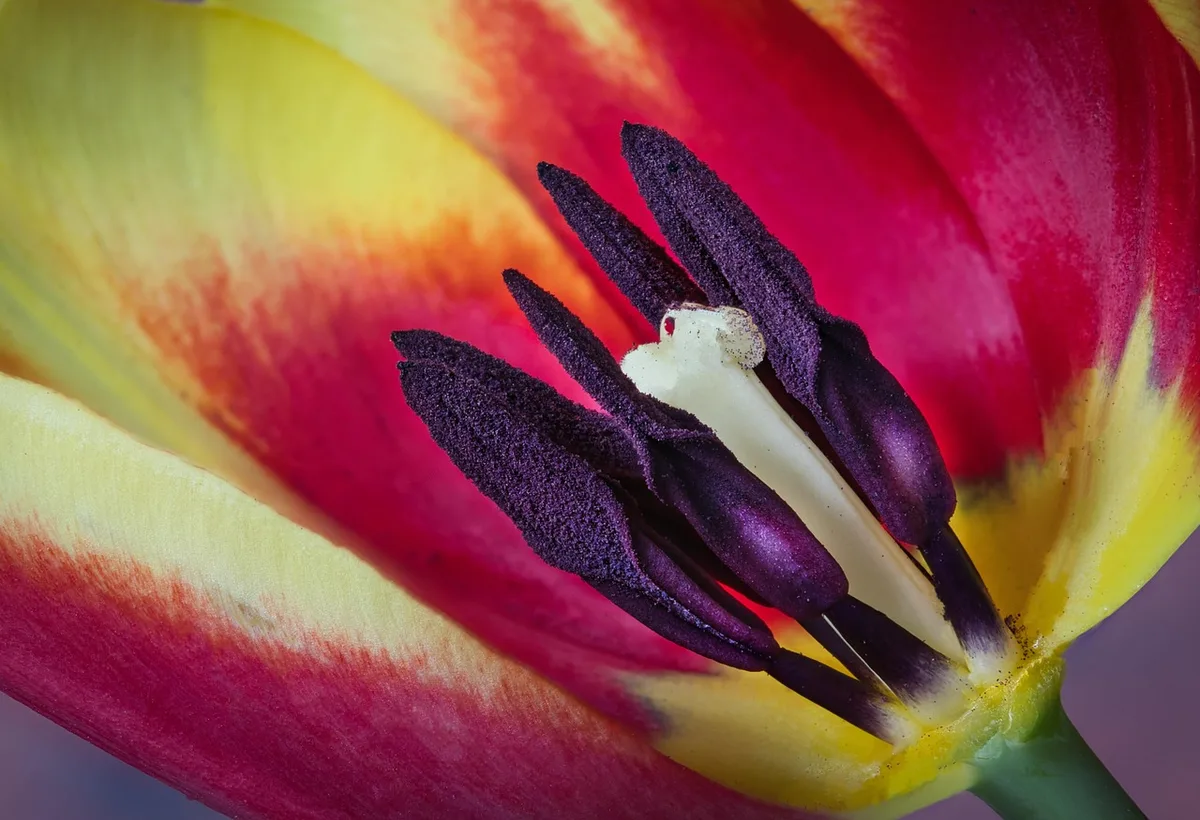
Image source: Pixabay / Illuvis (Pixabay Content License)
The Full Diagnostic Checklist: Why Your Tomatillos Aren't Fruiting
If you've got multiple plants and still no fruit, don't worry. There are several other factors that can block fruit set. Work through this checklist in order, and you'll find your problem.
Not Enough Plants (The Most Common Problem)
We've said it already, but it bears repeating because this is the number one cause. A single tomatillo plant, no matter how healthy, will almost never produce fruit on its own. If you planted just one, that's your answer.
The fix: Plant at least two. If your current plants are already in the ground and it's mid-season, you can still add another transplant. Tomatillo seedlings transplant well as long as you're gentle with the roots and water them in thoroughly.
Flowers Dropping Without Setting Fruit
Flower drop is the visible symptom of failed pollination. You'll see yellow flowers forming, opening, and then falling off the plant without any swelling at the base where fruit would develop. This can also happen when temperatures are outside the viable range.
Check these conditions:
- Daytime temps consistently above 90°F (32°C)
- Nighttime temps dropping below 55°F (13°C)
- No bee activity or wind movement around the plants
If you see flowers dropping and your plant count is fine, temperature stress is the next most likely culprit.
It's Too Hot (Or Too Cold)
Tomatillo pollen has a narrow temperature window for viability. Per horticultural research on Physalis species, pollen becomes non-viable above 95°F (35°C). Nighttime temperatures below 55°F (13°C) also interfere with fruit set even if daytime conditions look fine.
This means gardeners in hot climates can lose fruit set during summer heat waves. Cool coastal climates may struggle during early spring or late fall. The sweet spot for fruit set is daytime temperatures between 70 and 85°F (21 to 29°C) with nights staying above 55°F.
Too Much Nitrogen, Not Enough Phosphorus
If your tomatillo plant looks incredible, dark green and bushy and huge, but it's not making fruit, you might be over-feeding it. High-nitrogen fertilizers push the plant toward leaf and stem growth at the expense of flowers and fruit.
What to do:
- Stop using high-nitrogen fertilizers immediately
- Switch to a balanced formula or one higher in phosphorus and potassium
- Look for something like a 5-10-10 or similar ratio
- Bone meal or rock phosphate worked into the soil around the base also helps
Once you correct the nutrient balance, the plant should shift its energy toward reproduction, which means flowers and fruit.
Not Enough Sun
Tomatillos need full sun, meaning at least 6 to 8 hours of direct sunlight per day. If your plants are getting less than that, they'll survive but they won't produce well. The plant simply doesn't have enough energy to support fruit development.
This is especially common when tomatillos are tucked into a corner of the garden shaded by taller plants like tomatoes or corn. If that's your situation, there's not much you can do mid-season, but it's worth noting for next year's garden plan.
Overwatering or Poor Drainage
Tomatillos are surprisingly drought-tolerant once established. Overwatering stresses the root system and can cause a range of problems, including reduced fruit set. The soil should dry out slightly between waterings.
Soggy soil leads to root rot, which weakens the whole plant.
Water deeply but less frequently. A good soak twice a week in hot weather is usually enough. Mulching around the base helps maintain consistent moisture without waterlogging.
Pollinator Shortage in Urban or Enclosed Spaces
If you're growing tomatillos on a balcony, in a greenhouse, or in an urban area with limited bee activity, natural pollination might not happen at all. Bees are the primary pollinators for tomatillos, and without them, those flowers go unfertilized.
This is where hand-pollination comes in, and it's easier than you might think. We'll cover that in the next section.
Step-by-Step: How to Get Your Tomatillos to Set Fruit This Season
Step 1: Count Your Plants and Fix the Spacing
Count how many tomatillo plants you have. If it's one, get at least one more. Space them 18 to 36 inches apart.
If they're already crowded, that's fine for pollination but make sure they're not so tight that airflow is blocked.
Step 2: Check Your Fertilizer — and Switch If Needed
Look at whatever you've been feeding your plants. If the first number on the NPK ratio is the highest, you're giving too much nitrogen. Switch to a phosphorus-heavy fertilizer and hold off on feeding for a week or two to let the plant reset.
Step 3: Hand-Pollinate to Guarantee Results
This is the most reliable fix when natural pollinators aren't doing the job. Take a small, clean paintbrush or cotton swab. Gently swirl it inside one flower to collect pollen, then transfer that pollen to the center of a flower on a different plant.
Repeat across all your open flowers.
The best time to hand-pollinate is mid-morning when flowers are fully open and dry. Do this every day or every other day during peak bloom and you should see fruit forming within a week.
Image source: Pixabay / lubovlisitsa (Pixabay Content License)
Step 4: Adjust Watering and Sun Exposure
Cut back on watering if the soil stays wet for more than a day after rain or irrigation. Make sure your plants are getting at least six hours of direct sun. If nearby plants are casting shade, consider trimming them back to let more light reach your tomatillos.
Step 5: Bring in Backup Pollinators
Plant flowers near your tomatillos that attract bees. Marigolds, borage, zinnias, and native wildflowers all work well. You can also avoid using any pesticides near your tomatillos during bloom, since those chemicals harm the very pollinators you need.
What a Healthy Tomatillo Season Actually Looks Like
Timeline: Seed to First Fruit
Tomatillos are not the fastest crop, but they're not slow either. Here's what a normal season looks like:
- Germination: 7 to 14 days after seeding at 70 to 80°F (21 to 27°C)
- Transplant outdoors: 6 to 8 weeks after seeding, once nighttime temps stay above 55°F
- First flowers: 4 to 6 weeks after transplanting
- First ripe fruit: 60 to 80 days after transplanting, depending on variety
- Full harvest window: Continuous production until first frost
If you're past the 80-day mark from transplant with no fruit at all, something in the checklist above is off.
What Success Looks Like at Each Stage
A healthy tomatillo plant should be 3 to 4 feet tall and wide by mid-season. You'll see clusters of yellow flowers, and successful pollination shows up as a small green swelling at the base of the flower within a few days. That swelling grows into a fruit inside its papery husk.
When the fruit is ready, it fills the husk completely and the husk starts to split at the bottom. The fruit itself turns from green to a pale yellow-green depending on the variety. That's your signal to pick.
Image source: Pixabay / alandsmann (Pixabay Content License)
Common Mistakes That Keep Tomatillos From Producing
- Planting only one tomatillo. This is the mistake we see over and over. Two plants minimum, three or four for reliable harvests.
- Over-fertilizing with nitrogen. Big green plant, zero fruit. The plant is too comfortable growing leaves to bother reproducing.
- Ignoring temperature windows. Planting too early when nights are cold, or expecting fruit set during a heat wave above 95°F.
- Watering on a schedule instead of checking soil moisture. Tomatillos hate wet feet. Let the top inch of soil dry out before watering again.
- Growing in partial shade. Six hours of direct sun is the bare minimum. Eight is better.
- Giving up too early. Tomatillos can take their time, especially in cooler climates. If your plants are healthy and flowering, the fruit often shows up once conditions align.
Expert Tips From Gardeners Who Solved This the Hard Way
- Start seeds indoors 6 to 8 weeks before your last frost date. This gives you a head start, especially in short-season climates. University extension services across the Southern and Southwestern US recommend this timing for reliable harvests.
- Grow tomatillos in containers if space is tight. A 5-gallon pot works for one plant. Put two pots next to each other to ensure cross-pollination. This also works on balconies and patios.
- Don't remove the husks until harvest. The husk protects the fruit from pests and sun damage. You'll know fruit is ready when the husk splits on its own.
- Save seeds from your best fruits. Let a few tomatillos fully ripen and split on the plant. Scoop out the seeds, rinse off the pulp, dry them, and store them for next year. Tomatillos grow reliably from saved seed.
- Companion plant with marigolds or borage. These attract the native pollinators tomatillos depend on. More bees visiting your garden means more fruit on your plants.
When to Worry — and When to Be Patient
If it's been less than 80 days since you transplanted, give it time. Tomatillos often focus on vegetative growth early in the season and then start setting fruit once conditions stabilize. Late June through August is typically when fruit set kicks in for most regions.
If you're past 100 days with healthy plants, plenty of flowers, and zero fruit, something is definitely blocking pollination. Go back through the checklist above. Nine times out of ten, it's one of the first three items: not enough plants, temperature stress, or nutrient imbalance.
There's also a difference between no flowers and flowers that don't set fruit. If your plant isn't flowering at all, the issue is usually light, nutrients, or the plant simply isn't mature yet. If it's flowering but not fruiting, pollination is almost always the problem.
Safety Note: Don't Eat Unripe Tomatillos
This matters. Unripe tomatillos contain solanine, which is toxic in large quantities. Only harvest fruit that has fully filled the husk and started to split it open.
The fruit should feel firm and the color should be turning from bright green to a paler yellow-green depending on variety.
If a fruit is still completely green, hard, and the husk is tight with no splitting, leave it on the plant. It'll ripen in a few more days. Eating unripe tomatillos can cause stomach upset, and it's simply not worth the risk when the ripe ones taste so much better anyway.
Frequently Asked Questions
Can a single tomatillo plant produce fruit?
Almost never. Tomatillos are self-incompatible, meaning they need pollen from a different plant to set fruit. A single plant will grow and flower beautifully but won't produce harvestable fruit.
Always plant at least two.
How do I hand-pollinate tomatillo flowers?
Use a small paintbrush or cotton swab. Gently swirl it inside an open flower on one plant to collect pollen, then transfer it to the center of a flower on a different plant. Do this mid-morning when flowers are dry and open.
What temperature is too hot for tomatillo fruit set?
Pollen becomes non-viable above 95°F (35°C). Nighttime temperatures below 55°F (13°C) also prevent fruit set. The ideal range is 70 to 85°F during the day with nights staying above 55°F.
How long does it take for a tomatillo plant to produce fruit?
Expect first fruit 60 to 80 days after transplanting outdoors. From seed to harvest, you're looking at roughly 90 to 120 days total depending on your climate and variety.
Can I grow tomatillos in pots on a balcony?
Absolutely. Use at least a 5-gallon container per plant and place two pots next to each other for cross-pollination. Make sure they get 6 to 8 hours of direct sun and hand-pollinate if bee activity is low on your balcony.
Are tomatillo plants perennial?
In USDA zones 10 and 11, they can act as short-lived perennials. In zones 4 through 9, they're grown as annuals and will die with the first hard frost. Most gardeners in the US treat them as annuals and start fresh each spring.