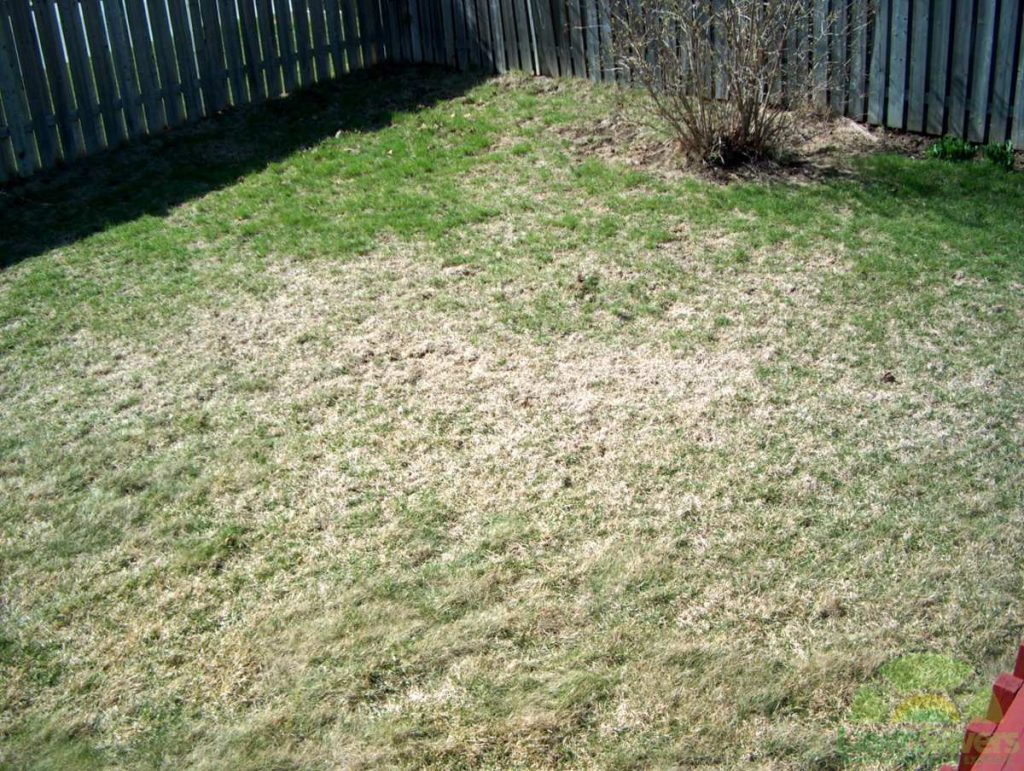
You've probably found yourself asking when is the best time to put down grub control after noticing brown patches spreading across your lawn or watching your neighbors deal with a full-blown infestation. Getting this timing right is the difference between a single application that protects your turf all season and a wasted effort that leaves you reseeding in the fall. The answer depends on whether you're preventing grubs or treating an active problem, what species you're dealing with, and where you live.
Those three variables change everything.
Manufacturer specifications and university extension research consistently show that preventive products need to be in the soil before egg hatch, while curative products work best when grubs are small and actively feeding near the surface. That means there isn't one magic date for everyone. Let's walk through the decision process so you nail the timing for your specific situation.

Image source: Wikimedia Commons / Сарапулов (CC BY)
Quick Answer
Put down preventive grub control in late spring to early summer, typically May through June, before beetle eggs hatch. For curative treatments, apply in mid to late summer when grubs are small and actively feeding. Your exact timing depends on your grass type and region.
Always water in granular products within 24 hours of application.
Understanding the Grub Lifecycle (And Why It Dictates Your Timing)
White grubs aren't a single pest. They're the larval stage of several beetle species including Japanese beetles, European chafers, June bugs, masked chafers, and billbugs. Each has a slightly different calendar, but the general pattern holds across most of North America.
Adult beetles fly, mate, and lay eggs in your lawn during the summer. Those eggs hatch into grubs that feed on grass roots through late summer and fall, then burrow deeper to overwinter and come back up the following spring to feed again before pupating.
Here's the critical part. Preventive insecticides need to be present in the soil before or right as eggs hatch. Once grubs grow past a certain size, most preventive products won't touch them.
That's why timing isn't just important. It's everything.
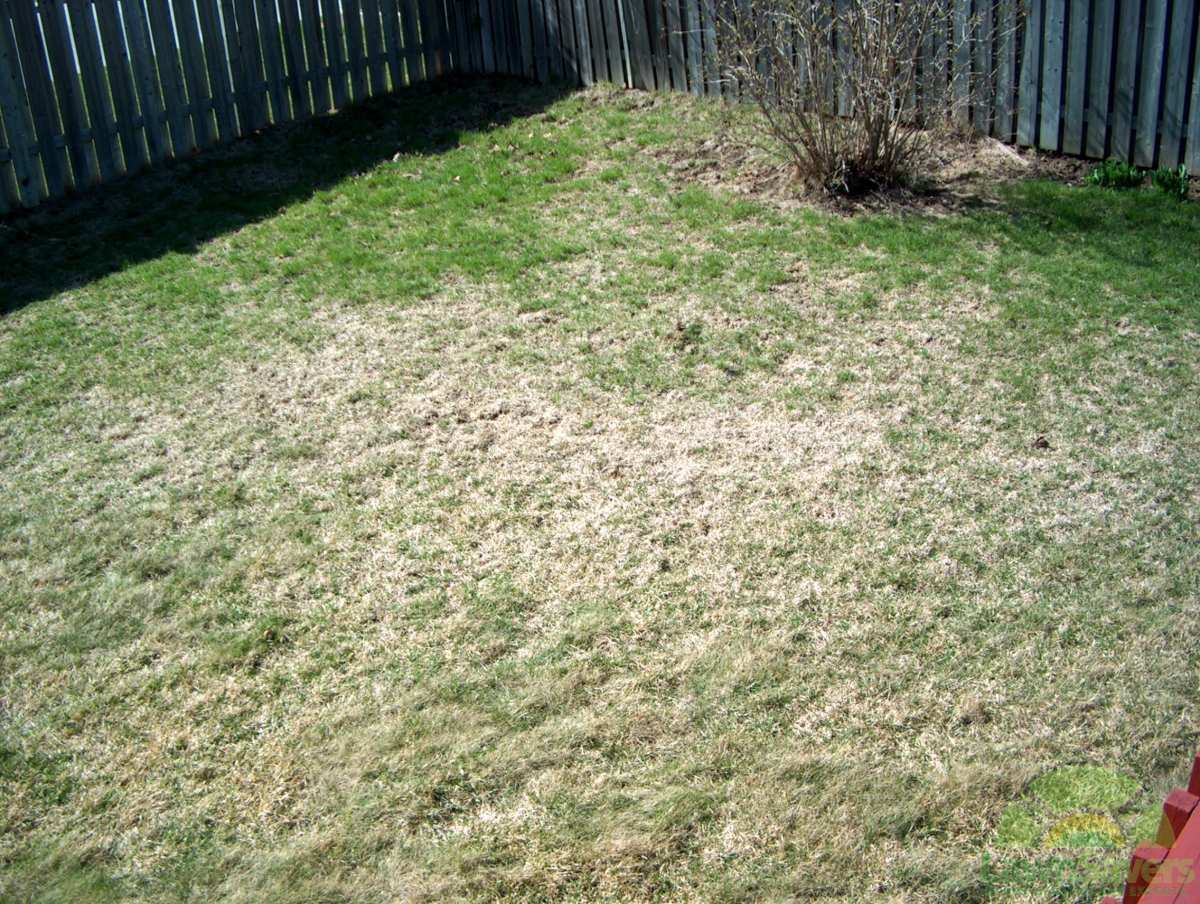
Image source: Bing (Web (fair-use with source credit))
The General Beetle Cycle by Region
| Beetle Species | Adult Flight Period | Egg-Laying Peak | Grub Feeding Window |
|---|---|---|---|
| Japanese Beetle | June – August | July – August | August – October |
| European Chafer | June – July | June – July | July – October |
| Northern Masked Chafer | July | July | August – May |
| Green June Beetle | May – June | June | August – May |
| Black Turfgrass Ataenius | May – July | June – August | July – May |
Extension researchers note that the exact flight period shifts by two to four weeks depending on latitude and seasonal temperatures. That's why local county extension offices publish annual beetle flight monitoring data. It's worth checking their updates rather than relying on a generic calendar.
Why Spring vs. Fall Timing Gets Confused
People often hear "treat in the fall" and assume that covers everything. Fall curative treatment can work if you catch grubs while they're still small and feeding actively near the root zone. But if you're using a preventive product like one containing chlorantraniliprole, fall application is usually too late for that season's eggs.
You'd be protecting next year's lawn from damage you've already given up on this year.
Decision Branch 1: You Want to Prevent Grubs (Preventive Approach)
Prevention is the smarter play if you've had grub damage before or if your lawn is in a high-risk area. You're creating a chemical barrier in the soil before the eggs hatch. The grubs ingest the product while feeding and stop causing damage almost immediately.
Best preventive timing by region and grass type:
Cool-season grasses (Northern U.S., USDA Zones 4, 6)
- Apply in May or June, tighten to May in southern parts of this zone
- Target window: before eggs hatch
Warm-season grasses (Southern U.S., USDA Zones 7, 10)
- Apply in June or later birthing months
- Target window: May through July depending on species
Transition Zone (Mid-Atlantic, lower Midwest)
- May through June works for most situations
- If billbugs are your main problem, shift toward late April or early May
Products for Prevention (need early timing)
| Product Type | Active Ingredient | Timing Window | Notes |
|---|---|---|---|
| GrubEx | Chlorantraniliprole | Late spring – early summer | Season-long prevention, low toxicity to bees |
| Merit | Imidacloprid | Late spring – midsummer | Systemic; must be watered in promptly |
| Advanced Grub Control | Imidacloprid | Late spring – early fall prevention | Widely available at home improvement stores |
| MACH 2 | Halofenozide | Before egg hatch | IGR that disrupts molting cycle |
Per manufacturer label specifications, most of these residual barrier products will hang around in the soil for four to eight months once watered in.
One Application Is Usually Enough
For most homeowners, a single well-timed preventive application will deliver season-long grub protection. The active ingredients bind to soil particles and remain effective through the egg-hatch window and into early fall feeding. You do not need to reapply unless the label specifically calls for a second treatment or you're dealing with species like the black turfgrass ataenius that have multiple generations per year.
Decision Branch 2: You Already Have Grub Damage (Curative Approach)
This is the reactive approach. You walk outside, see brown patches that peel back like carpet, dig around and find grubs. Now you need something that kills existing grubs fast.
Curative products work, but they have a much narrower window of effectiveness. The grubs need to be small, actively feeding, and not yet in their overwintering phase.
Curative Product Options
| Product | Active Ingredient | Best Timing | How Fast It Works | Limitations |
|---|---|---|---|---|
| GrubEx with Dylox (curative) | Trichlorfon (Dylox) | Mid-summer through early fall (July–September) | Within 24–72 hours | Only effective on small, actively feeding grubs |
| Dylox | Trichlorfon (Dylox) | Mid-summer through early fall (July–September) | Within 24–48 hours | Breaks down quickly; must time precisely |
| Sevin | Carbaryl | Curative window (July–September) | 3–5 days | Broad-spectrum; higher risk to beneficial insects |
| Insect-killing soaps/microbial | Bt or microbial agents | Mid-summer (July–August) | 5–7 days | Slower; must stay in top layer of soil |
University research consistently shows that curative products need to reach grubs while they're in the first or second instar stage. Once grubs reach their third instar (typically by mid-September in the North), chemical control becomes significantly less effective. At that point, your best option is to let the grubs overwinter and hit them with a preventive application the following spring.
Why a Combined Preventive + Curative Plan Makes Sense
Some situations call for both approaches. If you've found significant damage in late summer, apply a curative product immediately to stop the current feeding, then follow up the next spring with a preventive application. Two well-timed applications can break a severe infestation cycle that might otherwise take years to resolve through biological controls alone.
Look for combination products or label instructions that allow sequential use without exceeding annual application limits.
How to Know Which Approach You Need Right Now
Before you buy anything, dig. It's the only reliable way to know what you're dealing with. Cut a 1-square-foot section of turf about 2, 3 inches deep in a damaged area and peel it back.
Count the grubs you find.
Treatment thresholds per square foot:
- 0, 5 grubs: Probably fine without treatment. Monitor next year.
- 6, 10 grubs: Borderline. Consider preventive treatment if damage is visible or you've had issues before.
- 10+ grubs: Treat now with a curative product, then plan a preventive application next spring.
There's also the tug test. If you grab a handful of brown turf and it lifts easily with no root resistance, grubs have likely severed the roots. That's active damage warranting immediate curative action.
Damage fades quickly; black patches and easy separation mean grubs are currently at work somewhere in the upper soil layer.
What If You Don't Have Damage Yet But Had Grubs Last Year?
If you found more than 10 grubs per square foot last season, you're at high risk for a repeat. Beetle females tend to return to the same areas to lay eggs. Install preventive control in late spring to early summer, targeting the same areas where you saw the most damage.
Distinguishing Grubs From Other Lawn Problems
Several lawn issues mimic grub damage. Drought stress, fungal diseases like brown patch or dollar spot, and nutrient deficiencies can all cause browning. The key differentiator is that grub damage lifts easily when tugged, and you'll find the culprits curled in the soil just beneath the dead turf.
If the grass holds firm when you pull and you don't find grubs, look elsewhere for the cause.
Common Timing Mistakes That Waste Your Money
The most frequent error is applying preventive grub control too late. If you're putting down a preventive product in September after you've already found grubs, you've missed the window. The eggs hatched weeks ago, and the grubs are now large enough to shrug off preventive chemicals.
You've spent money on a product designed for next year while this year's grubs continue eating.
Another common mistake is skipping the watering-in step. Granular products need about half an inch to an inch of water after application to move the active ingredient into the soil where grubs feed. Without that irrigation, the granules just sit on the surface and degrade in sunlight.
Check your product label for specifics; some require watering within the first 24 hours to activate the barrier.
People also treat based on their neighbor's schedule rather than their own region. Grub life cycles vary with climate. A treatment calendar for Ohio won't work in Georgia.
Local extension offices often publish regional treatment guides and real-time beetle flight monitoring data that can serve as your trigger rather than a fixed calendar date.
Finally, don't assume one bad year means you need treatment every year. Grub populations fluctuate based on weather, natural predation, and bird activity. If you don't find grubs during your inspection, save your money and the beneficial insect impact.
Note: The next section continues with product comparisons and regional timing guides.
Regional Timing Guide: North, South, and Transition Zone
Your location matters more than any product label. Beetle species and climate shifts mean you can't borrow a neighbor's calendar from another state. Here's how the timing breaks down across major U.S. regions.
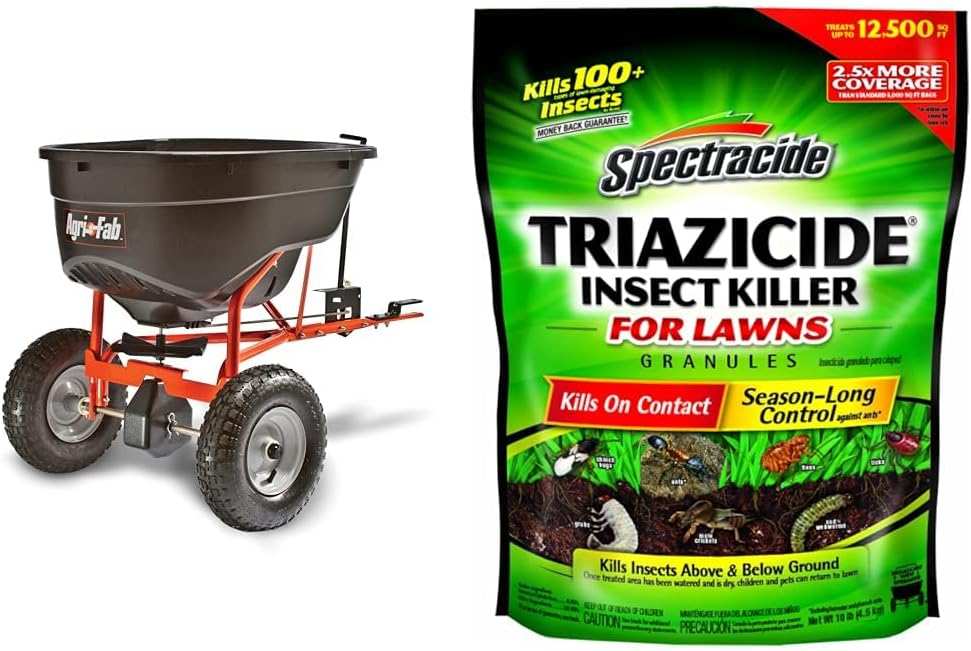
Image source: Bing (Web (fair-use with source credit))
Northern U.S. and USDA Zones 4–6
This includes the Midwest, New England, and the Pacific Northwest. Cool-season grasses dominate here. You're typically dealing with European chafers, Northern masked chafers, and Japanese beetles.
- Preventive window: May through June
- Curative window: Late July through early September
- Key trigger: Soil temperatures consistently hitting 65°F signal the start of egg-laying activity
Flight monitoring data from extension programs in Ohio, Michigan, and Pennsylvania consistently show peak adult beetle activity from late June through mid-June for European chafers and July into August for Japanese beetles. Apply preventive products before those peaks.
Many extension specialists recommend targeting the second week of June for preventive applications if you're unsure of the exact species timing. That early window catches the first wave of egg hatch.
Southern U.S. and USDA Zones 7–10
This covers the Deep South, Texas, Florida, coastal California, and the Gulf states. Warm-season grasses like Bermuda, Zoysia, St. Augustine, and Centipede are the primary turf species here.
- Preventive window: May through July, sometimes extending into August
- Curative window: Mid-July through October
- Key trigger: Earlier warming means beetle flight starts in May, not June
Green June beetles show up much farther south, often starting adult activity in early May. Part of the northern population emerges in June, with additional southward emergence by late May or early June. White grub populations also tend to develop one or more extra generations, so you may have overlapping life cycles to manage.
Florida presents a unique situation. Treatment timings aren't driven by the calendar as much as by the presence of active adults. Activity can occur in late winter or early spring.
If you're in the Southeast, check with your local extension service for area-specific monitoring data that accounts for this extended activity window.
The Transition Zone: Tricky to Navigate
If you live in the lower Midwest, Mid-Atlantic, or parts of the inland South, you're in the transition zone. Cool-season and warm-season grasses both grow, and you might contend with multiple beetle species that have different calendars.
- Preventive window: Late May through July, but confirm species presence first
- Curative window: Late July through September, or staggered for multiple species
- Key trigger: Watch for multiple species flying at overlapping times
A practical tip for this zone: scout your lawn at dusk with a flashlight in June and July. Adult beetles are most active during evening hours. If you spot species like Japanese beetles or chafers on your turf, you have about two to four weeks before eggs start hatching in that area.
That observation sets a more precise treatment date than any calendar recommendation.
DIY vs. Hiring a Professional — What Changes With Timing?
The timing rules apply whether you're spreading granules yourself or having a lawn care company handle it. The difference comes down to your risk tolerance and the size of the job.
How It Differs for Each Approach
DIY approach:
You control the timing precisely. Granular products are widely available at home improvement stores and garden centers, with per-application costs typically coming in lower than professional service. The risk is misidentifying the problem or applying at the wrong time.
If you dig and find grubs and apply curative treatment immediately, that's still weeks faster than waiting for a scheduled lawn service visit. The tradeoff is that DIY requires you to identify the pest correctly and read label directions carefully.
Professional approach:
Lawn care companies often bundle grub control into a seasonalfertilization and control program. They track regional beetle flight data and time applications based on cumulative monitoring. Commercial-grade products may offer longer residual control compared to retail formulations.
Per-industry estimates, professional application costs more per treatment, but the service often includes monitoring, re-treatment guarantees, and identification expertise. If you've misdiagnosed lawn damage before, a professional assessment might actually save you money.
When DIY timing works well
- You've confirmed grub species and damage yourself
- You have a lawn under 5,000 square feet
- Your product costs are lower than professional rates
- You can commit to the correct seasonal window
When professional timing makes more sense
- Large commercial landscapes
- Recurring infestations year after year
- You've wasted money on mistimed DIY products before
- You need documentation for property management requirements
Aggregate industry data suggests that the total annual cost of professional applications typically runs higher than several bags of granular preventive product spread yourself. The premium pays for expertise, commercial product access, and guaranteed outcomes. For a moderately sized lawn, that investment doesn't always make sense if you can accurately time a DIY application yourself.
The Bottom Line on DIY vs. Pro
If you can correctly identify grubs, understand the life cycle, and commit to the right timing window, DIY prevention works fine. The active ingredients in retail products like GrubEx and comparable formulations are effective when applied correctly. The real advantage of hiring a professional is having someone else track the regional pest calendar, identify species, and guarantee re-treatment if something misses the mark.
For complex situations and ongoing damage cycles, that expertise can be worth the extra cost.
Costs and What to Budget for Each Approach
Understanding the cost implications helps you plan ahead rather than overspending on emergency curative treatment after damage appears.
Preventive Application Budget
| Item | Typical Cost Range |
|---|---|
| Granular preventive product (per 5,000 sq ft) | Manageable per bag |
| Hose-end sprayer or spreader | Basic equipment cost |
| Curative product (per treatment) | Reasonable per container |
Applied correctly, a preventive application costs less than replacing even a small section of dead turf. Established turfgrass replacement in the U.S. can run significantly higher per square foot than the materials needed for season-long prevention. One preventive application can cost a fraction of that replacement price.
Curative + Repair Budget
When you're treating active damage and need to reseed or sod damaged areas, costs climb quickly.
| Item | Typical Cost Range |
|---|---|
| Curative insecticide product | Comparable to or higher than preventive |
| Starter fertilizer | Low cost |
| Grass seed (for 1,000 sq ft) | Moderate per bag |
| Sod replacement (if needed) | Higher per square foot |
| Soil amendments | Additional if required |
If you're dealing with a severe infestation and need to renovate large sections, you'll spend far more on seed, soil preparation, and labor than you would have on preventive control. That's why getting the timing right from the start saves real money over multiple seasons.
Factors That Affect Your Annual Budget
- Lawn size: Larger areas raise product and equipment costs
- Product choice: Generic active ingredients cost less than brand equivalents
- Interest in biological controls: Nematodes and other biologicals can add moderate annual costs but reduce chemical impact
- Severity of damage: Active infestations require curative plus potential renovation costs, not just a single product purchase
- Professional service: Recurring seasonal plans spread cost across the year but come with a premium
Expert Tips: Maximizing Your Results Once You've Applied
Getting the timing right gets you halfway. These practical steps can help your product work as effectively as possible.
Watering In Is Not Optional
University extension guidelines consistently emphasize that granular products must be watered into the soil within 24 hours. That moves the active ingredient down to the root zone where grubs are feeding. Without irrigation, granules sit on the surface and break down under UV exposure.
Manufacturer label directions usually call for approximately a quarter-inch to half-inch of watering after application.
If rain is in the forecast within that window, you can skip the manual watering. Just make sure you receive enough rainfall to match the label requirement. A light sprinkle won't cut it.
Mow Before You Apply
Set your mower deck a notch lower before spreading granules. Shorter grass allows the product to reach the soil surface instead of getting trapped in the canopy. Smaller particles make better contact with the target area.
After application, avoid mowing for at least 48 hours to give the granules time to settle and absorb.
Record Your Results
Keep a simple notebook or phone note each year. Record the product used, the application date, the rate, and whether you saw damage that season. Over two to three years, this builds a personal timing calendar that beats any generic chart.
You'll learn your lawn's specific pressure patterns and can fine-tune your approach further.
Pair With Cultural Controls
Timing matters for chemicals, but turf health matters just as much. Lawns with strong root systems and proper density tolerate minor grub feeding without visible damage. Core aeration improves product penetration and root recovery.
Adequate but not excessive watering stresses grubs while supporting plant health, keeping your lawn more resilient against any pests that escape the treatment window.
Final Decision Guide: Your Step-by-Step Action Plan
Take this simple action plan and adapt it to your lawn.
Step 1: Check your calendar.
Are we currently in late summer or early fall? If yes, and you have active damage, go curative and treat immediately. If no..yet..jump to Step 2.
Step 2: Scout your lawn.
Dig up a square foot of turf in a damaged or vulnerable area. Count what you find. Zero to few grubs?
Hold off and monitor. More than that and actively feeding? Apply a curative product now and plan a preventive for spring.
Step 3: Choose your approach.
Most homeowners are better served by a single preventive product in late spring to early summer. If a history of damage or high grub counts exist, consider a preventive plus curative sequence.
Step 4: Apply at the right time and water in.
Spread the product evenly using a rotary or drop spreader. Water the lawn the same day or the next morning unless equivalent rain arrives.
Step 5: Monitor and adjust for next year.
Inspect again four to six weeks after application. If grubs are still alive, re-read the label, confirm you used the right product, and consult your local extension service. Document everything.
Frequently Asked Questions
Can I put down grub control in October?
It depends on your goal. By October in most regions, grubs have either burrowed deep for winter or are too large for most curative products. A preventive product won't be effective at that point.
If you're seeing active damage, apply a curative product like one containing trichlorfon (Dylox) while grubs are still feeding near the surface. Otherwise, document the situation and plan a preventive application for next spring.
How long does grub control last after application?
Most preventive products remain effective in the soil for four to eight months when watered in per label directions. That covers the full egg-hatch window and early feeding period for most regions and species. Some regions with multiple generations may need an additional treatment based on monitoring data.
Is it too late to treat grubs in September?
Not always. If grubs are still small, near the surface, and actively feeding, a cuructive insecticide like Dylox can still work. Once grubs move deeper for winter, chemical control becomes much less effective.
Use the tug test and a digging inspection to confirm whether grubs are actively feeding before treating.
Can I apply grub control at the same time as fertilizer?
Many commercial lawn care programs combine these treatments. Check the product label for compatibility and watering directions. If both call for watering in, the combination is generally fine.
Just verify that the fertilizer doesn't contain herbicides that might stress the turf during active pest feeding.
Do I need to treat for grubs every year?
Not necessarily. If scouting shows low grub populations and no visible damage, you can skip treatment and monitor. Preventive applications are justified for areas with a recurring history of heavy infestations.
Yearly treatment without confirmed pest presence approaches "insurance" spending. Many homeowners justifiably prefer that peace of mind, but it isn't a requirement if your lawn is healthy and grub counts stay low.
What is the best temperature to apply grub control?
Soil temperature, not air temperature, drives the treatment schedule. When soil temperatures reach about 65°F at a four-inch depth, it signals the beginning of active grub feeding in spring. Beetle flight usually follows sustained warming trends.
There isn't a single perfect air temperature. Focus on seasonal timing windows and regional beetle monitoring data instead.
Product Comparison: Preventive vs. Curative Ingredients
The active ingredient determines how the product works and when it needs to go down. Confusing the two is one of the most common reasons people miss the treatment window entirely.
Preventive Active Ingredients
Chlorantraniliprole is the active ingredient in GrubEx and similar products. It works systemically, meaning plant roots absorb it and grubs ingest it while feeding. It's low toxicity to bees and mammals, and the EPA has classified it as a reduced-risk pesticide.
It needs to be applied before egg hatch because it targets small, newly hatched grubs. Application per label which commonly targets a preventative window around May to June. Products generally cost moderately per application and deliver season-long protection from one treatment.
Imidacloprid is another systemic preventive found in many lawn care programs. It has been used for decades and must be watered in after application per label instructions, with activity beginning within days. It remains active in the soil for several months once properly watered in, protecting turf through the hatch period.
Costs vary by formulation and brand, but brand-name options can have a moderate downside.
Halofenozide is an insect growth regulator that disrupts the grub's molting cycle. It works as a preventive by preventing larvae from progressing to the next growth stage. It has a narrower application window because it must be present before eggs hatch or when larvae are in their earliest developmental stages, often targeted for late spring to early summer timing.
It can be pricier per application and should be confirmed with specific label directions.
Curative Active Ingredients
Trichlorfon (sold under the brand name Dylox) is the go-to curative option using a different mode of action. It kills existing grubs through contact and ingestion, working even on later larval stages. It breaks down quickly and must be watered in immediately to be effective, often controlling grubs within a short inspection window after treatment.
Prices are moderate, with some combination preventive-curative products offered in the same range. It's specifically intended for the mid- to late-summer treatment stage.
Carbaryl (Sevin) can also be used as a curative grub treatment. It's a broad-spectrum insecticide, so it impacts not only grubs but also beneficial insects and earthworms in the soil. It tends to break down faster in warm, moist soil compared to other curative ingredients, which can limit its effectiveness during peak growing season.
Side-by-Side Comparison
| Factor | Preventive (Chlorantraniliprole) | Preventive (Imidacloprid) | Curative (Dylox) |
|---|---|---|---|
| Works on large grubs | No (targets small, young larvae) | No (targets early larval stages) | Yes (effective on later instars) |
| Residual control | Months (long residual) | Several weeks to months | Short (degrades quickly) |
| Application timing | Late spring to early summer | Late spring through early fall | Mid- to late summer |
| Cost per 5,000 sq ft | Moderate | Varies | Moderate |
| Toxicity to beneficials | Low | Moderate | High |
Regional Timing Guide: North, South, and Transition Zone
Your location matters more than any product label. Beetle species and climate shifts mean you can't borrow a neighbor's calendar from another state. Here's how the timing breaks down across major U.S. regions.
Northern U.S. and USDA Zones 4–6
This includes the Midwest, New England, and the Pacific Northwest. Cool-season grasses dominate here. You're typically dealing with European chafers, Northern masked chafers, and Japanese beetles.
- Preventive window: May through June
- Curative window: Late July through early September
- Key trigger: Soil temperatures consistently hitting 65°F signal the start of egg-laying activity
Flight monitoring data from extension programs consistently show a mid-Jun peak for European chafers and July for Japanese beetles. Apply preventive products before those peaks.
Southern U.S. and USDA Zones 7–10
This covers the Deep South, Texas, Florida, and the Gulf states. Warm-season grasses like Bermuda, Zoysia, and St. Augustine are the primary turf species here.
- Preventive window: May through July, extending into August
- Curative window: Mid-July through October
- Key trigger: Earlier warming drives beetle activity into May
Green June beetles can start flying in late May in southern states, and there's only partial overlap in timing. Multiple generations per year are common in the Deep South, so you may be treating overlapping life cycles.
The Transition Zone: Tricky to Navigate
If you live in the lower Midwest, Mid-Atlantic, or inland South, you're in the transition zone. Both cool-season and warm-season grasses grow. Multiple beetle species may have slightly different flight periods.
- Preventive window: Late May through early July
- Curative window: July through September
- Key trigger: Scout at dusk in June and July to pinpoint when adults are active
DIY vs. Hiring a Professional — What Changes With Timing?
The timing rules stay the same whether you do it yourself or hire a lawn care company. The difference comes down to your risk tolerance and lawn size.
DIY Timing Advantages
You control the schedule. That's a real benefit if you can accurately identify grubs and commit to the right window. Retail products are readily available at home improvement stores.
Per industry estimates, applicators can cover moderate lawns with less outlay than a professional series of visits. The tradeoff: you need to read labels, calibrate spreaders, and water in correctly.
Professional Timing Advantages
Lawn care companies track regional pest data and often use commercial-grade products with longer residual control. They also provide monitoring services and treatment guarantees. If you've misdiagnosed lawn damage before, a professional assessment might actually prevent further spending on the wrong product.
Professional application typically costs more per service call, but includes expertise, scheduling, and documented outcomes. Premium pricing often bundles multiple treatments and follow-up inspections, as detailed in service agreements.
Costs and What to Budget for Each Approach
Understanding cost implications helps you plan ahead rather than overspending on an emergency curative treatment after damage appears.
Preventive vs. Curative Budget
A seasonal preventive application costs less than replacing even a small section of dead turf. Curative treatment plus reseeding or sodding raises costs rapidly due to materials and labor. Investing in prevention is more cost-effective over time.
Annual Budget Factors
Lawn size directly affects material and equipment expenses. Generic formulations cost less than brand equivalents. Biological controls like beneficial nematodes add options for the environmentally conscious.
Severe infestations requiring full renovation can run significantly higher, reinforcing the value of early preventive spending.
Expert Tips: Maximizing Your Results Once You've Applied
These practical steps help your product work as effectively as possible.
Watering In Is Not Optional
Granular products must be watered into the soil within 24 hours of application per university extension guidelines. This moves the active ingredient to the root zone. A quarter-inch to half-inch of water is typical, but always follow the specific label.
Rain in the forecast can meet this requirement if substantial enough.
Mow Before You Apply
Set your mower deck lower before spreading granules. Shorter grass allows product particles to reach the soil surface directly, with reduced interference. Avoid mowing for 48 hours after application.
Record Your Results
Keeping a simple log of product, date, rate, and observed results builds a personal timing calendar over two to three years. This refinement beats generic charts because it's based on on-site experience. Photograph damage scars to track recovery and identify recurring problem spots.
Final Decision Guide: Your Step-by-Step Action Plan
Step 1: Check the calendar. Are we in late summer or early fall with active damage? Go curative immediately. Otherwise, move to Step 2.
Step 2: Scout your lawn. Dig a square foot in a damaged area and count grubs. If high numbers and feeding are confirmed, curative treatment is needed.
Step 3: Choose your approach. Preventive application in late spring to early summer suits most homeowners. If there's a history of heavy damage, a preventive plus curative sequence may be needed.
Step 4: Apply and water in. Spread evenly with a rotary or drop spreader. Water the same day or early next morning unless compatible rain arrives.
Step 5: Monitor and adjust. Inspect four to six weeks after treatment. If grubs remain and the label allows, retreat. Document outcomes for future planning and consult the local extension service if needed.
Frequently Asked Questions
Can I put down grub control in October?
In most regions, grubs have burrowed deep or are too large for preventive product efficacy. A curative product like one containing trichlorfon (Dylox) can still work while grubs are near the surface. Without active surface feeding, note the damage and plan a preventive application for the following spring.
How long does grub control last after application?
Most preventive products remain effective for four to eight months when watered in properly. The window covers the full egg-hatch cycle. Regions with multiple pest generations may need a second application based on scouting data.
Is it too late to treat grubs in September?
Not always. If grubs are small and near the surface, a curative insecticide like Dylox remains effective. Once they move deeper for winter, chemical control is reduced.
Use the tug test and a digging inspection to confirm feeding status.
Can I apply grub control at the same time as fertilizer?
Many lawn care programs combine these treatments without issue. Check product labels for compatibility and watering directions. Avoid fertilizers containing herbicides during periods of active pest feeding, as they may stress the turf.
Do I need to treat for grubs every year?
Not necessarily. If scouting shows low numbers and no visual damage, you can skip treatment and continue monitoring. Yearly applications are justified for areas with a recurring heavy history.
It can act as insurance if you prefer that peace of mind; it's not a requirement for healthy lawns under the scouted threshold.
What is the best temperature to apply grub control?
Soil temperature is the key factor, not air temperature. When soil at four inches deep reaches about 65°F, attention should turn to early-season grub activity. Beetle flight often follows sustained warming trends.
No single air temperature triggers the ideal application. Use seasonal timing windows and local monitoring data as guides.