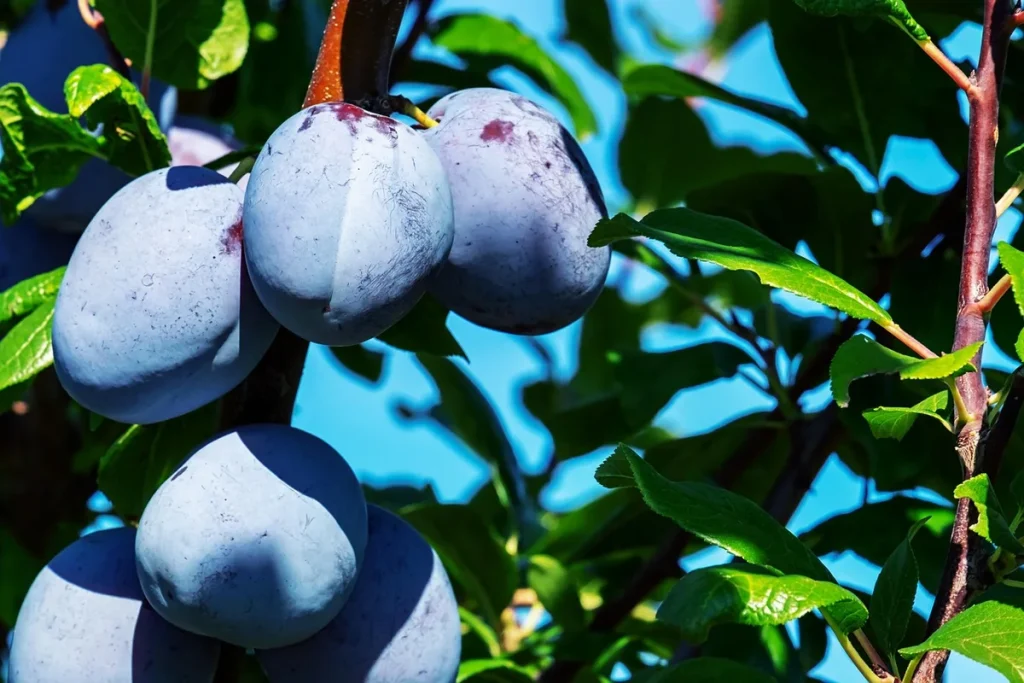
If you've ever planted a plum tree and dreamed of decades of homemade jam, you're probably wondering how long plum trees actually produce fruit before they need replacing. The honest answer? It depends on more than just the variety tag on the nursery stake.
A standard European plum (Prunus domestica) on a vigorous rootstock can keep fruiting for 25 to 40 years when well cared for. A Japanese plum (Prunus salicina) on a dwarfing rootstock might give you peak harvests for 10 to 15 years before yield drops off. The gap between those two numbers comes down to rootstock choice, climate fit, disease pressure, and how seriously you maintain the tree.
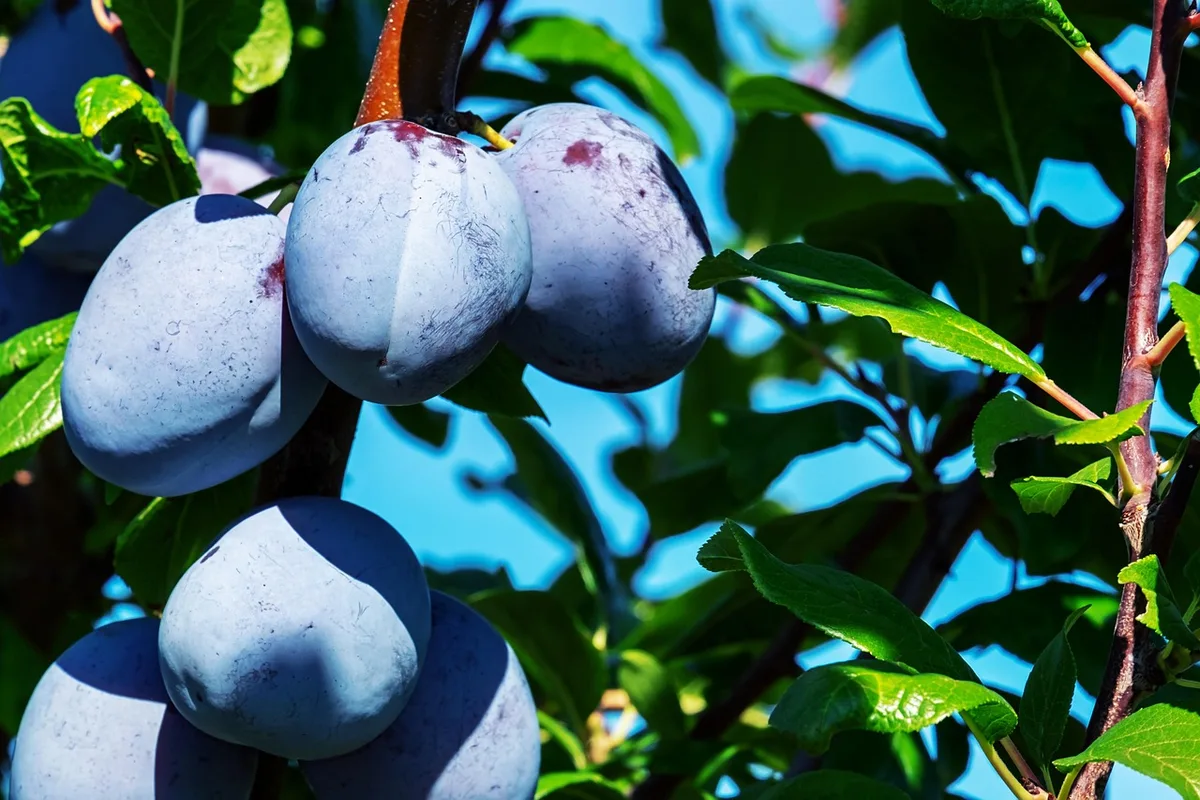
Image source: Pixabay / Couleur (Pixabay Content License)
Quick Answer
Plum trees produce fruit for 15 to 40 years, depending on the species, rootstock, and care. Dwarf trees bear for a shorter span, around 10 to 20 years. Standard and semi-dwarf trees often exceed 25 years of production.
Disease, poor pollination, and neglect are the top reasons trees decline early.
What Determines How Long a Plum Tree Keeps Fruiting?
Think of a plum tree's productive life as a chain. Every link, from rootstock to pruning habits to disease management, needs to hold. Break one and you lose years off the back end.
The biggest factors are:
- Rootstock (the root system your variety is grafted onto)
- Species and variety genetics
- Climate and hardiness zone compatibility
- Pollination setup at planting time
- Ongoing pruning, feeding, and pest management
Get these right and you're looking at a tree that feeds your family for a generation. Get them wrong and you might be replanting in a decade.
Rootstock: The Hidden Lifespan Switch
Most plum trees sold today are grafted, meaning the fruiting variety is attached to a separate root system chosen for vigor, size control, or disease resistance. The rootstock quietly controls how long the tree stays productive.
| Rootstock | Vigor | Typical Fruiting Lifespan | Notes |
|---|---|---|---|
| Myrobalan (Prunus cerasifera) | Very vigorous | 25 to 40+ years | Standard size, long-lived, widely used in Europe |
| St. Julien A | Semi-vigorous | 20 to 30 years | Good balance of size and longevity, UK standard |
| Pixy | Dwarfing | 10 to 18 years | Early fruiting, shorter commercial life |
| Krymsk 1 (VVA1) | Semi-dwarf | 15 to 25 years | Cold-hardy, good for heavier soils |
If longevity is your goal, avoid the most dwarfing rootstocks. They push the tree into early production but sacrifice years at the other end.
A common mistake is choosing a tree at the nursery without checking rootstock. The tag might say "Stanley plum" but won't mention whether it's on Myrobalan or Pixy, and that single detail changes the math entirely.
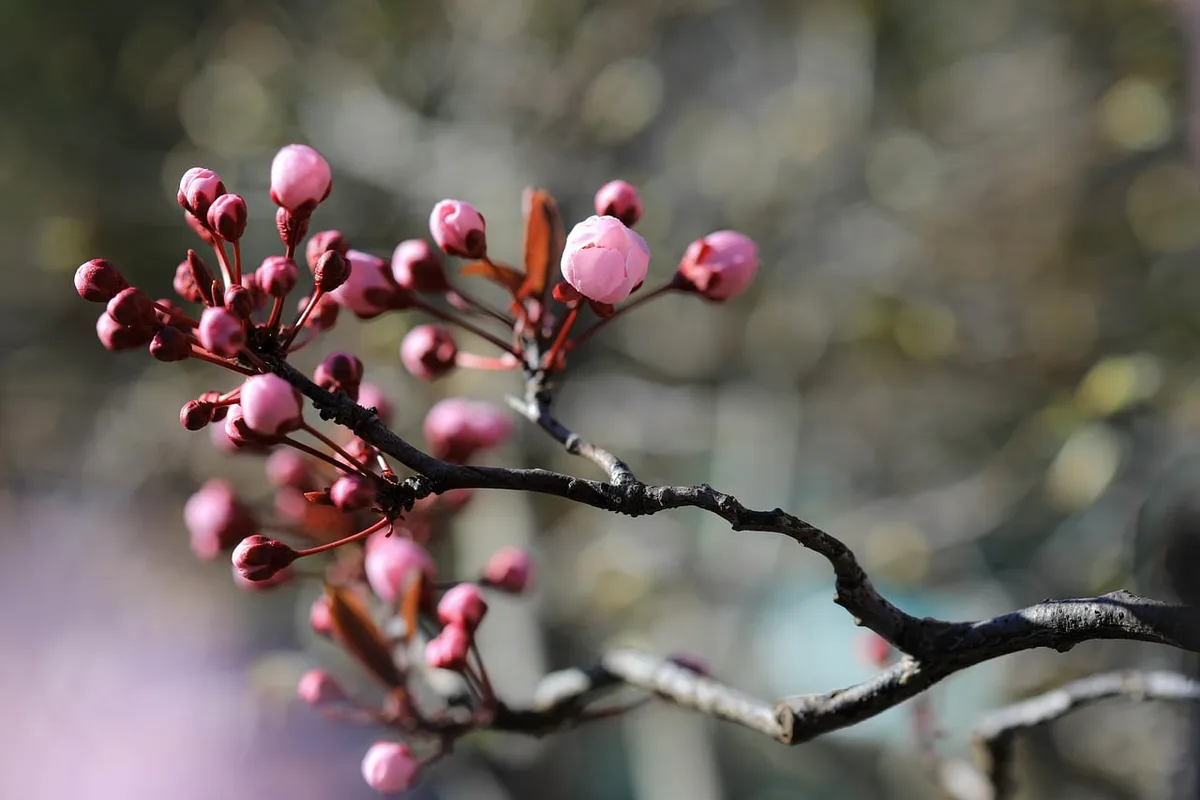
Image source: Pixabay / IlonaBurschl (Pixabay Content License)
Variety Matters More Than You Think
Not all plums are built the same. European plums (Prunus domestica), like 'Stanley', 'Italian Prune', and 'Damson', tend to be the longest-lived fruiters. University extension programs cite productive lifespans of 20 to 35 years for European types on standard rootstocks, with some heirloom orchards reporting 40+ years of useful harvests.
Japanese plums (Prunus salicina), such as 'Santa Rosa', 'Satsuma', and 'Shiro', tend to fruit heavily for a shorter window, often 10 to 20 years. They're more prone to bacterial canker and brown rot, which can cut their productive life short without aggressive management.
American native species like Prunus americana are tough and long-lived in the right conditions but produce smaller fruit and are less commonly planted for food production.
Hybrid plums and pluots vary. Some carry the vigor of their Japanese parent alongside the hardiness of a European or American species. Expect 15 to 25 years of production, but read the specific variety notes from the nursery or extension service.
Climate and Hardiness Zone Fit
A tree stressed by the wrong climate dies young. European plums handle cold well, with many varieties rated for USDA zones 4 through 8. Japanese plums prefer zones 5 through 9 and struggle with late frosts because they bloom early.
If you push a variety outside its comfort zone, you'll see winter dieback of fruiting wood, frost-killed blossoms, and increased disease susceptibility from stress. Match the variety to your zone and microclimate. That single decision protects decades of future harvests.
Your county extension office can recommend proven varieties for your specific area.
Typical Fruiting Lifespan by Plum Type
Here's a practical breakdown based on aggregate university research and grower data as of 2026.
European Plums
European plums are the marathon runners. On a standard rootstock like Myrobalan or St. Julien A, they commonly produce for 25 to 35 years.
Orchard records from Michigan State University and Oregon State University extension documentation show commercial blocks staying in production for 20 to 25 years before replanting economics favor rotation, though individual trees often outlast the block.
Key traits:
- Bloom later, avoiding many frost issues
- Generally more disease-resistant than Japanese types
- Many are partially self-fertile (though they still produce better with a partner)
Japanese Plums
Japanese plums are the sprinters. They come into bearing fast (often by year 3 on dwarf rootstock) and fruit heavily, but their productive window is shorter. Expect 10 to 20 years of solid harvests, with decline starting in years 15 to 20 if disease takes hold.
Key traits:
- Early bloom makes them frost-sensitive
- Higher sugar fruit, excellent fresh eating
- More vulnerable to brown rot (Monilinia fructicola) and bacterial canker (Pseudomonas syringae)
American and Native Plums
Species like Prunus americana and Prunus nigra are built for survival in tough conditions. They can live and fruit for decades in zones 3 through 7, but the fruit is smaller and mainly used for preserves. Field observations suggest 20 to 30+ years of fruiting is realistic with basic care.
Hybrid Plums and Pluots
Pluots (mostly Japanese plum genetics) and other hybrids like 'Alderman' or 'Pipestone' range widely. Expect 15 to 25 years depending on the parentage and rootstock. Check the specific cultivar at your nursery and ask which rootstock it's on.
When Plum Trees Start Bearing — and When They Peak
Understanding the timeline helps you plan. You need to know not just how long plum trees produce fruit, but when the clock starts.
| Tree Age (from planting) | What's Happening |
|---|---|
| Years 1–2 | Tree is establishing roots and structure. No fruit expected. |
| Years 2–4 | Dwarf rootstock trees may produce a light first crop. |
| Years 3–6 | Standard rootstock trees begin bearing. |
| Years 6–10 | Yields increase toward peak production. |
| Years 10–25 | Peak fruiting window for most types. |
| Years 20–30+ | European plums on standard rootstock continue strong. Japanese types may begin declining. |
| Year 30+ | Many Japanese and dwarf trees need evaluation for replacement. European standards can still produce well. |
If you stagger plantings, putting in a new tree every 5 to 7 years, you can maintain a continuous harvest without ever facing a year with nothing to pick.
The Biggest Reasons Plum Trees Stop Producing Early
A plum tree doesn't just wake up one year and quit. Decline is almost always the result of accumulated stress. The good news is that most of these causes are preventable if you know what to watch for.
Disease and Pest Pressure
Disease is the number one productivity killer in plum trees. Brown rot (Monilinia fructicola) attacks blossoms and fruit, and if left unchecked it weakens the tree year after year. Bacterial canker (Pseudomonas syringae) enters through pruning wounds and winter dieback, eventually girdling limbs and killing sections of the canopy.
Plum pox virus (PPV), also known as sharka, is a serious concern in parts of Europe and has been detected in limited areas of North America. Infected trees show ring spots on leaves and fruit, and there is no cure. Quarantine regulations from state departments of agriculture restrict movement of infected material.
Black knot (Apiosporina morbosa) forms hard, black swellings on branches. It spreads through spores released in spring and can kill fruiting wood within a few seasons if not removed.
The pattern is the same with all of these: a tree fighting disease puts energy into survival instead of fruit. Over time, yields drop and the tree enters a downward spiral.
Poor Pollination Setup
Plum trees need compatible pollen from a different variety to set a reliable crop. Japanese plums are almost entirely self-sterile. European plums range from partially self-fertile to fully self-fertile, but even the self-fertile types produce significantly better with a partner nearby.
If you planted a single tree with no compatible variety within about 50 feet, you'll see light or inconsistent fruiting from the start. That's not a lifespan problem, but it feels like one. The tree is alive and healthy.
It just never had the pollen it needed.
Common pollination mistakes:
- Planting two trees of the same variety and expecting cross-pollination
- Relying on a neighbor's tree that blooms at a different time
- Ignoring bloom overlap charts when selecting varieties
Check bloom timing before you buy. Extension services publish compatibility charts for most regions.
Neglected Pruning and Canopy Management
A plum tree that hasn't been pruned in five years is a tree in decline. Dense canopies block sunlight from reaching interior fruiting wood. The tree shifts production to the outer shell, yields drop, and the shaded interior branches eventually die back.
Worse, overcrowded canopies trap humidity. That damp interior is exactly where brown rot and bacterial canker thrive. Neglected pruning doesn't just reduce fruit.
It actively shortens the tree's life.
Annual pruning keeps the canopy open, stimulates new fruiting wood, and removes diseased or damaged limbs before problems spread. It's the single most impactful maintenance task you can do.
Soil, Water, and Nutrition Problems
Plums need well-drained soil with a pH between 5.5 and 6.5. Heavy clay that stays waterlogged will suffocate roots and invite Phytophthora root rot, which can kill a tree in just a few seasons.
Drought stress during fruit development causes small, poor-quality fruit and premature drop. Inconsistent watering also triggers biennial bearing, where the tree alternates between a heavy crop one year and almost nothing the next. That boom-bust cycle exhausts the tree faster than steady, moderate production would.
A basic soil test every two to three years tells you what's missing. Most extension offices offer affordable testing and will give you specific amendment recommendations for your area.
How to Maximize Your Plum Tree's Productive Years
You can't change the variety or rootstock after planting, but everything else is in your hands. The trees that fruit the longest share a few common care practices.
Choosing the Right Rootstock for Longevity
If you're still in the planning stage, this is your biggest lever. For a backyard tree you want to keep for decades, choose a European plum on Myrobalan or St. Julien A rootstock.
You'll wait an extra year or two for the first crop, but you'll gain a decade or more of production at the back end.
For small spaces where a full-size tree won't work, a semi-dwarf on Krymsk 1 gives you a reasonable compromise. Expect 15 to 25 years of fruiting instead of 30+, but the tree will be easier to manage and harvest.
Ask the nursery specifically which rootstock your tree is on. If they can't tell you, that's a red flag.
Annual Pruning for Sustained Yields
Prune every year during dormancy, ideally in late winter before buds swell. The goal is an open vase or center shape that lets light and air reach every part of the canopy.
Focus on:
- Removing dead, diseased, or broken wood first
- Cutting out crossing or rubbing branches
- Thinning crowded areas to maintain openness
- Heading back overly long limbs to encourage lateral fruiting wood
Plums fruit on spurs that develop on wood that's two to five years old. If you remove too much old wood at once, you'll sacrifice a year of production. Spread major renewal pruning over two to three seasons instead of doing it all at once.
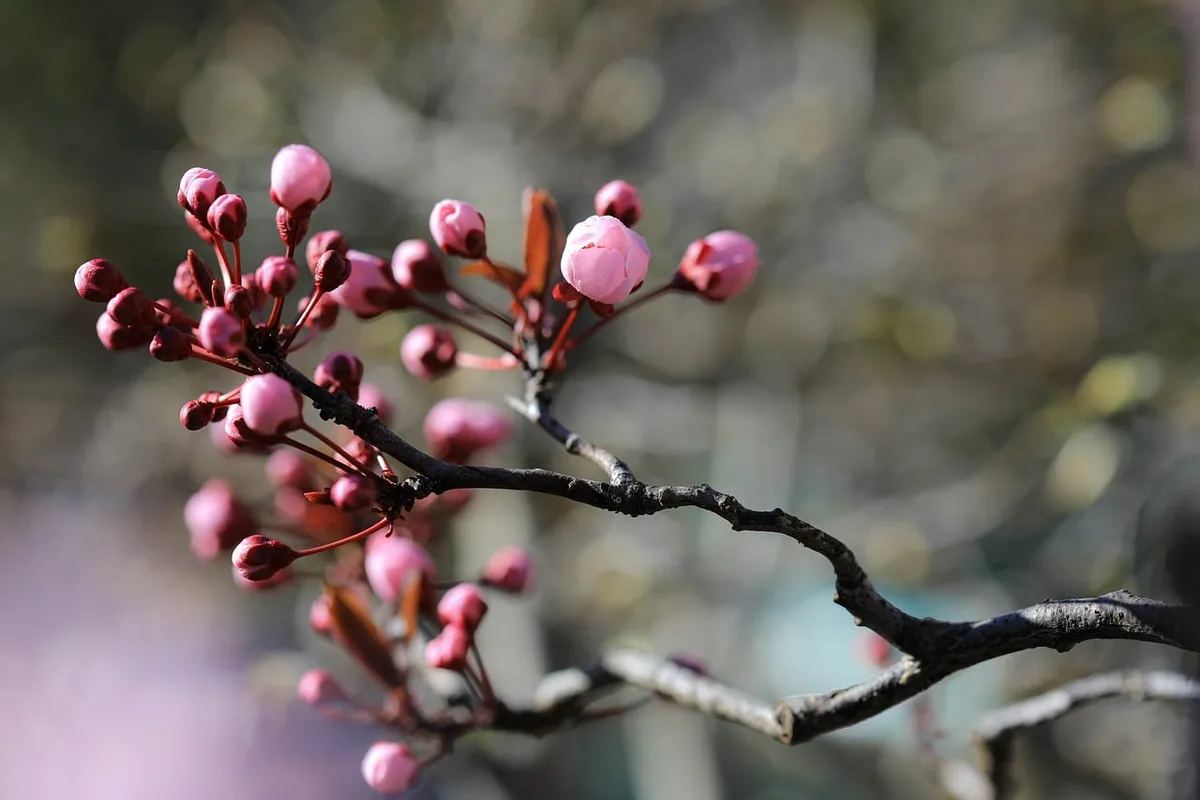
Image source: Pixabay / IlonaBurschl (Pixabay Content License)
Feeding and Soil Management
Plums are moderate feeders. Too much nitrogen pushes leafy growth at the expense of fruit and makes the tree more attractive to aphids and other pests.
In early spring, apply a layer of compost or well-rotted manure around the drip line. If a soil test shows specific deficiencies, address those with targeted amendments. Avoid high-nitrogen fertilizers unless the tree shows clear signs of deficiency, like pale leaves and stunted growth.
Mulch with 2 to 3 inches of organic material to retain moisture and suppress weeds. Keep the mulch a few inches away from the trunk to prevent rot and rodent damage.
Disease Prevention as a Long-Term Strategy
Prevention is far easier than treatment with most plum diseases. A few consistent practices make a big difference:
- Sanitation: Remove and destroy fallen fruit and diseased branches promptly. Don't compost infected material.
- Fungicide timing: If brown rot is common in your area, apply fungicide at bloom and again during fruit development. Follow label directions and local regulations.
- Pruning hygiene: Disinfect pruning tools between trees with a 10% bleach solution or rubbing alcohol, especially if you suspect canker.
- Resistant varieties: When planting new trees, choose varieties with documented disease resistance for your region.
The University of California Integrated Pest Management program and similar state-level resources publish region-specific spray guides and resistance ratings for plum varieties.
Plum Trees vs. Other Fruit Trees — How Their Lifespans Compare
Putting plum trees in context helps set realistic expectations. Here's how they stack up against other common fruit trees.
| Fruit Tree | Typical Productive Lifespan | Peak Production Window | Notes |
|---|---|---|---|
| European plum | 25 to 40+ years | Years 10 to 30 | Longest-lived common plum type |
| Japanese plum | 10 to 20 years | Years 5 to 15 | Heavy early producer, shorter life |
| Apple (standard) | 30 to 50+ years | Years 10 to 40 | Very long-lived on seedling rootstock |
| Pear | 25 to 75+ years | Years 10 to 50 | Among the longest-lived fruit trees |
| Peach | 8 to 15 years | Years 4 to 10 | Shortest lifespan of common fruit trees |
| Cherry (sweet) | 15 to 25 years | Years 8 to 20 | Moderate lifespan, disease-sensitive |
| Fig | 30 to 50+ years | Years 5 to 30 | Very long-lived in warm climates |
Plums sit in the middle of the pack. They outlive peaches and cherries by a wide margin but don't match the multi-decade staying power of apples or pears. If you're choosing a fruit tree for a permanent homestead planting, that context matters.
The trade-off is that plums come into bearing faster than apples and pears. You'll wait 3 to 5 years for a meaningful plum harvest versus 5 to 8 years for many apple varieties on standard rootstock.
Image source: Pixabay / Nennieinszweidrei (Pixabay Content License)
Realistic Expectations: What a 5-, 10-, and 20-Year-Old Plum Tree Looks Like
Knowing what to expect at each stage helps you spot problems early and plan for the future.
Year 5: A young tree on dwarf rootstock is just hitting its stride, producing 10 to 20 pounds of fruit. A standard tree is still ramping up and might give you 15 to 30 pounds. The canopy is filling in and you should be seeing consistent annual crops if pollination is set up right.
Year 10: This is peak territory for most plum types. A healthy standard tree can produce 50 to 100 pounds in a good year. The canopy is mature, fruiting wood is abundant, and the tree has the root system to support heavy crops.
This is also the age where you should start watching for the first signs of disease or structural issues.
Year 20: European plums on standard rootstock are still going strong at this age. Japanese plums and dwarf trees may be showing reduced yields, smaller fruit, or more biennial bearing. This is the stage where you need to decide whether to invest in rejuvenation pruning or start planning a replacement tree.
If your 20-year-old tree is still producing well, you've done something right. Keep up the maintenance and it may have another decade or more of useful production ahead.
When to Replace a Plum Tree — and How to Plan Ahead
Replace a plum tree when annual yields drop below what the space is worth, or when disease has damaged the structure beyond recovery. There's no single age that applies to every situation.
A Japanese plum producing only 10 to 15 pounds per year at age 18 is probably nearing the end. A European plum still giving you 60 pounds at age 30 is worth keeping.
Plan for replacement by planting a new tree two to three years before you expect to remove the old one. This overlap ensures you're not left without fruit during the establishment period. Staggered planting is the smartest long-term strategy for any home orchard.
Common Mistakes That Shorten a Plum Tree's Fruiting Life
The most frequent errors are simple but costly. Planting too deep suffocates the root flare and invites trunk rot. Skipping the soil test means you're guessing at nutrition.
Ignoring the first signs of black knot or canker lets disease establish a permanent foothold.
Choosing an ornamental plum like Prunus cerisifera 'Thundercloud' for fruit production is another common disappointment. These trees are bred for flowers, not fruit. The plums they do produce are small and sparse.
Planting a single self-sterile variety with no pollination partner wastes years of potential production. Always check compatibility before you buy.
Frequently Asked Questions
How long do plum trees produce fruit?
Plum trees produce fruit for 15 to 40 years depending on species, rootstock, and care. European plums on standard rootstock last the longest. Dwarf and Japanese types have shorter productive lifespans.
At what age do plum trees start bearing fruit?
Dwarf plum trees often bear their first crop in 2 to 4 years. Standard trees take 3 to 7 years. Japanese plums tend to come into bearing faster than European varieties.
Do plum trees produce fruit every year?
Healthy plum trees should produce annually, but biennial bearing is common, especially under stress. Consistent watering, pruning, and thinning heavy crops helps maintain yearly production.
What is the lifespan of a plum tree?
A plum tree can live 40 to 60+ years, but its productive fruiting life is shorter. Most trees are considered spent after 20 to 35 years, depending on type and care.
Can an old plum tree be revived?
Sometimes. Rejuvenation pruning over two to three seasons, combined with improved nutrition and disease management, can restore moderate production in a declining tree. If the trunk is structurally compromised or heavily diseased, replacement is usually the better option.
The Bottom Line: Setting Yourself Up for Decades of Harvests
The variety and rootstock you choose at planting day set the ceiling for how long your plum tree will produce. Everything after that is maintenance. Annual pruning, disease prevention, proper pollination, and basic soil care are what keep a tree in its peak window instead of sliding into early decline.
If you're planting a new tree this season, spend the extra time on variety selection and rootstock research. It's the highest-return investment you'll make in your orchard. A well-chosen, well-maintained plum tree isn't a short-term crop.
It's a multi-decade food source that gets better with age.