Growing watermelon in Michigan sounds like a long shot. The state's reputation for cold winters and unpredictable springs makes most people assume melons are out of the question. But with the right variety, timing, and a few season-extension tricks, you can absolutely harvest sweet, ripe watermelons in your own backyard.
The key is working with Michigan's climate instead of against it. Most of the Lower Peninsula sits in USDA Hardiness Zones 5b to 6a, giving you roughly 120 to 140 frost-free days in the south. That's tight for watermelon, but short-season varieties bred for northern gardens can mature in as few as 75 days.
As of 2026, Michigan State University Extension continues to recommend specific cultivars and techniques that make this crop realistic for home growers across much of the state.
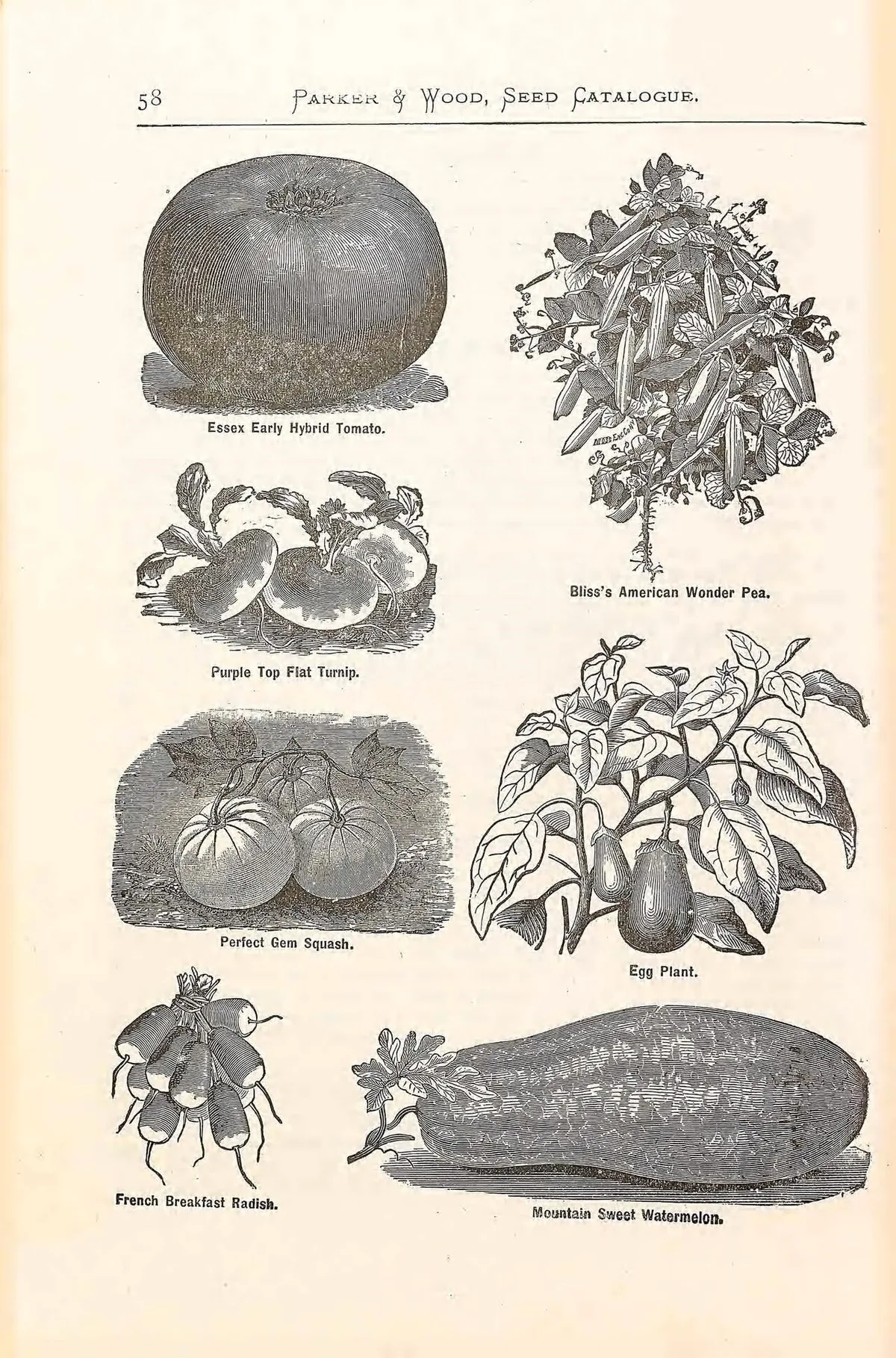
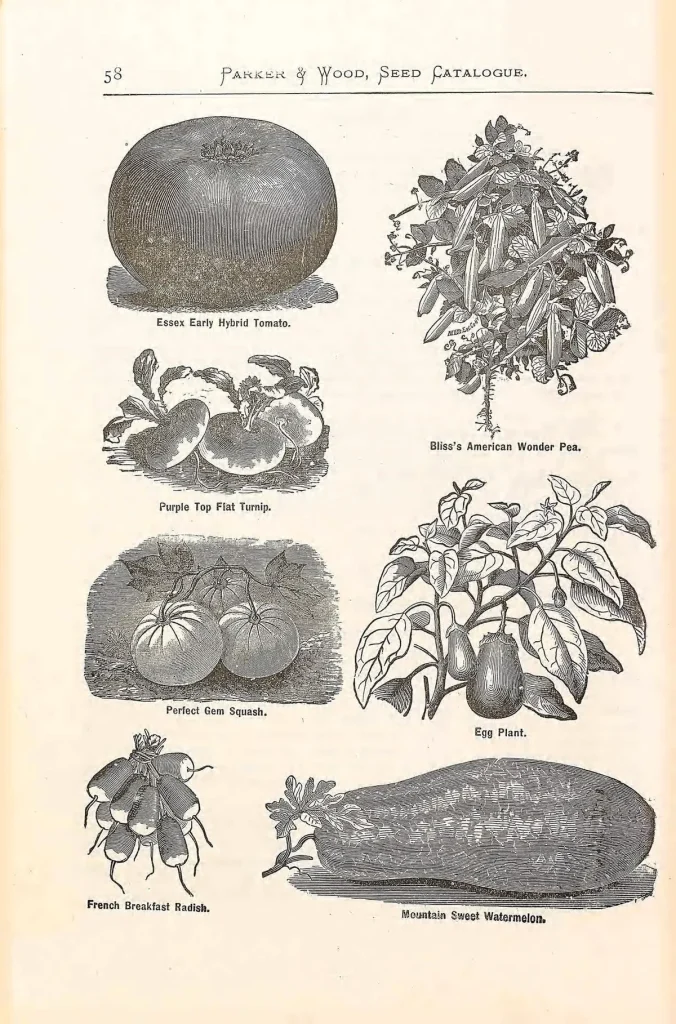
Image source: Wikimedia Commons / Parker & Wood (Firm) (CC BY)
Quick Answer
Yes, you can grow watermelon in Michigan. Choose short-season varieties that mature in 75 to 85 days. Start seeds indoors three to four weeks before your last frost date.
Transplant outdoors after soil temperatures reach at least 70°F. Use black plastic mulch to warm the soil and row covers to protect against late frosts. Southern Michigan gardeners have the best odds, but season extension tools make it possible farther north.
Why Most Michigan Gardeners Struggle With Watermelon
The number one reason watermelon fails in Michigan is simple: the season isn't long enough for standard varieties. A typical watermelon needs 80 to 90 days of warm weather from transplant to harvest. In northern Michigan and the Upper Peninsula, you might only get 100 to 110 frost-free days total, and not all of those are truly warm.
Cool spring soil is the second biggest problem. Watermelon seeds won't germinate well below 70°F, and Michigan soils can stay chilly well into May. If you direct-seed too early, the seeds just sit there and rot.
Gardeners who don't check soil temperature with a probe often plant at the wrong time and blame the variety when the real issue was cold ground.
Late spring frosts catch people off guard too. The average last frost in Grand Rapids falls around May 10, but a surprise dip to 32°F in late May can wipe out tender transplants overnight. Without row covers or some kind of protection, you're gambling with every warm week you gain.
The 3 Things That Make or Break Watermelon in Michigan
Variety selection is everything. You need cultivars bred for short seasons. 'Sugar Baby' matures in about 80 days and produces compact, 8-to-10-pound fruits with sweet red flesh. 'Blacktail Mountain' is even faster at 75 days and handles cooler temperatures better than most.
'Early Moonbeam' hits around 85 days and does well in the Pacific Northwest, which shares a similar climate challenge. Avoid anything over 90 days unless you're growing in a high tunnel.
Soil temperature management separates success from failure. Watermelon roots need warm soil, period. Black plastic mulch laid two to three weeks before planting raises soil temperature by 5 to 10°F compared to bare ground. That difference can mean the difference between a seed that sprouts in six days and one that rots after two weeks.
If you're not using mulch or a season-extension tool, you're starting the season behind.
Timing your transplant date to your specific region matters more than any other single decision. Southern Michigan (Zones 5b to 6a) can typically transplant in mid to late May. Central Michigan (Zones 5a to 5b) should wait until late May or early June. Northern Lower Peninsula and UP growers need to either start transplants indoors early or use a hoop house.
Planting too early into cold soil stunts growth. Planting too late doesn't leave enough days before fall frost.
Best Watermelon Varieties for Michigan's Short Season
Not all watermelons are created equal when you're racing the calendar. Here are the varieties that consistently perform in northern climates.
| Variety | Days to Maturity | Fruit Size | Notes |
|---|---|---|---|
| Blacktail Mountain | 75 | 6–12 lbs | Best cold tolerance; developed in northern Idaho |
| Sugar Baby | 80 | 8–10 lbs | Classic icebox type; reliable and sweet |
| Early Moonbeam | 85 | 8–12 lbs | Yellow flesh; good disease resistance |
| Yellow Doll | 75 | 5–8 lbs | Yellow flesh; compact vine |
| Crimson Sweet | 85 | 20–25 lbs | Larger fruit; needs warm microclimate |
Seedless varieties are trickier. They require a seeded pollinizer plant nearby, and germination rates are lower in cool soil. If you're set on seedless, start those transplants indoors where you can control temperature.
Bush-type varieties like 'Bush Sugar Baby' save space but don't necessarily mature faster. They're useful for small gardens or raised beds where vine spread is limited, but the fruit quality and timeline are similar to the standard version.
When to Plant Watermelon in Michigan (By Region)
Your planting window depends entirely on where you are in the state. Here's a breakdown by region.
| Region | Last Frost Date (Avg) | Transplant Outdoors | Direct Seed (Not Recommended) |
|---|---|---|---|
| Southern MI (Detroit, Kalamazoo) | May 1–10 | May 15–20 | Late May |
| Central MI (Lansing, Grand Rapids) | May 10–20 | May 25–June 1 | Early June |
| Northern Lower MI (Cadillac, Traverse City) | May 20–30 | June 1–10 | Mid-June |
| Upper Peninsula | June 1–15 | June 10–20 (with protection) | Not practical |
Start seeds indoors three to four weeks before your target transplant date. Use peat pots or soil cubes to minimize root disturbance. Watermelon roots don't like being disturbed, so avoid traditional plastic cell trays if you can.
If you're in the Upper Peninsula or a cold pocket in northern Michigan, a high tunnel or hoop house isn't optional. It's the only way to reliably get watermelon to maturity before fall frost hits in late September. Even a simple low tunnel with row cover can buy you two to three extra weeks on both ends of the season.
For gardeners managing other warm-season crops alongside watermelon, understanding soil preparation and timing carries over directly. The same principles that help with Bermuda grass in Missouri or planting Bermuda grass in Arizona apply here: know your frost dates, warm your soil, and don't rush the calendar.
How to Prepare Your Soil for Watermelon Success
Watermelons are heavy feeders that demand well-drained, fertile soil. Michigan's native soils range from sandy loam in the west to heavy clay in central areas. Both need amendment.
Start with a soil test through Michigan State University's soil testing lab. Aim for a pH between 6.0 and 6.8. Watermelons struggle in acidic soil, and much of Michigan trends slightly acidic.
Lime application in the fall before planting gives pH time to adjust.
Work in two to three inches of compost or well-rotted manure before planting. This improves drainage in clay soils and water retention in sandy ones. Add a balanced fertilizer (10-10-10) at the rate recommended on the bag, but don't overdo nitrogen.
Too much nitrogen gives you giant vines and no fruit.
Lay black plastic mulch at least two weeks before transplanting. This pre-warms the soil and suppresses weeds. Cut X-shaped slits for transplants and anchor the edges with soil or landscape staples.
If you prefer an organic approach, straw mulch works for weed control but won't warm the soil the way plastic does.
Raised beds are a strong option in Michigan. They drain better and warm up faster than in-ground rows. A raised bed filled with a mix of topsoil and compost can give you a 5 to 7 degree head start on soil temperature in spring.
That's a big deal when you're working with a 75-day variety and a 120-day season.
Step-by-Step: Growing Watermelon in Michigan From Seed to Harvest
Once your soil is prepped and your transplants are hardened off, the real work begins. Here's the process from setting plants in the ground to picking ripe melon.
Step 1: Transplant after soil hits 70°F. Use a soil thermometer two inches deep. If it reads below 70°F in the morning, wait. Cold soil shocks roots and sets plants back more than waiting an extra week ever would.
Step 2: Space plants properly. Set transplants 3 to 4 feet apart in rows 6 to 8 feet apart. Vining varieties need room to sprawl. If you're using a trellis, you can tighten spacing to 2 feet, but you'll need to support developing fruit with slings made from old t-shirts or mesh bags.
Step 3: Water deeply but infrequently. Give plants 1 to 2 inches of water per week, applied at the base. Overhead watering promotes fungal disease. Once fruits are the size of a tennis ball, reduce watering slightly.
This concentrates sugars and improves flavor.
Step 4: Side-dress with fertilizer when vines start to run. Use a balanced fertilizer or one slightly higher in phosphorus. Too much nitrogen at this stage pushes leaf growth at the expense of fruit.
Step 5: Monitor for pollinators. Watermelon plants produce separate male and female flowers. Bees do the heavy lifting, but cool, rainy weather keeps them grounded. If you notice fruit setting but then shriveling, poor pollination is likely the cause.
Hand pollination with a small paintbrush can save the crop.
Step 6: Limit fruit per vine for better quality. For varieties producing melons under 12 pounds, leave 3 to 4 fruits per vine. For larger types, 2 is plenty. The plant can only pump so much sugar into so many fruits.
Thinning early means bigger, sweeter melons at harvest.
Season Extension Tricks That Actually Work in Michigan
If you're anywhere north of Lansing, season extension isn't a nice-to-have. It's the difference between ripe melon and green mush when frost hits.
Black plastic mulch is the single most effective tool for in-ground planting. It warms soil, conserves moisture, and blocks weeds. Lay it early so the ground has time to heat up before transplanting.
Floating row cover adds 4 to 8 degrees of frost protection and blocks cucumber beetles early in the season. Drape it over hoops directly on the plants during cold snaps. Remove it once flowers open so bees can pollinate, unless pest pressure is severe.
Low tunnels are the next step up. Bend half-inch EMT conduit into hoops over your row and cover with greenhouse plastic or row cover. These trap heat during the day and release it at night, effectively moving your growing zone one full USDA zone warmer.
High tunnels and hoop houses are the gold standard for northern Michigan and UP growers. An unheated high tunnel can extend your season by four to six weeks on each end. That turns a 110-day season into a 150-day season, which opens up mid-season varieties that would never mature outdoors.
For gardeners already managing season-extension setups for other crops, the infrastructure carries over. The same principles that help with Bermuda grass in Pennsylvania or planting Bermuda grass in Arizona apply: know your microclimate, protect against temperature swings, and don't assume the calendar tells the whole story.
Common Mistakes That Kill Michigan Watermelon Crops
Even experienced gardeners blow it with watermelon. These are the errors that show up most often in Michigan.
Planting too early. The urge to get a head start is strong, but putting transplants out before the soil is warm enough stunts them permanently. A plant stressed by cold soil in week one never fully recovers, even when summer finally arrives.
Choosing the wrong variety. Planting a 95-day 'Crimson Sweet' in Traverse City is setting yourself up for disappointment. Stick to 75 to 85 day varieties unless you're growing under cover.
Overwatering during fruit ripening. Once melons are full-size, cut back on water. Excess moisture dilutes sugar content and can cause fruits to split. The last two weeks before harvest should be on the dry side.
Ignoring pollination. If you see tiny fruits that yellow and drop off, bees aren't doing their job. Plant flowers like zinnias or cosmos nearby to attract pollinators. In a pinch, hand pollinate in the morning when flowers are open.
Skipping crop rotation. Planting watermelons where cucurbits grew in the last two years invites fusarium wilt and anthracnose. Rotate to a new spot annually. This is one of the simplest things you can do to prevent disease, and it's the one most people forget.
Letting weeds compete. Watermelon vines don't shade out weeds the way corn or potatoes do. Keep the area under and around vines weed-free, especially in the first month. Mulch handles most of this, but hand-pull anything that pops through.
How to Tell When Your Watermelon Is Ready to Pick
This is where patience pays off. A watermelon doesn't ripen further once it's picked, so timing the harvest right matters.
Check the tendril closest to the fruit. When the curly tendril attached to the stem near the melon turns brown and dry, the fruit is likely ripe. If it's still green, give it more time.
Look at the ground spot. The underside of the melon where it rests on the soil should be creamy yellow or orange-yellow. A white or pale green ground spot means it's not ready.
Give it a thump. A ripe watermelon produces a deep, hollow sound when you flick it. An unripe one sounds tight and high-pitched. This takes practice, so combine it with the tendril and ground spot checks.
Check the skin. Ripe melons lose their glossy sheen and turn slightly dull. The surface should feel firm with no soft spots.
Don't harvest too early out of excitement. A picked-too-soon watermelon is watery and bland. Wait for all three indicators to line up before you cut it from the vine.
Troubleshooting Pollination, Pests, and Poor Fruit Set
Even with perfect timing and variety selection, things can go sideways. Here's what to watch for and how to respond.
Poor Pollination
If female flowers are blooming but fruit isn't setting, pollinators are the issue. Cool, wet, or windy weather keeps bees inactive. Hand pollination is straightforward: pick a male flower, peel back the petals, and dab the pollen-covered anther onto the stigma inside a female flower.
Do this in the morning when flowers are open. One male flower can pollinate two to three female flowers.
Cucumber Beetles
These striped or spotted beetles chew on leaves and spread bacterial wilt. Row covers early in the season keep them off. Once flowers open, you'll need to remove covers for pollination.
At that point, hand-pick beetles or use kaolin clay spray as a physical barrier. Avoid broad-spectrum insecticides that kill bees along with pests.
Powdery Mildew
White, powdery patches on leaves signal this fungal problem. It thrives in humid conditions with poor air circulation. Space plants properly, water at the base, and remove affected leaves early.
Neem oil or potassium bicarbonate sprays can slow the spread if caught early.
Fusarium Wilt
Plants wilt suddenly and don't recover, even with adequate water. This soil-borne fungus builds up when cucurbits are planted in the same spot repeatedly. Crop rotation is the only reliable prevention.
Resistant varieties help but aren't foolproof.
Fruit Cracking
Sudden heavy rain or inconsistent watering causes melons to split. Keep moisture levels steady throughout the growing season. Mulch helps regulate soil moisture and reduces the shock of a dry spell followed by a downpour.
For growers dealing with soil-borne issues across multiple crops, the same rotation and soil health principles apply. Managing fungus in Bermuda grass or addressing weeds that grow in Bermuda grass both start with understanding what's living in your soil and planning around it.
Expert Tips From Michigan Extension Specialists
Michigan State University Extension has tested watermelon production across the state for years. Their recommendations boil down to a few practical points that home gardeners often overlook.
Start with a soil test every two to three years. Michigan soils vary block by block, and guessing at pH or nutrient levels wastes time and money. The MSU soil lab costs around $25 and gives you exact amendment rates.
Use transplants instead of direct seeding wherever possible. A three-week head start indoors is worth more than almost any other single decision you'll make. Just handle roots gently at transplant time.
Mulch with black plastic and drip irrigation if you can. This combination delivers warm soil, consistent moisture, and fewer foliar diseases. It's the standard for commercial production in Michigan, and it works just as well in a backyard plot.
Frequently Asked Questions About Growing Watermelon in Michigan
Can you grow watermelon in Michigan without a greenhouse?
Yes, in southern and central Michigan. Use short-season varieties, black plastic mulch, and row covers. In the Upper Peninsula, a high tunnel or hoop house is strongly recommended for reliable results.
What is the best watermelon variety for Michigan?
'Blacktail Mountain' at 75 days is the top pick for cold tolerance. 'Sugar Baby' at 80 days is the most reliable all-around performer. Both handle Michigan's short season and produce sweet, full-sized fruit.
When should I plant watermelon seeds indoors in Michigan?
Start seeds three to four weeks before your target transplant date. For southern Michigan, that's mid to late April. For central Michigan, late April to early May.
For northern areas, early to mid-May.
How much sun does watermelon need in Michigan?
Full sun, at least 6 to 8 hours daily. More is better. Watermelons grown in partial shade produce fewer and less sweet fruits.
Choose the sunniest spot in your garden.
Why are my watermelon flowers not producing fruit?
Poor pollination is the most likely cause. Cool, wet, or windy weather keeps bees away. Hand pollinate in the morning using a small brush, and plant pollinator-friendly flowers nearby to attract bees throughout the season.
How do I know when to stop watering before harvest?
Reduce watering when fruits reach full size, about two weeks before you expect to pick. This concentrates sugars and improves flavor. Cutting back too early stresses the plant, so time it to the final ripening stage.
Final Verdict: Should You Grow Watermelon in Michigan?
If you're in southern or central Michigan, absolutely. Pick a short-season variety, warm your soil with black plastic mulch, and time your transplant to your frost dates. You'll be cutting into a ripe melon by mid-August.
Northern Michigan and UP growers face a steeper challenge, but it's far from impossible. A high tunnel or hoop house changes the equation entirely. Even a simple low tunnel with row cover can buy enough time for 75-day varieties to mature.
The biggest mistake is trying to grow watermelon the same way someone in Georgia does. Michigan demands a different approach: faster varieties, warmer soil, and respect for the calendar. Get those three things right, and you'll wonder why you ever thought it couldn't work here.