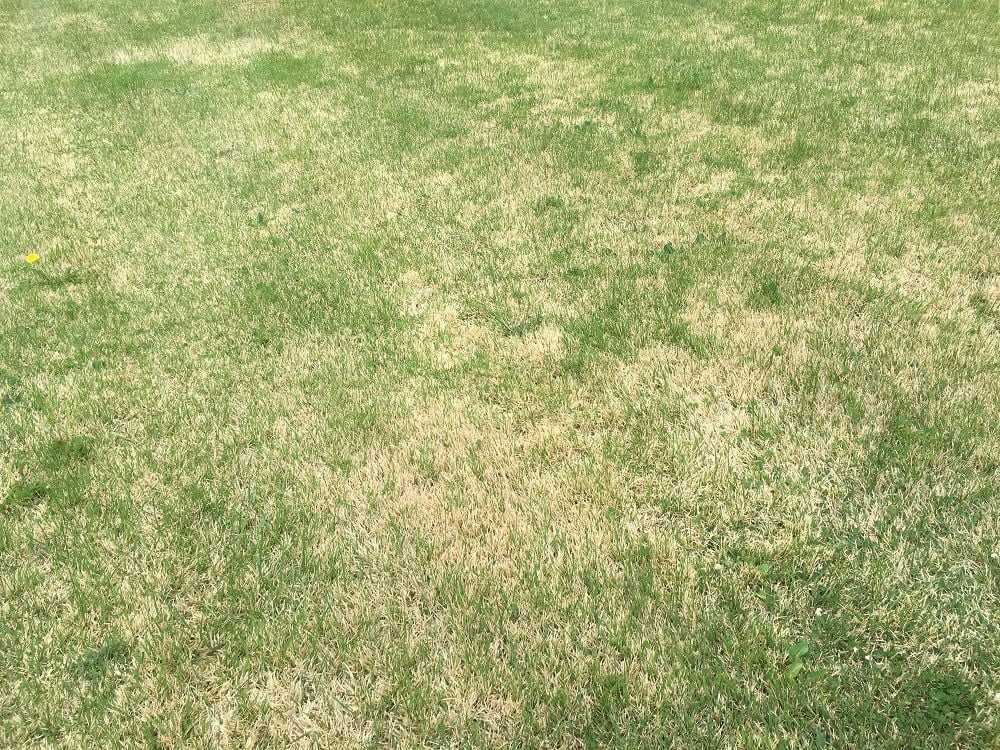
If your Zoysia grass refuses to turn green, don’t worry—you’re not alone. Often, grass doesn’t green up because of issues like improper watering, poor soil conditions, or nutrient deficiencies. The quick solution is to assess your watering habits, ensure your soil is healthy, and apply the right fertilizer. With a little troubleshooting, your lawn can regain its lush, green appearance.
Your Zoysia grass not turning green can be frustrating, especially when you’ve invested time and care into your lawn. Several factors could be behind this issue, such as insufficient nutrients, improper watering, or stress from extreme weather. Understanding the root cause is key to restoring your lawn’s vibrant color. In this article, we’ll explore common reasons why Zoysia grass remains dull, and simple steps you can take to encourage a healthy, green yard. Whether it’s adjusting your lawn care routine or improving soil health, there are effective solutions to bring back that beautiful, lush look you desire.

My Zoysia Grass Is Not Turning Green: Understanding and Fixing the Problem
Common Reasons Why Zoysia Grass Fails to Turn Green
If your Zoysia grass remains dull or brownish instead of vibrant green, several factors could be at play. Understanding these causes helps you identify the right solutions. Often, environmental conditions, soil health, watering habits, and pests influence grass color.
One common reason is insufficient nutrients in the soil. Zoysia needs proper fertilization to produce chlorophyll, the green pigment. Without enough nutrients, the grass may stay brown or yellowish.
Another factor is improper watering. Both overwatering and underwatering can stress the grass and hinder its ability to turn green. Consistent moisture levels are essential for healthy Zoysia.
Temperature extremes can also affect grass color. Zoysia thrives in warm climates, and cold stress during winter can cause it to turn brown or stay dormant. Similarly, prolonged heat without adequate water can lead to browning.
Pest infestations and lawn diseases may cause patches of grass to lose color, making the entire lawn appear less vibrant. Identifying pests or diseases early can help prevent lasting damage.
Signs That Indicate Nutrient Deficiency in Zoysia Grass
Nutrient deficiencies are a common cause of grass not turning green. Watch for specific signs that point to lacking key nutrients.
- Yellowing or Pale Shades: Often linked to nitrogen deficiency, which is vital for chlorophyll production.
- Dark Green Patches: May indicate excess nitrogen but can also suggest deficiencies of other nutrients like iron.
- Thin, Sparse Growth: Can happen when potassium is low, weakening grass resilience.
Performing a soil test can reveal specific nutrient shortages. This simple step helps you choose the correct fertilizer type and amount for your lawn.
How Watering Habits Affect Grass Color
Proper watering is crucial for Zoysia. Both overwatering and underwatering can cause browning and prevent the grass from turning green.
Overwatering
Too much water can suffocate roots and promote fungal diseases. It may lead to a yellowish or brownish lawn that struggles to regain its color.
Underwatering
Insufficient water causes stress, and grass may turn brown or dormant. Lack of moisture inhibits chlorophyll production, making grass appear less vibrant.
To maintain an ideal moisture level, water deeply once or twice a week, depending on weather. Use a rain gauge to track rainfall and prevent overwatering.
The Impact of Seasonal Changes on Zoysia Grass Color
Seasons play a significant role in grass coloration. Zoysia goes through dormancy, especially during cooler months, which causes it to turn brown.
During winter, cooler temperatures naturally slow down growth and reduce chlorophyll synthesis. Understanding this cycle helps you avoid unnecessary concern during dormancy periods.
In early spring, as temperatures rise, the grass begins to green up naturally. Proper care during this transition supports quicker recovery.
Additionally, summer heat may cause initial browning, but with sufficient watering and fertilization, grass should turn green again in the growing season.
Managing Soil Health for a Vibrant Green Lawn
Healthy soil is the foundation of vibrant grass. Ensuring it has the right pH and nutrient levels encourages lush, green Zoysia.
Soil Testing and Amendments
A soil test reveals pH levels and nutrient content. Zoysia prefers a pH between 6.0 and 6.5 for optimal growth.
If the soil is too acidic or alkaline, adding lime or sulfur can adjust the pH to suitable levels.
Organic Matter and Aeration
Adding organic matter like compost improves soil structure and nutrient availability. Aerating the lawn relieves soil compaction, allowing roots to breathe and access nutrients.
Fertilization Schedule
Apply a balanced fertilizer formulated for Zoysia in early spring and summer. Follow recommended rates to prevent overfeeding, which can lead to problems like thatch buildup.
Pest and Disease Control for a Green Lawn
Pests and diseases can cause patches of brown or dead grass, detracting from overall greenness. Early detection and treatment are essential for recovery.
Common Pests
- Chinch Bugs: Suck sap from grass, causing yellowing and browning patches.
- Grubs: Attack roots underground, leading to dead patches.
- Mole Crickets: Damage grass roots, resulting in thinning and browning.
Common Diseases
- Brown Patch: Fungal disease causing circular brown spots.
- Gray Leaf Spot: Presents as grayish spots with yellow margins.
- Dollar Spot: Small, sunken, straw-colored patches.
Implementing integrated pest management, including proper watering, mowing, and fertilization, can prevent many issues. Use appropriate fungicides or insecticides only when necessary.
Maintaining good lawn hygiene and removing debris helps reduce disease spread and pest habitats.
Tips for Reviving a Dull or Brown Zoysia Lawn
- Reseed or overseed damaged areas to promote quick recovery.
- Avoid mowing too short, which stresses the grass and exposes soil.
- Ensure consistent watering, especially during dry spells.
- Apply a nitrogen-rich fertilizer to stimulate green growth.
- Address soil deficiencies based on test results.
- Manage pests promptly with targeted treatments.
- Maintain proper mowing height, typically around 1.5 to 2 inches.
Patience is key. It may take several weeks of proper care for your Zoysia grass to regain its lush green color.
Related Topics
- Zoysia Grass Maintenance Tips: Regular mowing, aeration, and fertilization strategies.
- Best Fertilizers for Zoysia: Types, application timings, and quantities.
- Watering Techniques for Zoysia: How to establish ideal watering routines.
- Identifying and Treating Common Lawn Pests: Prevention and control methods.
- Soil Preparation for Zoysia Grass: Steps to create optimal soil conditions.
Addressing the issue of “my Zoysia grass is not turning green” requires a comprehensive approach that considers environmental factors, soil health, watering, nutrition, pests, and seasonal changes. With consistent care and attention to these aspects, your lawn can become a beautiful, green oasis again. Remember, patience and proper management make all the difference in restoring your Zoysia’s vibrant color and health.
How to Improve Your Zoysia Grass | How to Fix a Crappy, Thin, and Brown Zoysia Lawn!!
Frequently Asked Questions
What nutrients might my Zoysia grass be lacking if it doesn’t turn green?
If your Zoysia grass remains dull or brownish, it may be deficient in essential nutrients like nitrogen, iron, or magnesium. Applying a balanced fertilizer rich in nitrogen can promote healthy green growth. Additionally, iron supplements can help correct iron chlorosis, which causes yellowing leaves. Regular soil testing helps identify specific deficiencies and guides appropriate fertilization strategies.
Could overwatering or underwatering affect the grass’s color?
Yes, both overwatering and underwatering can stress your Zoysia grass, leading to a yellow or brown appearance. Overwatering can suffocate roots, reducing nutrient uptake, while underwatering causes dehydration and limits chlorophyll production. Maintain a consistent watering schedule, ensuring the grass receives adequate moisture without waterlogging the soil.
How do soil conditions impact the greening process of my Zoysia grass?
Soil that is too compacted, poorly drained, or has a low pH can hinder root growth and nutrient absorption, preventing your grass from turning green. Aerating the soil, improving drainage, and adjusting pH levels with lime or sulfur can create a healthier environment for your Zoysia grass to thrive and regain its vibrant color.
Can pests or diseases cause my Zoysia grass to stay brown or yellow?
Yes, certain pests like grubs or chinch bugs, as well as fungal diseases such as brown patch, can damage grass roots or leaves, leading to discoloration. Inspect your lawn regularly for signs of pest activity or disease. Use appropriate treatments or consult a lawn care professional to address these issues effectively and promote healthy green growth.
Is shady or uneven sunlight exposure a factor in my Zoysia grass not turning green?
Yes, inadequate sunlight can slow down photosynthesis, resulting in less chlorophyll production and a less vibrant green color. If your lawn has shaded areas, consider trimming nearby trees or shrubs to allow more light to reach the grass. Ensuring even sunlight exposure encourages healthier, greener growth across your lawn.
Final Thoughts
My zoysia grass is not turning green, which can be caused by improper watering, poor soil conditions, or insufficient nutrients. Ensuring regular watering and proper fertilization helps promote healthy growth. Test your soil and amend it if necessary to provide the ideal environment. Addressing these issues will encourage your grass to regain its vibrant color and vitality.