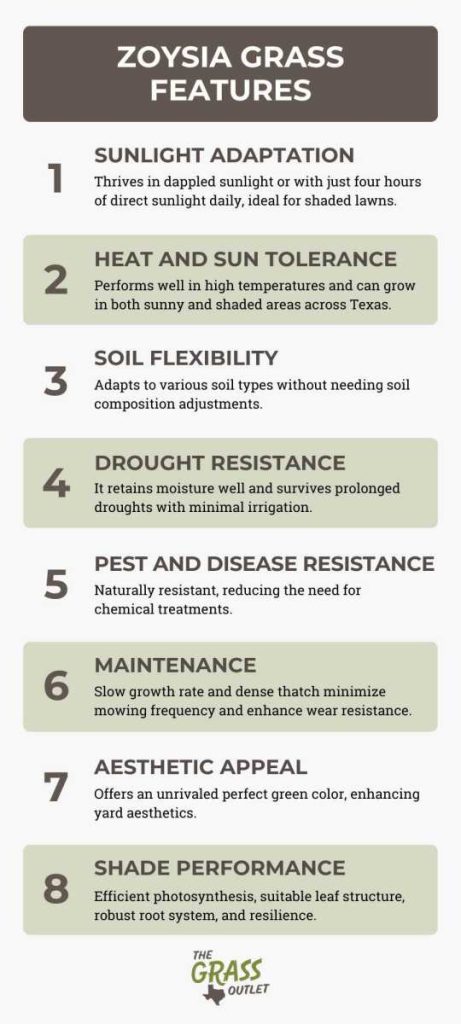
The best zoysia grass for shade is Zeon Zoysia, renowned for its excellent tolerance to low-light conditions. If you’re dealing with a shaded yard and want a lush, green lawn, Zeon Zoysia is your top choice because it stays green and healthy even in less than ideal sunlight. Other varieties may struggle and turn brown, but Zeon Zoysia thrives in these challenging conditions.
For homeowners seeking a resilient, shade-loving grass, selecting the right zoysia variety can make all the difference. Shade can be a tough obstacle for many grasses, but some types of Zoysia are specially bred to handle it. To achieve a vibrant, dense lawn in shaded areas, you’ll need a variety that can adapt to lower light levels without sacrificing its lush appearance. This article will explore which Zoysia grass varieties perform best in shaded environments, helping you make an informed choice for your yard’s unique conditions.

Which Zoysia Grass Is Best for Shade
Understanding the Shade Tolerance of Zoysia Grass
Zoysia grass is known for its dense, lush appearance and adaptability to various climates. However, not all Zoysia varieties perform well in shaded areas. Shade tolerance is a key factor when choosing the right type for your yard. Shade-tolerant Zoysia grasses can grow beneath trees or in areas with limited sunlight.
Popular Zoysia Grass Varieties and Their Shade Resistance
- Zoysia japonica – Known for high shade tolerance, especially the Empire and Meyer varieties. These are good choices for shaded zones.
- Zoysia matrella – Slightly less shade tolerant but still suitable for semi-shaded areas. Variants like Zeon and Diamond perform decently in partial shade.
- Zoysia tenuifolia – Very fine texture but less shade resistant, typically suited for full sun.
Understanding these differences helps you match your yard’s sunlight conditions with the grass’s needs.
Key Features of the Best Shade-Tolerant Zoysia Grass
Shade Tolerance
Look for grasses that stay green and healthy in low-light conditions. A good shade-tolerant Zoysia maintains its density and color even with minimal sun exposure.
Drought Resistance
Most Zoysia grasses are drought tolerant, which is helpful if shaded areas receive less water evaporation due to limited sunlight. This feature helps keep the lawn green with less maintenance.
Growth Rate and Density
Fast-growing, dense Zoysia varieties help outcompete weeds in shaded zones. Dense grass also provides better shade coverage, creating a more uniform look.
Factors to Consider When Choosing Zoysia for Shade
- Sunlight Exposure – Measure the amount of shade your yard gets daily.
- Climate Compatibility – Choose a grass type suited to your local climate conditions.
- Soil Conditions – Ensure soil is well-draining and fertile for optimal growth.
- Maintenance Needs – Select a variety that matches your ability to care for it regularly.
Top Zoysia Grass Varieties Recommended for Shade
| Variety | Shade Tolerance Level | Additional Features | Ideal For |
|---|---|---|---|
| Empire | High | Dark green color, dense growth | Heavily shaded lawns |
| Meyer | Moderate to High | Fast establishment, wear-resistant | Moderately shaded areas |
| Zeon | Moderate | Fine texture, good shade coverage | Semi-shaded lawns |
| Diamond | Moderate | Good drought tolerance, fine leaf | Partially shaded yards |
Managing Shade-Sensitive Conditions for Zoysia Grass
While some Zoysia grasses tolerate shade, full shade can still pose challenges. Supplementing with reflective surfaces or trimming overhanging branches can improve sunlight penetration. Proper fertilization and aeration also support healthy growth in shaded zones.
Case Study: Best Practices for Growing Zoysia in Shaded Areas
A homeowner with a front yard shaded by tall trees chose Empire Zoysia. They ensured the soil was well-drained and applied minimal fertilizers. Regular trimming of fallen leaves maximized sunlight exposure, resulting in a healthy, dense lawn.
Over time, the grass adapted well, maintaining its green color and density despite limited sun. This illustrates how choosing the right variety and proper maintenance can make shaded lawns thrive.
Additional Tips for Achieving a Lush Lawn in Shade
- Regularly remove debris and fallen leaves to improve light access.
- Avoid overwatering, as shaded areas retain more moisture.
- Use shade-tolerant fertilizers to prevent nutrient deficiency.
- Consider overseeding if patches of the lawn become sparse.
Related Topics: Enhancing Your Shaded Lawn
- Best Trees for Shaded Lawns
- Soil Preparation Tips for Shaded Areas
- Choosing the Right Fertilizer for Shade-Tolerant Grass
- Watering Schedules for Shaded Lawns
Summary
Choosing the right Zoysia grass for shade involves understanding its shade tolerance and environmental needs. Varieties like Empire, Meyer, Zeon, and Diamond stand out for their ability to grow well in less sunny spots. Proper site assessment, soil management, and maintenance can help shaded lawns stay healthy and green.
Choosing the right Zoysia Grass for your Home
Frequently Asked Questions
What are the characteristics of zoysia grass varieties suitable for shaded areas?
Zoysia grass varieties suitable for shaded areas typically have dense foliage that tolerates low light conditions while maintaining a fine texture. These grasses often have a slower growth rate and can survive with less sunlight, making them ideal for spots with limited sun exposure. They also tend to be durable and resistant to common lawn pests and diseases, ensuring they stay healthy even in less ideal lighting.
Which zoysia grass type requires less sun to thrive?
Masaki zoysia is a popular choice for shaded lawns because it adapts well to spots with limited sunlight. This variety can endure 3 to 4 hours of sunlight daily without significant decline in health. It remains lush and green in less-than-ideal light conditions, making it suitable for shaded backyards or areas beneath large trees.
What maintenance considerations should I keep in mind for shaded zoysia lawns?
Maintaining shaded zoysia lawns involves ensuring proper watering and avoiding excessive fertilization, which can lead to disease. Mowing should be done at a slightly taller height to promote healthy growth and shade tolerance. Additionally, removing nearby tree branches can help improve air circulation and allow more light to reach the grass, supporting its overall health in shaded environments.
Can I plant zoysia grass in heavily shaded areas with little sun?
While some zoysia varieties tolerate partial shade, fully shaded areas with minimal sunlight may not support optimal growth of zoysia grass. For heavily shaded zones, consider alternative grasses like certain fescues that are better adapted to low-light conditions. If you still want to plant zoysia in such areas, choose cultivars known for shade tolerance and manage expectations for their growth and appearance.
Final Thoughts
Some zoysia grasses thrive better in shaded areas, providing lush lawns even with limited sunlight. Compact varieties like Zeon zoysia or Manila grass often perform well under trees and shaded spots. Choosing the right type ensures your lawn remains green and healthy in low-light conditions.
In conclusion, which zoysia grass is best for shade depends on your specific needs and climate. Both Zeon zoysia and Manila grass are excellent options for shaded lawns, offering durability and aesthetic appeal. Select the variety that matches your shade level for optimal results.