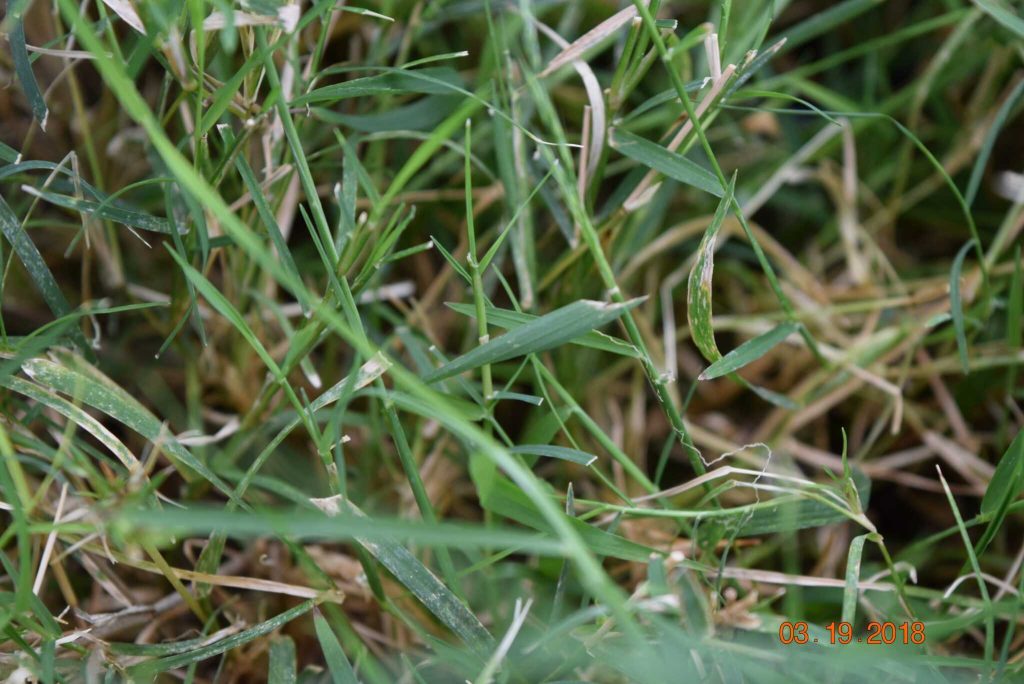
Yes, Bermuda grass can be considered a weed, especially when it invades lawns or gardens where it’s not wanted. It’s a hardy, fast-spreading grass that can be difficult to control once established. If you’re wondering whether Bermuda grass is a weed, the answer depends on your landscape goals. In some cases, it’s a desirable turf, but in others, it’s an invasive nuisance.
Bermuda grass is often mistaken for a weed because of its aggressive growth pattern, but whether it’s classified as one depends on your specific situation. It can be a problem in lawns or flower beds, where its invasive nature takes over. Understanding its characteristics helps you decide if it’s a weed in your yard and how to manage it effectively.
Bermuda grass is a resilient, fast-spreading grass that can become a weed if it encroaches on areas where it’s not wanted. It’s important to identify its growth habits early to control its spread and maintain a healthy, balanced landscape.

Is Bermuda Grass Weed? Understanding the Truth About Bermuda Grass
Many people wonder whether Bermuda grass is a weed or a desirable lawn grass. It often appears in yards, sports fields, and golf courses, leading to questions about its nature. To clear things up, it’s important to understand what Bermuda grass is and how it behaves in different settings.
What Is Bermuda Grass?
Bermuda grass, scientifically known as Cynodon dactylon, is a warm-season grass native to Africa, Asia, and southern Europe. It is highly valued for its durability and drought tolerance. It often forms dense and lush lawns during the summer months in warm climates.
This grass is widely used in sports fields and lawns due to its ability to recover quickly from heavy use. It is evergreen in warm weather but may go dormant in colder seasons, turning brown temporarily. Its fine texture and rich green color make it popular for many landscape applications.
Is Bermuda Grass Considered a Weed?
In some cases, Bermuda grass can be classified as a weed, especially when it invades areas where it is not wanted. For example, in cool-season lawns like Kentucky bluegrass or fescue, Bermuda may spread aggressively and compete for resources.
However, many see Bermuda grass as a desirable turf. It is praised for its resilience, low maintenance needs, and drought resistance. Whether it is a weed or a turf grass depends on the context and location.
How Bermuda Grass Spreads
Methods of Spreading
Bermuda grass spreads mainly through stolons and rhizomes. Stolons are above-ground runners, while rhizomes are underground stems. Both help the grass cover large areas quickly and outcompete weeds.
This aggressive spreading habit makes Bermuda grass excellent for filling in bare spots but can make it challenging to control. It can quickly overtake other grasses or plants if not managed properly.
Factors That Promote Spread
- Warm temperatures and full sun
- Frequent watering and watering during drought
- Fertile soil with ample nutrients
- Compacted or poorly drained soil
Understanding these factors can help homeowners and landscapers determine whether Bermuda grass will become invasive in their yards.
Differences Between Bermuda Grass and Weed Species
Common Characteristics of Bermuda Grass
- Fast-growing and resilient
- Dense and low-growing
- Bright green in summer
- Reproduces through stolons and rhizomes
Weed Species Similar to Bermuda Grass
Some weed species resemble Bermuda grass in appearance, making identification tricky. These include types of crabgrass and other grassy weeds that invade lawns.
Proper identification is important to avoid removing desired Bermuda grass mistakenly or allowing weeds to take over.
Managing Bermuda Grass as a Weed
When to Control Bermuda Grass
Control is necessary when Bermuda invades cool-season grasses or undesired areas. It can take over flower beds, vegetable gardens, or lawns that require a different grass type.
Methods for Controlling Bermuda Grass
- Physical removal: Digging out large patches manually.
- Herbicides: Using selective or non-selective herbicides designed to target Bermuda grass.
- Water management: Reducing watering to weaken Bermuda’s root system.
- Solarization: Covering infested areas with plastic to kill the grass via heat.
Keep in mind that Bermuda grass is tough to eradicate once established. Combining different control techniques often yields the best results.
Maintaining a Healthy Lawn to Prevent Bermuda Grass Invasion
Proper Lawn Care Techniques
- Mowing: Regular mowing at the correct height to prevent Bermuda from spreading unchecked.
- Fertilization: Applying the right nutrients to promote a dense, healthy turf.
- Watering: Deep, infrequent watering encourages deep root growth, making the grass more competitive against Bermuda.
- Overseeding: Using desirable cool-season grasses in the fall to outcompete Bermuda in cooler months.
Why a Dense Lawn Matters
A thick, healthy lawn minimizes open spaces where Bermuda or weeds can establish. Proper care is key to keeping Bermuda grass in its rightful place and preventing it from becoming a problem.
Related Topics: Other Grasses and Weeds
Grasses Similar to Bermuda
- Zoysia grass: Also warm-season, dense, and resilient.
- St. Augustine grass: Thick, shade-tolerant, but less drought-resistant.
Common Lawn Weeds to Watch For
- Creeping Charlie
- Dandelions
- Crabgrass
Choosing the Right Turf for Your Yard
Evaluating Your Climate and Soil
Selecting the best grass type depends on your local climate, soil conditions, and lawn use. Bermuda grass thrives in warm, sunny areas, making it ideal for southern lawns.
Other Options if Bermuda Is Not Desirable
- Fescue: Cooler climates, shade tolerant
- Zoysia: Similar to Bermuda, but slower to establish
- Buffalo grass: Drought-resistant and low-maintenance
In summary, Bermuda grass is not inherently a weed but can be classified as one in certain situations. Its aggressive spreading habits make it desirable for some landscapes, yet problematic in others. Proper management, understanding its growth patterns, and maintaining healthy lawns can help control its spread. Knowing whether Bermuda grass is suitable for your yard ensures you make informed decisions about your landscaping choices.
Getting Rid of Weeds in your Bermuda Grass for Beginners
Frequently Asked Questions
How can I identify Bermuda grass in my lawn?
Bermuda grass is a fine-textured, dense grass with a bright green color. It tends to form a thick turf that spreads quickly through stolons and rhizomes. During warmer months, it produces distinctive seed heads that resemble fine, fluffy clusters. Its leaves are narrow, and the grass often feels soft yet resilient underfoot. Recognizing these features helps you identify Bermuda grass easily in your yard.
Is Bermuda grass considered invasive in certain regions?
Yes, Bermuda grass can become invasive, especially in areas with warm climates where it spreads rapidly. Its aggressive growth habits allow it to outcompete native plants and other turf grasses. Without proper control, Bermuda grass might overtake garden beds, natural areas, or alternative lawn types, making it important to manage its spread carefully.
What makes Bermuda grass a popular choice for lawns despite its invasive tendencies?
Bermuda grass thrives in hot, sunny environments and offers excellent drought tolerance, making it a low-maintenance option for many homeowners. Its ability to recover quickly from damage and form a dense, weed-resistant turf appeals to those seeking a durable lawn. These qualities contribute to its popularity, even though it requires regular management to prevent unwanted spread.
Final Thoughts
Bermuda grass is a popular turfgrass known for its durability and lush appearance. However, some may wonder if it qualifies as a weed.
Bermuda grass can behave like a weed when it invades unwanted areas or overpowers other plants. Its aggressive growth makes it hard to control in certain lawns.
In conclusion, is Bermuda grass weed? It depends on the context. While it’s valued as a turfgrass, its invasive nature can classify it as a weed in some situations.