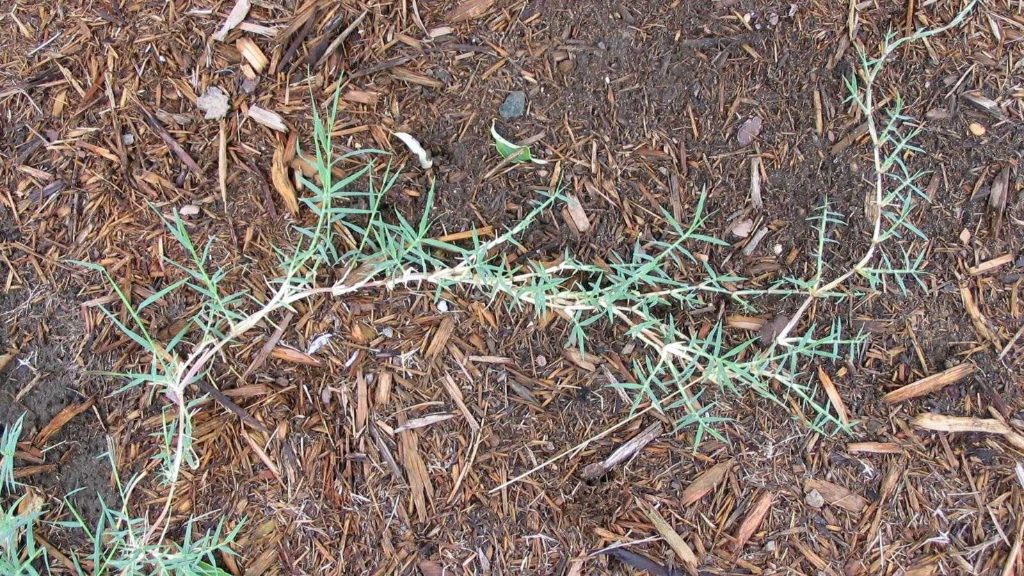
Looking to keep your lawn lush and weed-free? The battle between Bermuda grass and weeds can be tough, but knowing how to tell them apart and which to promote or eliminate can make all the difference. Bermuda grass is a resilient, dense turf that offers a beautiful green carpet, while weeds sneak in uninvited, often choking out your desirable grass and ruining your yard’s look. The key is understanding their differences to maintain a healthy, attractive lawn effectively.
In short, Bermuda grass is a desirable, hardy turfgrass that provides excellent coverage, whereas weeds are unwanted plants that compete for nutrients and space. Managing weeds involves proper lawn care practices to prevent their spread, while nurturing Bermuda grass ensures your yard stays thick and vibrant.
When it comes to lawn care, distinguishing Bermuda grass from weeds is crucial for achieving a pristine yard. Bermuda grass is a warm-season grass known for its durability and fast growth, making it a popular choice in many lawns. Weeds, on the other hand, are invasive plants that can quickly invade your turf, choking out the healthy grass and diminishing your yard’s beauty. These unwanted plants often have different growth habits, leaf shapes, and root structures. Correct identification helps you decide whether to encourage Bermuda grass or eradicate the weeds effectively. With some knowledge and maintenance skills, you can keep your lawn looking its best, free from the chaos weeds can bring.

Bermuda Grass vs Weed: Understanding the Key Differences for a Healthy Lawn
What Is Bermuda Grass?
Bermuda grass is a warm-season grass that is popular for lawns, sports fields, and golf courses. It is known for its dense, lush, green appearance and durability. This grass thrives in hot climates and full sunlight, making it ideal for southern regions.
What Is Weeds?
Weeds are unwanted plants that grow where they are not wanted. They can be grasses, broadleaf plants, or invasive species that compete with your lawn for nutrients and water. Weeds often disrupt the uniformity and health of your grass area.
Differences Between Bermuda Grass and Weeds
Understanding the differences is crucial for lawn care. Bermuda grass has a specific growth pattern, root system, and color, which differ from common weeds. Recognizing these traits helps in managing your yard effectively.
Growth Pattern and Appearance
Bermuda grass spreads through runners called stolons and underground roots called rhizomes. It forms a smooth, even carpet with fine-textured blades. Weeds typically grow in irregular patches and have varied leaf shapes and colors.
Color and Texture
Bermuda grass has a rich, vibrant green shade. Its blades are slender and soft to the touch. Weeds may have duller or brighter shades and often look more coarse or brittle.
Root System
The root system of Bermuda grass is deep and extensive, which helps it withstand drought. Weeds often have shallow roots that make them easier to pull but allow rapid spread.
Common Types of Bermuda Grass and Weeds
Knowing specific types can aid in identification and treatment.
Types of Bermuda Grass
- Common Bermuda Grass
- Hybrid Bermuda Grass (Tifway, Tifgreen)
- Celebrate Bermuda
Each type varies slightly in texture and growth rate but shares core characteristics.
Common Lawn Weeds
- Creeping Charlie
- Dandelions
- Nutsedge
- Pigweed
These weeds are prevalent in various climates and require different control methods.
How to Identify Bermuda Grass vs Weeds
Proper identification is key to effective control.
Visual Clues
Observe the shape, color, and growth pattern of the plants. Bermuda grass appears as a uniform mat, while weeds often form patches with distinctive leaves.
Growth Behavior
Bermuda spreads rapidly via stolons, creating a dense turf. Weeds tend to grow taller, have a different texture, or produce flowers and seed heads.
Use of Identification Tools
Consult plant identification apps or guides for precise recognition. You can also ask lawn care professionals for assistance.
Controlling Weeds in Bermuda Grass Lawns
Regular maintenance and targeted treatments keep weeds at bay.
Pre-Emergent Herbicides
Apply pre-emergent herbicides in early spring to prevent weed seeds from sprouting. Select products safe for Bermuda grass.
Post-Emergent Herbicides
Use post-emergent herbicides to kill existing weeds. Ensure they are designed for your specific weed types and safe for Bermuda grass.
Manual Removal
Pull weeds by hand for small patches. Remove the entire root to prevent regrowth.
Proper Lawn Maintenance
– Mow regularly at the correct height (about 1.5 to 2 inches).
– Water deeply but infrequently to promote deep roots.
– Fertilize appropriately to strengthen Bermuda grass.
Strategies for Promoting Bermuda Grass Growth
Healthy Bermuda grass resists weeds naturally.
Optimal Mowing
Maintain the ideal height to foster dense growth and shade out weeds.
Watering Practices
Deep watering encourages strong root development. Avoid overwatering, which can promote weed growth.
Fertilization
Apply nitrogen-rich fertilizers during the growing season to keep the lawn vigorous.
Overseeding and Reseeding
Patch bare spots with Bermuda grass seed to prevent weeds from establishing.
Common Challenges and How to Overcome Them
Bermuda grass faces threats from weeds, pests, and disease.
Dealing with Crabgrass
Apply pre-emergent in early spring and hand-pull existing crabgrass. Maintaining a thick Bermuda lawn prevents germination.
Pest Management
Regularly inspect for pests like grubs. Use appropriate treatments that won’t harm Bermuda grass.
Fungal Diseases
Ensure proper watering and aeration to prevent fungal issues. Use fungicides if necessary.
Benefits of Maintaining a Bermuda Grass Lawn
A well-kept Bermuda grass lawn offers numerous advantages.
Durability
It withstands heavy foot traffic, making it ideal for active households.
Low Maintenance
Once established, Bermuda grass requires less frequent watering and fertilizing.
Enhanced Curb Appeal
A lush and uniform Bermuda lawn adds beauty and value to your property.
Additional Tips for Lawn Success
– Aerate the soil annually to improve nutrient absorption.
– Topdress with compost for healthier soil.
– Regularly check for weeds and address them early.
Related Topics
- Best Fertilizers for Bermuda Grass
- How to Aerate Your Lawn
- Tips for Watering Bermuda Grass
- Dealing with Common Lawn Pests
In summary, understanding the differences between Bermuda grass and weeds is crucial for maintaining a healthy, attractive lawn. Proper identification, vigilant care, and timely weed control create a thick, lush turf that resists invasions. Regular lawn management practices ensure your Bermuda grass remains vibrant and free from unwanted plants, making your yard a welcoming space for family and friends.
Getting Rid of Weeds in your Bermuda Grass for Beginners
Frequently Asked Questions
How can I identify Bermuda grass compared to common weeds?
Bermuda grass has a fine texture with dense, spreading growth. It forms a thick, lush turf and exhibits a distinctive, bright green color. In contrast, weeds often have irregular growth patterns, coarser textures, and may produce seed heads or flowers that stand out. Recognizing these differences helps in proper lawn management.
What are the key differences in maintenance needs between Bermuda grass and weeds?
Bermuda grass requires regular mowing, watering, and fertilization to stay healthy and dense. It responds well to consistent care and can tolerate drought conditions. Weeds typically grow more aggressively and less predictably, often thriving without much attention. Controlling weeds involves targeted removal and preventing their spread to maintain a healthy Bermuda turf.
Why does Bermuda grass tend to compete better against weeds in lawns?
Bermuda grass spreads quickly through rhizomes and stolons, creating a dense mat that shades out weeds. Its vigorous growth habit helps it fill in bare spots faster, reducing opportunities for weeds to establish. Properly maintained Bermuda grass can outcompete weeds, maintaining a cleaner and more uniform lawn appearance.
What are some effective ways to prevent weeds from taking over Bermuda grass?
Improve soil health and provide adequate nutrients to promote dense Bermuda grass growth. Regular mowing at the proper height helps keep the grass thick and prevents weed seeds from establishing. Applying pre-emergent herbicides during the right season can also suppress weed germination, maintaining a healthy, weed-resistant lawn.
Can common weeds harm Bermuda grass in the long run?
Yes, if weeds become established, they can compete with Bermuda grass for nutrients, water, and sunlight. Over time, this competition weakens the turf, making it more susceptible to diseases and other stresses. Prompt weed removal and proper lawn care help protect Bermuda grass from long-term damage.
Final Thoughts
Bermuda grass and weeds each serve different roles in your lawn. Bermuda grass offers a dense, resilient ground cover that withstands foot traffic and heat. Weeds, however, tend to spread quickly and can choke out desirable grass types.
Choosing the right balance is key for a healthy yard. Proper maintenance and targeted weed control help keep Bermuda grass thriving.
In the ongoing comparison of bermuda grass vs weed, maintaining a lush, healthy lawn depends on controlling weeds effectively while nurturing Bermuda grass.