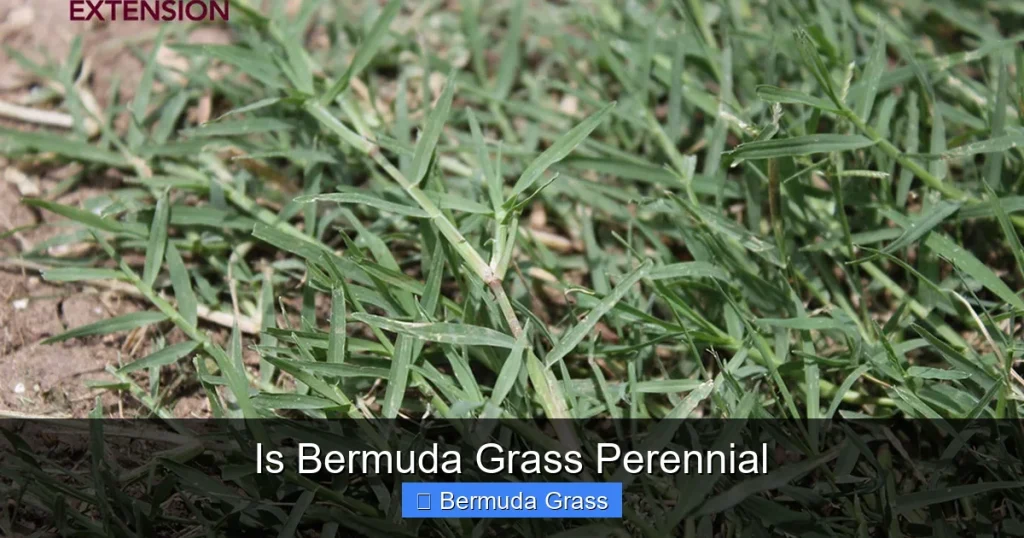
Bermuda Grass is a popular warm-season grass known for its durability and vibrant color. It is a perennial grass, meaning it grows back every year, making it ideal for lawns, sports fields, and landscapes. This guide will walk you through understanding its perennial nature, planting tips, and maintenance to keep it healthy.
Is Bermuda Grass Perennial?
If you’re considering Bermuda Grass for your lawn or sports field, one of your main questions might be, “Is Bermuda Grass perennial?” The answer is a resounding yes. Bermuda Grass is a warm-season perennial grass that comes back year after year without needing to be reseeded. In this guide, you’ll learn everything about Bermuda Grass’s perennial nature, how to plant it, care for it, and ensure it stays healthy for many seasons.
Key Takeaways
- Bermuda Grass is a perennial: It regrows each year from its underground root system.
- Optimal growing conditions: It thrives in warm climates with plenty of sunlight.
- Planting methods: It can be seeded, sodded, or sprigged for quick establishment.
- Maintenance practices: Regular mowing, watering, and fertilizing keep Bermuda Grass healthy.
- Common problems: Watch out for pests, diseases, and drought stress.
- Longevity: With proper care, Bermuda Grass can last for many years as a perennial lawn.
Understanding What Makes Bermuda Grass Perennial
First, let’s clarify what perennial means. A perennial plant or grass lives for more than two years. It regrows each season from its root system, rather than dying after one year like annuals. Bermuda Grass fits this description perfectly.
Why is Bermuda Grass Perennial?
Bermuda Grass has a robust underground system called rhizomes and stolons. These underground stems spread out and produce new blades each season. This resilient root network allows Bermuda Grass to survive winter dormancy in warmer climates and regrow when conditions are favorable again.
Where Does Bermuda Grass Grow Best?
Bermuda Grass is native to tropical and subtropical regions. It thrives in areas with:
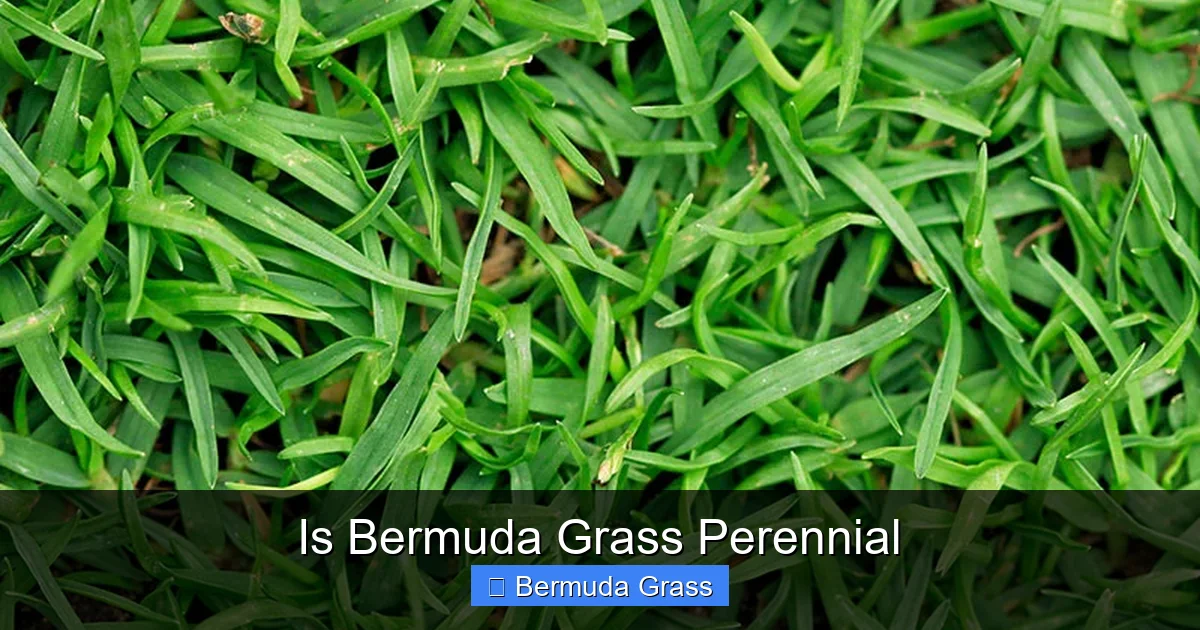
Visual guide about Is Bermuda Grass Perennial
Image source: pollenwalk.com
- Warm temperatures: Ideal between 75°F and 95°F (24°C to 35°C).
- Full sunlight: At least 6 hours of direct sunlight daily.
- Well-draining soil: Prevents waterlogging and root rot.
In cooler climates, Bermuda Grass may go dormant during winter but will return in spring if conditions warm up.
How to Plant Bermuda Grass as a Perennial
Getting Bermuda Grass established properly is key to its perennial success. You can plant Bermuda Grass using several methods:
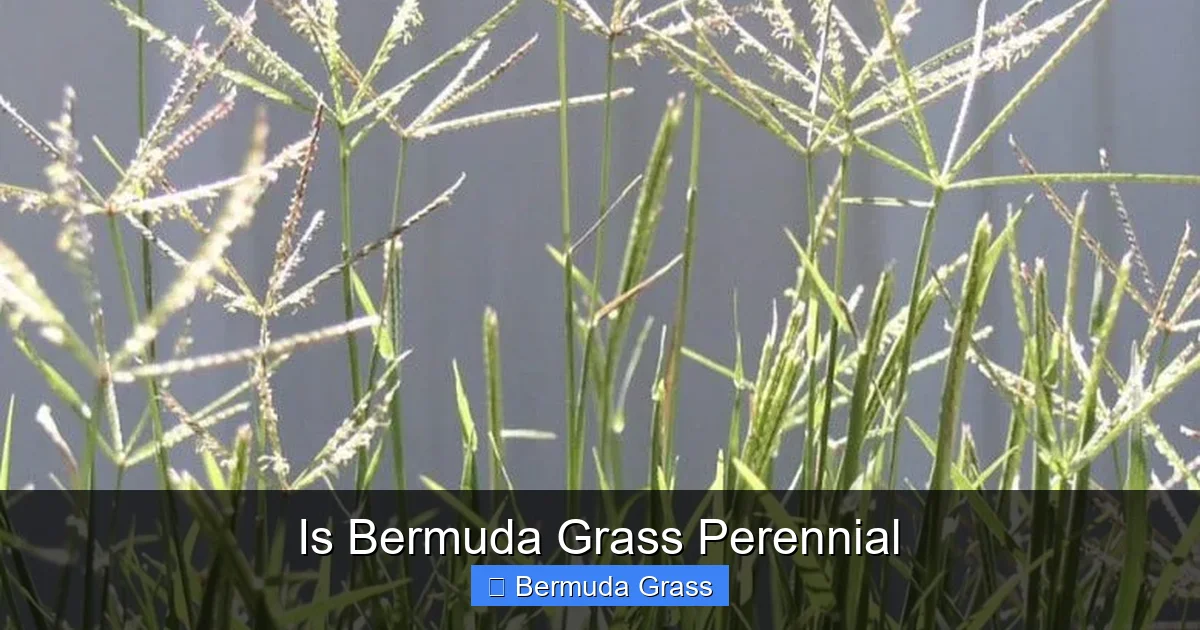
Visual guide about Is Bermuda Grass Perennial
Image source: bamertseed.com
1. Seeding
This is the most common and cost-effective method. It takes longer to establish but is suitable for large areas.
Steps:
- Prepare the soil: Remove weeds, loosen the soil, and level the surface.
- Inoculate seeds: Mix Bermuda seed with soil or compost for better germination.
- Sow the seeds: Spread evenly over the prepared area at about 1-2 pounds per 1000 sq ft.
- Water lightly: Keep the soil consistently moist until germination, which takes 7-14 days.
2. Sodding
Sodding provides an instant lawn and is ideal for quick establishment.
Steps:
- Choose healthy sod: Look for Bermuda sod with a dense root system.
- Prepare the soil: Same as seeding — remove weeds, loosen, and level.
- Lay the sod: Stagger seams and press down firmly.
- Water thoroughly: Keep the sod moist for the first two weeks.
3. Sprigging
This involves planting small pieces of Bermuda Grass stems or stolons.
Steps:
- Prepare the area: Similar to other methods.
- Plant the sprigs: Space them 6-12 inches apart.
- Water regularly: Keep soil moist to encourage root growth.
Maintenance for Perennial Bermuda Grass
Once established, Bermuda Grass requires ongoing care to stay vigorous and perennial.
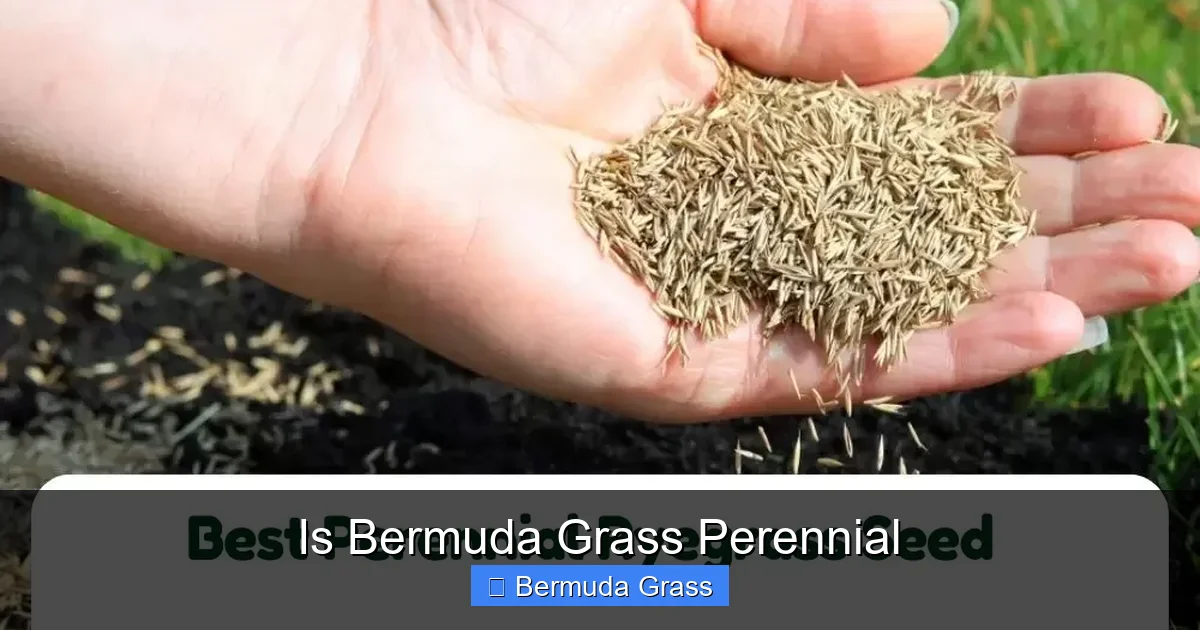
Visual guide about Is Bermuda Grass Perennial
Image source: grasscure.com
1. Mowing
Maintain a height of 1-2 inches. Regular mowing encourages dense growth and prevents weeds.
2. Watering
Water deeply and infrequently. Bermuda Grass prefers about 1-1.5 inches of water weekly, depending on weather conditions.
3. Fertilizing
Apply a balanced fertilizer rich in nitrogen during the growing season. Follow recommended rates to avoid over-fertilizing.
4. Aeration and Dethatching
Prevent soil compaction and thatch buildup with annual aeration and dethatching as needed.
Common Challenges and Troubleshooting
Pest and Disease Problems
Watch out for pests like grub worms and diseases such as dollar spot or brown patch. Use appropriate fungicides or insecticides if necessary, and ensure good airflow and drainage.
Overwatering or Underwatering
Too much water can lead to root rot, while too little causes dormancy or dieback. Adjust watering based on weather and soil conditions.
Cold Stress
In cooler climates, Bermuda Grass may go dormant in winter. Mulching or overseeding with cool-season grasses can help maintain a green appearance.
Conclusion
In summary, Bermuda Grass is indeed a perennial grass. Its ability to return year after year from its underground root system makes it a popular choice for warm climates and areas needing a durable, low-maintenance turf. Proper planting, regular care, and troubleshooting common issues will ensure your Bermuda Grass remains vibrant and perennial for many seasons to come.
Final Tips
- Plant during peak growing season for quicker establishment.
- Ensure full sun exposure for best results.
- Maintain a consistent watering and mowing schedule.
- Address pests and diseases promptly to keep your grass healthy.