
Bermuda grass is a popular warm-season grass used in lawns and sports fields. Many wonder, is Bermuda grass soft? The softness depends on factors like variety, maintenance, and mowing height. This guide explains how to assess and maintain Bermuda grass for a soft, comfortable lawn.
Is Bermuda Grass Soft?
If you’re considering Bermuda grass for your lawn or sports field, you might be wondering, is Bermuda grass soft? The answer depends on several factors, including the specific variety of Bermuda, how it’s maintained, and your lawn care practices. In this comprehensive guide, you’ll learn how to evaluate Bermuda grass’s softness, what influences its texture, and how to keep your lawn comfortable and inviting.
Key Takeaways
- Softness varies: Bermuda grass can be soft or coarse depending on the variety and care.
- Proper mowing height: Keeping Bermuda grass at an optimal height promotes softness and health.
- Watering and fertilizing: Adequate watering and balanced fertilization enhance grass softness.
- Variety selection: Some Bermuda grass types are naturally softer and more comfortable underfoot.
- Regular aeration: Aerating the soil improves root growth and grass texture.
- Maintenance tips: Proper mowing, watering, and fertilization are key to a soft, inviting lawn.
Understanding Bermuda Grass
Bermuda grass is a warm-season grass originating from Africa and Asia. It’s popular in southern regions of the U.S. because of its drought tolerance and resilience. Known for its dense, fine-textured appearance, Bermuda is often used on golf courses, sports fields, and residential lawns.
While Bermuda is admired for its durability, its texture can vary. Some varieties are very soft and lush, while others tend to be coarser. The softness of Bermuda grass is often linked to the specific type, mowing height, and maintenance routines.
What Makes Bermuda Grass Soft or Coarse?
1. Grass Variety
There are different types of Bermuda grass, and their softness can vary. For example:
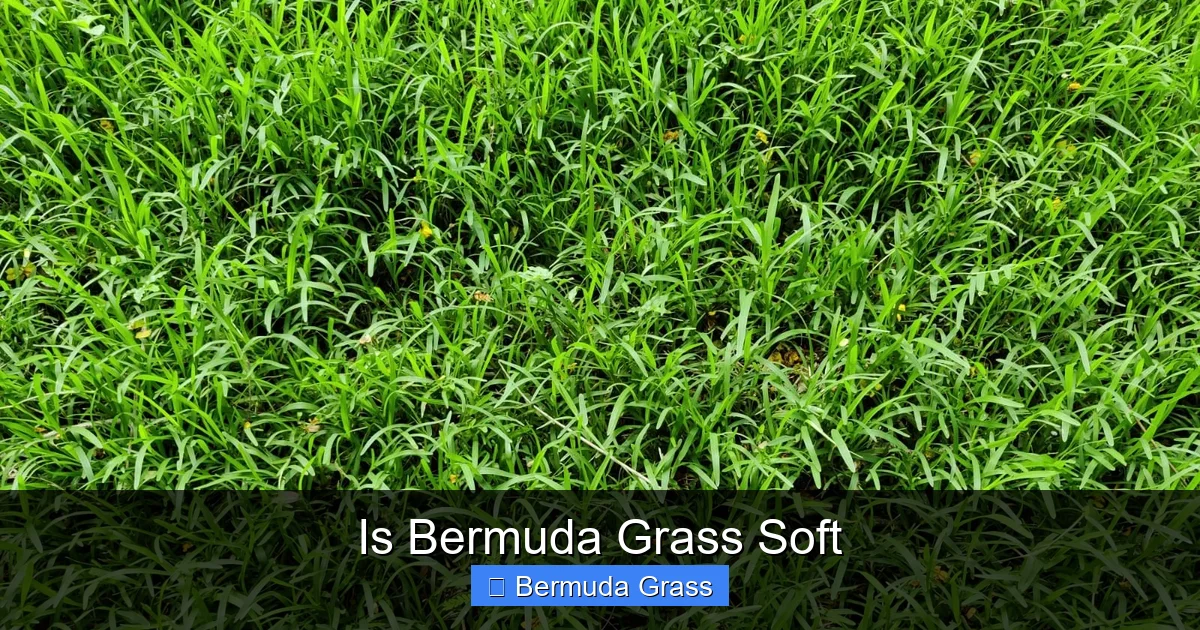
Visual guide about Is Bermuda Grass Soft
Image source: syedgarden.in
- Bermuda Hybrid Varieties: Some hybrids, like TifGrand or TifEagle, tend to be softer and finer-textured.
- Standard Bermuda: Usually coarser and more resilient but less soft underfoot.
Choosing a soft Bermuda variety is key if comfort is your priority.
2. Mowing Height
The height at which you mow Bermuda grass greatly influences its texture. Generally:
- Keeping Bermuda at about 1 to 1.5 inches promotes a softer feel.
- Cutting it too short (below 0.75 inches) can make the grass coarse and less comfortable.
Regular mowing at the right height encourages a fine, soft turf.
3. Watering and Fertilization
Proper watering keeps Bermuda grass healthy and soft. Overly dry or overwatered lawns tend to feel coarse. Balanced fertilization, especially with nitrogen, promotes lush, soft growth.
- Water deeply but infrequently to encourage deep roots.
- Use a balanced fertilizer in growing season for optimal softness.
4. Soil Conditions and Aeration
Healthy soil supports soft, dense grass. Aeration reduces soil compaction, promoting better root growth. Well-aerated soil allows water and nutrients to reach the roots more effectively, resulting in softer turf.
5. Maintenance Practices
Consistent maintenance, including dethatching and proper watering, helps maintain a soft texture. Avoid over-fertilizing, which can lead to coarse growth, and mow regularly at the recommended height.
How to Make Bermuda Grass Soft: Step-by-Step Guide
Step 1: Choose the Right Bermuda Grass Variety
Start by selecting a Bermuda grass variety known for its softness. Talk to local turf specialists or garden centers about hybrid options like TifEagle or TifGrand, which are bred for finer textures and softer feel.
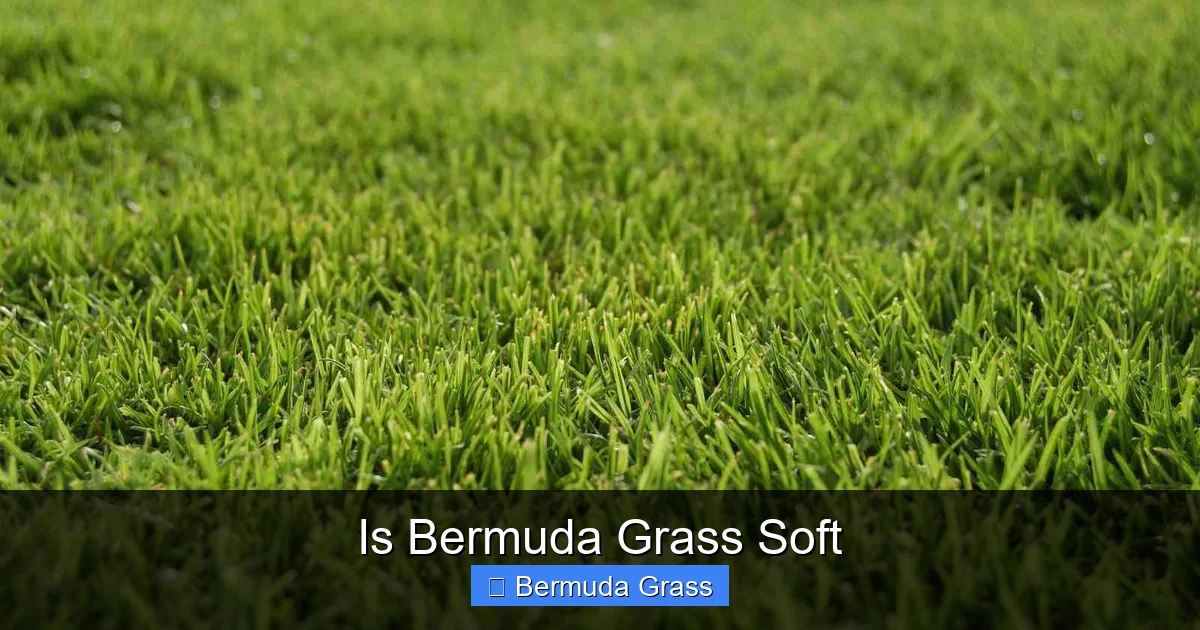
Visual guide about Is Bermuda Grass Soft
Image source: planetnatural.com
Step 2: Maintain Proper Mowing Height
Mow your Bermuda at a height of about 1 to 1.5 inches. Use a sharp mower blade to ensure a clean cut, which promotes a finer, softer appearance.
- Tip: Mow frequently enough so you never cut more than one-third of the grass height at a time.
Step 3: Water Deeply and Consistently
Water your lawn deeply once or twice a week, depending on weather conditions. This encourages strong root growth and a soft turf.
- Tip: Use a rain gauge or soil moisture meter to avoid overwatering.
Step 4: Fertilize Appropriately
Apply a balanced fertilizer formulated for warm-season grasses during the growing season. Follow manufacturer instructions for timing and amounts.
- Tip: Use a slow-release nitrogen fertilizer to promote continuous, soft growth.
Step 5: Aerate and Dethatch
Perform soil aeration once or twice a year to reduce compaction. Remove thatch buildup, which can make the lawn feel coarse.
- Tip: Use a core aerator for best results.
Step 6: Regularly Dethatch and Overseed
If your Bermuda lawn becomes dense and coarse, dethatch to remove dead material. Overseed with a softer Bermuda variety if necessary.
Additional Tips for a Soft Bermuda Lawn
- Limit Foot Traffic: Heavy use can compact soil and damage the turf, making it feel coarse.
- Control Pests and Weeds: Weeds can compete with Bermuda for nutrients, affecting texture.
- Use Topdressing: Applying a thin layer of compost or sand can improve soil quality and turf softness.
Troubleshooting Common Issues
My Bermuda grass feels coarse, what should I do?
Check your mowing height and ensure you’re not cutting too short. Also, evaluate watering and fertilization routines. Adjust these practices to promote finer, softer growth.
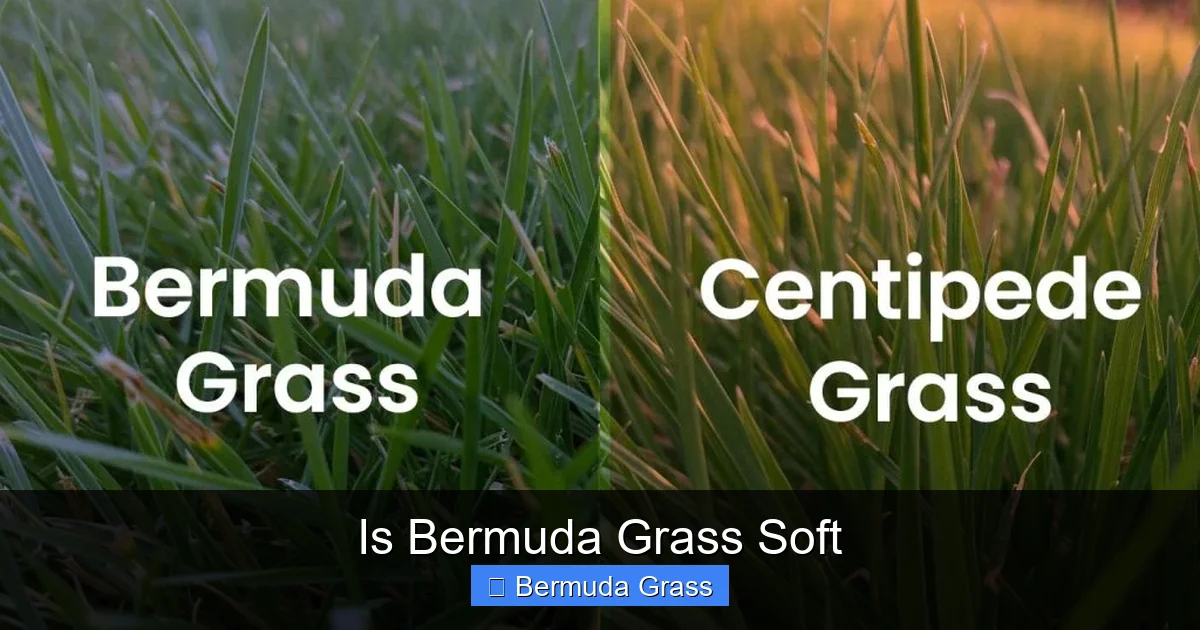
Visual guide about Is Bermuda Grass Soft
Image source: texassodanddrainage.com
Why isn’t my Bermuda grass growing soft?
It could be the variety, or the grass may need better soil aeration and fertilization. Consider overseeding with a softer Bermuda variety and improving soil health.
How often should I mow Bermuda grass?
Generally, mowing once a week during peak growing season is sufficient. Always mow at the recommended height to maintain softness and health.
Conclusion
Yes, Bermuda grass can be soft, but it depends on the variety and how you care for it. By choosing the right type, maintaining proper mowing height, watering, fertilizing, and aerating regularly, you can enjoy a lush, soft Bermuda lawn that’s comfortable underfoot. With consistent care, your yard can become a beautiful, inviting space perfect for relaxing and outdoor activities.