
Bermuda grass is a popular turfgrass choice in Texas, but is it native? In this guide, you’ll learn about the origins of Bermuda grass, its natural habitat, and how it fits into Texas landscapes. Whether you’re a homeowner or landscaper, this information will help you make informed decisions about using Bermuda grass in Texas.
Is Bermuda Grass Native to Texas?
If you’re a Texas homeowner or landscaper, you might wonder about Bermuda grass and whether it’s native to the state. This guide will explore its origins, how it compares to native grasses, and how to decide if Bermuda grass is right for your Texas lawn. By the end, you’ll have all the information needed to make an informed choice about planting and caring for Bermuda grass in Texas.
Key Takeaways
- Bermuda grass is not originally native to Texas: It was introduced to the region and has become widespread due to its durability and heat tolerance.
- Native grasses in Texas: Texas has several native grasses like buffalo grass and blue grama that naturally thrive in the local climate.
- Adaptability of Bermuda grass: Despite not being native, Bermuda grass adapts well to Texas’ warm climate and is commonly used for lawns and sports fields.
- Planting considerations: Proper soil prep, watering, and maintenance are key to successfully establishing Bermuda grass in Texas.
- Environmental impact: Using native grasses can be more eco-friendly, but Bermuda grass remains popular for its resilience and low maintenance.
- Legal and ecological aspects: Understanding native versus non-native species helps in making sustainable landscaping choices.
What Is Bermuda Grass?
Bermuda grass, also known as Cynodon dactylon, is a warm-season turfgrass known for its durability, heat tolerance, and quick growth. It’s popular for lawns, sports fields, golf courses, and parks across the southern United States. Its fine texture and lush green appearance make it an attractive choice for many landscapes.
Is Bermuda Grass Native to Texas?
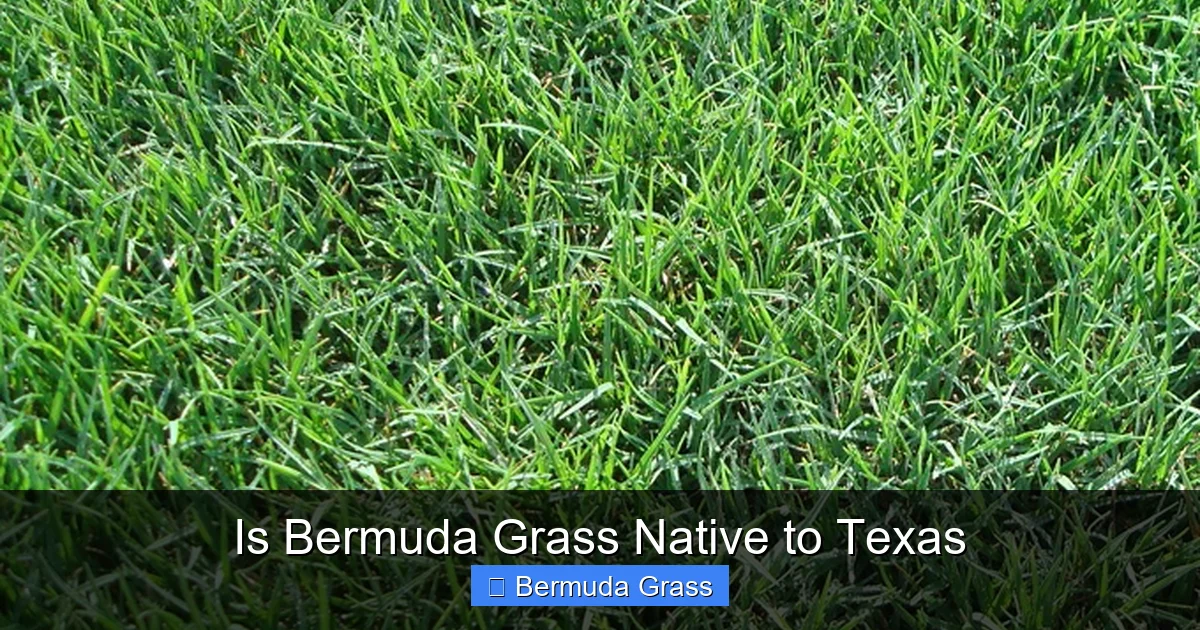
No, Bermuda grass is not native to Texas. It originally comes from Africa, Asia, and the Indian subcontinent. The grass was introduced to the United States and Texas in the 19th century, mainly for pasture and erosion control. Over time, its adaptability and resilience made it a popular choice for lawns and sports fields.
Visual guide about Is Bermuda Grass Native to Texas
Image source: easttexasseedcompany.com
The Native Grasses of Texas
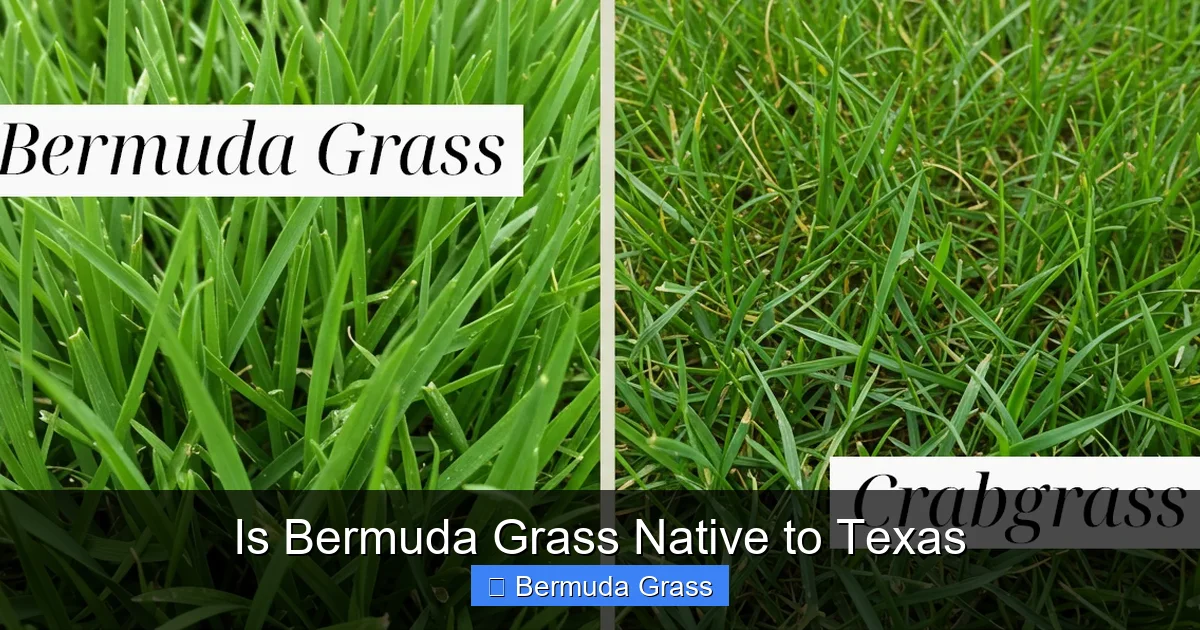
Texas has a rich variety of native grasses that have evolved naturally in the region. These grasses are well-adapted to the local climate, soil, and ecosystem. Some common native grasses include:
Visual guide about Is Bermuda Grass Native to Texas
Image source: texassodanddrainage.com
- Buffalo Grass: A low-maintenance, drought-tolerant grass that thrives in Texas prairies.
- Blue Grama: A fine-textured grass often found in prairies and open plains.
- Big Bluestem: Known as the “king of grasses,” it grows tall and provides habitat for wildlife.
- Little Bluestem: A smaller, drought-tolerant grass ideal for natural landscaping.
These native grasses are important for the local ecosystem and require less water and fertilizer compared to non-native options like Bermuda grass.
Why Do People Use Bermuda Grass in Texas?
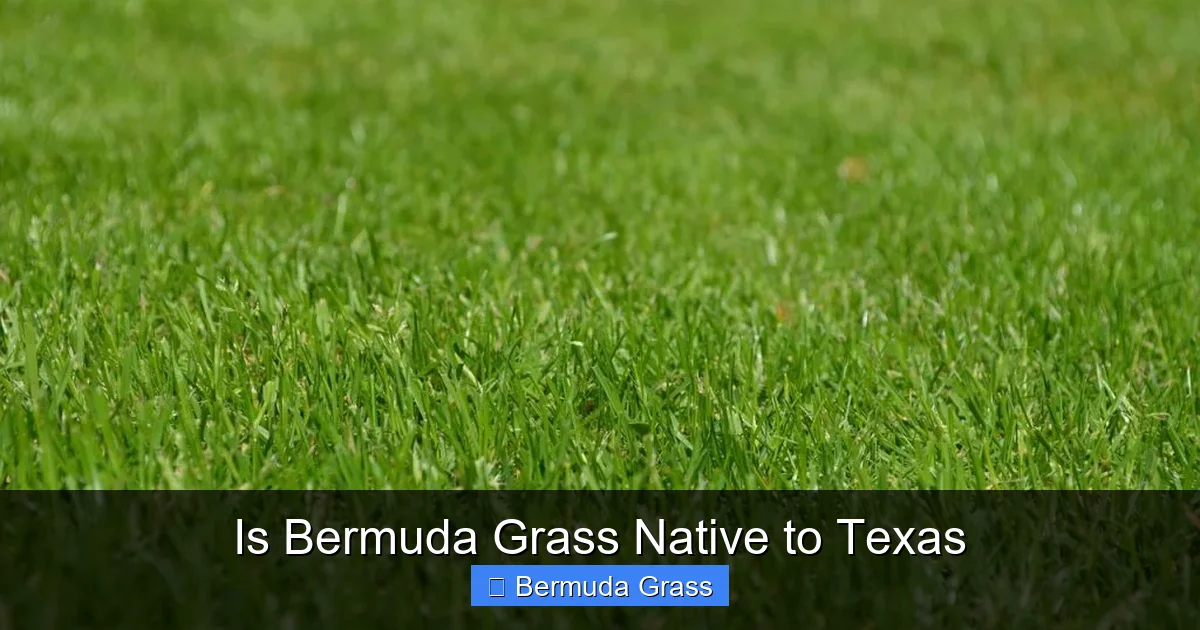
Despite not being native, Bermuda grass is popular in Texas for several reasons:
Visual guide about Is Bermuda Grass Native to Texas
Image source: grassworksaustin.com
- Heat Tolerance: It thrives in hot, sunny conditions typical of Texas summers.
- Durability: It withstands heavy foot traffic and wear, making it ideal for sports fields and lawns.
- Low Water Needs: Once established, Bermuda grass is drought-tolerant, which is crucial in dry regions.
- Fast Growth: It establishes quickly, saving time and effort in lawn care.
However, it’s essential to understand that Bermuda grass is a non-native species, and planting native grasses can be more environmentally friendly.
How to Determine if Bermuda Grass Is Suitable for Your Texas Lawn
Assess Your Climate and Soil
Before planting Bermuda grass, consider your local climate, soil type, and water availability. Bermuda grass prefers well-drained soils and full sun. It performs best in USDA zones 7-11, common in most of Texas.
Check for Compatibility with Your Landscape
Think about your lawn’s purpose and maintenance preferences. Bermuda grass is excellent for high-traffic areas but may require regular mowing and fertilization. If you prefer a native, low-maintenance landscape, native grasses might be better.
Steps to Plant Bermuda Grass in Texas
Step 1: Prepare the Soil
Clear the area of weeds, rocks, and debris. Loosen the soil to a depth of about 4-6 inches. Amend the soil with compost or other organic matter if needed to improve fertility and drainage.
Step 2: Choose the Right Planting Method
- Sod: Instant lawn, ideal for quick coverage. Lay Bermuda sod in the spring or early summer.
- Seeds: Less expensive but takes longer to establish. Plant in late spring or early summer when soil temperatures are warm.
- Plugs or Sprigs: Small sections or cuttings of existing Bermuda grass, planted directly into prepared soil.
Step 3: Plant and Water
Follow the specific instructions for your chosen method. Keep the soil consistently moist during germination and establishment. Water deeply and infrequently to encourage deep roots.
Step 4: Maintain Your Bermuda Grass Lawn
- Mowing: Keep the grass at about 1-2 inches for optimal growth.
- Fertilizing: Apply a balanced fertilizer during the growing season.
- Watering: Water deeply once or twice a week, depending on rainfall.
- Weed Control: Remove weeds promptly to prevent competition.
Common Challenges and Troubleshooting
- Weed Invasion: Use proper mowing and fertilization to promote healthy Bermuda grass and reduce weeds.
- Pest Problems: Watch for grubs and other pests; treat with appropriate insecticides if needed.
- Poor Establishment: Ensure soil is prepared correctly and water consistently during germination.
- Thatch Build-up: Dethatch annually to promote healthy root growth.
Environmental and Ecological Considerations
While Bermuda grass is highly resilient and useful for many applications, it is non-native and can sometimes outcompete native grasses, affecting local ecosystems. Using native grasses like buffalo grass or blue grama can be more sustainable and environmentally friendly. Consider your landscape goals and environmental impact before choosing Bermuda grass.
Conclusion
In summary, Bermuda grass is not native to Texas but has become a popular turfgrass due to its heat tolerance and durability. It performs well in many Texas regions, especially in high-traffic or drought-prone areas. However, native grasses are better suited for ecological balance and low-maintenance landscapes. Whether you choose Bermuda or native grasses, understanding your local environment and landscape needs will help you create a beautiful, sustainable lawn.
Final Tips
- Always match your grass choice to your local climate and soil conditions.
- Proper soil preparation and watering are key to successful Bermuda grass establishment.
- Consider native grasses for eco-friendly, low-maintenance landscaping options.
- Regular maintenance ensures a healthy, lush lawn, regardless of the grass type.