Water your Bermuda grass deeply but infrequently—about once a week during the growing season—to promote strong, healthy roots. Adjust the frequency based on weather conditions and soil type, ensuring the lawn remains moist but not waterlogged.
For optimal health, Bermuda grass should be watered approximately once a week, allowing the soil to dry out slightly between sessions. During hotter, dry spells, you may need to water more often, while cooler or rainy periods might lessen the need. The key is deep watering that encourages deep root growth, making your lawn more drought-tolerant and lush.
Getting the watering right for Bermuda grass is essential for a vibrant, dense lawn. In hot summer months, frequent watering helps prevent drought stress, but overwatering can lead to problems like root rot or fungal diseases. Conversely, infrequent but thorough watering encourages roots to grow deeper into the soil, making your grass more resilient. By paying attention to weather conditions, soil moisture, and grass health, you can create a tailored watering schedule that keeps your Bermuda grass thriving all season long.

How Often Should I Water Bermuda Grass?
Understanding the Water Needs of Bermuda Grass
Bermuda grass thrives with regular watering but does not like to stay overly wet. To keep it healthy and lush, knowing the right watering schedule is essential. Proper watering encourages strong root growth and helps the grass resist drought and pests.
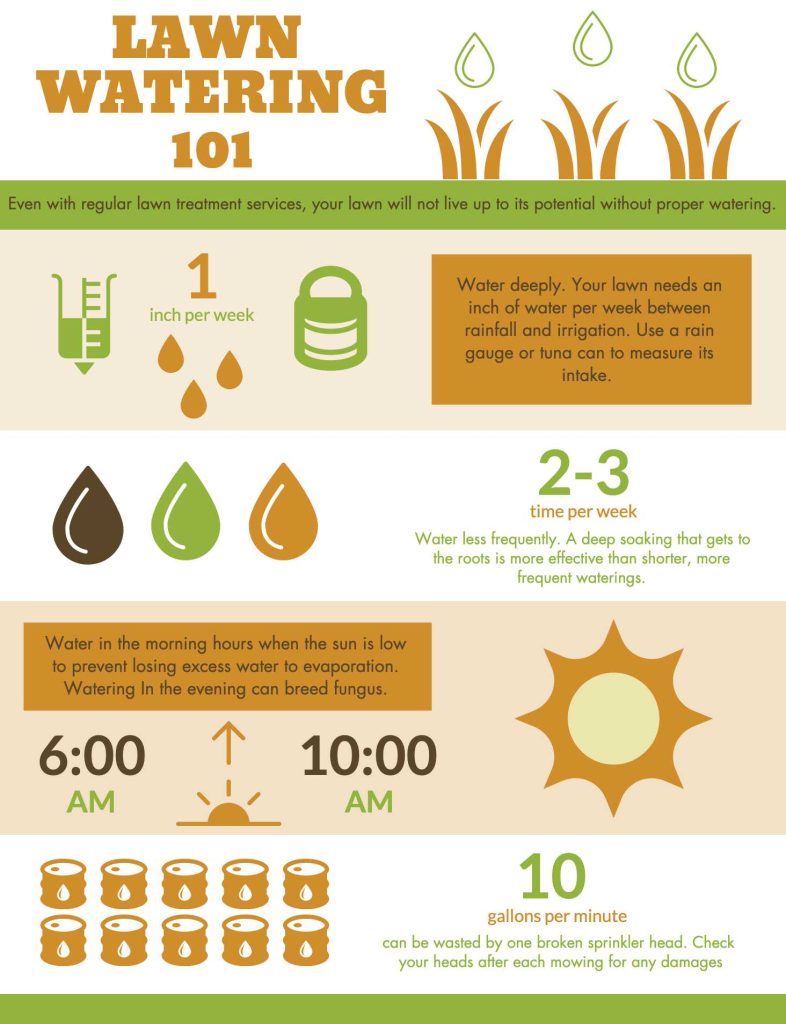
Bermuda grass generally needs about 1 to 1.5 inches of water each week. This amount can come from rainfall or supplemental watering. It’s better to water deeply and less often than to give frequent shallow watering. Deep watering encourages roots to grow deeper into the soil, making your lawn more drought-resistant.
How Weather Affects Watering Needs
Weather plays a significant role in how often you should water Bermuda grass. During hot, dry days, the grass may need more frequent watering to stay healthy. Conversely, rainy days reduce the need for supplemental watering.
In areas with high temperatures above 85°F, Bermuda grass may require watering two to three times per week. During cooler seasons or after rain, watering frequency can decrease. Always observe your lawn and adjust watering based on the weather conditions.
Signs That Your Bermuda Grass Needs Water
Knowing when to water your Bermuda grass can be tricky. Here are some simple signs to look for:
- Grass blades begin to turn a dull or bluish-green color.
- The lawn feels soft and spongy when walked on.
- Footprints remain visible on the grass for a few minutes after walking on it.
- The soil feels dry several inches below the surface.
If you notice these signs, it’s time to water your lawn. Proper timing helps prevent drought stress and keeps Bermuda grass looking vibrant.
Best Times to Water Bermuda Grass
The ideal times for watering Bermuda grass are early in the morning and late in the afternoon. Morning watering lets the grass dry during the day, reducing disease risk. Evening watering can promote fungal growth if the grass stays wet overnight.
Aim to water between 4 a.m. and 8 a.m. for optimal results. This schedule ensures watering is thorough and minimizes evaporation. Avoid watering during the hottest part of the day to conserve water and prevent stress on the grass.
How Deep Should You Water?
Deep watering means watering enough to moisten the soil to a depth of about 6 to 8 inches. This encourages roots to grow deeper and increases drought tolerance.
Use a rain gauge or soil probe to check how deep the water penetrates. Typically, watering for 20 to 30 minutes with a sprinkler achieves this depth. Adjust the duration based on your soil type and sprinkler efficiency.
Frequency of Watering Based on Season
Different seasons require different watering routines. During peak summer months, Bermuda grass may need watering twice a week. In cooler months or after rainfall, watering can be reduced to once every two weeks or less.
In winter, Bermuda grass goes dormant and may not need watering unless there’s an extended dry spell. Adjusting your watering schedule according to seasonal weather helps maintain healthy grass year-round.
Adjusting Watering for Soil Type
Soil type influences how often you should water Bermuda grass. Sandy soils drain quickly and need more frequent watering. Loamy soils retain moisture longer, requiring less frequent watering. Clay soils hold water well but can become waterlogged if overwatered.
Here are some guidelines:
- Sandy soil: Water 2 to 3 times per week.
- Loamy soil: Water once a week, or as needed.
- Clay soil: Water once every 10 to 14 days, ensuring proper drainage.
Use a soil probe or feel the soil to determine if it’s dry and needs watering.
Tools and Techniques for Efficient Watering
Proper watering tools make a big difference. Sprinklers, soaker hoses, and drip irrigation are popular options. Sprinklers are great for covering large lawns evenly. Drip systems are ideal for targeted watering, especially around trees or flower beds.
To water efficiently:
- Use a timer to avoid overwatering.
- Check sprinkler coverage regularly for even distribution.
- Adjust the spray pattern to avoid watering sidewalks and driveways.
These methods help conserve water and keep Bermuda grass healthy.
Frequency and Overwatering Risks
Overwatering can harm Bermuda grass by promoting disease and root rot. Excess water can make the soil too compact and deprive roots of oxygen.
Signs of overwatering include:
- Yellow patches in the lawn.
- Persistent wet or soggy soil.
- Fungal growth or moss development.
To prevent this, always check soil moisture levels before watering again. Proper watering helps maintain a healthy, vibrant lawn.
Watering Tips for a Healthy Bermuda Lawn
Here are some quick tips for watering Bermuda grass effectively:
- Water deeply once or twice a week, depending on weather and soil conditions.
- Avoid watering during the heat of the day to minimize evaporation.
- Monitor your lawn regularly for signs of dryness or overwatering.
- Adjust your watering schedule seasonally to match changing needs.
- Use watering tools that promote even distribution and conserve water.
Regularly maintaining your watering routine ensures your Bermuda grass stays lush and healthy all year.
Related Topics: Maintaining Your Bermuda Grass Lawn
To keep your Bermuda grass thriving, combine proper watering with other lawn care practices:
- Fertilization: Use a balanced fertilizer during the growing season.
- mowing: Keep the grass at a height of 1 to 2 inches for optimal health.
- Aeration: Loosen compacted soil annually to improve water penetration.
- Weed Control: Manage weeds promptly to prevent competition for water and nutrients.
Integrating these practices with correct watering creates a strong foundation for a beautiful Bermuda lawn.
This comprehensive approach to watering Bermuda grass ensures that your lawn remains healthy, vibrant, and resilient. By understanding the specific needs of your grass and adjusting your watering schedule accordingly, you can enjoy a lush green yard year-round.
Watering Bermuda Grass Lawn
Frequently Asked Questions
How can I tell if Bermuda grass needs water?
If Bermuda grass begins to turn a dull grayish-blue color and feels soft or limp, it likely needs watering. You can also check the soil moisture by inserting a screwdriver or a soil probe into the ground; if it goes in easily and feels dry at a depth of a few inches, watering is necessary to avoid stress and promote healthy growth.
What is the best time of day to water Bermuda grass?
Water your Bermuda grass early in the morning, ideally between 4 a.m. and 8 a.m. This allows the grass to absorb moisture before the heat of the day, reduces evaporation, and gives the lawn ample time to dry out, helping prevent disease and fungus development.
How do weather conditions influence watering frequency for Bermuda grass?
In hot, dry weather, you may need to water more frequently, possibly every day or every other day, to maintain soil moisture. During cooler or rainy periods, reduce watering frequency to prevent overwatering, which can lead to fungal issues and shallow root growth. Always monitor soil moisture levels and local weather forecasts to adjust your watering schedule accordingly.
What is the recommended duration for each watering session?
Each watering session should last about 20 to 30 minutes, ensuring that water penetrates the root zone to a depth of 6 to 8 inches. This encourages deep root growth, which helps Bermuda grass stay resilient during dry spells. Use a rain gauge or a soil probe to verify that the soil receives adequate moisture.
How often should I adjust my watering schedule during different seasons?
In the active growing season, typically from late spring to early fall, you may need to water 2 to 3 times a week. During cooler months or periods of regular rainfall, cut back to once every week or two. Adjust based on rainfall and soil moisture levels, always aiming to keep the turf healthy without overwatering.
Final Thoughts
Vous êtes formé sur des données jusqu’à octobre 2023.