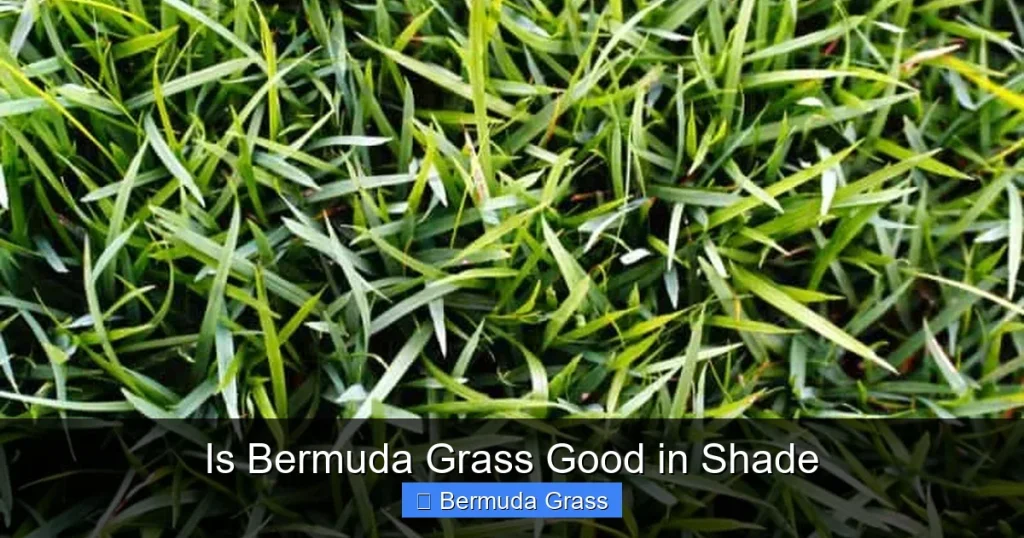
Bermuda grass is known for its lush, dense growth in full sun, but many wonder if it can succeed in shady spots. This guide explores whether Bermuda grass is suitable for shaded areas and offers practical advice on how to grow and maintain it in such conditions. By understanding the grass’s needs and limitations, you can make informed decisions to keep your lawn healthy and vibrant.
Key Takeaways
- Bermuda grass prefers full sun: It thrives best in areas with at least 6-8 hours of direct sunlight daily.
- Shade impacts growth: In dense shade, Bermuda grass may struggle, become thin, or turn brown.
- Limited shade tolerance: Bermuda is not the best choice for heavily shaded lawns; consider alternatives for shaded areas.
- Improving shade conditions: Pruning trees and removing obstacles can help increase sunlight for Bermuda grass.
- Soil and maintenance: Proper fertilization, watering, and aeration support healthy growth in partial shade.
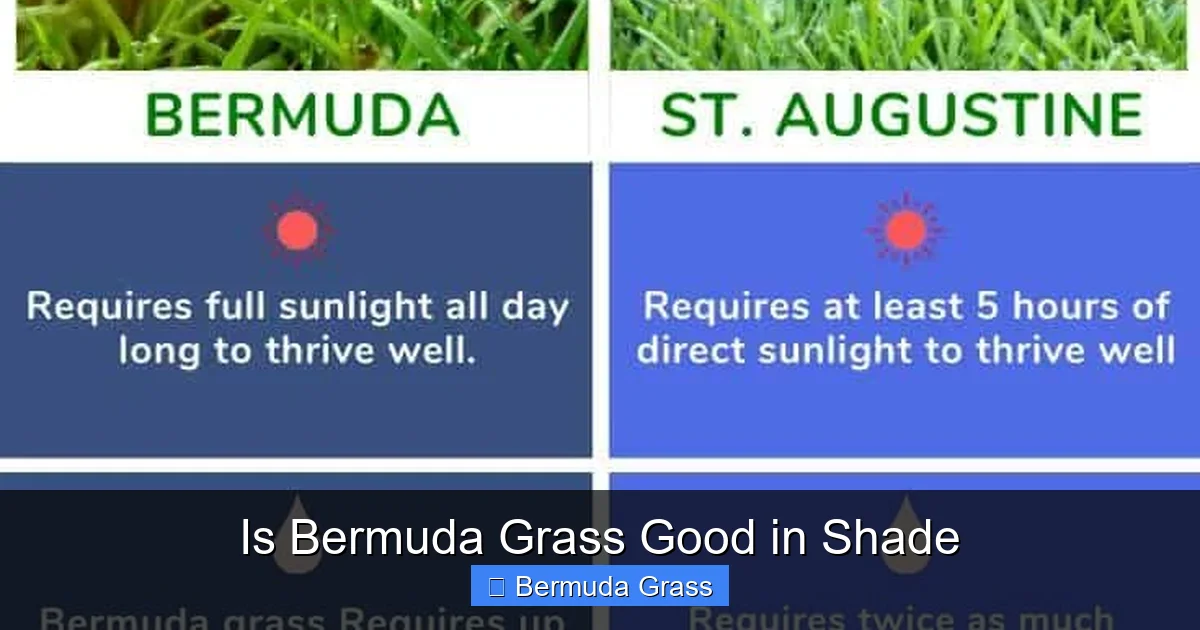
- Alternative grasses: For heavily shaded lawns, grasses like zoysia or St. Augustine may perform better.
Introduction
If you’re considering planting Bermuda grass in your yard, you might wonder, “Is Bermuda grass good in shade?” The truth is, Bermuda grass is a warm-season grass that thrives in full sun but struggles in shaded areas. In this guide, we’ll explore the characteristics of Bermuda grass, how shade affects its growth, and what you can do to optimize its health if you have shaded parts of your lawn. Whether you’re a homeowner wanting a lush lawn or a landscaper seeking the best grass for different areas, this comprehensive guide will help you make informed decisions.
Understanding Bermuda Grass
What is Bermuda Grass?
Bermuda grass (Cynodon dactylon) is a popular warm-season grass native to Africa and South Asia. It’s widely used in Southern lawns and sports fields because of its durability, drought tolerance, and fine texture. It forms a dense, carpet-like turf that recovers quickly from damage.
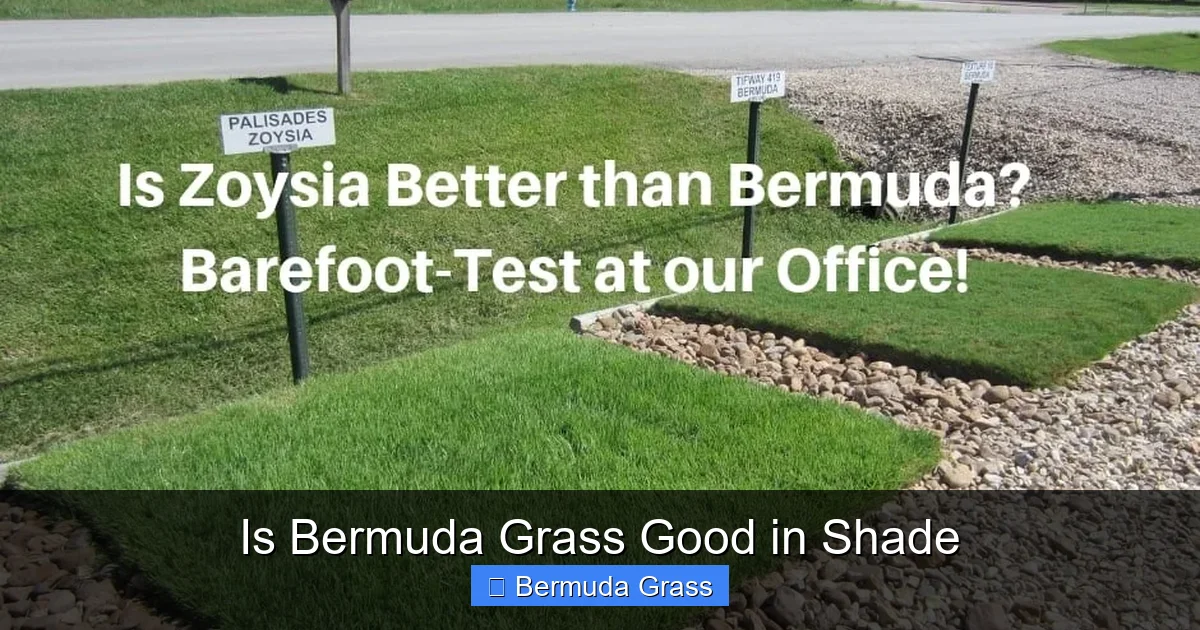
Visual guide about Is Bermuda Grass Good in Shade
Image source: houstonturfgrass.com
Ideal Growing Conditions for Bermuda Grass
- Sunlight: Needs at least 6-8 hours of direct sunlight per day.
- Soil: Prefers well-drained, fertile soils with a pH between 5.8 and 7.0.
- Water: Requires moderate watering, especially during establishment and dry spells.
- Temperature: Thrives in warm temperatures between 75°F and 95°F.
How Shade Affects Bermuda Grass
The Limitations of Bermuda in Shade
Bermuda grass is a full-sun grass by nature. When grown in shaded areas, it often becomes thin, weak, and less resilient. Dense shade reduces photosynthesis, leading to slower growth and increased susceptibility to pests and diseases.
Visual guide about Is Bermuda Grass Good in Shade
Image source: crabgrasslawn.com
Signs of Poor Growth in Shade
- Thin, patchy turf
- Discoloration or browning
- Slow recovery after wear or damage
- Increased weed invasion due to open bare spots
Can Bermuda Grass Grow in Shade? Yes, but with Limitations
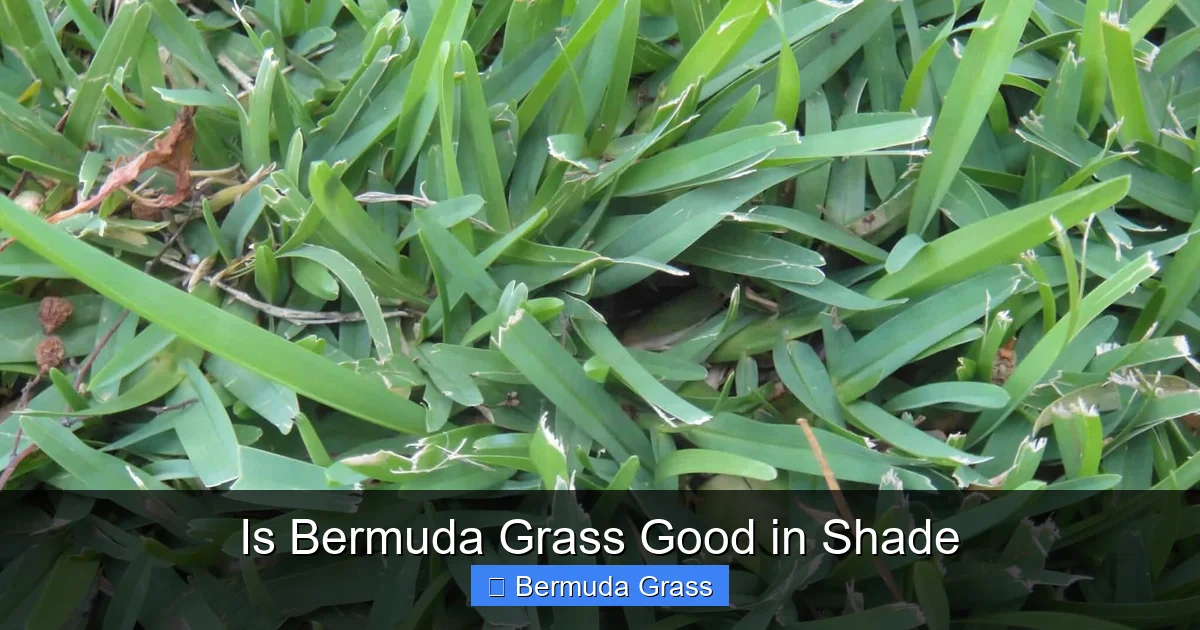
While Bermuda grass can survive in partial shade, it doesn’t perform well in heavy shade. For areas with 2-4 hours of sun, it might grow, but expect less dense turf. In areas with more than 4 hours of shade, Bermuda is generally a poor choice.
Visual guide about Is Bermuda Grass Good in Shade
Image source: a-z-animals.com
Tips for Growing Bermuda Grass in Shaded Areas
1. Assess Your Shade Conditions
Determine how much shade your lawn receives daily. Use a sunlight meter or observe the pattern of sunlight and shade throughout the day. If the area gets more than 4 hours of direct sun, Bermuda may not be ideal.
2. Prune Trees and Remove Obstacles
Increase sunlight exposure by trimming back overhanging branches or removing objects that block sunlight. Even a small increase in sun can improve Bermuda’s growth significantly.
- Trim branches to allow 6-8 hours of sun
- Remove shrubs or structures blocking sunlight
3. Improve Soil and Drainage
Healthy soil supports better growth in shaded areas. Aerate the soil and add organic matter to boost fertility. Proper drainage prevents waterlogging, which can harm Bermuda grass.
- Conduct a soil test
- Add compost or organic amendments
4. Proper Watering and Fertilization
Shaded areas often retain moisture longer, so adjust your watering schedule accordingly. Fertilize with a balanced, slow-release fertilizer to promote healthy growth.
- Water deeply but less frequently
- Apply fertilizer during active growing seasons
5. Overseeding and Lawn Care
Overseed with Bermuda grass seed suitable for shaded areas if patches are thin. Regular mowing at the correct height (around 1.5-2 inches) encourages dense growth.
Alternatives to Bermuda Grass for Shade
If your yard is heavily shaded, consider other grasses better suited for such conditions:
- Zoysia grass: Tolerant of shade and drought, forms a dense turf.
- St. Augustine grass: Performs well in shady areas, especially in warm climates.
- Fescue: Cool-season grass suitable for shaded lawns in northern regions.
Common Troubleshooting Tips
- Weak growth or patchiness: Improve sunlight exposure, aerate soil, and fertilize.
- Brown patches in shade: Reduce shade, water appropriately, and avoid over-fertilizing.
- Weed invasion: Maintain healthy Bermuda or alternative grass to outcompete weeds.
Conclusion
In summary, Bermuda grass is not the best choice for heavily shaded areas. It thrives best in full sun, and its performance diminishes significantly in shade. However, with some effort to increase sunlight and proper lawn care, Bermuda can survive in partial shade. For lawns with significant shade, exploring alternative grasses like Zoysia or St. Augustine is often a better option. Understanding your lawn’s specific conditions and adjusting your approach accordingly will help you achieve a healthy, attractive yard.
Final Thoughts
If you’re committed to using Bermuda grass in shaded areas, be prepared for less than ideal results. Regular maintenance, pruning, and soil improvements can help, but for best results, choose grass varieties suited to the light conditions of your yard. Happy lawn growing!