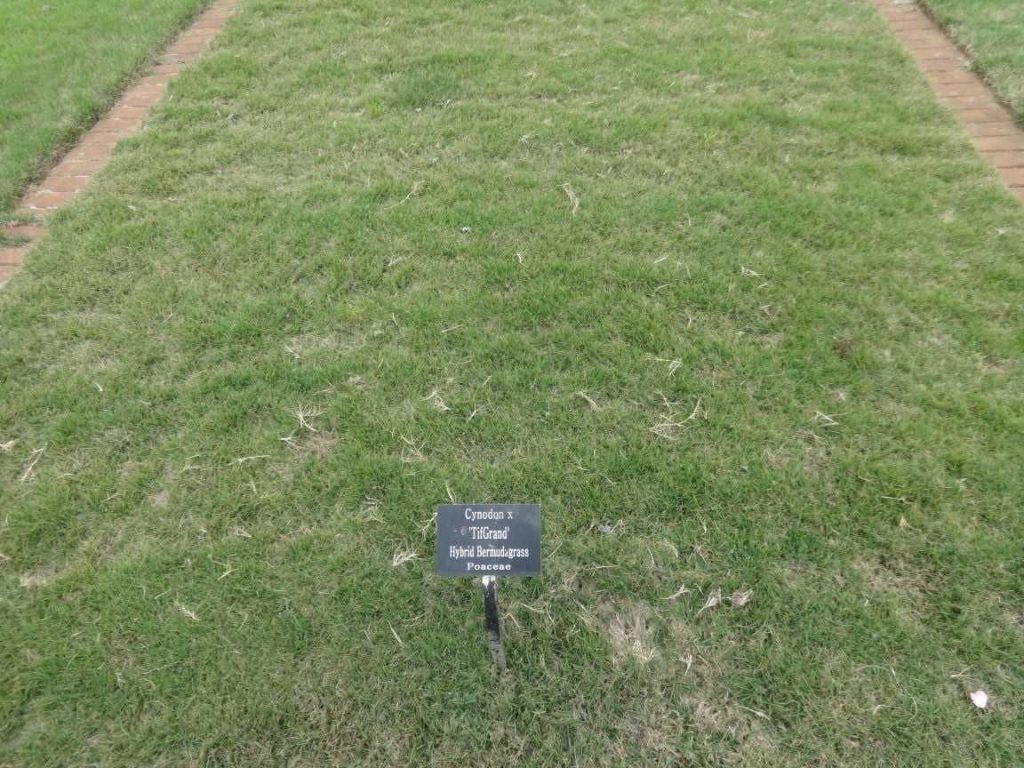
Looking for a lush, durable grass that thrives in Arizona’s hot climate? Bermuda grass might just be your perfect solution! This grass type is renowned for its heat tolerance, drought resistance, and vibrant green appearance, making it ideal for Arizona lawns. If you’re wondering whether Bermuda grass can flourish in your yard, the answer is yes—provided you follow the right planting and maintenance tips. Bermuda grass requires full sun, well-draining soil, and regular care, but once established, it becomes a low-maintenance, beautiful turf. Whether you’re planning a new lawn or renovating an existing one, Bermuda grass offers a resilient, attractive, and practical choice for Arizona homeowners.
Bermuda grass is an excellent option for Arizona due to its adaptability to hot and dry conditions. It establishes quickly and remains lush through the summer, creating an inviting outdoor space. Proper preparation and ongoing care ensure your Bermuda lawn stays healthy and green all year round, even amidst Arizona’s extreme summer heat.

Bermuda Grass Arizona: Everything You Need to Know
What Is Bermuda Grass and Why Is It Popular in Arizona?
Bermuda grass is a warm-season turfgrass that thrives in hot climates. It is widely used in Arizona because it can endure the intense summer heat and abundant sunlight. This grass grows quickly and recovers fast from damage, making it a favorite among homeowners and landscapers.
Key Characteristics of Bermuda Grass in Arizona
Bermuda grass has fine to medium-textured blades that create a dense, lush lawn. It remains green during the warm months but often goes dormant in winter, turning brown. Its drought tolerance is one of its strongest traits, which is essential in Arizona’s dry climate.
Types of Bermuda Grass Suitable for Arizona
There are several Bermuda grass varieties that do well in Arizona’s environment. Some popular types include:
- Common Bermuda: Affordable and easy to establish but requires regular maintenance.
- Hybrid Bermuda: More dense and fine-textured, with a better look and feel.
- Celebration Bermuda: Known for its disease resistance and dark green color.
Each type has specific advantages, so choosing the right one depends on your yard’s needs and your maintenance preferences.
Growing and Maintaining Bermuda Grass in Arizona
Planting Bermuda Grass
Bermuda grass can be planted through seeds, sod, or plugs. Seeds are more affordable but take longer to establish. Sodding provides instant coverage but is more costly.
Soil Preparation and Planting Tips
Ensure the soil is well-drained and has a pH between 5.8 and 7.0. Loosen the soil and add compost or fertilizer to enhance growth. Spread seeds evenly or lay sod carefully, pressing it into the soil to promote root contact.
Watering Needs
Bermuda grass needs deep, infrequent watering to develop a strong root system. Water once or twice a week, depending on rainfall and soil type. Early morning watering helps prevent disease.
Fertilization Guidelines
Apply a nitrogen-rich fertilizer every 4 to 6 weeks during the growing season. Use balanced fertilizers with phosphorus and potassium to support overall health.
Common Challenges When Growing Bermuda Grass in Arizona
Arizona’s climate presents some unique challenges for Bermuda grass. These include:
- Heat Stress: Excessive heat can cause the grass to turn brown or go dormant.
- Water Restrictions: Limited water availability requires efficient irrigation practices.
- Pest Issues: Armyworms, grubs, and other pests can damage the turf if not controlled.
- Weed Competition: Weeds can take over if Bermuda grass isn’t properly maintained.
- Disease Risks: Rust, dollar spot, and leaf spot are common fungal diseases that affect Bermuda lawns.
Identifying these issues early helps maintain a healthy lawn.
Best Practices for Maintaining a Healthy Bermuda Grass Lawn in Arizona
Proper Mowing Techniques
Keep mower blades sharp and mow at a height of 1.5 to 2 inches. Regular mowing encourages lush growth and minimizes weed invasion.
Overseeding and Thatch Control
Overseeding with cool-season grasses can help keep the lawn green year-round. Dethatching removes dead organic matter that can hinder water and nutrient absorption.
Managing Pests and Diseases
Use integrated pest management strategies, including natural predators, proper watering, and targeted treatments when necessary. Keep an eye out for signs of disease and treat promptly with appropriate fungicides.
Water Management Strategies
Implement efficient irrigation systems such as drip or sprinkler systems. Water early in the morning to reduce evaporation and ensure even coverage.
Cost and Availability of Bermuda Grass in Arizona
Bermuda grass is readily available in Arizona’s garden centers and sod farms. Prices vary depending on the type and size of the area you want to cover. Generally, sod costs around $0.30 to $0.60 per square foot, while seed packages are more economical.
Environmental Benefits of Using Bermuda Grass in Arizona
Bermuda grass helps reduce soil erosion and filters pollutants from runoff. Its drought tolerance promotes water conservation, an essential feature in Arizona’s arid climate.
Alternatives to Bermuda Grass for Arizona Lawns
If Bermuda grass doesn’t fit your needs, consider other drought-tolerant options like zoysia, buffalo grass, or desert-green native grasses. These alternatives may require less maintenance and offer different aesthetic qualities.
Choosing Bermuda grass for your Arizona yard offers a versatile and resilient turf solution. It adapts well to the climate, provides a beautiful green space, and handles drought conditions effectively. Proper planting, maintenance, and pest management are key to keeping your Bermuda lawn vibrant and healthy year-round.
When to Plant Bermuda Grass Seed in Phoenix
Frequently Asked Questions
How does Bermuda grass adapt to the climate conditions in Arizona?
Bermuda grass thrives in Arizona’s hot and dry climate because it has deep roots that help it withstand drought and high temperatures. It is highly tolerant of full sun exposure and can recover quickly from heat stress, making it suitable for the region’s intense summers. Proper irrigation and soil management further enhance its adaptability to Arizona’s climate.
What are the best practices for maintaining Bermuda grass in Arizona?
To keep Bermuda grass healthy in Arizona, ensure regular watering, especially during dry periods, while avoiding overwatering to prevent fungal issues. Mow the grass at a height of about 1 to 2 inches to promote dense growth. Aerate the soil annually and apply fertilizers rich in nitrogen to sustain vigor. Additionally, control pests and weeds promptly to maintain a lush and resilient lawn.
Can Bermuda grass handle the soil conditions commonly found in Arizona?
Bermuda grass tolerates a variety of soil types but performs best in well-draining soils with a pH between 5.8 and 7.0. In Arizona, where soil may be sandy or rocky, amending the soil with organic matter or compost can improve its structure and fertility. Proper soil preparation ensures the grass establishes well and remains healthy under local environmental conditions.
What challenges might I face when growing Bermuda grass in Arizona?
Growing Bermuda grass in Arizona can present challenges such as high temperatures and water restrictions, which may lead to drought stress if not properly managed. Additionally, intense sunlight can cause sunburn or scalping if the mowing height is too low. Pest infestations, like grubs and disease issues such as brown patch, can also affect lawn health if not addressed promptly.
How does Bermuda grass contribute to water conservation efforts in Arizona?
Bermuda grass is often recommended for Arizona landscapes because of its drought tolerance. Once established, it requires less frequent watering compared to other grass types. Its deep root system helps it access water from deeper soil layers, reducing overall water usage and supporting sustainable lawn management practices in the region.
Final Thoughts
Bermuda grass arizona thrives in warm, sunny climates, making it ideal for desert regions. Its drought tolerance reduces water needs, saving resources. Proper maintenance ensures a lush, healthy lawn. In summary, bermuda grass arizona offers a practical solution for Arizona homeowners seeking durable and attractive turf.