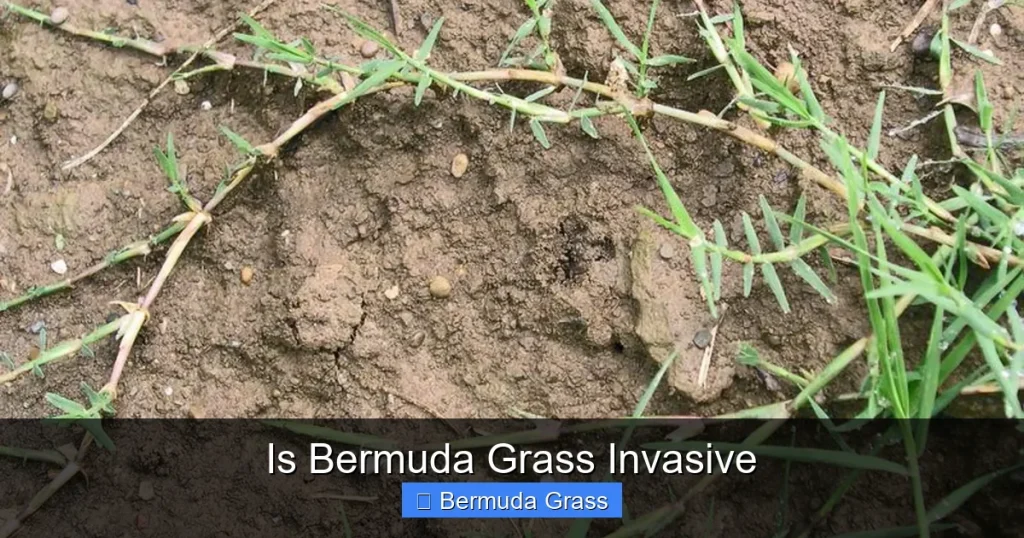
Bermuda grass is a popular warm-season turf, but many wonder, is Bermuda grass invasive? This guide explains its growth habits, how to identify invasiveness, and practical tips to manage its spread effectively, ensuring a healthy lawn.
Is Bermuda Grass Invasive?
If you’re a homeowner or landscaper, you might wonder about Bermuda grass and whether it’s invasive. While it’s widely used for lawns, sports fields, and golf courses, some worry about its ability to spread uncontrollably. In this guide, we’ll explore what makes Bermuda grass invasive, how to identify it, and the best ways to manage its growth. By the end, you’ll know how to keep your lawn healthy without letting Bermuda grass take over unwanted areas.
Key Takeaways
- Invasiveness varies: Bermuda grass can be invasive in some regions, especially where it spreads rapidly through stolons and rhizomes.
- Identification is key: Recognizing its growth habits helps determine if it’s becoming invasive on your property.
- Control methods: Proper mowing, edging, and regular maintenance can keep Bermuda grass contained.
- Managing spread: Removing unwanted patches and preventing seed dispersal are essential steps.
- Native alternatives: Consider native grasses if invasiveness is a concern in your area.
- Environmental factors: Climate and soil type influence how invasive Bermuda grass can become.
What is Bermuda Grass?
Bermuda grass (Cynodon dactylon) is a warm-season turfgrass known for its durability and heat tolerance. It’s popular in southern climates and used extensively for lawns, sports fields, and golf courses. Bermuda grass spreads through stolons (above-ground runners) and rhizomes (underground stems), which help it recover quickly from damage.
Its fast growth and resilience make it a favorite choice, but these same traits can lead to invasiveness if not properly managed. Knowing its growth habits helps determine how aggressive it can be in your yard.
Is Bermuda Grass Invasive? An Overview
The answer depends on your location and how you manage it. In some regions, Bermuda grass is considered invasive because it spreads rapidly and can outcompete native plants or desirable lawn grasses. Its ability to establish quickly and spread through rhizomes and stolons makes it difficult to control once it takes hold.
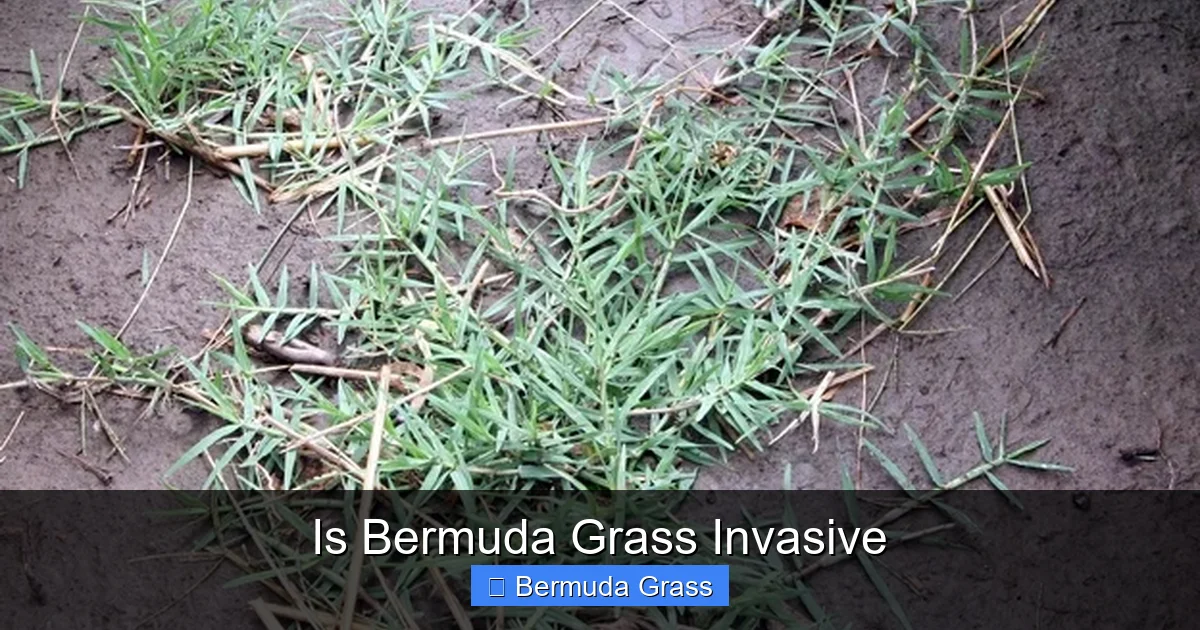
Visual guide about Is Bermuda Grass Invasive
Image source: weedid.missouri.edu
However, in ideal climates, Bermuda grass can be a beneficial ground cover. The key is understanding your local environment and monitoring its growth.
How to Identify Invasive Bermuda Grass
Signs of Invasiveness
- Rapid spreading: It quickly covers large areas, especially in warm, sunny spots.
- Undesirable patches: It invades flower beds, borders, or areas where you don’t want it.
- Underground rhizomes: You may see underground stems spreading beyond intended borders.
- Persistent growth: Even after mowing, Bermuda grass re-establishes rapidly.
How to Check Your Lawn
- Inspect the edges of your Bermuda grass lawn for runners spreading into unwanted areas.
- Look for patches where Bermuda appears denser or more vigorous than other grasses.
- Identify rhizomes or stolons if you dig around the edges.
If you notice these signs, your Bermuda grass may be invasive in your landscape.
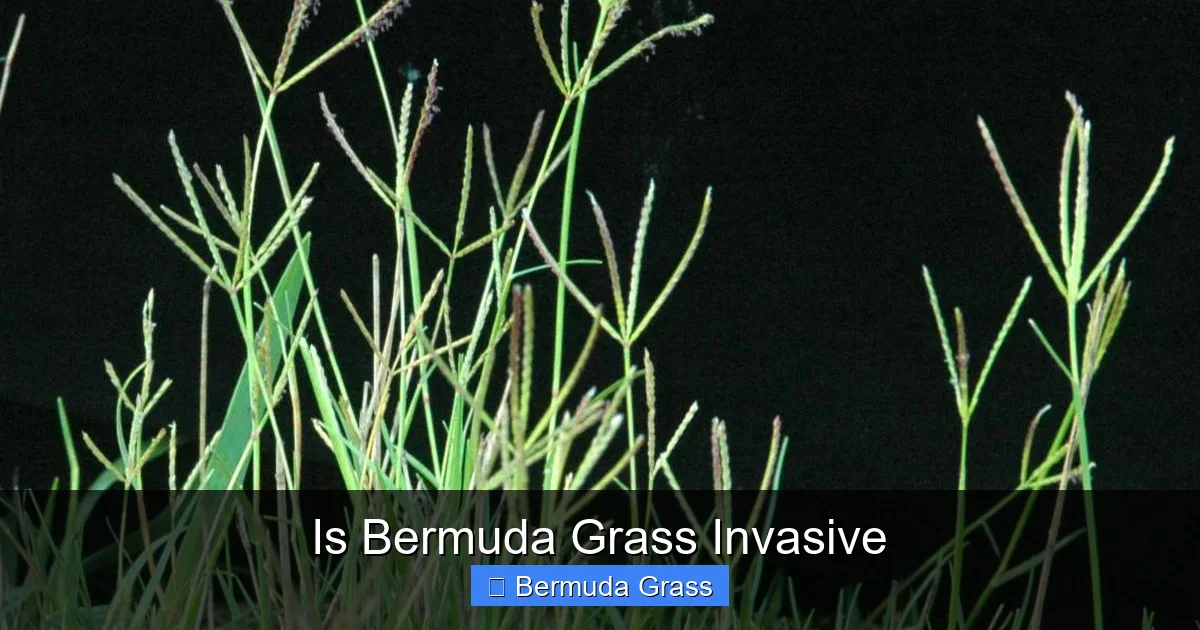
Visual guide about Is Bermuda Grass Invasive
Image source: greenseeds.net
Managing and Controlling Invasive Bermuda Grass
Step 1: Regular Maintenance
Consistent mowing helps prevent Bermuda grass from going to seed and spreading further. Keep your mower blades sharp and mow at the recommended height for Bermuda (about 1-2 inches).
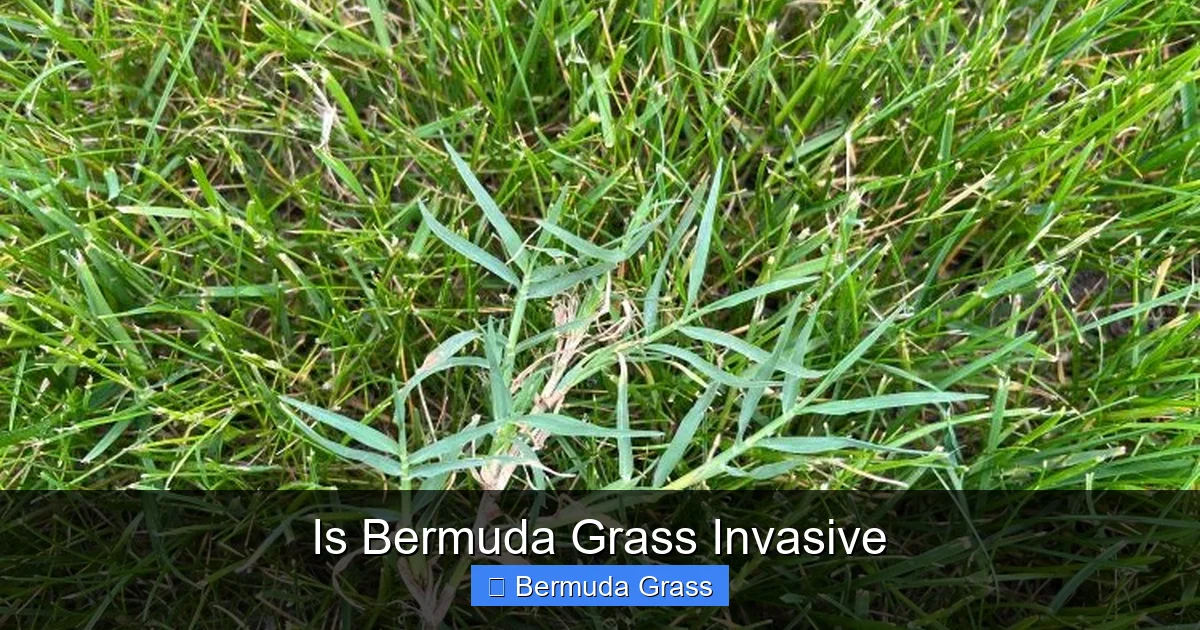
Visual guide about Is Bermuda Grass Invasive
Image source: canr.msu.edu
Step 2: Edging and Barriers
Use physical barriers like edging materials or underground barriers to contain its spread along borders. Regularly trim runners to prevent them from crossing into undesired areas.
Step 3: Manual Removal
For small patches, manually dig out Bermuda grass, including rhizomes and stolons. Use a spade or garden fork to lift and remove the roots. Be thorough to prevent regrowth.
Step 4: Chemical Control
Herbicides like glyphosate can effectively kill Bermuda grass patches. Apply carefully, following label instructions, and avoid overuse to protect surrounding plants.
Step 5: Overseeding and Replacement
If Bermuda grass has invaded a lawn, overseed with a less aggressive or native turfgrass to outcompete it. Proper lawn care, including fertilization and watering, helps maintain a healthy, resilient lawn.
Preventing Future Invasiveness
- Choose native grasses: Native species are less likely to become invasive and support local ecosystems.
- Limit seed dispersal: Remove seed heads before they mature to prevent spreading.
- Monitor regularly: Keep an eye on your lawn’s edges to catch early signs of invasion.
- Maintain healthy turf: A dense, healthy lawn resists invasion from Bermuda or other unwanted plants.
Environmental Factors That Influence Invasiveness
Climate, soil type, and moisture levels all impact Bermuda grass’s growth and potential to become invasive. Warm, sunny, and well-drained soils favor its spread. In cooler or less ideal conditions, Bermuda may be less aggressive.
Understanding your local environment helps in planning effective management strategies to prevent it from becoming invasive.
Conclusion
So, is Bermuda grass invasive? It can be, especially if not managed properly. Its rapid spreading through stolons and rhizomes makes it a vigorous ground cover, but with consistent maintenance and proper controls, you can keep it contained. Whether you’re planting Bermuda intentionally or dealing with unwanted patches, understanding its growth habits is the first step to managing it effectively. Remember, choosing native or less aggressive grasses might be a better option if invasiveness is a concern in your area. With proper care, you can enjoy a healthy, beautiful lawn without the worries of Bermuda grass taking over.
Additional Tips
- Always read and follow herbicide labels carefully.
- Avoid overwatering Bermuda grass, which can promote excessive spreading.
- Consult local extension offices or lawn care experts for area-specific advice.