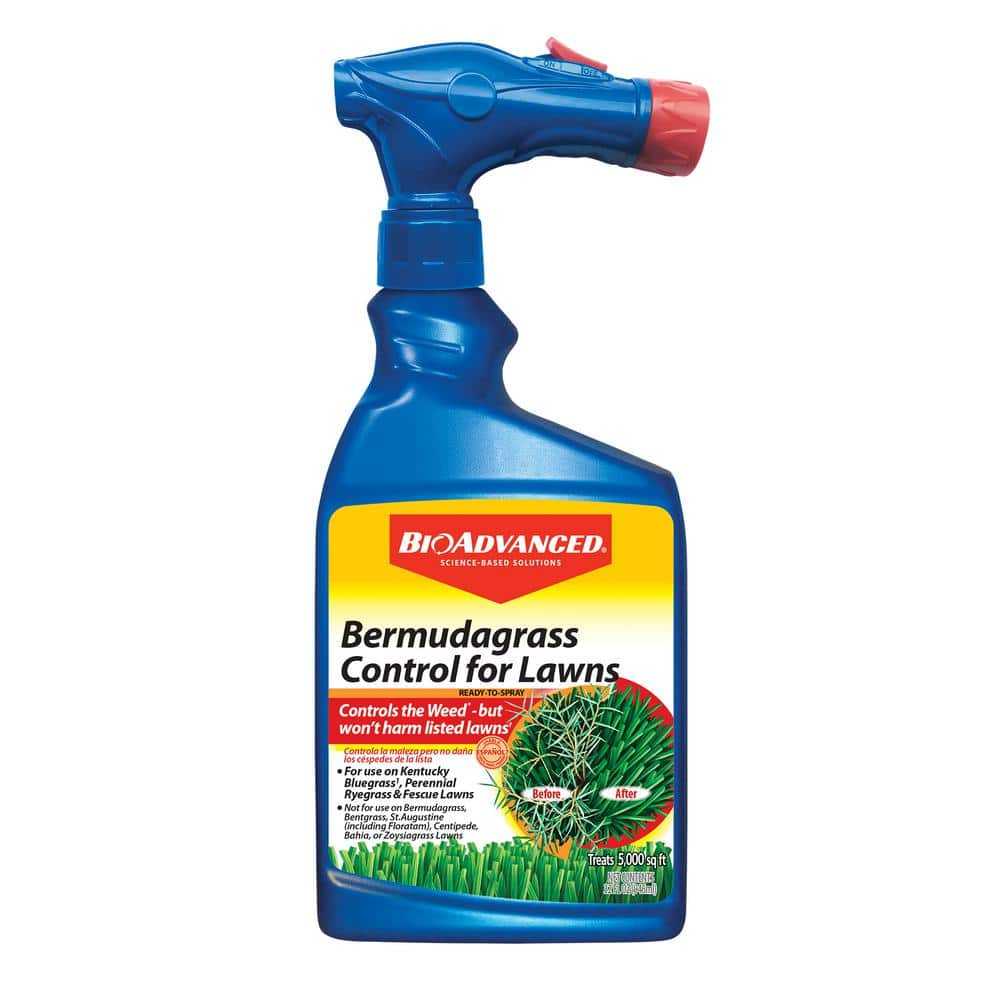
Looking for an effective way to get rid of unwanted weeds in your Bermuda grass without harming your lawn? The good news is there are safe, targeted weed killers that can help you keep your turf healthy and weed-free.
A safe weed killer for Bermuda grass is typically one that’s selective and specifically targets weeds without damaging the grass itself. Organic options like vinegar-based solutions or herbicides containing 2,4-D can be effective when used correctly.
If you’re struggling with weeds in your Bermuda grass and want a safe solution, choosing the right herbicide and applying it carefully is key. This ensures your lawn stays lush and healthy while weeds are kept at bay. Now, let’s dive into some practical tips and effective products to consider.

Bermuda Grass Safe Weed Killer: How to Keep Your Lawn Healthy and Weed-Free
Understanding Bermuda Grass and Its Growing Environment
Bermuda grass is a popular warm-season grass used in lawns, sports fields, and golf courses. It thrives in hot climates with plenty of sunlight and requires well-drained soil for healthy growth. Knowing its needs helps in choosing the right weed control methods that won’t harm it.
Common Weeds That Invade Bermuda Grass Lawns
Different weeds invade Bermuda grass, including crabgrass, dallisgrass, and goosegrass. These weeds compete with Bermuda for nutrients and water, making the lawn look uneven and patchy. Identifying these weeds early can help in selecting the safest and most effective weed killers.
Why Choose a Safe Weed Killer for Bermuda Grass?
Using a safe weed killer ensures the health of your Bermuda grass remains intact. Harsh chemicals can damage or kill your lawn, and may pose health risks to children or pets. A safe, selective weed control option targets weeds without harming the Bermuda grass.
Types of Safe Weed Killers for Bermuda Grass
Organic Weed Killers
Organic weed killers use natural ingredients like vinegar, salt, or citrus oils. They are environmentally friendly and safe for pets and children. However, they may require multiple applications for stubborn weeds and can sometimes affect nearby plants.
Selective Herbicides
Selective herbicides target specific weed types while leaving Bermuda grass unharmed. Look for products containing Quinclorac or Fenoxaprop which are known to control broadleaf and grassy weeds respectively. Always follow label instructions carefully to prevent damage.
Homemade Weed Control Solutions
You can make your own safe weed killer at home using common ingredients. For example:
- Mix equal parts of white vinegar and water, then add a few drops of dish soap to improve adhesion.
- Apply this solution directly to weeds on a dry, sunny day for best results.
Remember, homemade solutions may not be as selective and can harm your Bermuda grass if applied excessively.
How to Apply Safe Weed Killers Effectively
Proper application maximizes weed removal and minimizes harm to your lawn. Use a spray bottle or hose-end sprayer for even coverage. Avoid applying during windy days to prevent drift onto desirable grass.
Timing Matters
Apply weed killers when weeds are actively growing, usually in late spring or early summer. Early treatment prevents weeds from establishing deep roots and spreading.
Spot Treatment vs. Blanket Application
Spot treating individual weeds is more targeted and reduces risk to Bermuda grass. For larger infestations, a selective herbicide applied over the entire yard is more efficient.
Precautions When Using Weed Killers
Always read labels carefully before applying any weed killer. Wear protective gear like gloves and eye protection during application. Keep children and pets away until the product dries completely.
Preventing Weeds in Bermuda Grass
Prevention begins before weeds appear. Maintain a healthy lawn by:
- Proper watering to encourage strong grass growth.
- Mowing at the correct height to shade weeds and prevent seed formation.
- Applying a balanced fertilizer to promote dense, lush Bermuda grass.
Good lawn care reduces weed invasion and decreases the need for chemical control.
Alternative Natural Ways to Control Weeds
Besides chemical options, consider physical methods, such as:
- Manual removal: Pull weeds by hand, especially smaller ones.
- Using mulch to prevent weed seeds from germinating.
- Overseeding thin patches to create a dense lawn that weeds dislike.
These methods are eco-friendly and help maintain a safe environment.
Comparing Different Weed Control Products
Here is a comparison table for popular weed control options suitable for Bermuda grass:
| Product Type | Ingredients | Target Weeds | Safety for Bermuda Grass | Ease of Use |
|---|---|---|---|---|
| Vinegar Solution | White vinegar, dish soap | Broadleaf and grassy weeds | Low, may harm Bermuda if overused | Simple, DIY |
| Selective Herbicide | Quinclorac, Fenoxaprop | Crabgrass, goosegrass | High when applied correctly | Moderate, follow label instructions |
| Organic Herbicide | Citrus oils, natural acids | Weeds on contact | Very high, eco-friendly | Easy, usually ready-to-spray |
Choosing the Right Safe Weed Killer for Your Lawn
Select a weed killer based on your specific weed problem, lawn health, and safety concerns. Always opt for products labeled safe for Bermuda grass and follow application instructions precisely.
Long-term Lawn Care Tips for Weed Prevention
Consistent maintenance is key to reducing weeds over time. Regular aeration improves soil health, and overseeding fills in gaps, making it harder for weeds to establish.
Environmental Impact of Weed Killers
Opting for natural or selective weed killers minimizes pollution and protects beneficial insects and soil health. Avoid excessive use of harsh chemicals that can leach into groundwater.
Expert Advice and Professional Help
If weed problems persist, consult lawn care professionals for tailored solutions. They can recommend the best products that are safe for Bermuda grass and your environment.
Summary
Choosing a Bermuda grass safe weed killer requires understanding the types of weeds present, the safety profile of products, and their proper application. Combining targeted weed control with good lawn care practices creates a healthy, weed-free lawn that stays vibrant and safe for everyone.
By selecting organic or selective herbicides and following best practices, homeowners can effectively manage weeds without risking their Bermuda grass’s health or the environment. Regular maintenance, early treatment, and physical weed removal are all valuable tools for maintaining a lush, healthy Bermuda grass lawn free of unwanted invaders.
Getting Rid of Weeds in your Bermuda Grass for Beginners
Frequently Asked Questions
Is it safe to use weed killers on Bermuda grass without damaging the lawn?
Yes, you can use weed killers designed specifically for Bermuda grass that are safe for the lawn if you follow the application instructions carefully. Select products labeled as safe for Bermuda grass and avoid over-application to prevent stress or damage to your turf.
What natural or organic options are available for controlling weeds in Bermuda grass?
There are several organic approaches, such as manually removing weeds, using vinegar solutions, or applying corn gluten meal. These options can help control weeds without harming Bermuda grass, especially when used appropriately and selectively.
How often should I apply a weed killer to keep Bermuda grass healthy and weed-free?
Apply weed killers as recommended on the product label, usually every 4 to 6 weeks. Maintaining a regular schedule helps prevent weed growth while allowing Bermuda grass to recover and stay healthy.
Can I reseed my Bermuda grass after using a weed killer?
Yes, reseeding is possible after applying a weed killer, but you should wait until the treated area has fully recovered and any residual chemicals have dissipated. This typically means waiting a few weeks before overseeding to ensure the new grass establishes well.
Final Thoughts
Choosing a safe weed killer for Bermuda grass is essential for maintaining a healthy lawn. Look for products that target weeds without harming the grass, and always follow the instructions carefully.
Natural or organic options are often the best choice for safety and environmental reasons. Regular maintenance and proper lawn care also reduce weed growth effectively.
In conclusion, for a safe solution, consider using a ‘bermuda grass safe weed killer’ to keep your lawn healthy and free of unwanted weeds.