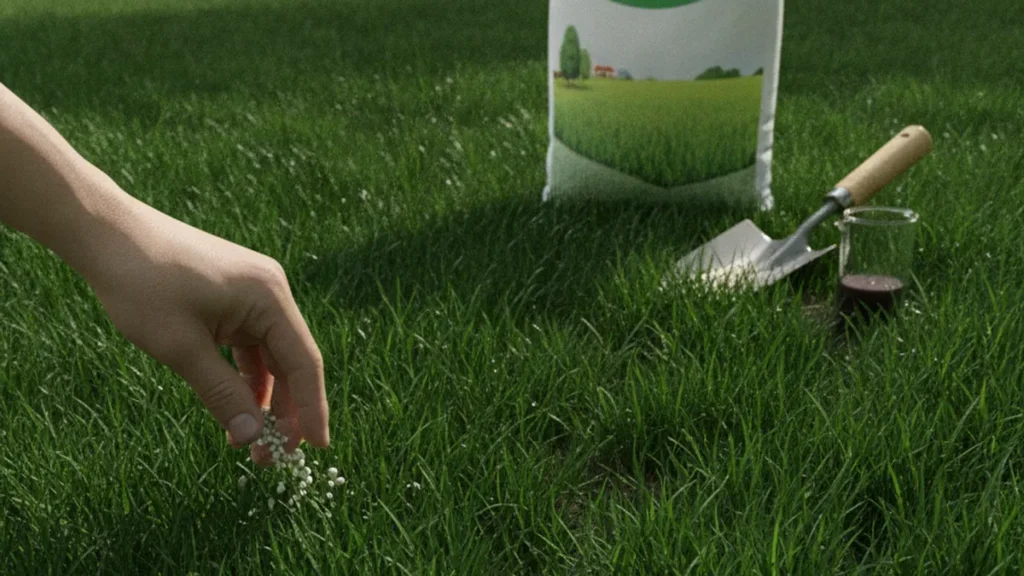
Dreaming of a lawn so thick and green it practically leaps out of the ground? You're not alone; that lush, carpet-like turf is the envy of the neighborhood. But sometimes, no matter how much you water and mow, your grass just seems… thin. Understanding what your lawn needs is the first step to achieving that dense, healthy look.
So, what is the best fertilizer to thicken grass? It’s not a single magic bullet, but rather a carefully chosen blend that feeds your turf the right nutrients at the right time. Most lawn foods rely on a trio of primary nutrients, with nitrogen playing a starring role in leaf growth and that desirable green color. For instance, fertilizer bags often display an N-P-K ratio, like 20-5-10, indicating the percentage by weight of Nitrogen (N), Phosphorus (P), and Potassium (K).
Understanding Lawn Food: What Makes Grass Grow Thick?
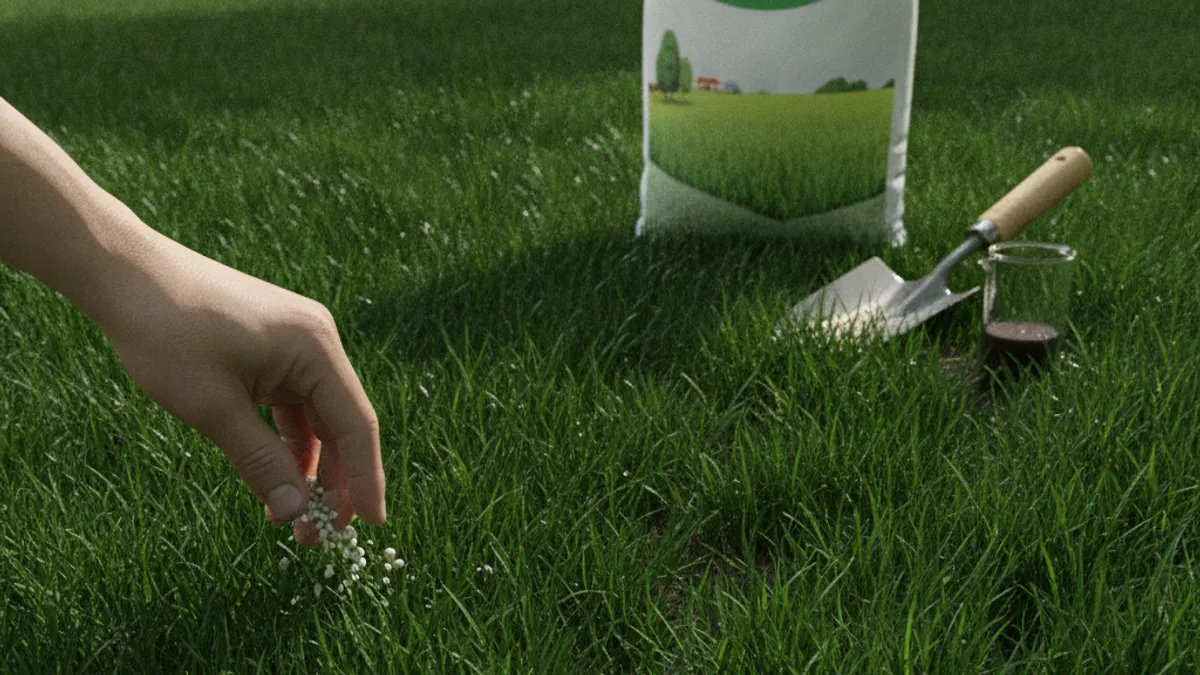
When you're aiming for a thicker lawn, you're essentially trying to encourage more grass blades per square inch. This means giving your turf the building blocks it needs to grow robustly. The foundation of almost any effective lawn fertilizer is its nutrient content, primarily the macronutrients: nitrogen, phosphorus, and potassium.
The Nitrogen Connection: Fueling Leaf Growth
Nitrogen (N) is the workhorse nutrient for grass. Its primary job is to stimulate the production of chlorophyll, the pigment responsible for photosynthesis, which in turn drives leafy growth. In simple terms, nitrogen makes your grass grow taller and fuller, pushing out more blades. Our research shows that fertilizers with higher nitrogen content typically result in faster greening and increased top growth, which is exactly what you want when aiming for density.
As of 2026, most turf fertilizers contain between 20% and 40% nitrogen by weight.
Phosphorus and Potassium: The Root and Resilience Crew
While nitrogen gets a lot of the glory, phosphorus (P) and potassium (K) are equally vital. Phosphorus is crucial for root development, helping your grass establish a strong foundation. A robust root system means better nutrient and water uptake, which supports overall healthier, denser growth. Potassium, on the other hand, increases your lawn's overall resilience.
It helps grass withstand stress from drought, heat, disease, and even heavy foot traffic. Think of them as the supporting cast that keeps the star (nitrogen) shining.
Key Fertilizer Ingredients for a Fuller Lawn
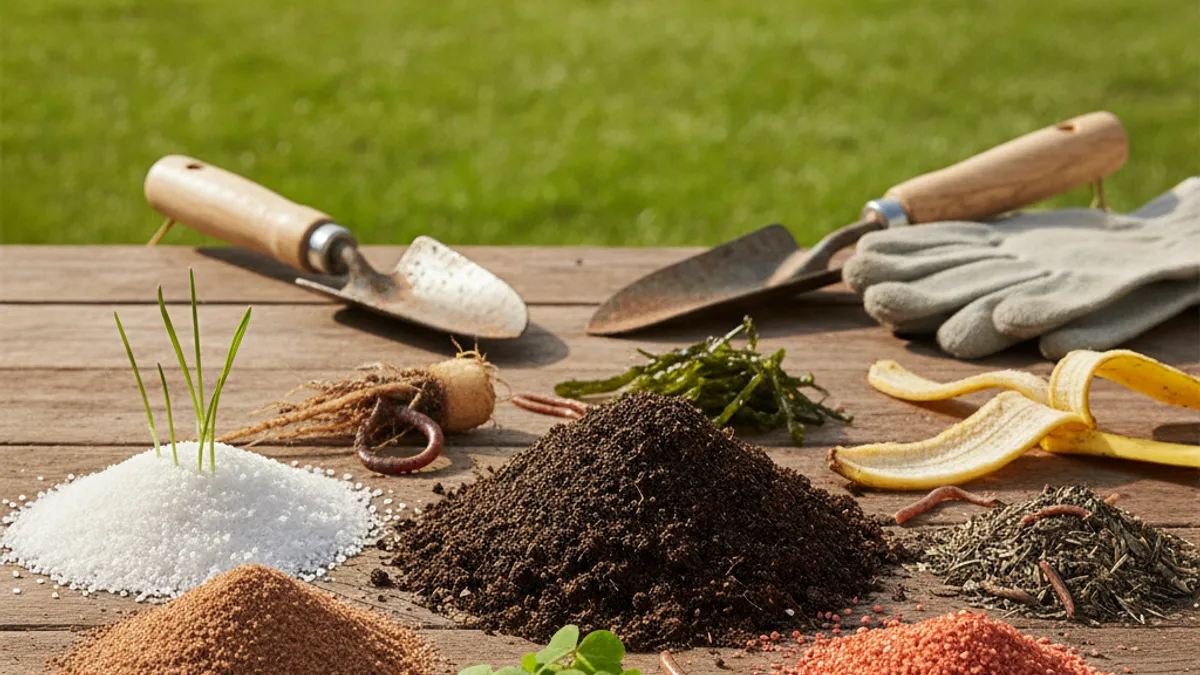
To truly thicken your grass, you need to look beyond just "fertilizer" and understand the specific components that make a difference. This involves decoding the numbers on the bag and understanding how different ingredients work together, or sometimes apart, to promote turf health.
NPK Ratio Explained: Decoding the Numbers
The N-P-K ratio you see on every fertilizer bag is a simple but powerful way to understand its primary nutrient profile. The numbers represent the percentage by weight of Nitrogen (N), Phosphorus (P), and Potassium (K) in the product. For example, a 10-10-10 fertilizer contains 10% nitrogen, 10% phosphorus, and 10% potassium. To thicken grass, you'll generally want a fertilizer with a higher first number (nitrogen).
However, a completely balanced ratio like 10-10-10 can still be effective if your soil tests indicate deficiencies in P or K.
Slow-Release vs. Quick-Release Nitrogen: Which is Better for You?
When it comes to nitrogen, there are two main types: quick-release and slow-release. Quick-release nitrogen works fast, giving your grass an immediate green-up and growth spurt. This can be great for a quick fix, but it often leads to rapid, sometimes leggy, growth that can be susceptible to stress and may require more frequent applications. Slow-release nitrogen, often derived from urea-formaldehyde or polymer-coated sources, feeds your lawn gradually over several weeks or even months.
This promotes a more steady, consistent growth pattern, leading to a more uniformly thick lawn without the risk of burning or excessive mowing. For sustained thickening and a healthier lawn overall, aggregate reviews show that slow-release nitrogen is generally preferred.
The Importance of Micronutrients for Deep Green
While N-P-K are the heavy hitters, don't overlook the micronutrients. These are elements like iron, manganese, magnesium, and zinc, needed in smaller amounts but essential for optimal plant function. Iron, in particular, is critical for chlorophyll production and gives grass its deep, rich green color. Many fertilizers include a micronutrient package to ensure your lawn has all the tools it needs for vibrant health and thickness.
A lack of iron, for instance, can lead to a paler green, less vigorous turf. Manufacturer specifications often list these additional nutrients on the packaging.
Different Fertilizer Types to Consider
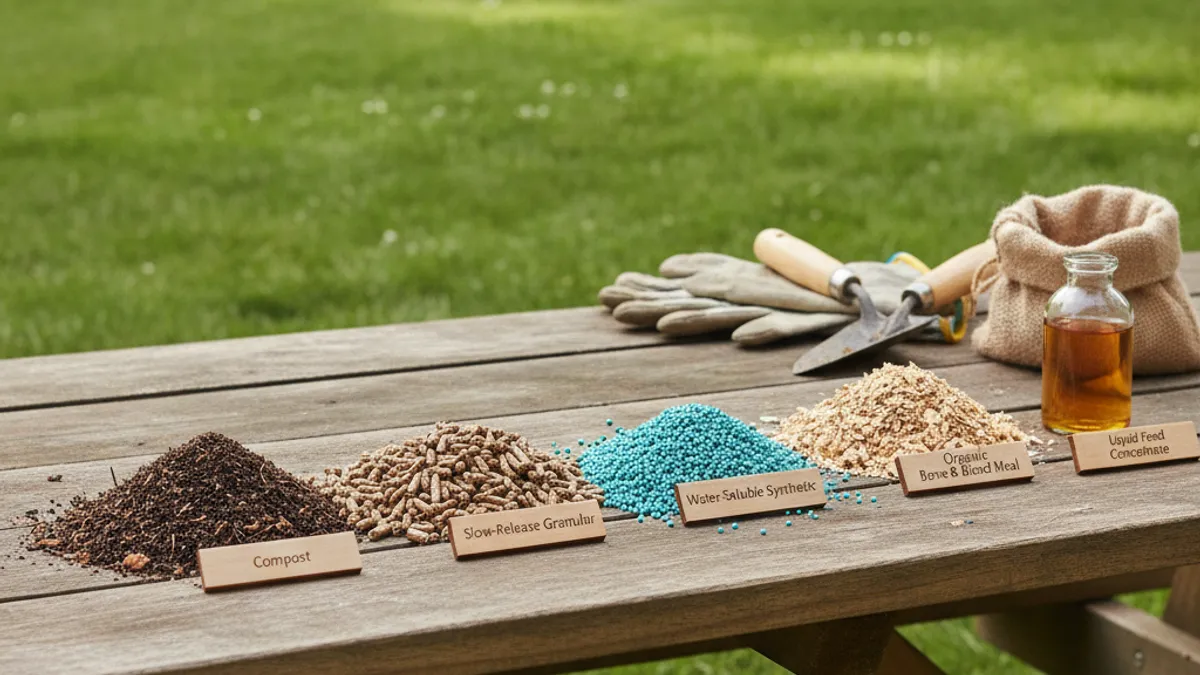
The "best" fertilizer for thickening your grass isn't a singular product but rather a category that fits your lawn's specific needs, your soil, and your preferences. Understanding the basic types will help you make an informed choice.
Synthetic Fertilizers: The Fast-Acting Option
These are chemically manufactured fertilizers designed for specific nutrient delivery. They often provide a rapid boost to lawn growth and greening, thanks to readily available nutrients. Synthetic fertilizers are typically formulated with precise N-P-K ratios and can be very effective for quick results. However, if over-applied, they carry a higher risk of burning your lawn and can contribute to nutrient runoff if not applied carefully.
They are generally less expensive upfront than organic options.
Organic Fertilizers: The Soil-Building Approach
Organic fertilizers are derived from natural sources like compost, manure, bone meal, or plant matter. They work by feeding the soil microbes, which in turn release nutrients slowly and steadily, building soil health over time. While they may not provide the immediate dramatic green-up of synthetics, they are excellent for long-term lawn health and sustainability. Organic options are much less likely to burn your lawn and contribute to improved soil structure, leading to a more resilient and ultimately thicker turf over seasons.
Granular vs. Liquid Fertilizers: Application and Impact
Fertilizers come in both granular and liquid forms.
- Granular fertilizers are small pellets that you spread across the lawn, typically with a broadcast or drop spreader. They are common, easy to apply, and often incorporate slow-release technologies. The nutrients are released as the granules break down, usually with watering.
- Liquid fertilizers are mixed with water and applied using a hose-end sprayer or a pump sprayer. They provide near-instant nutrient uptake by the grass blades, leading to very quick greening. While effective for a fast boost, liquid fertilizers generally offer less sustained nutrition compared to slow-release granular options and may require more frequent applications for thickening.
When to Fertilize for Maximum Thickness
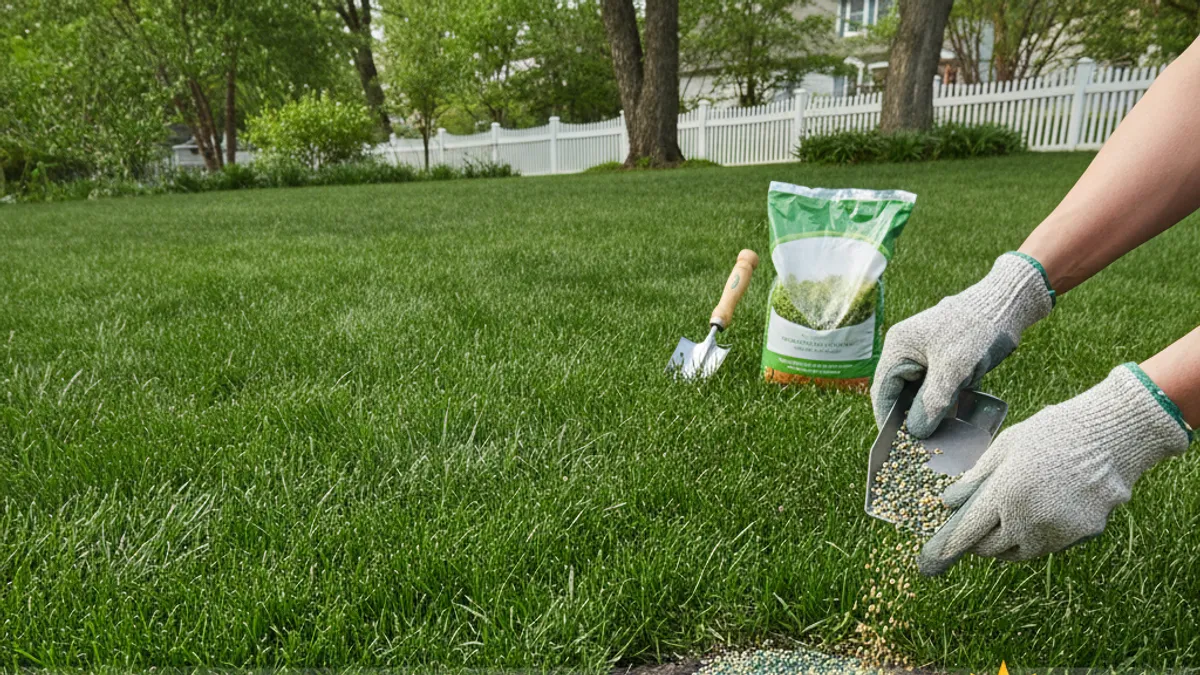
Timing is everything when it comes to feeding your lawn, especially if your goal is thickening. Fertilizing at the wrong time can be ineffective, or worse, harmful. The key is to provide nutrients when the grass is actively growing and can best utilize them.
Spring Feeding: Kickstarting Growth
Spring is a prime time to fertilize, as your lawn is emerging from dormancy and gearing up for its most vigorous growth period. A spring feeding, ideally with a fertilizer that has a good amount of slow-release nitrogen, helps fuel the production of new grass blades. This application is crucial for filling in any thin spots that may have appeared over winter and for building a dense canopy early in the season. Aim for fertilizing around the time you start your regular mowing schedule, once the grass is actively growing.
Fall Feeding: Building for Next Year
While spring feeding is about current growth, fall fertilization is about preparing for the future. This is perhaps the most critical feeding of the year for lawn health and density. A fall fertilizer, particularly one with a good potassium content, helps grass store energy it will need to survive winter and green up quickly in the spring. It also promotes root development, which is vital for long-term turf resilience and thickness.
Many experts recommend fertilizing in early to mid-fall, several weeks before the first hard frost.
Avoiding Summer Stress: When and How to Skip
During the heat of summer, many cool-season grasses (like Kentucky bluegrass or fescues) go into a semi-dormant state to conserve energy. Fertilizing during this period can stress the grass, increase its water needs, and potentially cause damage. Warm-season grasses (like Bermuda or zoysia) are actively growing in summer, but even then, heavy fertilization can lead to excessive thatch buildup or disease. If you must fertilize in summer, choose a very light application of a slow-release, low-nitrogen formula, and always water it in thoroughly.
For most homeowners, it's best to skip fertilization during the hottest months.
How to Choose the Right Fertilizer for Your Lawn
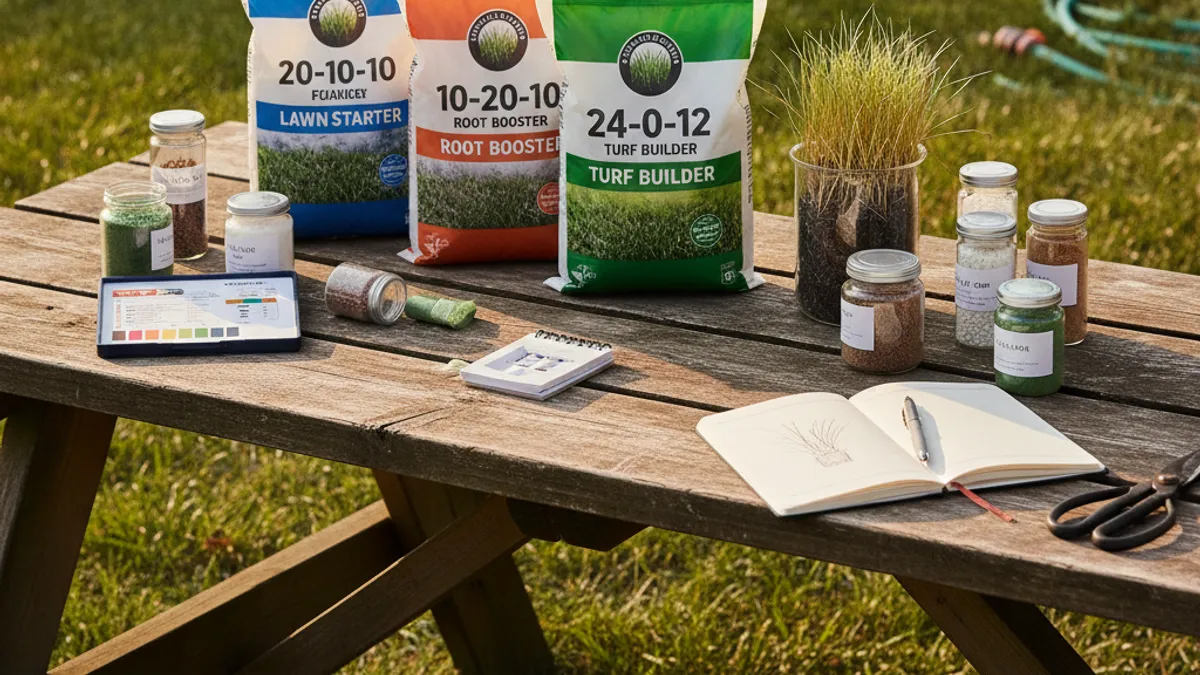
Choosing the right fertilizer really comes down to understanding your lawn's situation and what you want to achieve. It's not just about picking the bag with the highest nitrogen number; it's about a more informed approach to feeding your turf.
Step 1: Assess Your Lawn's Needs (Soil Test is Key!)
Before you buy any fertilizer, do yourself a favor and get a soil test. This is the single most important step in making sure you're using the right product. A test reveals the pH of your soil and the levels of essential nutrients, like phosphorus and potassium. Most university extension offices offer affordable soil testing kits.
Knowing your soil's baseline prevents you from adding nutrients it already has in abundance, which is wasteful, and ensures you address any deficiencies that might be hindering grass thickness.
Step 2: Match Fertilizer to Your Grass Type and Goals
Once you have your soil test results, you can start matching fertilizer to your specific needs. If your goal is purely thickening, you'll likely lean towards fertilizers with a higher nitrogen content, typically in the range of 20-30% of the total NPK value. For cool-season grasses, applying this in spring and fall is ideal. For warm-season grasses, summer applications are appropriate, but always with caution.
If your soil test shows low phosphorus, a "starter fertilizer" (often with a higher middle number, like 10-20-10) can be beneficial for root development, which indirectly supports thickness. If potassium is low, look for formulas that balance all three.
Step 3: Consider Your Climate and Seasonal Timing
Your local climate plays a huge role in what fertilizer works best and when. For many cool-season grasses found in northern regions, over-fertilizing in the summer when temperatures are high can lead to disease or stress. In these areas, focus on spring and fall applications. For warm-season grasses in the South, summer is their active growing period, so fertilization is more appropriate then, but still requires caution.
Always check local recommendations from your area's cooperative extension service.
Comparing Top Fertilizer Choices for Thickening
When you're on the hunt for that perfect fertilizer to make your grass dense and healthy, you'll find a few common types that consistently perform well. Each has its strengths, making them suitable for different lawn-care philosophies and specific needs.
High Nitrogen Blends (e.g., 20-5-10): For Rapid Greening and Density
These formulas are designed for one primary purpose: to promote vigorous leafy growth. With a nitrogen content often in the 20-30% range, they deliver a powerful punch when your lawn needs a boost. You'll see results relatively quickly in terms of greening and increased blade production. They are typically excellent for overseeding applications or for filling in bare patches.
However, their effectiveness is maximized when paired with a good slow-release nitrogen source to prevent rapid, weak growth and potential turf burn.
Balanced NPK Formulas (e.g., 10-10-10): For Overall Health
A balanced fertilizer like 10-10-10 is a true all-around performer. It provides equal amounts of nitrogen, phosphorus, and potassium, ensuring that your lawn receives a comprehensive nutrient package. This is a fantastic choice if your soil test indicates no major deficiencies and you're simply looking for consistent, healthy growth. While it won't give you the dramatic surge of a high-nitrogen blend, it builds a strong, resilient lawn over time, which is crucial for sustained thickness and health.
Organic Options (e.g., Compost, Manure-Based): For Soil Health and Gradual Growth
Organic fertilizers are great if you're patient and prioritize soil health as much as grass growth. Think of products derived from composted manure, plant meals, or worm castings. They release nutrients slowly, feeding your lawn over an extended period. This gradual feeding mechanism is excellent for preventing thatch buildup and promoting a healthier soil ecosystem.
While the initial green-up might be slower compared to synthetics, the long-term benefits to soil structure and the lawn's ability to thicken sustainably are significant. Research indicates that organic matter content in soil directly correlates with better turf performance.
Common Mistakes That Sabotage Lawn Thickness
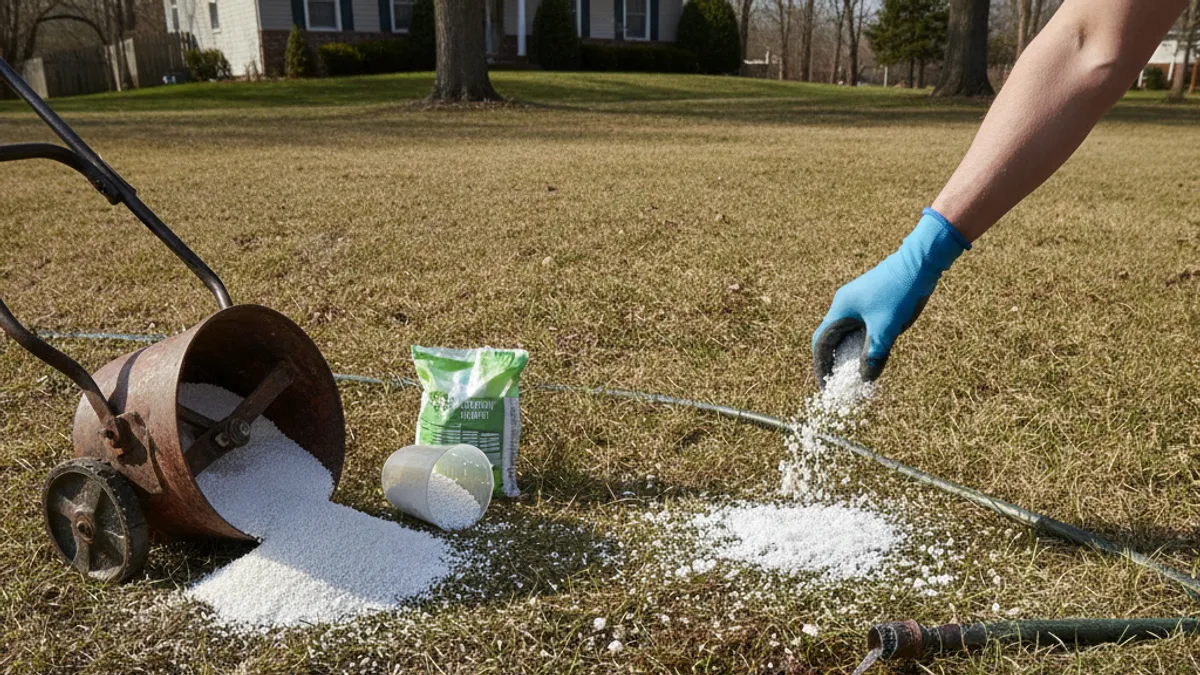
Even with the best intentions and the right fertilizer, you can still run into issues that prevent your lawn from reaching its full, thick potential. Many of these come down to simple application errors or misunderstanding how fertilizer works.
Over-Fertilizing: The Burn Risk
Applying too much fertilizer, especially synthetic varieties, is a surefire way to damage your lawn. This is commonly referred to as "fertilizer burn." It appears as yellow or brown dry patches that can spread quickly. Over-fertilization can also lead to excessive thatch buildup and potentially harm beneficial soil organisms. Always follow the application rate recommended on the fertilizer packaging, usually expressed in pounds per 1,000 square feet.
For instance, a typical recommendation might be 1 lb of actual nitrogen per 1,000 sq ft.
Under-Fertilizing: Stunted Growth
On the flip side, not applying enough fertilizer, or not fertilizing at all, means your grass simply won't have the nutrients it needs to grow vigorously and thicken. This results in slow growth, pale green color, and a lawn that's more susceptible to weeds and environmental stress. If you're seeing persistent thinness and weak growth, it might be a sign that your lawn is hungry. A soil test can confirm if nutrient deficiency is the culprit.
Applying at the Wrong Time
As we've discussed, fertilizing when your grass is dormant or stressed (like during peak summer heat for cool-season grasses) can do more harm than good. It forces the grass to grow when it's not equipped to handle the demand, leading to unhealthy development. Always fertilize during your grass's active growing seasons, typically spring and fall for cool-season turf, and summer for warm-season turf.
Forgetting to Water It In
Many granular fertilizers require watering after application to activate. This helps move the nutrients from the granule into the soil where the grass roots can access them. It also washes any fertilizer granules off the grass blades, reducing the risk of burn. If you've applied fertilizer and then experience a prolonged dry spell, your lawn might show signs of stress.
Always check the product label for specific watering instructions, which are often stated as "water in thoroughly within 24-48 hours."