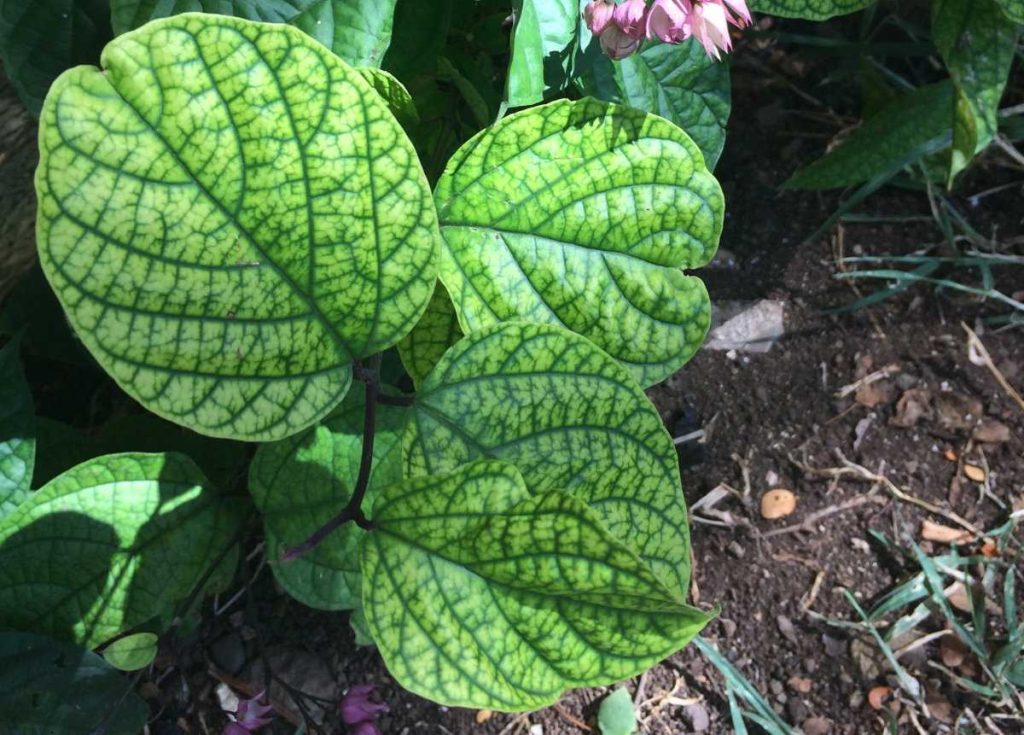
If your trees and shrubs are showing signs of iron chlorosis, which typically manifests as yellowing leaves with green veins, there are effective ways to treat it. Start by testing the soil pH to confirm the presence of alkaline conditions that can limit iron availability. Applying chelated iron or iron sulfate directly to the soil can help, along with adjusting the soil pH through amendments like sulfur. Regular watering and mulching can also support healthy root growth and improve nutrient uptake. By addressing iron deficiency promptly, you can revive your plants and restore their lush green appearance.
Iron chlorosis can be a perplexing issue for gardeners, but understanding its causes and remedies can make a world of difference to your landscape. This condition often arises in alkaline soils, particularly when the pH levels are too high for trees and shrubs to absorb iron effectively. As a result, the plants may begin to exhibit symptoms like yellowing leaves and stunted growth. Thankfully, there are various treatments available to combat this issue, from soil amendments to foliar sprays. In this article, we’ll explore practical steps to diagnose and treat iron chlorosis, ensuring your trees and shrubs thrive once again. Let’s delve into the solutions that will help restore the vibrant greenery of your beloved plants.

How To Treat Iron Chlorosis Trees Shrubs
Iron chlorosis is a common issue affecting various trees and shrubs, leading to pale yellow leaves while keeping the veins green. This condition often occurs due to insufficient iron in the soil or poor conditions that prevent plants from absorbing nutrients effectively. Understanding how to tackle this issue is essential for maintaining the health and beauty of your landscape.
Understanding Iron Chlorosis
Iron chlorosis occurs when trees and shrubs cannot access enough iron. This can happen for several reasons:
- High soil pH levels
- Compact soil that inhibits root growth
- Overwatering or poor drainage
- Soil with low organic matter
Recognizing the symptoms of iron chlorosis is crucial. Trees and shrubs typically exhibit yellowing leaves, particularly on newer growth, while the veins may remain green. If left untreated, it can lead to stunted growth and even death of the plant.
Identifying the Cause of Iron Chlorosis
To effectively treat iron chlorosis, you must first identify its cause:
Soil pH Testing
Testing the soil pH is the first step. A pH above 7.0 often indicates alkaline conditions that can lead to iron deficiencies. You can use a simple soil pH test kit available at garden stores.
Soil Composition
Look at the soil’s texture and composition. Heavy clay soils can retain water, which may prevent root systems from accessing oxygen and nutrients. Moreover, poor drainage can exacerbate chlorosis.
Improving Soil Conditions
Once you’ve identified the cause, improving soil conditions is essential in treating iron chlorosis.
Amending Soil pH
If your soil is too alkaline, you can lower the pH by adding sulfur or organic materials that acidify the soil.
- Elemental sulfur: Use 1 to 2 pounds per 100 square feet.
- Organic mulches: Oak leaves or pine needles can help acidify the soil.
Enhancing Soil Drainage
If drainage is an issue, consider amending the soil with organic matter like compost. This helps improve soil structure and encourages better root growth.
Fertilization Strategies
Fertilization can also play an important role in treating iron chlorosis.
Using Iron Supplements
Iron supplements can quickly alleviate chlorosis in trees and shrubs. There are various forms, including:
- Iron chelate: A very effective option that allows plants to absorb iron quickly.
- Iron sulfate: This is another method but requires lower pH for maximum effectiveness.
Application Methods
You can apply iron supplements in several ways. Here are the most common methods:
- Foliar application: Mix iron chelates with water and spray directly onto the leaves.
- Soil drench: Mix the iron supplement with water and pour around the plant’s base.
Each method has its advantages, depending on the severity of the chlorosis.
Watering Techniques
Proper watering can also improve iron uptake in trees and shrubs.
Adjusting Watering Practices
Ensure that you are not overwatering your trees and shrubs.
- Water deeply but infrequently to encourage deep root growth.
- Check the moisture level using your finger or a soil moisture meter.
This practice helps develop a robust root system while avoiding conditions that lead to root rot.
Choosing the Right Plants
If you live in an area with naturally high soil pH, consider planting trees and shrubs that are less susceptible to iron chlorosis.
Acid-Loving Plants
Plants that thrive in acidic soils will have a better chance of longevity and will require less maintenance in terms of iron treatments.
Some examples include:
- Azaleas
- Rhododendrons
- Blueberries
Regular Maintenance Practices
Maintaining a regular care routine is essential for the long-term health of your trees and shrubs.
Mulching
Mulching around the base of your plants can help retain moisture and moderate soil temperature.
Using organic mulch can also improve soil quality over time as it breaks down.
Monitoring Plant Health
Keep an eye on your trees and shrubs. Look for any signs of distress:
- Wilting leaves
- Discoloration
- Stunted growth
Early detection of issues will enable you to address them promptly before they become severe.
Seasonal Care and Timing
Understanding the best times to treat your plants is crucial for effective results.
Spring Treatments
Spring is an excellent time to address iron chlorosis.
- Apply soil amendments early, before new growth starts.
- Test soil pH and amend accordingly.
Fall Maintenance
Fall is another critical time to care for your trees and shrubs.
Adding organic matter to the soil now can prepare them for the winter months.
Treating iron chlorosis in trees and shrubs requires a combination of identifying the cause, improving soil conditions, and regularly maintaining your plants. By understanding the needs of your landscape, you can promote healthy growth and vibrant foliage, ensuring your trees and shrubs thrive in their environment. Investing the time and effort into maintaining proper care will pay off with lush, green plants. Remember to monitor their condition regularly and adjust your care practices as necessary to keep them healthy.
We've Changed How We're Treating Yellowing Foliage and It's Working! 🌿💪 // Garden Answer
Frequently Asked Questions
“`html
What are the signs of iron chlorosis in trees and shrubs?
Iron chlorosis typically manifests through yellowing leaves, particularly in young foliage. The veins often remain green, creating a contrasting appearance. Affected plants may exhibit stunted growth and leaf drop as chlorosis progresses, leading to overall decline if not treated promptly.
What soil conditions contribute to iron chlorosis?
Poor drainage, high soil pH, and compacted soils frequently lead to iron chlorosis. These conditions hinder the plant’s ability to uptake iron from the soil. Sandy soils can also contribute, as they may lack adequate organic matter to retain moisture and nutrients.
How can I prevent iron chlorosis in my garden?
To prevent iron chlorosis, regularly test your soil to ensure proper pH levels, ideally between 6.0 and 6.5 for most plants. Incorporate organic matter to improve soil structure and drainage. Additionally, mulch around plants can help retain moisture and provide nutrients, supporting healthy growth.
Are there any specific fertilizers that can help with iron chlorosis?
Fertilizers containing chelated iron, such as iron sulfate or iron chelate, effectively combat iron chlorosis. Applying these fertilizers according to the manufacturer’s instructions can help restore the necessary iron levels in the soil, promoting greener, healthier foliage.
Can pruning help manage iron chlorosis?
Pruning can assist in managing iron chlorosis by removing dead or diseased branches, which helps improve air circulation and overall plant health. However, it won’t directly address the underlying iron deficiency. Combine pruning with soil amendments and appropriate fertilization for best results.
“`
Final Thoughts
Treating iron chlorosis in trees and shrubs requires timely intervention and specific techniques. Regularly applying chelated iron or iron sulfate can effectively address nutrient deficiencies. Additionally, adjusting soil pH and enhancing drainage can prevent further issues.
Implementing these methods ensures healthier plants that thrive instead of suffering from chlorosis. By following these steps, you can successfully manage iron chlorosis and promote vibrant growth. Ultimately, understanding how to treat iron chlorosis trees shrubs leads to a thriving landscape that enhances your yard’s beauty.