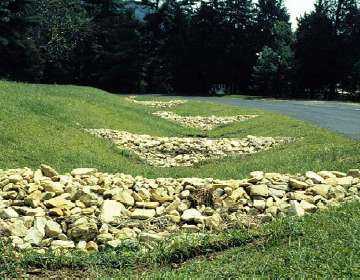
To effectively manage lawn water flow, creating swales is an eco-friendly and simple solution. Swales are shallow, broad ditches that direct excess water away from your lawn, preventing erosion and promoting healthy drainage. To build them, you’ll need to identify low points on your property and dig gently sloped trenches, filling them with grass or mulch to encourage water absorption. Regular maintenance ensures they work efficiently. By incorporating swales into your landscape, you can reduce water runoff, protect your soil, and keep your lawn healthier year-round.
If your lawn tends to flood or wash away during heavy rains, swales can be the perfect fix. They work by intercepting and redirecting water flow, helping to prevent pooling and erosion. Creating these features involves choosing the right location, digging shallow trenches that follow the natural slope of your land, and shaping them to guide water away from problem areas. With some basic tools and planning, you can design a landscape that manages water naturally and sustainably, saving you time and effort on lawn repairs while supporting a greener, more resilient yard.

How to create swales to manage lawn water flow
Creating swales is a simple and effective way to control how water moves across your lawn. Swales help prevent water from pooling in unwanted spots and can direct rainwater where it is needed most. Building swales can also improve your yard’s health by encouraging healthy soil and plant growth. Let’s explore how you can create swales that work well with your lawn’s natural landscape.
Understanding what swales are
Swales are shallow, broad ditches dug into the ground to catch and direct rainwater. They usually follow the natural contours of your land. Swales are not deep trenches but gentle slopes that slow down water runoff, allowing it to soak into the soil.
Why use swales for lawn water management
Swales offer many benefits for your yard. They reduce erosion by slowing water flow. They also help recharge underground water supplies. Additionally, they can protect your lawn from flooding after heavy rains and improve the overall health of your grass and plants.
Assessing your lawn’s landscape before building
Before digging swales, examine your yard carefully. Look for areas where water tends to collect or run off quickly. Use a simple test: after a rainstorm, check where the water pools. These spots can be good locations for placing swales.
Identifying natural slopes
Observe the natural slopes of your yard to determine the best locations for swales. Swales should follow the existing contours to work with gravity. Use a level or a long straight board to find the gentle rises and dips in your landscape.
Mapping your yard for swale placement
Create a rough map of your yard. Mark areas where water drains or pools. Draw lines along the natural slopes where you plan to place your swales. This plan will help guide your digging process and ensure the swales are effective.
Designing your swales
Good design is key for effective water management. Swales should be wide, shallow, and follow the land’s natural contours. They typically have a slight berm or ridge on the downhill side to prevent water from spilling over.
Choosing the size and shape of your swales
The size depends on the amount of water you want to manage. For most lawns, a width of three to six feet and a depth of about one foot work well. Shape the swales as gentle curves that follow the natural terrain.
Positioning the swales
Place swales across areas where water flows downhill. They should be spaced based on rainfall volume and slope steepness. The wider and shallower the slope, the larger the swale needed to handle water.
Creating a flow plan
Plan how water will flow into, through, and out of each swale. Ensure water moves smoothly from one swale to the next or to a drainage area like a rain garden or pond.
Gathering materials and tools
To build effective swales, gather essential tools and materials. A shovel, rake, level, measuring tape, and marking flags are needed. You may also want materials like mulch, rocks, or compost to enhance soil absorption.
Preparing the site for digging
Clear the area where you plan to dig. Remove grass, weeds, and rocks to make it easier to work. Mark the edges of your swale with stakes or flags to keep your lines straight and accurate.
Digging the swales
Follow your mapped lines closely. Use a shovel or a mechanical digger for larger projects. Dig along the marked contours, maintaining a consistent width and depth.
Shaping the berms and bottoms
Create a gentle slope on the sides of the swale. The bottom should be level or slightly sloped toward your drainage area. The berm or ridge on the downhill side should be about six inches higher than the surrounding ground.
Ensuring proper water flow
Check that water flows naturally into the swale without pooling or overflowing. Adjust the shape if necessary. Avoid creating sharp corners that could slow or block water flow.
Adding soil and plantings
Once the swale is dug, consider adding compost or mulch to improve soil absorption. Planting native grasses or shrubs on the berms enhances stability and attracts beneficial insects.
Vegetation choices for swales
Select plants that tolerate wet and dry conditions. Native grasses, sedges, and small bushes are ideal. They help hold soil in place and improve water filtration.
Planting tips
Plant your chosen vegetation along the berms and sides of the swale. Water thoroughly after planting. Regular maintenance encourages healthy growth and long-lasting results.
Maintaining your swales
Proper maintenance ensures your swales stay functional. Regularly check for erosion, sediment build-up, or damage. Remove debris and replant areas if plants die.
Inspecting for erosion and sediment
Erosion can undermine your swale’s structure. Fill in any gaps with soil and replant necessary vegetation. Sediment build-up may clog the flow, so clear out debris and excess soil.
Preventing weed growth
Keep weeds out of your swales by mulching or planting dense ground cover. This reduces competition for water and maintains the integrity of your swale system.
Enhancing water absorption and landscape benefits
Swales do more than manage water. They can improve soil health, support plant growth, and create attractive landscape features. Adding organic matter like compost boosts soil porosity and water retention.
Using mulch for moisture retention
Apply a layer of mulch along the swale to slow evaporation and prevent weed growth. Mulch also adds nutrients to the soil over time.
Incorporating rain gardens nearby
Place rain gardens at the outlet of your swale to collect excess water. They create additional filtration and can serve as beautiful landscape spots.
Additional tips for successful swale creation
Plan carefully, follow natural contours, and use quality materials. Be patient as your landscape adjusts, and make adjustments as needed. Small improvements can lead to better water management over time.
Working within local regulations
Check with your local authorities if permits are needed for significant earth-moving. Ensure your swale design complies with regional stormwater rules.
Seeking professional advice
Consult landscape architects or soil specialists if your yard is large or has complex drainage issues. Their expertise can help you optimize your swale system.
Related topics
- Rainwater harvesting systems
- Creating rain gardens
- Controlling erosion in lawns
- Using native plants for landscaping
- Soil testing and improvement techniques
Creating swales tailored to your yard’s specific needs can significantly improve water management. They help you use rainwater effectively, protect your lawn from erosion, and support a healthier landscape. By following these detailed steps, you can ensure your swales are both functional and a lovely part of your outdoor space.
Frequently Asked Questions
What steps should I follow to design effective swales in my lawn?
Start by analyzing the natural flow of water across your yard during rainfall. Identify low spots and areas where water tends to pool. Mark out the locations for your swales, ensuring they follow the natural contours. Dig shallow trenches, typically 6 to 12 inches deep, that slope gently downhill to guide water away from vulnerable areas. Prepare the sides of the swale to prevent erosion, and plant native grasses or ground covers along the berms to stabilize the soil and promote infiltration.
How can I ensure my swales are properly positioned to maximize water absorption?
Position your swales along the natural contour lines of your lawn so that water flows into them without causing erosion or runoff. Conduct a simple level survey or use a garden hose to observe water movement during light rain or simulated flow. Place the swales where water naturally concentrates or where pooling occurs. Ensure the downslope end of each swale directs water towards areas that need it, such as gardens or rain gardens, to improve overall water management and prevent water from flowing onto unsuitable surfaces.
What materials should I use to build and reinforce my swales?
Use natural, permeable materials like soil, grass, and mulch to construct the sides and berms of your swales. If erosion is a concern, reinforce the edges with rocks, logs, or stakes to maintain shape. To improve water retention and encourage plant growth, incorporate compost or organic matter into the soil. Planting native grasses or deep-rooted ground cover along the berms helps stabilize the structure and facilitates water absorption while reducing maintenance needs.
How do I maintain my swales to ensure they continue functioning effectively?
Regularly inspect your swales after heavy rains for signs of erosion, sediment buildup, or blockage. Remove debris such as leaves and trash that could hinder water flow. Trim or replace plants that are overgrown or dying to maintain a healthy landscape. If erosion occurs, reinforce the berms with additional soil or plantings. Periodically check the slope and shape, making adjustments as needed to ensure water continues flowing smoothly along the designed paths. Proper maintenance guarantees your swales remain effective in managing water runoff.
Are there specific plants suitable for planting in or around swales?
Choose native grasses and ground covers that tolerate wet conditions and aid in soil stabilization. Plants like switchgrass, sedges, and rushes thrive in moist soil and help absorb excess water. Incorporate deep-rooted plants that promote soil infiltration and prevent erosion along the berms. Avoid invasive species that could outcompete native plants, and select vegetation that fits your climate zone and soil type, ensuring your swales stay functional and sustainable over time.
Final Thoughts
Creating swales to manage lawn water flow involves planning the landscape to direct runoff efficiently. First, identify areas where water collects or flows too rapidly. Dig shallow trenches along these zones, shaping them to slope downhill. Fill the swales with plantings or mulch to enhance water absorption and prevent erosion.
By implementing these steps, you effectively control excess water and promote healthy lawn growth. How to create swales to manage lawn water flow becomes a simple, rewarding DIY project that benefits your landscape.