Yes, lawn grading can significantly improve water drainage, helping to prevent water pooling and soil erosion. Properly graded lawns direct excess water away from your home’s foundation and other vulnerable areas, reducing the risk of flooding and property damage.
In short, lawn grading is an effective way to manage water runoff and keep your yard dry. By creating a gentle slope, you can ensure water flows naturally towards drains or lower ground, avoiding puddles and muddy patches. If standing water has become a problem in your yard, leveling the landscape can be a simple yet impactful solution.
Having a well-drained lawn isn’t just about aesthetics—it’s essential for maintaining the health of your grass and protecting your property. Many homeowners overlook the importance of proper grading until water issues arise, but a little effort in this area can save you money and trouble in the long run. Whether you’re dealing with minor puddles or major flooding, understanding how lawn grading works can help you create a landscape that naturally manages water and stays lush and healthy.

Does lawn grading help with water drainage?
Understanding the Basics of Lawn Grading
Lawn grading is the process of shaping the soil surface to control how water moves across your yard. It involves creating a gentle slope away from the house and towards designated drainage areas. Proper grading ensures that water does not pool in unwanted spots or cause damage to your foundation.
A well-graded lawn directs excess water away from your home and prevents soil erosion. When done correctly, it creates a safer, healthier outdoor space. Many homeowners choose to grade their lawns as an affordable way to improve water drainage.
The Importance of Proper Water Drainage
Good water drainage is essential for maintaining a healthy lawn and preventing problems like muddy patches or waterlogged soil. Poor drainage can lead to issues such as root rot, soil erosion, and even structural damage to your home’s foundation.
Proper drainage helps water flow smoothly away from areas where it can cause harm. It also supports healthy grass growth by avoiding excess moisture that can lead to weeds or fungi. Good drainage ensures your yard remains functional, attractive, and safe for outdoor activities.
How Lawn Grading Improves Water Flow
Lawn grading helps by establishing a slope that guides water toward drainage points like gutters, storm drains, or natural runoff zones. The slope should be at least 2% (or 2 feet of fall for every 100 feet) to effectively move water.
This slope directs water away from high-risk zones, such as near your home’s foundation. By removing low spots where water tends to pool, grading reduces standing water and soil saturation. Properly graded lawns encourage continuous, even water movement.
Subtopics in Lawn Grading and Water Drainage
1. Types of Lawn Grading
- Surface Grading: reshaping the topsoil to create slopes that promote runoff.
- Subsurface Grading: adjusting underground soil layers to improve drainage below the surface.
2. Tools and Materials Needed
- A dump truck or wheelbarrow for moving soil
- Shovels and rakes for shaping the soil
- Levels or laser grade tools for precision
- Drain pipes or French drains for enhanced drainage
3. Steps to Proper Lawn Grading
- Assess your yard to identify low spots and areas where water pools.
- Determine the ideal slope direction, usually away from your home.
- Remove existing sod or grass in the grading areas.
- Bring in soil to add or reshape land, creating the necessary slope.
- Use a level or grade tool to confirm the slope is consistent and adequate.
- Backfill and replant grass or sod once grading is complete.
Common Problems Caused by Poor Drainage
Poorly graded lawns can lead to many issues that homeowners typically want to avoid. These include:
- Standing water that attracts pests and mosquitoes
- Soil erosion, which damages plants and landscaping
- Foundation cracks caused by water seeping into basement walls
- Unhealthy grass and plant roots drowning in excess water
- Flooded walkways and patios that make outdoor spaces unusable
When and Why to Consider Professional Lawn Grading
While minor grading can often be done by homeowners, some situations require expert help. Large or complicated yards, severe drainage problems, or proximity to your home’s foundation are reasons to hire a professional.
Professional landscapers and drainage contractors have specialized equipment to shape the terrain precisely. They can also install drainage systems like French drains or dry wells for long-term water management.
Integrating Drainage Solutions with Lawn Grading
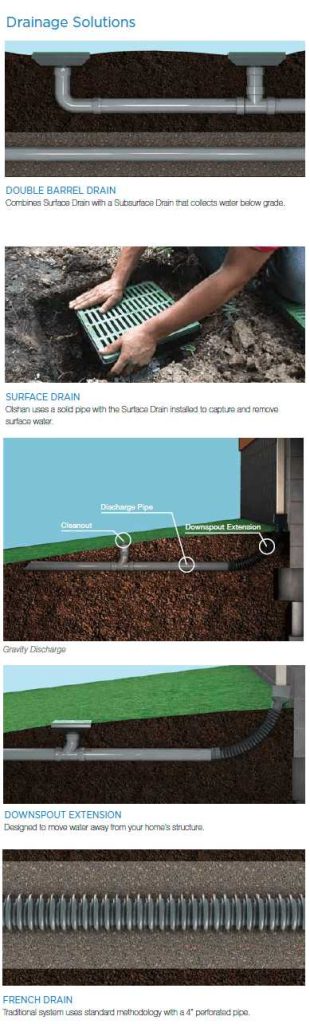
Lawn grading works best when combined with additional drainage measures. Installing channels or gutters directs water from roof runoff into designated areas.
French drains or drain pipes can be embedded underground to carry water farther away from your property. These solutions prevent water accumulation on or under your lawn, ensuring more effective drainage.
Benefits of Lawn Grading for Water Drainage
Proper lawn grading offers several advantages beyond controlling water flow:
- Prevents water damage to your home’s foundation
- Reduces soil erosion and land degradation
- Improves lawn health by preventing overly saturated soil
- Minimizes pooling that can create muddy or unsafe walking paths
- Enhances the overall appearance and usability of your yard
Signs That Your Lawn Needs Grading
If you notice certain issues, it might be time to consider grading:
- Persistent puddles after rain
- Soil at the base of your foundation appears damp or eroded
- Water seeping into your basement or crawl space
- Uneven lawn surfaces with dips or high spots
- Excessive mud or soil runoff during storms
Maintenance Tips for Lawn Drainage and Grading
Once your lawn has been graded properly, regular upkeep can maintain optimal drainage:
- Inspect the grade after heavy storms and regrade if necessary
- Clean gutters and downspouts to prevent overflow
- Ensure drainage systems like French drains are free of debris
- Monitor low spots for signs of water pooling over time
- Replace or patch sod and soil as needed to maintain slopes
Related Topics to Explore
Rain Gardens and How They Improve Drainage
Rain gardens are planted depressions designed to absorb runoff water, complementing grading efforts. They reduce runoff volume and filter pollutants naturally.
Using Retaining Walls to Control Water Flow
Retaining walls can shape the landscape, redirecting water away from sensitive areas or creating level zones that handle water better.
Soil Composition and Its Impact on Drainage
Clay-heavy soils tend to drain poorly, while sandy soils drain quickly. Improving soil quality can enhance the effects of lawn grading.
Final Thoughts: Does Lawn Grading Help with Water Drainage?
In summary, lawn grading significantly helps manage water flow across your yard. Properly sloped terrain directs water toward appropriate drainage points, protecting your home and landscape. While some projects may require professional expertise, grade adjustments are an effective, affordable way to prevent water issues and maintain a healthy lawn for years to come.
Frequently Asked Questions
How does lawn grading influence the water runoff around my property?
Lawn grading directly impacts how water flows away from your home and landscape. Proper grading ensures that water doesn’t pool near your foundation or in low spots. Instead, it directs runoff smoothly towards drainage points or basins, reducing the risk of water damage and soil erosion.
Can correct lawn grading prevent basement flooding during heavy rains?
Yes, well-executed lawn grading can significantly reduce the chances of basement flooding. By sloping the land away from your house, it minimizes the amount of water that collects near your foundation. This proactive approach helps keep excess water from seeping into your basement during intense rainfall events.
What signs indicate that my lawn needs regrading to improve drainage?
Indicators include standing water after rain, soggy patches that persist, and soil erosion around your yard. If water tends to flow toward your house or puddles form in certain areas, regrading can help address these issues by adjusting the slope to promote better runoff.
How often should I consider regrading my lawn for optimal drainage?
You should evaluate your lawn’s drainage every few years or after significant weather changes. Regular inspections help you identify any dips or uneven areas that may disrupt water flow. Regrading periodically ensures that your landscape maintains effective drainage and prevents water-related problems.
What are the potential consequences of neglecting lawn grading and drainage issues?
If you ignore grading problems, water can accumulate around your foundation, increasing the risk of structural damage. Persistent wet spots can lead to soil erosion, mold growth, and damage to plant roots. Over time, neglecting proper drainage may result in costly repairs and compromised landscape health.
Final Thoughts
Lawn grading effectively directs water away from your home and prevents pooling. When done correctly, it creates a gentle slope that encourages proper drainage and reduces erosion.
Does lawn grading help with water drainage? Yes, it ensures excess water flows naturally toward designated drainage areas. Proper grading minimizes risks like basement flooding and lawn damage.
Regularly inspecting and adjusting your lawn grade maintains optimal water flow. Well-maintained grading offers a simple, practical solution for water management.