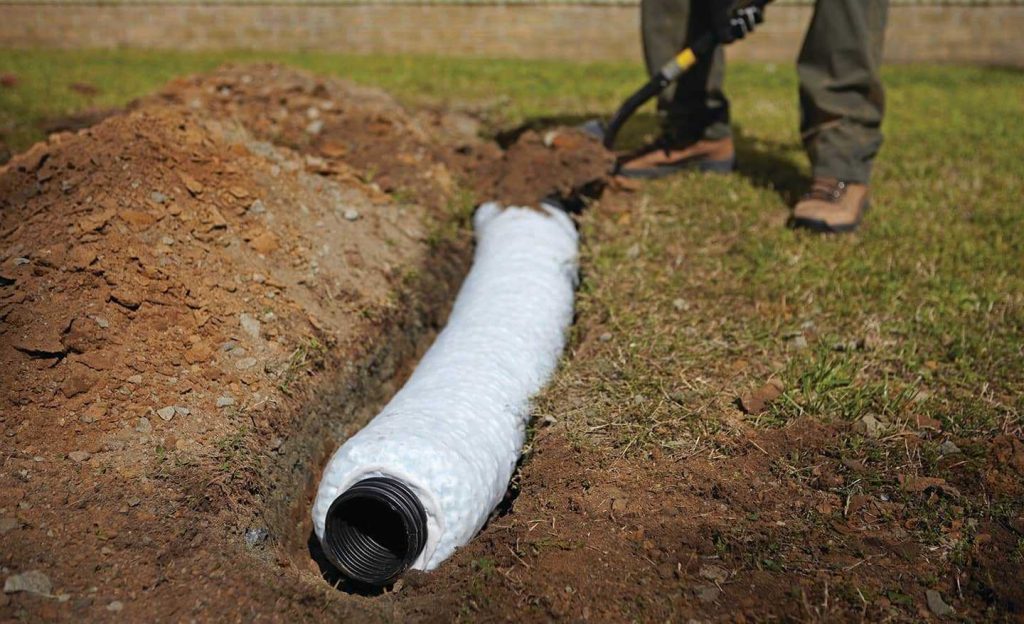
To install a French drain in your lawn, start by planning the drain’s path, digging a trench, laying perforated pipe, and covering it with gravel before filling the rest with soil. This simple project effectively redirects excess water away from your yard, preventing flooding and soggy spots.
A French drain is an efficient way to manage excess water in your lawn, especially during heavy rains. The process involves selecting the right location, digging a trench with a slight slope, installing perforated pipe to facilitate drainage, and covering it with gravel. Proper planning and execution are key to ensuring your drain functions properly and keeps your yard dry and healthy.
If your lawn is waterlogged or prone to flooding, installing a French drain can be a game-changer. It prevents standing water by directing it away from problem areas. This guide will walk you through each step, from choosing the right location to completing the installation, making the entire process straightforward even for DIY enthusiasts. With a little effort, you’ll create a well-drained lawn that stays lush and inviting, no matter the weather.

How to install a French drain in lawn
Understanding Why You Need a French Drain
A French drain helps control excess water in your yard by directing it away from problem areas. When your lawn stays soggy or water pools after heavy rain, installing a French drain can solve these issues. It protects your landscape, prevents erosion, and keeps your basement dry if your home has basement issues.
Planning Your French Drain Installation
Before digging, plan where you want the drain to go. Identify areas where water collects or flows slowly and mark these spots. Think about the path water naturally takes and choose a route that leads away from your house or garden. Also, consider underground obstacles like pipes or roots that might interfere with the pipe placement.
Tools and Materials Needed
Gather all supplies before starting. You’ll need:
- Shovel or trenching tool
- Drain pipe (perforated PVC or corrugated pipe)
- Landscape fabric
- Gravel or crushed stone
- Excavator (optional for larger jobs)
- Wheelbarrow
- Level or string line to ensure proper slope
Having these ready will make the process smoother and faster.
Choosing the Right Location and Path
Pick a route that slopes downhill to ensure proper water flow. The drain should start near the water problem area and end where water can safely drain away, like a storm sewer, dry well, or lower part of your yard. Make sure the path avoids roots, utilities, and landscaping features.
Determining the Proper Slope
A good rule for a French drain slope is about 1%—that means a drop of 1 foot for every 100 feet of length. This gentle incline helps water flow smoothly without causing erosion or moving too fast. Use a level or a string line with a line level to check your slope along the planned path.
Preparing the Site
Clear the area of grass, weeds, or any debris. Dig a trench that is at least 6 inches wide and 18 to 24 inches deep, depending on your water volume and soil type. Ensure the bottom of the trench follows the slope you planned, starting higher at the water problem end and ending lower at the discharge point.
Marking the Trench Path
Use stakes and string to outline the trench path. This visual guide ensures straight lines and consistent slope during digging. Check the level frequently to confirm your slope remains steady along the length.
Excavating the Trench
Start digging along your marked line, maintaining the proper slope. Use a shovel for small jobs or an excavator for larger areas. Remove excess soil and set it aside—this will be used later to backfill the trench. Make sure the trench bottom is fairly flat and smooth.
Ensuring Proper Depth and Width
Your trench should be deep enough to hold the perforated pipe and gravel layer—typically 18 to 24 inches deep. Width should be at least 6 inches, but wider trenches are better for larger water volumes. Confirm the slope as you dig, measuring periodically to stay consistent.
Installing the Drain System
Lay landscape fabric at the bottom of the trench to prevent soil from clogging the gravel and pipe. Unroll the perforated pipe along the trench, making sure holes face downward to maximize water intake. Connect sections if needed, using appropriate fittings.
Adding Gravel and Backfilling
Place a layer of gravel or crushed stone around the pipe—typically 2 to 3 inches thick. Cover the pipe completely with more gravel, up to a few inches from the trench surface. Fold the landscape fabric over the gravel to cover the entire trench, then backfill with the soil you removed earlier.
Final Steps and Covering the Drain
Fill the remaining trench with soil, tamping it down gently as you go. Ensure the surface looks natural and blends with your yard. After covering, consider adding grass seed or sod for a seamless finish.
Maintaining Your French Drain
Inspect the drain periodically, especially after heavy rain. Clear out any debris that might clog the system. If you notice slow drainage, check the pipe for blockages and repair as needed.
Additional Tips for a Successful Installation
– Always verify the slope before and during digging to ensure proper drainage.
– Use durable, perforated pipe designed for drainage applications.
– Avoid installing the drain near utility lines or underground irrigation systems.
– Consider adding a clean-out port for easy maintenance and inspection.
– Opt for high-quality gravel and landscape fabric to prolong the system’s lifespan.
Common Mistakes to Avoid
– Not maintaining the correct slope, which can cause water to pool.
– Using improper pipe or gravel that can lead to clogs or failure.
– Not covering the fabric properly, allowing soil to clog the gravel and pipe.
– Failing to check for underground utilities before digging to prevent accidents.
Related Topics
– Best practices for grading your yard
– How to prevent yard erosion
– Installing a dry well for additional drainage
– Tips for landscaping after drain installation
This detailed approach ensures your French drain functions effectively, helping you maintain a healthy, dry lawn. Proper planning, accurate digging, and quality materials are key to a long-lasting drainage solution.
Frequently Asked Questions
What tools and materials are essential for installing a French drain in a lawn?
To install a French drain effectively, gather tools such as a shovel, trenching or digging tool, level, and measuring tape. You will also need perforated drainage pipe, landscape fabric, gravel, and possibly sand. These materials help create a proper drainage pathway and prevent soil from clogging the pipe.
How can I determine the best location for my French drain in the lawn?
Identify areas where water tends to pool or drain slowly. Follow the natural slope of your yard, marking the path that directs water away from your foundation or lawn. Installing the drain along the lowest point or the most saturated zone ensures optimal water flow and prevents water buildup.
What are the steps to properly backfill and cover a French drain after installation?
After laying the pipe and securing the landscape fabric, fill the trench with gravel up to a few inches below ground level. Cover the gravel with soil, then layer grass or sod over the area for a seamless appearance. This approach ensures the drain functions well while maintaining the aesthetic of your lawn.
Final Thoughts
To install a French drain in lawn, begin by planning the drainage path to direct water away from problem areas. Dig a trench about 6 inches wide and 18-24 inches deep, ensuring a slight slope for proper water flow. Fill the trench with gravel, then lay a perforated pipe on top, covering it with more gravel and soil.
Ensure the exit point is clear for water to drain effectively. Regularly check the system’s flow after heavy rains for optimal performance. How to install a French drain in lawn becomes straightforward with careful planning and execution.