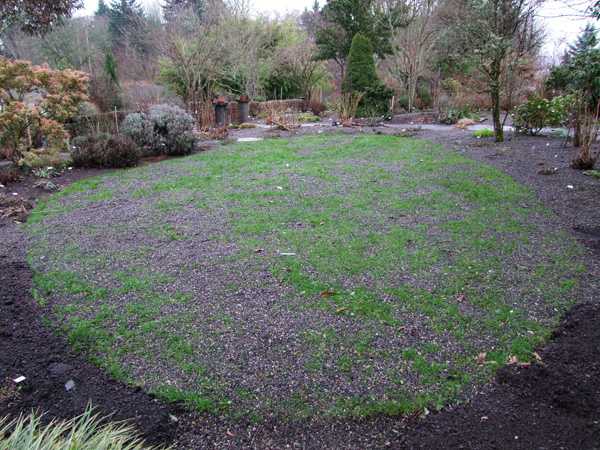
Adding gravel beneath your lawn can be a game-changer for drainage, but it’s not always the best solution. Whether it’s worth the effort depends on your specific soil type and drainage issues. Properly installed gravel can help water flow away more efficiently, preventing soggy patches and mud puddles. However, it’s essential to consider if this method suits your lawn’s needs or if other drainage solutions might be more effective.
In short, yes, adding gravel can improve drainage under your lawn if done correctly, but it’s important to evaluate your yard’s conditions before proceeding. This approach works best when combined with other lawn care practices and proper grading. Understanding when and how to add gravel ensures your lawn stays healthy, vibrant, and free from drainage problems.
If you’re tired of dealing with waterlogged patches or muddy spots, considering gravel as part of your drainage strategy might be worth exploring. It’s a simple, inexpensive way to help water drain faster, but knowing when it’s appropriate and how to install it properly is key to making it work for your lawn.

Should You Add Gravel Under Lawn for Drainage
Understanding the Role of Gravel in Lawn Drainage
Adding gravel under your lawn can significantly improve water flow and prevent pooling. Gravel acts as a natural drainage layer that guides excess water away from the soil surface. When installed correctly, it can help keep your lawn healthy by reducing waterlogged patches.
How Gravel Enhances Soil Drainage
Soil types vary, and some retain water longer than others. Gravel provides a porous layer that encourages quick water movement through the soil. This prevents excess moisture from accumulating around roots, reducing the risk of root rot and fungal diseases.
Types of Gravel Suitable for Lawn Drainage
Not all gravel is the same—certain types work better for drainage projects. Common options include:
- Crushed stone: Offers good interlocking and drainage capacity.
- Pea gravel: Smooth, small-sized gravel that promotes water flow.
- River rock: Larger stones that allow water to pass quickly.
Select gravel that is clean, free of clay or silt, and of appropriate size for effective drainage.
Pros and Cons of Using Gravel Under Lawn
While gravel offers benefits, it also has limitations. Understanding these can help you decide if it’s right for your yard.
| Advantages | Disadvantages |
|---|---|
| Improves water drainage and prevents pooling | Can alter the natural look of your lawn |
| Reduces soil compaction and improves root growth | May require additional maintenance to prevent weed growth |
| Helps prevent soil erosion | Initial installation can be labor-intensive |
If you want to keep your lawn lush and healthy, weigh these pros and cons carefully.
Is Gravel the Best Solution for All Lawn Types?
Gravel works best on lawns with heavy clay or compacted soil prone to water retention. For sandy or well-drained soils, gravel may be unnecessary. Consider your soil composition and drainage needs before adding gravel.
Steps for Installing Gravel Under Your Lawn
Proper installation is key to maximizing gravel’s effectiveness. Follow these steps:
- Assess drainage issues: Identify areas where water pools or drains slowly.
- Excavate the lawn: Remove a layer of existing soil or turf to create space for gravel.
- Prepare the base: Add a geotextile fabric to prevent weeds from growing through the gravel.
- Lay down gravel: Spread a layer of gravel about 2 to 4 inches thick, leveling as you go.
- Backfill with soil and seed: Replace soil over the gravel and reseed or sod your lawn.
Proper grading and sloping of the gravel layer help direct water away from the lawn effectively.
Maintenance Tips for Gravel-Layered Lawns
Maintaining a gravel base prevents weeds and keeps drainage effective over time.
- Regularly inspect for weed growth—pull or treat weeds promptly.
- Top up gravel as needed to maintain the recommended thickness.
- Ensure the gravel remains level to prevent pooling.
- Keep the area clear of debris to maintain water flow.
Periodic maintenance ensures your lawn stays healthy and drainage remains unobstructed.
Alternatives to Gravel for Lawn Drainage
Gravel isn’t the only option. Other methods include:
- Sand layering: Improves drainage in clay soils but less durable.
- French drains: Perforated pipes buried underground directing water away.
- Elevated beds: Raising the lawn surface to prevent water pooling.
Choose the solution that best fits your landscape and drainage issues.
Combination Approaches for Better Drainage
In some cases, combining gravel with other drainage techniques offers superior results. For example:
- Layering gravel with sand to enhance permeability.
- Installing French drains alongside gravel beds.
- Using soil amendments like organic matter to improve infiltration.
Combining methods allows you to customize drainage solutions based on your yard’s specific needs.
Common Mistakes to Avoid When Adding Gravel
Avoid these errors to ensure your drainage system works effectively:
- Not testing soil drainage before adding gravel.
- Using inappropriate gravel sizes that clog or do not drain well.
- Overlooking the importance of grading and slope.
- Failing to prevent weed growth through the gravel layer.
- Not maintaining the gravel layer over time.
Being aware of these pitfalls saves you time, effort, and money in the long run.
Cost Considerations for Gravel Installation
The cost of adding gravel varies based on:
- The size of your lawn
- The type of gravel selected
- Labor costs if hiring professionals
- Additional materials like fabric or edging
While initial costs may be significant, proper drainage reduces long-term lawn repair expenses.
Environmental Impact of Using Gravel
Gravel is an eco-friendly drainage option when sourced responsibly. It is inert, doesn’t decompose, and can be reused. Proper installation minimizes runoff and water waste, promoting a sustainable landscape.
Final Thoughts on Gravel for Lawn Drainage
Adding gravel under your lawn can be an effective way to improve drainage, especially in areas prone to water pooling. It’s essential to choose the right type and install it correctly to maximize benefits. Remember to perform regular maintenance and consider alternative or complementary drainage solutions for best results. Proper planning ensures your lawn stays healthy, vibrant, and free from water-related problems.
Frequently Asked Questions
What are the benefits of adding gravel beneath a lawn for drainage purposes?
Adding gravel under a lawn helps improve soil drainage by creating a permeable layer that allows excess water to flow away from the roots. This reduces waterlogging, prevents root rot, and promotes healthier grass growth. Gravel also helps prevent erosion and provides stability to the soil, especially in areas with heavy rainfall or poor natural drainage.
How does gravel placement impact the overall health of the lawn?
Placing gravel beneath the lawn enhances aeration by allowing air to reach the root zone more effectively. Better aeration encourages strong root development and promotes resilience against diseases caused by excess moisture. It also minimizes the risk of water pooling, which can lead to uneven growth and patchy patches on your lawn.
Are there specific types of gravel that are most suitable for lawn drainage?
Yes, crushed stones and gravel with angular edges work best because they interlock well and create a stable, well-draining layer. Coarser gravel, such as pea gravel or larger stones, facilitates faster water movement. Avoid fine or smooth gravel that might compact easily and reduce permeability. Choose gravel that complements your soil type and drainage needs.
Can adding gravel under the lawn help prevent flooding in low-lying areas?
In low-lying zones prone to flooding, incorporating gravel beneath the soil can significantly improve water runoff and reduce surface water buildup. Gravel acts as a pathway for excess water, directing it away from the area and helping maintain a drier, more stable lawn. Proper layering along with grading can optimize drainage and minimize flood risks.
What is the proper method to install gravel under a lawn for effective drainage?
Begin by removing the existing sod and soil to create a level base. Lay a geotextile fabric to prevent soil mixing with gravel. Then, spread a layer of gravel, typically 4 to 6 inches deep, distributing it evenly. After installing the gravel, add a layer of soil or compost on top to support grass growth. Ensure the area is graded to encourage water flow away from the lawn for optimal drainage.
Final Thoughts
Adding gravel under your lawn can improve drainage by preventing water from pooling and reducing soil compaction. It creates a foundational layer that allows excess water to flow away more efficiently. However, adding too much gravel may hinder root growth and soil health, so balance is essential.
In conclusion, should you add gravel under lawn for drainage, consider your local soil type and drainage needs. Properly applied, gravel can be a helpful solution. Keep these factors in mind to determine if it suits your lawn’s drainage requirements.