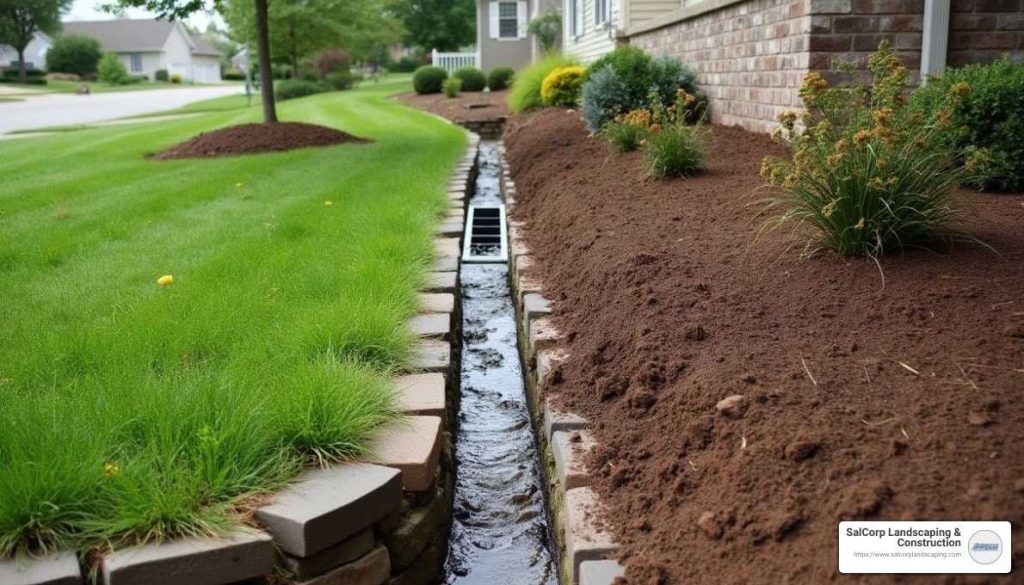
To fix drainage on a sloped lawn, consider creating a series of terraced levels, installing drainage pipes, or adding gravel-filled trenches to redirect water away from problem areas. Proper grading, plant selection, and strategic landscaping can also help improve water absorption and prevent pooling. With a few simple modifications, you can transform a soggy slope into a healthy, well-drained lawn.
If your sloped lawn is causing water to pool or erode, the key is to reshape the landscape to improve water flow. Installing drainage solutions like French drains or creating terraces helps manage runoff effectively. Combining these strategies with proper plant choices and grading adjustments ensures your lawn stays lush and dry, no matter the weather.
Sloped lawns are beautiful but often tricky when it comes to drainage. Excess water tends to run downhill, causing erosion, pooling, and soggy patches that damage your grass and soil. Fortunately, fixing drainage issues on a sloped site isn’t complicated—it just requires a practical approach to redirect water efficiently. By understanding how water moves across your landscape and implementing simple solutions like creating terraces, installing drainage pipes, or adding gravel-filled trenches, you can keep your lawn healthy and well-drained. These changes prevent water from pooling and eroding your soil, making your outdoor space more enjoyable and easier to maintain. Whether you’re planting new grass or redesigning your landscape, addressing drainage early ensures long-term beauty and stability for your sloped lawn.

How to Fix Drainage on a Sloped Lawn
Proper drainage on a sloped lawn can be a challenge, but with the right approach, you can prevent issues like standing water, soil erosion, and plant damage. Addressing drainage problems early helps keep your lawn healthy and beautiful. Let’s explore effective ways to improve drainage on a sloped yard step by step.
Understanding Why Drainage Becomes a Problem on Sloped Lawns
When your yard slopes, water naturally flows downhill. Sometimes, this causes water to pool in low spots or to wash away soil and grass. Poor drainage can lead to muddy patches and even damage to your lawn’s roots.
Many factors influence drainage, including soil type, slope steepness, and existing landscaping features. Knowing these helps you choose the best fix for your specific yard.
Assessing Your Lawn’s Drainage Needs
Inspecting Your Lawn
Start by observing how water moves after a rainfall or watering. Look for areas where water collects or stays puddled for more than an hour. Use a marker or cone to identify these spots.
Testing Soil Type
Easy soil tests reveal drainage issues. For example, squeeze a handful of soil; if it sticks together in a ball and drains slowly, it’s likely clay soil. Sandy soils drain faster but may require additional amendments for stability.
Evaluating Slope Steepness
Use a level or a simple string line to measure the slope of your yard. A slope greater than 25 degrees may need more extensive work, while gentle slopes respond well to surface modifications.
Simple Fixes for Improving Drainage
Using Grass and Plants to Help Drainage
Planting grass types that tolerate wet conditions, like fescue or meadow grasses, can absorb excess water. Incorporate native plants with deep roots, which help stabilize soil and absorb moisture.
Creating a Swale or Drainage Channel
A swale is a shallow, wide ditch designed to redirect water flow. Dig along the slope where water tends to pool. Fill the swale with gravel or mulch to improve water movement.
Installing a French Drain
A French drain consists of a perforated pipe buried in a gravel-filled trench. It directs water away from problem areas. Make sure to drain the pipe downhill to a safe exit point.
Advanced Solutions for Slope Drainage Issues
Building Retaining Walls
Retaining walls hold back soil and prevent erosion. Use concrete, stone, or pressure-treated wood. Incorporate weep holes to allow water to escape and reduce pressure on the wall.
Adding Soil Amendments for Better Drainage
Improve soil structure by mixing organic matter like compost or peat moss. Aerate compacted soil with a garden fork or aerator to enhance water infiltration.
Constructing Terraces or Steps
Terracing breaks a steep slope into several flatter sections. Each terrace slows water flow and encourages absorption, preventing erosion and pooling.
Drainage Maintenance Tips
Regularly Clearing Gutters and Drains
Keep gutters, downspouts, and drainage channels free from leaves and debris. Blockages cause water to overflow and can worsen drainage problems.
Monitoring and Adjusting Your Drainage System
After heavy rains, check your drainage features. If water still pools, it might need further modification or increased capacity.
Controlling Erosion with Ground Cover
- Plant ground covers like ivy, creeping thyme, or sedum to hold soil in place.
- Use mulch or straw on vulnerable slopes during planting to prevent soil washout.
Choosing the Right Materials for Drainage Solutions
Gravel and Rocks
Use for French drains, swales, or as a base for retaining walls. They help water flow and prevent clogging.
Perforated Pipes
Essential for French drains, these pipes carry water away efficiently. Cover with landscape fabric to prevent clogging with soil or roots.
Landscape Fabric
Use under gravel or mulch to separate soil from drainage materials, enhancing longevity and preventing weeds.
Addressing Common Challenges
Dealing with Tree Roots
Tree roots can interfere with drainage systems. Avoid installing pipes too close to trees, or use root barriers to protect your infrastructure.
Managing Clay Soil
Clay soils drain poorly but are easy to amend. Mix in organic matter and sand to improve porosity and water movement.
Handling Steep Slopes
Steeper slopes may require multiple solutions, like terracing combined with retaining walls and proper drainage channels.
Preventative Measures for Long-Term Drainage Health
Regular Inspection
Check drainage features periodically. Promptly repair any damage or blockages.
Strategic Landscaping
Design your landscape to route water naturally away from problem areas. Use grading, plantings, and structures effectively.
Proper Watering Practices
Avoid overwatering your lawn, which can exacerbate drainage problems. Water early in the day to allow soil to absorb moisture.
Summary of Key Steps to Fix Drainage on a Sloped Lawn
- Assess the slope, soil type, and areas prone to pooling.
- Implement simple fixes like planting, swales, and adjusting grading.
- Use effective materials such as gravel, perforated pipes, and landscape fabric for advanced drainage solutions.
- Build retaining walls or terraces for steep slopes to prevent erosion and manage water flow.
- Maintain and monitor drainage features regularly for long-lasting results.
Fixing drainage issues on a sloped lawn involves understanding your yard’s specific needs and applying targeted solutions. Combining proper assessment with thoughtful installation and maintenance results in a lush, healthy lawn that handles water safely and effectively.
Frequently Asked Questions
What steps can I take to improve drainage on a sloped lawn naturally?
To naturally improve drainage, you can consider adding organic matter like compost or mulch to the soil to enhance its absorbency. Planting deep-rooted grasses or ground covers helps stabilize the soil and reduces runoff. Additionally, shaping the landscape by creating gentle terraces or swales directs water away from problem areas, preventing erosion and pooling.
How can installing a French drain help with sloped lawn drainage issues?
A French drain effectively redirects excess water away from low-lying areas by installing a perforated pipe covered with gravel or rock. You dig a trench along the slope, lay the pipe, and fill it with gravel. This setup allows water to enter the pipe and flow to a designated drainage point, relieving surface water accumulation and preventing erosion caused by runoff.
What maintenance practices ensure proper drainage on a sloped yard over time?
Regularly inspect and clear debris from existing drainages like gutters, downspouts, and drainage channels. Aerate and topdress the soil annually to maintain soil health and porosity. Reseed or replant areas prone to erosion, and keep an eye on erosion spots to address issues promptly. Consistent maintenance helps keep water flowing properly and prevents drainage problems from worsening.
Can altering the landscape with terraces or retaining walls improve drainage for a sloped lawn?
Yes, building terraces or retaining walls can significantly improve drainage by reducing the slope’s steepness, slowing water flow, and preventing soil erosion. These structures help create level areas that absorb water more effectively and direct excess runoff away from the lawn. Properly designed, they can also enhance the landscape’s aesthetic appeal while managing water movement.
Final Thoughts
To fix drainage on a sloped lawn, start by installing terraces or retaining walls to slow water runoff. Incorporate swales or shallow ditches to direct water flow away from problem areas. Adding organic matter and grading the slope can improve absorption and prevent pooling. Properly managing water ensures a healthier lawn and prevents erosion. Understanding these steps helps maintain a well-drained, lush outdoor space.