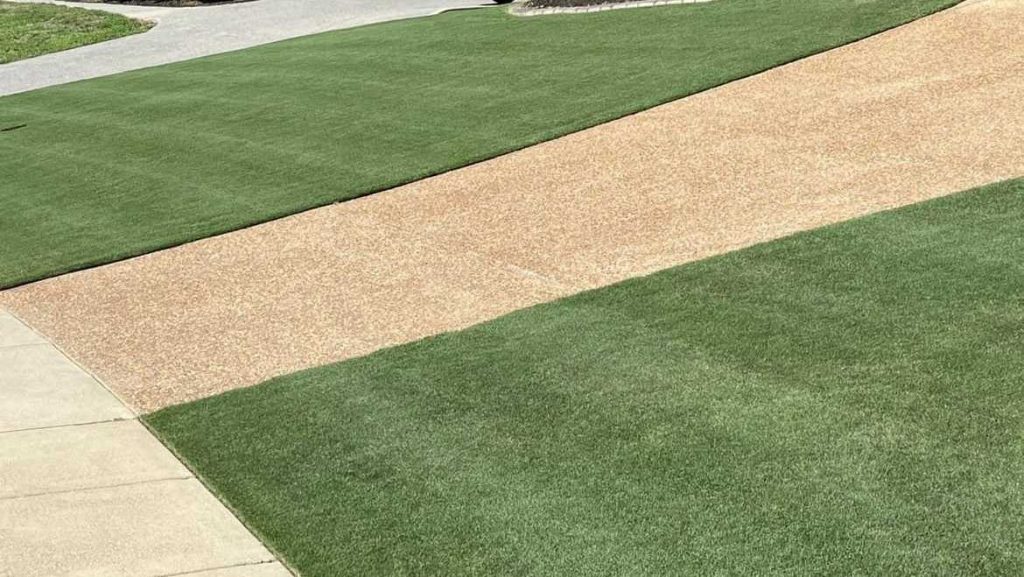
To keep Bermuda grass healthy and lush, aim to cut it to about 1 to 1.5 inches in height. Regular mowing at this level promotes dense growth and prevents weeds from taking over, but avoid cutting too short, which can weaken the grass.
In summary, cutting Bermuda grass to a height of around 1 to 1.5 inches is ideal for maintaining a vibrant, healthy lawn. Consistent mowing at this height encourages dense growth and weed resistance, ensuring your yard stays attractive and resilient throughout the season.
Keeping Bermuda grass at the right height is essential for a beautiful lawn. If you cut it too short, you risk stressing the grass and making it vulnerable to drought or pests. Conversely, mowing too high can lead to a patchy, unkempt look and promote weed growth. The sweet spot is generally between 1 and 1.5 inches—short enough to control weeds and maintain a tidy appearance but tall enough to keep the grass healthy and robust. Adjust your mower blade accordingly and remember to mow regularly to prevent scalping or stressing the grass, especially during the hot summer months when Bermuda grass is actively growing.

How Short to Cut Bermuda Grass: A Complete Guide for a Healthy Lawn
Understanding Bermuda Grass and its Growth Habits
Bermuda grass is a warm-season turfgrass known for its durability and drought resistance. It spreads quickly through stolons and rhizomes, making it a popular choice for lawns, sports fields, and golf courses. Knowing its growth habits helps determine the ideal mowing height for optimal health.
This grass thrives in full sunlight and prefers warm temperatures. It can tolerate high traffic but requires proper care to stay lush and green. Regular mowing encourages dense growth and helps manage its spread effectively.
Why Mowing Height Matters for Bermuda Grass
Mowing height is crucial because it influences the grass’s ability to resist weeds, pests, and diseases. Cutting Bermuda grass too short can weaken the plant, making it more vulnerable to stress. Conversely, mowing too high can make the lawn look neglected and encourage thatch buildup.
Proper mowing height promotes strong root development and improves drought tolerance. It also affects the turf’s overall appearance and health, making it essential to follow recommended guidelines.
Recommended Cutting Height for Bermuda Grass
The ideal height for Bermuda grass varies depending on the season and lawn usage. During peak growing months, a height of **1 to 1.5 inches** is generally suitable. This height balances a tidy appearance with healthy growth.
In cooler months or when the grass is less active, raising the mower to **1.5 to 2 inches** can help protect the turf from stress. For sports fields or high-traffic areas, maintaining a slightly higher cut can provide extra durability.
Factors Influencing the Cutting Height
Several factors can impact how short you should cut Bermuda grass:
- Climate: Warmer climates support shorter cuts, while cooler areas benefit from taller grass.
- Type of Bermuda grass: Hybrid varieties like Tifway or Tifgreen may have slightly different optimal heights.
- Usage: Lawns used extensively for recreation should be kept slightly taller to withstand wear.
- Soil conditions: Fertile, well-drained soil promotes healthy, shorter turf.
Adjusting mowing height based on these factors ensures the grass remains healthy and vibrant.
How to Properly Mow Bermuda Grass
Proper mowing techniques are vital for maintaining the right height and turf health:
- Sharpen blades: Dull blades tear grass rather than cut it cleanly, leading to stress and disease.
- Follow the one-third rule: Never remove more than one-third of the grass height at a time to avoid stressing the plant.
- Maintain consistent mowing: Regular mowing prevents overgrowth and keeps the grass at an even height.
- Adjust mower height: Change settings based on seasonal needs or specific lawn areas.
Using proper mowing techniques encourages dense growth and minimizes stress.
Benefits of Cutting Bermuda Grass at the Right Height
Maintaining Bermuda grass at the proper height offers several benefits:
- Enhanced drought tolerance: Shorter grass develops deeper roots, making it more drought-resistant.
- Weed suppression: Thick, short turf shades out weeds, reducing their growth.
- Improved appearance: Well-maintained height gives the lawn a tidy, lush look.
- Healthier turf: Proper height minimizes disease and pest problems.
- Optimal playability: For sports fields, the right height provides safe, even surfaces.
These advantages underscore the importance of adjusting mowing height appropriately.
Impact of Cutting Bermuda Grass Too Short
Cutting Bermuda grass too short, often called scalping, can cause serious issues:
- Weak root systems: Shallow roots make the turf less resilient to drought and heat.
- Increased stress: The plant struggles to recover, leading to patchy areas.
- Higher disease risk: Open, stressed turf is more susceptible to disease invasion.
- Pest vulnerability: Short, weakened grass invites pests and insects.
Avoid scalping by sticking to recommended mowing heights and not removing more than one-third of the grass in a single cut.
Adjusting Mowing Height in Different Seasons
Seasonal changes dictate mowing height adjustments for Bermuda grass:
Spring
As the grass begins to grow actively, reduce mowing height gradually to **1 to 1.5 inches** to promote healthy expansion. This encourages strong root development ahead of summer heat.
Summer
Maintain a height of **1 to 1.5 inches** for optimal heat and drought tolerance. Shorter grass helps reduce water loss and keeps the lawn cool.
Fall
Raise the mower to **1.5 to 2 inches** to protect the grass from cooler temperatures and lessen stress during dormancy buildup.
Winter
In regions with mild winters, keep the grass slightly taller around **1.5 to 2 inches** to safeguard against cold damage.
Common Mistakes in Cutting Bermuda Grass
Avoid these common errors to keep your Bermuda grass healthy:
- Mowing too short: Always follow the recommended height guidelines.
- Infrequent mowing: Letting the grass grow too tall before cutting leads to uneven turf and stress.
- Using dull blades: Poor cuts damage the grass and increase disease risk.
- Ignoring seasonal needs: Adjusting height based on season enhances turf resilience.
Being mindful of these mistakes helps maintain a lush, healthy lawn year-round.
Special Tips for Optimal Bermuda Grass Maintenance
To keep Bermuda grass at its best:
- Regular watering: Maintain consistent moisture for even growth.
- Fertilization: Apply balanced fertilizer according to soil tests and season.
- Aeration: Remove soil compaction to encourage healthy root development.
- Overseeding: In cooler regions, overseed with ryegrass to maintain year-round green color.
Implementing these practices complements proper mowing and ensures a beautiful, resilient lawn.
Related Topics for Better Lawn Care
Other aspects of Bermuda grass care can enhance your yard’s health:
Watering Techniques
Deep, infrequent watering encourages deep root growth, improving drought resistance.
Fertilization Schedule
Applying nitrogen-rich fertilizer during the growing season promotes lush, dense turf.
Weed and Pest Control
Regular inspections and treatments prevent infestations and invasive weeds.
Soil Testing and Amendments
Understanding your soil’s nutrient profile helps tailor fertilization for optimal grass health.
Reseeding and Repair
Addressing bare patches promptly keeps the lawn uniform and healthy.
Maintaining Bermuda grass at the proper height, combined with these practices, results in a vibrant, durable, and attractive lawn. Regular attention and adjustments deepen your understanding and improve results over time.
How Tall to Cut Bermuda – How Short to Cut Lawn
Frequently Asked Questions
What height should I set my mower for cutting Bermuda grass?
For Bermuda grass, set your mower to a height between 1 to 2 inches. This height helps promote healthy growth while preventing the grass from becoming too weak or too susceptible to weeds and pests. Adjust the mower based on the season and growth rate to maintain an optimal turf height.
How often should I mow Bermuda grass to keep it at a suitable length?
Typically, mow Bermuda grass every 5 to 7 days during active growing seasons. Regular mowing encourages dense, even growth and prevents the grass from becoming too tall or uneven. Avoid cutting more than one-third of the grass height at a time to reduce stress on the turf.
Can cutting Bermuda grass too short harm the lawn?
Yes, cutting Bermuda grass too short, especially below 0.75 inches, can weaken the turf and make it more vulnerable to drought, weeds, and diseases. It is best to avoid mowing below 1 inch unless necessary, and always ensure blades are sharp to prevent tearing the grass.
What mowing height is ideal for Bermuda grass during drought conditions?
During drought conditions, raise the mowing height to around 1.5 to 2 inches. Taller grass provides shade to the soil, helping retain moisture and reducing heat stress on the turf. Remember to keep the blades sharp to avoid damaging the grass.
How does the time of year affect how short I should cut Bermuda grass?
In the active growing season, maintain a shorter height around 1 to 1.5 inches for a lush appearance. During cooler months or dormancy, raise the mower height to 2 inches or higher. Adjusting mowing height seasonally helps support healthy growth and resilience.
Final Thoughts
The ideal height for cutting Bermuda grass depends on the season and your lawn’s health. In summer, keep it around 1 to 1.5 inches to promote strong growth. During cooler months, raise the height slightly to protect the roots.
Cutting too short can weaken the grass and make it more vulnerable to weeds and drought. Conversely, cutting too tall may lead to disease and uneven growth.
How short to cut Bermuda grass? Maintain a height of about 1 to 1.5 inches for optimal health. Proper mowing encourages healthy, lush turf and a beautiful yard.