
Maintaining a large yard doesn’t mean mowing every day. For most grass types, mowing once or twice a week is enough to keep your lawn healthy and attractive. The key is adjusting your schedule based on grass growth, season, and weather conditions.
Maintaining a large yard can feel overwhelming, especially when it comes to mowing. You might wonder, “How often should I mow large yards?” The truth is, there’s no one-size-fits-all answer. Your mowing frequency depends on several factors—grass type, season, weather, and even how your lawn is used. But with a little planning and the right approach, you can keep your large yard looking lush and well-kept without spending every weekend on the mower.
In this guide, we’ll walk you through everything you need to know about mowing large yards. From understanding grass growth rates to creating a seasonal mowing schedule, you’ll learn how to stay ahead of the grass and keep your lawn in top shape. Whether you’re dealing with Bermuda, fescue, or St. Augustine grass, we’ve got practical tips to help you mow smarter, not harder.
Key Takeaways
- Frequency depends on grass type: Warm-season grasses like Bermuda grow faster in summer and may need mowing every 5–7 days, while cool-season grasses like fescue grow more slowly and can go 7–10 days between cuts.
- Season matters: Mow more often in spring and early summer when grass grows quickly, and reduce frequency in fall and winter when growth slows.
- Weather affects growth: Rain, heat, or drought can speed up or slow down mowing needs. Always check your lawn before cutting.
- Don’t cut too short: Never remove more than one-third of the grass blade at once. Taller grass shades the soil, reducing weeds and retaining moisture.
- Use the right equipment: A sharp blade and proper mower height make a big difference in lawn health and appearance.
- Consider mulching: Mulching returns nutrients to the soil and reduces the need for fertilizing.
- Large yards need planning: Break your lawn into zones and use a mowing schedule to stay consistent and avoid missing spots.
Quick Answers to Common Questions
How often should I mow a large Bermuda grass lawn?
You should mow Bermuda grass every 5 to 7 days during the growing season, which is typically late spring through early fall. This keeps the grass at the ideal height and prevents it from becoming overgrown.
Can I mow less often in the winter?
Yes, most lawns go dormant in winter and grow very slowly. You can skip mowing for several weeks or until new growth appears in spring.
Is it okay to mow wet grass?
It’s not recommended. Wet grass can clog your mower and damage the lawn. Wait until the grass is dry before mowing.
Should I bag or mulch grass clippings?
Mulching is better for most lawns because it returns nutrients to the soil. Only bag clippings if they’re clumping or you’re fertilizing heavily.
What if my large yard has slopes?
Use a mower designed for slopes, and mow across the slope instead of up and down. Break the area into smaller sections and take your time to avoid accidents.
📑 Table of Contents
Understanding Your Grass Type
The first step in figuring out how often to mow large yards is knowing what kind of grass you’re dealing with. Different grass types grow at different rates and have unique needs. For example, Bermuda grass is a warm-season grass that grows quickly during summer months, while Kentucky bluegrass thrives in cooler weather and grows more slowly in heat.
Warm-season grasses like Bermuda, Zoysia, and St. Augustine typically need mowing every 5 to 7 days during peak growing season. Cool-season grasses such as tall fescue, perennial ryegrass, and bluegrass grow faster in spring and fall and may need mowing every 7 to 10 days. If you’re unsure what type of grass you have, check the seed bag or look for common names like “turf-type tall fescue” or “common Bermuda.”
Warm-Season vs. Cool-Season Grasses
Warm-season grasses are most active from late spring through early fall. During this time, they grow rapidly and can reach mowing height in just a few days. This means you’ll need to mow more frequently—sometimes twice a week—to keep them at the right height. On the other hand, cool-season grasses grow slowly in summer and fastest in spring and fall. You’ll likely only need to mow once a week during these periods.
For large yards, this difference is crucial. A Bermuda lawn in Texas, for example, might need mowing every 5 days in July, while a fescue lawn in Minnesota may only need cutting every 9 days in the same month. Understanding your grass’s growth cycle helps you plan your mowing schedule around natural patterns.
Grass Height and Growth Rate
Another factor is how fast your grass grows. If you have a lot of shade, foot traffic, or compacted soil, your grass may grow slower and need less frequent mowing. Conversely, full sun, fertile soil, and regular use can speed up growth. You can test this by marking a small section of your lawn and checking how much it grows over a week. This simple method helps you adjust your mowing schedule as needed.
Seasonal Mowing Schedule for Large Yards
Visual guide about How Often Should You Mow Large Yards?
Image source: sunsoutlawncare.com
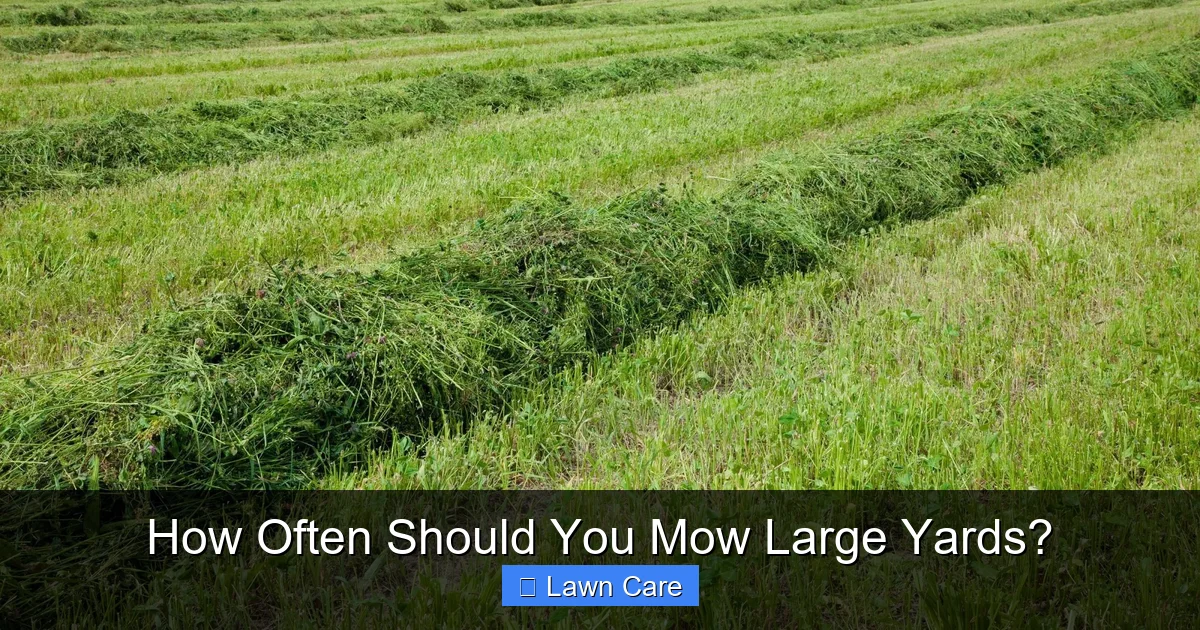
Your mowing frequency should change with the seasons. Most lawns follow a predictable growth pattern, and aligning your mowing schedule with these patterns keeps your lawn healthy and reduces stress on the grass.
Spring: The Growth Surge
Spring is when many lawns really come alive. Cool-season grasses like fescue and ryegrass start growing rapidly as temperatures rise and daylight increases. For large yards, this means you’ll likely need to mow every 5 to 7 days during late spring. Warm-season grasses begin their growth in spring but really take off in late spring and early summer.
During this time, focus on maintaining a consistent height—usually around 3 inches for cool-season grasses and 1.5 to 2.5 inches for warm-season types. Don’t be tempted to cut too short; taller grass helps shade out weeds and prevents soil moisture loss.
Summer: Peak Growth and Heat Stress
Summer is the busiest season for mowing. Warm-season grasses like Bermuda and Zoysia grow at their fastest pace, often requiring mowing every 5 to 7 days. In large yards, this can add up quickly. You might need to mow twice a week during hot, dry spells when growth accelerates.
However, be cautious about mowing during extreme heat or drought. Mowing when the grass is stressed can damage it. If your lawn looks brown or wilted, skip a mow or raise the mower height to allow the grass to recover.
Fall: Slowing Growth
As summer ends, grass growth slows down. Cool-season grasses continue to grow through fall, but at a reduced rate. You can extend the time between mows to 7 to 10 days. Warm-season grasses go dormant in fall, so they won’t need mowing at all once frost sets in.
This is a good time to prepare your lawn for winter. Consider dethatching, aerating, and overseeding to strengthen your grass before the cold months.
Winter: Dormancy and Minimal Mowing
In winter, most lawns go dormant. Cool-season grasses may turn brown in freezing temperatures, and warm-season types stop growing entirely. You can skip mowing for several weeks or even months, depending on your climate. When the grass does grow back in early spring, start mowing again at the recommended height.
How Weather Affects Mowing Frequency

Visual guide about How Often Should You Mow Large Yards?
Image source: i.ytimg.com
Weather plays a huge role in how often you should mow large yards. Rain, heat, and drought all influence grass growth and mowing needs.
Rain and Moisture
After a good rain, grass grows faster. This is especially true for cool-season grasses in spring and fall. If you’ve had several days of rain, you may need to mow sooner than planned. Wet grass can be slippery and harder to mow, so wait until it dries slightly to avoid clogging your mower.
On the flip side, too much rain can lead to compacted soil, which slows growth. Check your lawn after heavy rain to see if it’s time to cut.
Heat and Drought
During hot, dry spells, grass grows more slowly. You may only need to mow once every 10 days. However, if you’re using sprinklers or have a lot of shade, growth might stay steady. Always assess your lawn before mowing—don’t rely solely on a calendar.
Drought-stressed grass should be mowed higher to protect the roots. Raising the mower deck by one or two notches helps the grass survive dry periods.
Frost and Cold Weather
In cold climates, frost can kill grass blades, making them brittle and unsightly. You can mow over frosted grass, but do so carefully. In severe cold, it’s best to wait until the grass recovers.
Best Practices for Mowing Large Yards
Visual guide about How Often Should You Mow Large Yards?
Image source: quietlawn.com
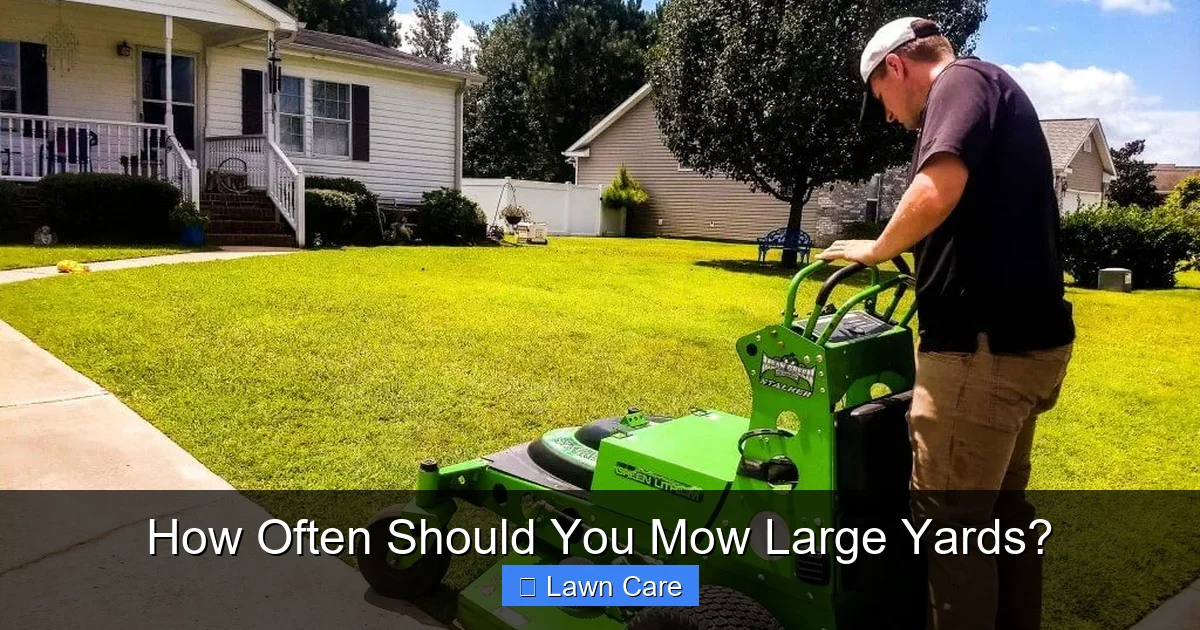
Mowing a large yard efficiently requires more than just pushing a mower across the grass. Planning and technique make a big difference.
Break Your Lawn into Zones
Divide your large yard into sections—such as front yard, backyard, side yard, and slopes. This helps you stay organized and ensures you don’t miss any areas. Use a mowing schedule or app to track which zones you’ve done each time.
For example, you might mow the front yard on Monday, the backyard on Wednesday, and the slopes on Friday. This keeps you consistent and reduces the risk of forgetting a section.
Use the Right Mower
For large yards, consider a riding mower or a self-propelled push mower. Electric or gas-powered mowers with wider cutting decks cover more ground faster. If you have steep slopes or uneven terrain, choose a mower with good traction and safety features.
Tip: Learn how to mow sloped lawns safely to avoid accidents and damage to your mower.
Keep Blades Sharp
Dull blades tear grass instead of cutting it cleanly. Torn grass turns brown at the edges and becomes more susceptible to disease. Sharpen your mower blades at least once a season, or more often if you mow frequently.
Pro tip: Replace blades every 1–2 years or when they show signs of wear.
Mow at the Right Height
Never cut more than one-third of the grass blade at once. For example, if your grass is 3 inches tall, don’t cut it down to 1 inch. Instead, mow it to 2 inches. This keeps the grass healthy and prevents stress.
Different grass types have ideal mowing heights. For example, Bermuda grass should be kept between 1 and 2.5 inches, while fescue grows best at 2.5 to 4 inches. Check your grass type and adjust accordingly.
Mulch Instead of Bagging
Mulching returns nutrients to the soil and reduces the need for fertilizing. It also keeps grass clippings out of gutters and storm drains. Set your mower to mulch mode and let the clippings fall back onto the lawn.
Common Mistakes to Avoid
Even experienced lawn owners make mistakes when mowing large yards. Here are some common errors and how to fix them.
Cutting Too Short
One of the biggest mistakes is mowing too low. Short grass exposes the soil to weeds and sun, leading to dry, patchy areas. Always follow the one-third rule and raise the mower height during hot or dry weather.
Ignoring Grass Type
Using a one-size-fits-all mowing schedule doesn’t work. If you have St. Augustine grass in Florida, you’ll need to mow more often than if you have tall fescue in Oregon. Know your grass and adjust your schedule.
Skipping Maintenance
Mowing is just one part of lawn care. Fertilizing, watering, and aerating are also important. For example, fertilizing your lawn in summer helps maintain color and density.
Not Adjusting for Weather
Mowing on wet grass can damage the lawn and clog your mower. Always check the weather and wait for the grass to dry. Also, avoid mowing during the hottest part of the day to prevent stress.
Conclusion: Mow Smarter, Not Harder
Mowing large yards doesn’t have to be a daily chore. With the right schedule, tools, and mindset, you can keep your lawn healthy and beautiful with less effort. The key is understanding your grass type, adjusting for the season and weather, and following best practices like mowing at the right height and keeping blades sharp.
Remember, consistency matters more than frequency. Mowing once a week is better than skipping for a month. And don’t forget to integrate other lawn care tasks—like watering, fertilizing, and aerating—to support overall lawn health.
By planning ahead and staying flexible, you’ll spend less time mowing and more time enjoying your beautiful yard.
Frequently Asked Questions
How often should I mow a large St. Augustine lawn?
St. Augustine grass, a warm-season type, should be mowed every 5 to 7 days during peak growth. Keep it at 2 to 3 inches tall and avoid cutting too short.
Can I mow once a week and still keep a large lawn healthy?
Yes, once a week is sufficient for many cool-season grasses in moderate climates. Just make sure you’re not cutting too much at once and adjusting for growth spurts.
What’s the best time of day to mow a large yard?
Mow in the late morning or early afternoon when the grass is dry and the sun is strong. Avoid mowing during the hottest part of the day or when the grass is wet.
Should I mow more often if I have pets or kids playing on the lawn?
Yes, high-traffic areas grow faster and may need more frequent mowing. You might need to mow twice a week in these spots to keep them healthy.
How do I know if I’m mowing too much?
If your grass turns brown after mowing or grows back very quickly, you may be cutting too short. Raise your mower deck and follow the one-third rule.
Can I use a push mower for a large yard?
Yes, but it will take more time and effort. A self-propelled or riding mower is more efficient for large areas. Choose a model with a wide cutting deck and good battery or fuel life.