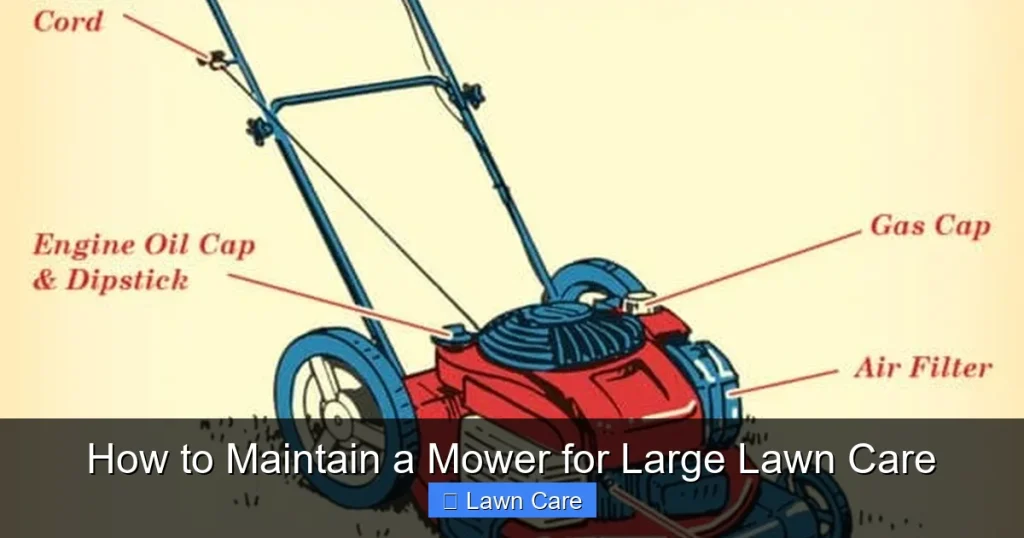
Maintaining a mower for large lawn care isn’t just about keeping it clean—it’s about protecting your investment and ensuring peak performance every season. Regular tune-ups, blade sharpening, and proper storage can extend your mower’s life and improve cut quality. With the right routine, you’ll save time, fuel, and money while achieving a healthier, more beautiful lawn.
Keeping a large lawn in top shape requires more than just pushing a mower across the yard. For expansive properties, a well-maintained mower isn’t a luxury—it’s essential. A poorly cared-for machine can lead to uneven cuts, engine strain, and frequent breakdowns, wasting time and money. On the other hand, a properly maintained mower delivers clean cuts, runs efficiently, and lasts for years.
How to Maintain a Mower for Large Lawn Care starts with understanding the unique demands of large-scale mowing. Unlike small residential lawns, large properties often involve heavier use, longer runtime, and exposure to more debris. This means your mower faces greater stress and faster wear. The good news? With consistent maintenance, you can keep your mower in peak condition and your lawn looking pristine all season long.
Key Takeaways
- Clean after every use: Remove grass clippings, dirt, and debris to prevent rust and clogging.
- Sharpen blades regularly: Dull blades tear grass, leading to brown edges and disease.
- Check and change oil: Fresh oil reduces engine wear and improves fuel efficiency.
- Inspect spark plugs: Replace worn plugs to ensure reliable starts and smooth operation.
- Store properly: Use a dry, covered space and consider winter storage to prevent damage.
- Follow a maintenance schedule: Preventative care avoids costly repairs and downtime.
- Use quality fuel: Fresh, stabilized fuel prevents gum buildup in the carburetor.
Quick Answers to Common Questions
How often should I sharpen my mower blades?
Sharpen blades every 20–25 hours of use or once per season. Dull blades tear grass, leading to brown edges and disease.
Can I use regular gas instead of fuel stabilizer?
No. Regular gas degrades over time and causes carburetor clogs. Use stabilized fuel for storage or infrequent use.
What’s the best way to clean a mower deck?
Use a brush or low-pressure washer to remove grass and debris from the underside. Do this after every use to prevent buildup.
How do I know if my spark plug needs replacing?
Look for black soot, a broken electrode, or fouling. Replace every season or if the mower struggles to start.
Should I change the oil every time I mow?
No. Change oil every 25–50 hours of use or at the start of each season. Frequent oil changes are unnecessary and wasteful.
📑 Table of Contents
Daily Maintenance: Start Small, Save Big
Even the smallest habits can make a big difference in your mower’s performance. After each mowing session, take five minutes to inspect and clean your equipment. This simple step prevents buildup that can lead to clogs, rust, and mechanical issues.
Clean the Deck and Undercarriage
Large lawns mean more grass clippings and soil buildup. After mowing, use a brush or pressure washer (on low setting) to remove residue from the underside of the mower deck. This area is especially prone to clogging, which can throw off the mower’s balance and reduce cutting efficiency.
Check for Debris in the Air Filter
A dirty air filter restricts airflow to the engine, causing poor performance and increased fuel consumption. Inspect the filter after every few uses. If it’s clogged with dirt or grass, replace it. For large properties with dusty or grassy conditions, consider a foam filter that’s easier to clean and reuse.
Inspect Belts and Blades
Loose or worn belts can slip or snap during operation. Check belt tension and condition regularly. Also, look at the blades—cracks or nicks mean they need sharpening or replacement. Dull blades tear grass instead of cutting it cleanly, which weakens turf and invites disease.
Weekly Tune-Ups: Keep It Running Smoothly
Visual guide about How to Maintain a Mower for Large Lawn Care
Image source: as2.ftcdn.net
Weekly maintenance ensures your mower stays reliable, especially during heavy use on large lawns. These tasks help prevent breakdowns and maintain consistent performance.
Change the Oil
Engine oil lubricates moving parts and prevents overheating. For large lawns, the engine works harder and runs longer, so oil breaks down faster. Change the oil every 25–50 hours of use or at the start of each mowing season. Use the type of oil recommended in your owner’s manual—usually SAE 30 or 10W-30 for small engines.
Replace or Clean the Spark Plug
A fouled or worn spark plug can cause hard starts, misfires, and poor fuel efficiency. Check the spark plug every month. If it’s blackened, fouled, or has a broken electrode, replace it. Cleaning a spark plug is possible, but replacement is often faster and more reliable.
Check Fuel System
Old fuel can gum up the carburetor and fuel lines, especially in large mowers that sit unused between sessions. Use fresh, stabilized fuel and consider adding a fuel stabilizer if you’re storing the mower for more than a few weeks. This prevents varnish buildup and keeps the engine running smoothly.
Monthly Deep Dives: Prevent Long-Term Damage
Visual guide about How to Maintain a Mower for Large Lawn Care
Image source: bergerhargis.com
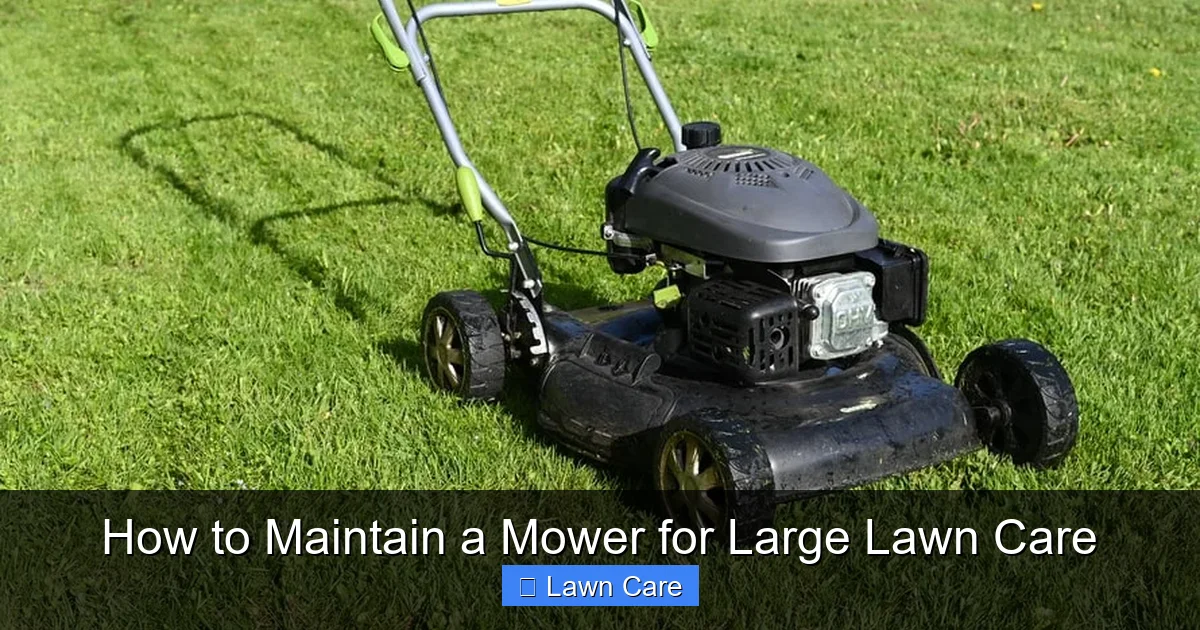
Monthly maintenance dives deeper into mechanical systems that affect performance and longevity. These checks are especially important for large lawns where the mower endures constant stress.
Sharpen or Replace Blades
Blades should be sharpened every 20–25 hours of use or once per season. Dull blades rip grass, causing yellowing and stress. Use a file or grinder to sharpen evenly—keep the same angle on both sides. For severely damaged blades, replace them. A sharp blade cuts cleanly and promotes healthier turf.
Inspect the Air Filter
If you’ve been using the mower heavily, the air filter may need more frequent attention. Remove it and tap out loose debris. If it’s oily or clogged, clean it (if it’s a foam filter) or replace it (if it’s paper). A clean filter ensures proper air-to-fuel ratio and engine efficiency.
Check Tire Pressure and Alignment
For riding mowers or tractors, proper tire pressure ensures even cutting and reduces strain on the transmission. Check pressure monthly and adjust as needed. Also, inspect for uneven wear, which can indicate alignment issues.
Seasonal Overhaul: Prepare for Peak Mowing
Visual guide about How to Maintain a Mower for Large Lawn Care
Image source: images.immediate.co.uk
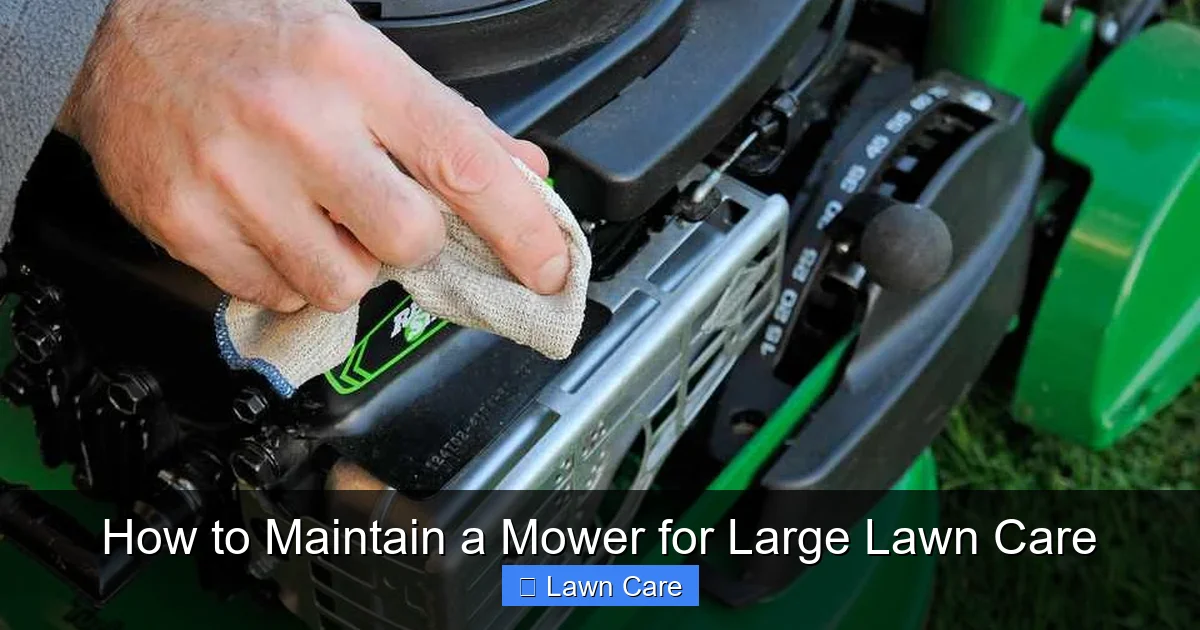
At the start of the mowing season, treat your mower like a car getting its annual service. A full inspection and tune-up ensures reliability when you need it most.
Replace All Filters
Swap out the air filter, oil filter (if applicable), and fuel filter. These components degrade over time and can compromise performance if left unchanged.
Flush the Fuel System
Drain old fuel and replace it with fresh, stabilized gasoline. This prevents carburetor clogs and ensures smooth starts.
Test the Starter and Charging System
For electric-start models, check the battery charge and connections. Clean terminals and replace a weak battery before the season begins. A reliable start saves frustration on busy mowing days.
Proper Storage: Protect Your Investment
After the mowing season ends, proper storage is crucial—especially for large lawns where mowers see heavy use. A well-stored mower returns to service in spring with minimal hassle.
Clean Thoroughly Before Storage
Remove all grass, mud, and debris. A clean mower resists rust and mold during long-term storage. Pay special attention to the deck and undercarriage.
Drain or Stabilize Fuel
Old fuel can damage the engine and carburetor. Either drain the fuel tank and run the engine until it stalls, or add a fuel stabilizer and run the mower for 5–10 minutes to circulate treated fuel.
Store in a Dry, Covered Area
Moisture is the enemy of small engines. Store your mower in a garage, shed, or covered area. If possible, cover it with a breathable tarp to protect from dust while allowing airflow.
Disconnect the Battery
For electric-start models, disconnect the battery to prevent drain and corrosion. Store it in a cool, dry place.
Change Oil and Filters
Before storing, change the oil and filters. Fresh lubricants prevent sludge buildup and protect internal components.
Common Mistakes to Avoid
Even experienced landscapers make errors that shorten mower life. Here’s what to avoid:
- Skipping oil changes: This leads to engine wear and reduced performance.
- Using old fuel: Stale gasoline causes hard starts and carburetor damage.
- Ignoring blade wear: Dull blades harm grass and increase fuel use.
- Storing wet: Rust and mold develop quickly in damp conditions.
- Overlooking air filters: A clogged filter starves the engine of air.
By avoiding these mistakes, you’ll keep your mower running efficiently and your large lawn looking its best.
When to Call a Professional
While many maintenance tasks are DIY-friendly, some issues require expert help. If your mower won’t start after troubleshooting, has excessive vibration, or shows signs of internal engine damage, consult a certified technician. Regular professional servicing can catch problems early and extend equipment life.
For example, if you’re unsure how to clean a carburetor or need help diagnosing engine issues, check out How To Clean A Briggs And Stratton Lawn Mower Carburetor for step-by-step guidance.
How to Maintain a Mower for Large Lawn Care isn’t about doing everything at once—it’s about consistency. A few minutes of care each week can prevent hours of repair later. Whether you’re mowing 5 acres or 50, the same principles apply: clean, inspect, maintain, and store properly.
With the right routine, your mower becomes a reliable partner in maintaining a beautiful, healthy lawn. You’ll spend less time fixing equipment and more time enjoying your outdoor space.
Frequently Asked Questions
How often should I service my lawn mower?
Service your mower monthly during the mowing season and perform a full overhaul before and after winter. This prevents wear and ensures peak performance.
Can I store my mower with old gas?
No. Old gas causes carburetor damage and hard starts. Always use fresh fuel or add a stabilizer before storage.
What type of oil should I use in my lawn mower?
Use the oil type recommended in your owner’s manual—typically SAE 30 or 10W-30 for most small engines. Check the manual for specifics.
How do I fix a mower that won’t start?
Check the spark plug, fuel system, and air filter first. If those are fine, inspect the battery (for electric start) or pull cord mechanism. For persistent issues, consult a professional.
Is it worth sharpening blades myself?
Yes, if you have basic tools and follow safety guidelines. Sharpening is cost-effective and ensures a clean cut. Replace blades if they’re cracked or too worn.
How do I prevent rust on my mower?
Store in a dry, covered area and clean the mower thoroughly before long-term storage. Wipe down metal parts and consider a rust inhibitor for critical components.