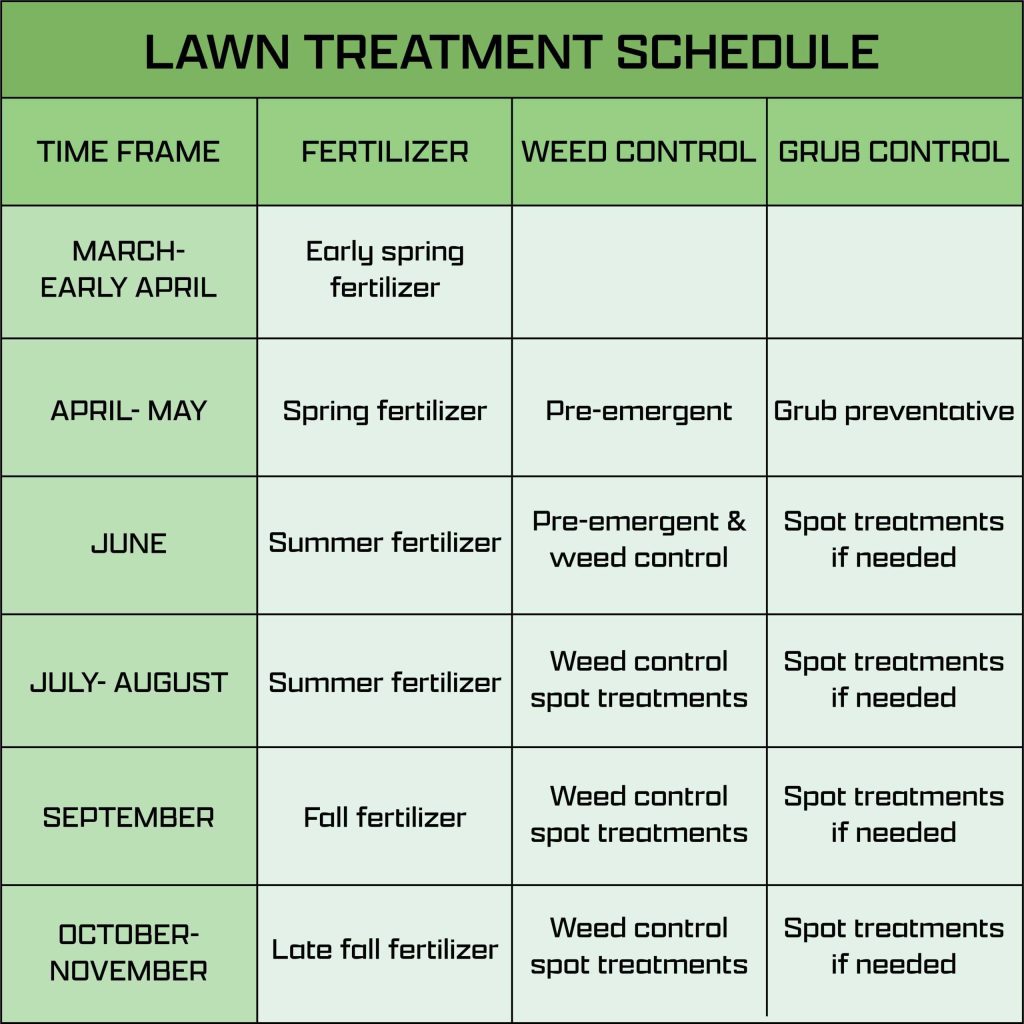
For a lush, green summer lawn, fertilize about once every 6 to 8 weeks. During the hot months, regular feeding helps your grass stay healthy, withstand heat stress, and recover quickly from foot traffic or pests. Over-fertilizing can do more harm than good, so sticking to a consistent schedule is key.
To keep your lawn vibrant and healthy throughout summer, fertilization should typically occur every 6 to 8 weeks. This ensures your grass gets the right nutrients to thrive during the high-growth, sun-filled months. Remember, factors like grass type, soil condition, and local climate can influence the exact frequency, so observing your lawn’s response and adjusting accordingly will give you the best results. Proper fertilization not only boosts growth but also strengthens roots, making your yard more resilient to summer challenges. A well-maintained fertilization routine keeps your outdoor space lush and inviting all season long.

How often should you fertilize lawn in summer
Understanding the importance of summer fertilization
Fertilizing your lawn during summer helps keep your grass healthy and vibrant. Proper nutrition promotes strong roots, rich color, and resilience against heat stress. Without regular feeding, grass can become weak, thin, and more prone to weeds and pests.
Factors influencing fertilization frequency
The ideal fertilization schedule depends on several factors like grass type, soil quality, climate, and lawn usage. These elements determine how often nutrients need replenishing to maintain lush growth. Recognizing these variables ensures you avoid over-fertilizing or underfeeding your lawn.
Typical summer fertilization schedule
For most lawns, applying fertilizer every six to eight weeks during summer works well. This frequency provides consistent nutrients without overwhelming the grass. It is common to have two to three feeding sessions in the hot months.
Early summer application (June)
Start with a balanced lawn fertilizer at the beginning of June. Use a fertilizer with a higher nitrogen content to promote vigorous leaf growth. This application supports the grass as it begins its active summer growth phase.
Mid-summer feeding (July to August)
In mid to late summer, apply another round of fertilizer. Focus on a slow-release formula to provide steady nutrients over several weeks. This helps the grass withstand the heat and continue greening.
Late summer considerations (September)
If your climate allows, a final feeding in late summer can prepare your lawn for fall. Use a fertilizer with a balanced nutrient profile to strengthen roots ahead of cooler weather.
Choosing the right fertilizer for summer
Selecting the correct fertilizer is essential for summer health. Look for products with specific ratios of nitrogen, phosphorus, and potassium based on your lawn’s needs. A common summer formula is a high-nitrogen fertilizer to spur lush growth.
Types of fertilizers suitable for summer
- Granular fertilizers: Easy to apply and provide slow-release nutrients. Ideal for large lawns.
- Liquid fertilizers: Absorbed quickly, giving fast results. Suitable for quick nutrient boost.
- Organic fertilizers: Made from natural ingredients, promoting healthy soil and sustainable growth.
Signs your lawn needs fertilization
Watch for yellowing or pale grass, thin patches, or slow growth—all signs that your lawn might be nutrient-deficient. Under heavy heat, grass may also turn brown or become less resilient. Regular observation helps you determine when to fertilize.
How weather affects fertilization timing
Fertilizer application should be planned around the weather. Avoid applying on windy days to prevent drift and on days forecasted for heavy rain, which can wash away nutrients. Warm, dry days are best for optimal absorption and minimal runoff.
Understanding over-fertilizing risks
Applying too much fertilizer can harm your lawn, causing excessive growth, thatch buildup, or even burning the grass. It can also lead to environmental issues like water pollution. Always follow manufacturer instructions and avoid frequent, heavy applications.
Watering practices following fertilization
After fertilizing, watering your lawn helps nutrients penetrate the soil and reduces the risk of fertilizer burn. Deep, infrequent watering encourages roots to grow deeper, making your lawn more drought-resistant.
Additional tips for summer lawn care
– Mow regularly to keep grass at an optimal height
– Aerate the soil to improve nutrient absorption
– Control weeds to prevent competition for nutrients
– Provide sufficient water, especially during heatwaves
Related topics to consider for summer lawn health
Dealing with heat stress
Ensuring proper fertilization and watering can prevent your grass from becoming stressed during hot weather. Shade and watering adjustments also help.
Managing pests and diseases
Healthy, well-fertilized lawns resist pests better. Keep an eye out for signs of disease and address issues promptly with suitable treatments.
Soil testing for optimal fertilization
Periodic soil testing helps determine nutrient deficiencies and pH imbalances. This information allows you to tailor your fertilization plan specifically for your lawn’s needs.
Use of organic fertilizers during summer
Organic options gradually improve soil health, supporting beneficial microbes and reducing chemical runoff. They are especially good for lawns in environmentally sensitive areas.
Summary of summer fertilization best practices
– Apply fertilizer every six to eight weeks
– Choose the right type based on your lawn’s needs
– Water thoroughly after fertilization
– Time applications according to weather conditions
– Observe your lawn for signs of nutrient deficiency or excess
Following these guidelines ensures your lawn remains lush, green, and healthy throughout the summer months. Consistent care and attention to detail promote strong growth and resilience against the challenges of high temperatures.
Can You Fertilize The Lawn in Summer and Not Burn It?
Frequently Asked Questions
How can I determine the best fertilization schedule for my summer lawn?
To find the optimal fertilization schedule, consider your grass type, local climate, and soil health. Typically, lawns benefit from fertilizing every 6 to 8 weeks during the summer months. Conduct soil tests to identify any nutrient deficiencies, and adjust your fertilization plan based on the results to ensure your lawn receives the appropriate nutrients at the right times.
What signs indicate that my lawn needs more frequent fertilization in summer?
If your lawn appears yellow, dull, or shows slow growth, it may need additional nutrients. Additionally, if it struggles to recover after mowing or experiences patchiness, increasing fertilization frequency can help. Pay attention to these signs and consider applying a balanced fertilizer to support healthy growth during hot months.
Are there specific types of fertilizers better suited for summer use?
Yes, slow-release fertilizers work well in summer because they provide a steady supply of nutrients over time, reducing the risk of burning the grass. Look for fertilizers with a balanced ratio of nitrogen, phosphorus, and potassium tailored for summer conditions to promote vitality and resilience.
How does watering influence the fertilization frequency on my lawn during summer?
Proper watering enhances fertilizer effectiveness by helping nutrients penetrate the soil and reach grass roots. After fertilizing, water your lawn thoroughly to prevent nutrient runoff and ensure even distribution. Maintaining consistent moisture levels allows your grass to absorb nutrients efficiently and stay healthy through the heat.
Should I adjust my fertilization routine during heatwaves or dry spells?
Yes, during extreme heat or drought conditions, reduce the frequency and amount of fertilizer applied to prevent stressing your lawn. Focus on deep watering to maintain soil moisture, and consider applying a light, slow-release fertilizer once conditions improve to support recovery and growth without overwhelming the grass.
Final Thoughts
How often should you fertilize lawn in summer varies based on grass type and climate. Generally, applying fertilizer every 6 to 8 weeks keeps your lawn healthy. During peak summer months, avoid over-fertilizing to prevent damage from heat stress.
Stick to a consistent schedule for best results, and always follow product instructions. Proper fertilization encourages lush, green growth and resilient grass. In conclusion, for a thriving summer lawn, understanding how often you should fertilize lawn in summer ensures your yard remains vibrant and strong.