To keep your lawn healthy and thriving, it’s generally recommended to aerate it once or twice a year. Timing can depend on your grass type and local climate, but for most homeowners, the spring and fall are ideal. Aeration helps relieve soil compaction, improves water drainage, and allows nutrients to reach the roots more effectively. If your lawn sees heavy foot traffic or if you’re noticing poor growth, you might even consider aerating more frequently. This simple practice can make a significant difference in the overall health of your lawn and ensure lush, green grass throughout the growing season. Let’s dive deeper into the best practices for aerating your lawn and how to determine the right frequency for your specific needs.

How Often Should I Aerate My Lawn?
Aerating your lawn is a crucial step in maintaining a healthy and vibrant yard. It involves perforating the soil with holes to allow air, water, and nutrients to reach the grassroots. But the question remains: how often should you aerate your lawn? This article will delve into this topic, providing you with comprehensive insights to help you achieve a lush green lawn.
Understanding Lawn Aeration
Lawn aeration is a process that relieves soil compaction. Compacted soil prevents water and nutrients from penetrating deep into the ground. Aeration opens up the soil, allowing for better air circulation and healthier grass roots.
There are two primary methods of aeration: core aeration and spike aeration. Core aeration removes plugs of soil, while spike aeration simply makes holes in the ground. Core aeration is generally considered more effective.
Signs You Need to Aerate Your Lawn
Before determining how often to aerate, it’s important to recognize when your lawn needs it. Here are some signs that your lawn may benefit from aeration:
- Your lawn feels spongy when walked on.
- Water puddles on the surface after rainfall.
- Grass growth is slow or appears unhealthy.
- Soil is hard and compacted.
- Heavy traffic areas are worn and bare.
If you notice any of these signs, it’s time to consider aerating your lawn.
Factors Influencing Aeration Frequency
Several factors will influence how often you should aerate your lawn. Let’s explore these key elements in detail.
Soil Type
The type of soil you have plays a significant role in determining aeration frequency.
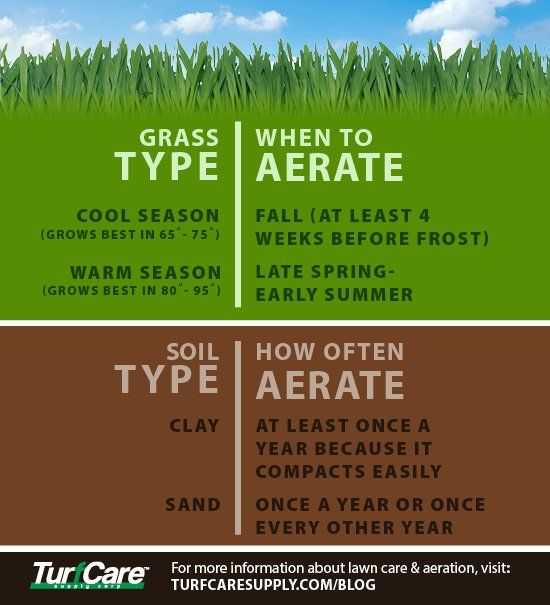
– **Clay soils** are prone to compaction. Therefore, they benefit from more frequent aeration—ideally, once or twice a year.
– **Sandy soils**, however, drain well and typically require less aeration, perhaps once a year.
Understanding your soil type is essential for effective lawn care.
Grass Type
Different types of grass have varying growth patterns and needs.
– **Cool-season grasses**, such as Kentucky bluegrass, thrive in the spring and fall. Aeration during these seasons is beneficial and should be done once a year.
– **Warm-season grasses**, like Bermuda grass, grow best in summer. Aerate these lawns in late spring or early summer for optimal results.
Matching the aeration schedule to your grass type ensures your lawn receives the care it needs at the right time.
Weather Conditions
Weather conditions can affect when and how often to aerate your lawn.
– Aeration is best performed when the soil is moist but not overly wet.
– Avoid aerating during drought conditions or when the soil is frozen.
Being aware of the weather will help you choose the best time for aeration.
Foot Traffic
High foot traffic can lead to soil compaction, which necessitates more frequent aeration.
– If your lawn frequently hosts gatherings or has children playing on it, you may want to aerate twice a year.
– Conversely, lawns with minimal use can be aerated once a year.
Keep an eye on how your lawn is used, and adjust your aeration schedule accordingly.
Best Time to Aerate Your Lawn
Timing is crucial when it comes to lawn aeration. Knowing the best season can make a significant difference in results.
Spring Aeration
Spring is a great time for aerating cool-season grasses.
– This is when they begin to grow vigorously after winter.
– Aerating in the spring promotes healthy root growth and overall lawn health.
If you have warm-season grasses, consider aerating in late spring, just before the peak growing season.
Fall Aeration
Fall is often regarded as the optimal time to aerate cool-season grasses.
– The soil is still warm, encouraging root growth.
– It is also a period of increased rainfall, which helps in the aeration process.
Aerating in the fall allows your grass to recover and thrive before the winter months.
How to Aerate Your Lawn
Aerating your lawn can be done using various tools. Here’s a quick guide on how to do it effectively.
Choosing the Right Equipment
Choosing the appropriate aeration tool is essential. Here are some common options:
- Hand-held aerators: Good for small areas.
- Powered aerators: Ideal for larger lawns and more efficient results.
- Renting equipment: Consider renting from local hardware stores if you don’t want to buy.
Select a tool that fits your lawn size and aeration needs.
Preparation Steps
Before aerating, take these preparatory steps:
1. **Mow your lawn** to a shorter height, allowing for easier access to the soil.
2. **Water your lawn** lightly one or two days before aerating. This softens the soil for better results.
3. **Mark any obstacles**, such as sprinklers or underground cables, to avoid damage.
Proper preparation will set you up for successful aeration.
The Aeration Process
Follow these steps to aerate your lawn effectively:
1. **Use the aeration tool** to create holes across the lawn, ensuring you cover the entire area.
2. **Space holes approximately 2-4 inches apart** for the best results.
3. **Leave the soil plugs on the surface**; they will break down and enrich the soil.
After aeration, give your lawn time to recover and flourish.
Post-Aeration Care
Post-aeration care plays a vital role in your lawn’s recovery. Here are some essential steps to follow.
Watering
After aeration, ensure your lawn receives adequate moisture.
– Water it deeply to promote root growth.
– Continue a regular watering schedule to keep the lawn hydrated.
Proper watering will aid the recovery process.
Fertilization
Fertilizing after aeration is beneficial.
– Apply a slow-release fertilizer to provide essential nutrients.
– This will encourage healthy growth and help the grass recover quickly.
Boosting your lawn’s nutrient levels can lead to a lush and vibrant lawn.
Overseeding
Consider overseeding after aeration.
– This filler technique can help thicken the lawn and repair any bare spots.
– Use a high-quality grass seed that matches your existing grass type.
Overseeding combined with aeration can significantly improve your lawn’s appearance.
In summary, the frequency of lawn aeration can depend on various factors including soil type, grass type, weather conditions, and foot traffic. Generally, most lawns would benefit from aeration once a year, with some need for twice-a-year aeration. Following proper aeration techniques and post-care is crucial for a healthy lawn. By paying attention to the signs and timing your aeration correctly, you can enjoy a beautiful, thriving lawn year-round. With dedication and care, your lawn can become the envy of the neighborhood.
Aerating Lawns When it's Done and Why
Frequently Asked Questions
“`html
What signs indicate my lawn needs aeration?
If your lawn feels compacted and the grass appears thin and unhealthy, these are clear signs that it may need aeration. Additionally, if water tends to pool on the surface instead of soaking in, or if you notice a lot of thatch buildup, it’s time to consider aerating your lawn.
Can aeration damage my lawn?
Aeration is generally beneficial to your lawn and does not cause damage when performed correctly. However, if you aerate during extreme heat or drought conditions, it can stress your grass. Always ensure you choose the right time of year and follow proper aeration techniques.
Is there a best time of year to aerate my lawn?
The best time to aerate your lawn typically depends on your grass type. For cool-season grasses, early spring or early fall works best, while warm-season grasses should be aerated in late spring or early summer. Aligning aeration with your grass type maximizes the benefits.
How long does it take for my lawn to recover after aeration?
Your lawn should recover from aeration within a few weeks. During this time, provide proper care by watering and fertilizing to help the grass heal and promote new growth. Expect noticeable improvement in your lawn’s health and appearance shortly after.
Should I fertilize my lawn after aeration?
Yes, fertilizing after aeration can be very beneficial. Aeration creates small holes in the soil, allowing nutrients to penetrate deeper. Applying fertilizer right after aeration ensures your grass receives the maximum benefit, promoting healthy growth and enhancing the overall vitality of your lawn.
Can I rent aeration equipment, or should I hire a professional?
Both options are available to you. Renting aeration equipment may be cost-effective if you are comfortable using it and have a smaller lawn. However, hiring a professional can save time and ensure that the job is done correctly, especially for larger areas or if you’re unfamiliar with the process.
“`
Final Thoughts
Aerating your lawn is crucial for maintaining its health and vitality. Most experts recommend aerating your lawn at least once a year, preferably in the spring or fall when the grass is actively growing. However, if your lawn experiences heavy foot traffic or has compacted soil, consider aerating more frequently.
By aerating regularly, you allow essential nutrients, water, and air to penetrate the soil, promoting stronger root growth. Ultimately, the question of how often should I aerate my lawn depends on specific conditions, but annual aeration is a great starting point for most homeowners.