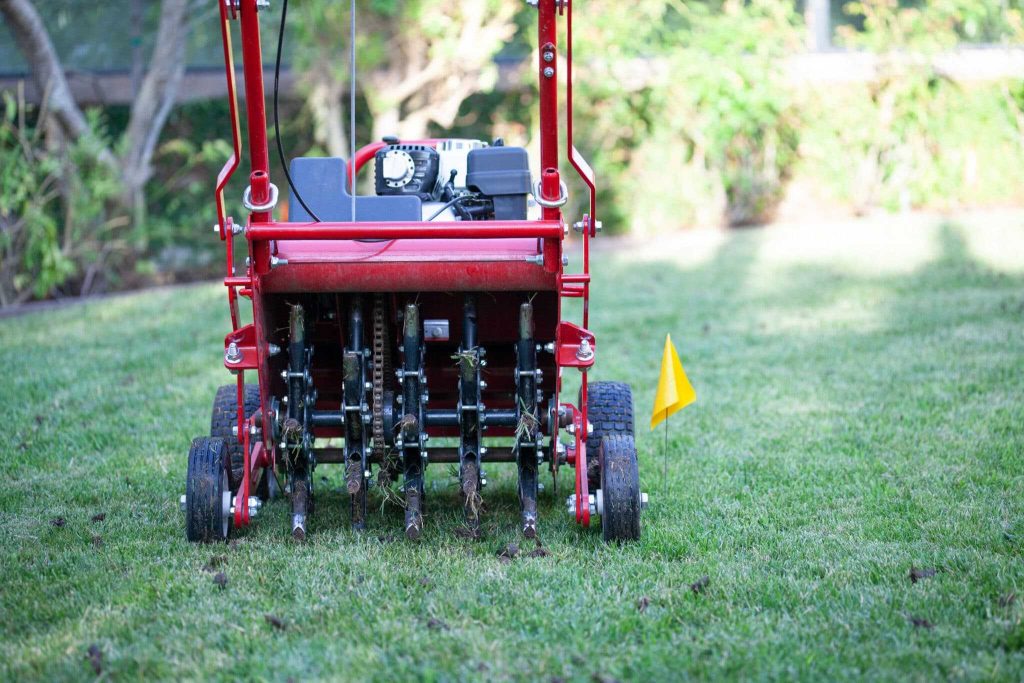
Aerating your lawn is essential for maintaining a healthy, lush green space, but many homeowners wonder how often it should be done. A good rule of thumb is to aerate your lawn once a year, ideally during the growing season when the grass is actively growing—typically in the spring or fall. If your lawn endures heavy foot traffic or has compacted soil, you might consider aerating twice a year. The key is to make sure you’re using the right method, whether it’s core aeration or spike aeration, and to understand the specific needs of your lawn type. By keeping these factors in mind, you can ensure your lawn gets the aeration it needs for optimal health and growth.

How Much to Aerate Lawn
Aerating your lawn is an essential part of lawn care that promotes healthy grass growth. It involves perforating the soil with holes to allow air, water, and nutrients to penetrate the grassroots. But how much should you aerate your lawn? This article will guide you through everything you need to know about lawn aeration, including frequency, methods, and tips for success.
Understanding Lawn Aeration
Lawn aeration is crucial for maintaining a vibrant and lush lawn. As the soil gets compacted over time due to foot traffic, heavy equipment, and natural weather activities, air pockets become limited. Aeration creates small holes in the soil, alleviating these issues.
There are two primary types of aeration: **core aeration** and **spike aeration**. Core aeration removes small plugs of soil, while spike aeration punctures the ground without removing any plugs. Core aeration is generally preferred as it more effectively improves soil conditions.
When to Aerate Your Lawn
Timing is everything when it comes to aeration. The best times to aerate your lawn depend on the type of grass you have.
**For Cool-Season Grasses**:
– Aerate in early spring or fall.
– These times provide the best conditions for recovery and growth.
**For Warm-Season Grasses**:
– Aerate in late spring or early summer.
– This is when the grass is actively growing and can recover quickly from the aeration process.
How Often Should You Aerate Your Lawn?
The frequency of aeration largely depends on the condition of your soil and how much traffic your lawn sees. Here’s a handy guide:
- If your lawn receives moderate traffic: Aerate once a year.
- If your lawn sees heavy traffic: Aerate twice a year.
- If your lawn is newly established: Aerate after the first growing season.
- If your lawn has clay soil: Aerate every 6-12 months for best results.
It’s essential to monitor your lawn’s health. If you notice that grass is not thriving, it may be time to aerate.
Signs Your Lawn Needs Aeration
Recognizing when your lawn needs aeration can help you maintain its health. Look for these signs:
- Soil is hard and compacted.
- Grass is brown or thinning.
- Water pools on the surface instead of soaking in.
- Footprints remain visible for a long period after walking on the lawn.
If you notice one or more of these signs, it might be time to aerate.
Preparing for Lawn Aeration
Proper preparation is vital for effective aeration. Here are steps to ensure a successful process:
1. **Mow Your Lawn**: Cut the grass shorter than usual to make aerating easier.
2. **Water Your Lawn**: Water the grass a day before aeration. This softens the soil and allows for easier penetration.
3. **Mark Any Obstacles**: Identify and mark sprinkler heads, cables, or other underground utilities to avoid damaging them.
These steps will help you get the most out of the aeration process.
Methods of Lawn Aeration
There are various methods of aeration, and the best one for you will depend on your lawn’s specific needs. The most common methods include:
Core Aeration
Core aeration is performed using a specialized machine that pulls out soil plugs. This method is effective and efficient for most lawns. It improves airflow, reduces compaction, and also creates spaces for nutrients.
Spike Aeration
Spike aeration uses a tool with spikes that simply puncture the soil. This method is not as effective as core aeration because it can lead to even more compaction around the holes created.
Manual Aeration Tools
For smaller lawns, manual aeration tools like hand-held aerators can be useful. These tools allow you to aerate small patches of lawn effectively. However, they require more effort and time.
Post-Aeration Care
After aerating your lawn, it’s essential to care for it properly. Here’s what you should do:
1. **Leave Soil Plugs on the Lawn**: Let them decompose naturally as they return nutrients to the soil.
2. **Water the Lawn**: Give your lawn about one inch of water to help it recover.
3. **Fertilize**: Adding fertilizer post-aeration provides essential nutrients that can boost grass growth.
These steps will help your lawn bounce back quickly after aeration.
The Benefits of Aeration
Aeration has numerous benefits that can significantly enhance the health of your lawn. Some of the most notable include:
- Increased nutrient absorption: Allows nutrients to penetrate deeper into the roots.
- Improved water infiltration: Helps water soak into the soil rather than run off.
- Enhanced root development: Stronger and deeper roots lead to a healthier lawn.
- Reduced soil compaction: Loosens compacted soil for better air flow.
These benefits not only enhance your lawn’s appearance but also contribute to its overall health.
Frequently Asked Questions About Lawn Aeration
Understanding common queries can help clarify any uncertainties about aeration. Here are some often-asked questions:
Can I Aerate My Lawn Myself?
Yes, you can aerate your lawn yourself, especially if it’s small. However, for larger lawns, renting an aerator or hiring a professional can save time and effort.
Is Aeration Necessary Every Year?
Not necessarily. It depends on the condition of your lawn. Monitor its health and aerate when required.
What Time of Year Is Best for Aeration?
As mentioned before, cool-season grasses are best aerated in early spring or fall, while warm-season grasses thrive from late spring to summer.
Will Aeration Help My Lawn If It’s Already Brown?
While aeration can improve lawn health, it’s essential to address other issues like watering and fertilization for the best results.
Common Mistakes to Avoid When Aerating Your Lawn
To achieve maximum effectiveness from lawn aeration, avoid these common mistakes:
- Neglecting to check soil moisture: Aerating dry soil can lead to further compaction.
- Aerating at the wrong time: Timing is crucial for successful recovery.
- Over-aerating: Too much aeration can stress your lawn.
By taking care not to make these mistakes, you enhance the chances of a lush and healthy lawn.
Aerating your lawn involves understanding the right frequency, timing, and method to achieve optimal results. By following the guidelines discussed above, you can ensure your lawn remains healthy and vibrant. Remember to pay attention to your grass’s cues and take action when necessary. Aeration may seem straightforward, but its impact on your lawn’s health is significant. Embrace the process, and enjoy watching your lawn flourish!
Aerating Lawns When it's Done and Why
Frequently Asked Questions
“`html
What factors influence the cost of aerating a lawn?
The cost of aerating a lawn depends on several factors including the size of the lawn, the method of aeration (manual or machine), and local labor rates. Additionally, if your lawn requires any additional services, such as overseeding or fertilizing, this can also impact the overall price.
How often should I aerate my lawn to maintain its health?
The frequency of aeration varies based on your lawn’s soil type and usage. Generally, grass that experiences heavy foot traffic benefits from annual aeration. However, lawns with lighter use may require aeration every two to three years. Observing your lawn’s condition and adjusting based on its health can help determine the right timing.
Can I aerate my lawn myself, or should I hire a professional?
You can aerate your lawn yourself if you have the right equipment and feel comfortable using it. However, hiring a professional can ensure the job is done effectively and efficiently, especially for larger lawns or if you’re unsure about the process. Consider your level of experience, time available, and budget when making this decision.
What is the best time of year to aerate my lawn?
The ideal time for aerating your lawn typically falls during the growing season, which varies based on your region and grass type. For cool-season grasses, early spring or early fall works best, while warm-season grasses thrive with aeration in late spring or early summer. Timing plays a crucial role in maximizing the benefits of aeration.
What should I do after aerating my lawn?
After aerating, focus on helping your lawn recover and thrive. Water the lawn thoroughly to promote soil and seed contact, and consider applying fertilizer to provide essential nutrients. Overseeding can also enhance your lawn’s density and health, so spread grass seed if needed. Avoid heavy foot traffic for a few weeks to allow it to establish properly.
“`
Final Thoughts
Aerating your lawn significantly improves its health by allowing air, water, and nutrients to penetrate the soil more effectively. The amount of aeration needed varies based on soil type and grass growth but generally, aiming for aeration once or twice a year is ideal.
When deciding how much to aerate lawn, consider factors such as the density of your grass and the level of soil compaction. Regular aeration helps maintain a vibrant and lush lawn, ultimately resulting in a more beautiful outdoor space.