If you’ve ever typed “how often do i water mint” into a search bar, you’re not alone. It’s one of the most common questions new mint growers ask. And the frustrating thing is, you’ll find answers ranging from “every day” to “once a week.” Which one is right for your plant?
The truth is, mint is a moisture-loving plant that grows naturally along stream banks and in damp meadows. Per the University of Minnesota Extension, mint thrives in consistently moist soil that never dries out completely. But “consistently moist” doesn’t mean waterlogged.
Let’s break down what that actually looks like in your home or garden.
Image source: Openverse / Openverse contributor
Quick Answer
Water mint when the top inch of soil feels dry. Stick your finger into the pot. If it’s dry at your fingertip, water deeply.
If it’s still damp, wait a day. As of 2026, this fingertip test remains the most reliable method. No calendar needed.
Why “Every X Days” Is the Wrong Answer for Mint
A fixed watering schedule sounds simple. Water every other day, done. But mint doesn’t read calendars.
It responds to its environment.
Here’s the problem with a set schedule. If you water on a Tuesday and Thursday, what happens on a 90-degree day? Your mint dries out Wednesday afternoon.
It stays dry for a full 24 hours before the next watering. That stress hurts growth. Conversely, if you get a cool, cloudy week, that same schedule keeps the soil soggy.
Roots start to rot.
Mint sends clear signals when it needs water. Drooping leaves, curling edges, soil pulling away from the pot sides. These signs happen at different times depending on your setup.
A fixed schedule ignores those signals.
The better approach is to check the soil, not the clock. Your mint will tell you exactly when it needs a drink. You just have to know what to look for.
How Mint’s Root System Dictates Its Thirst
Mint has a shallow, fibrous root system. It doesn’t send deep taproots into the ground. Those roots stay in the top 6 to 8 inches of soil.
That top layer dries out fastest.
Think of it this way. Mint roots are like a sponge spread near the surface. They soak up moisture quickly but also lose it fast.
That’s why mint needs consistently damp soil. Let that top layer go dry, and the roots can’t access water.

Image source: YouTube / Depositphotos Content (YouTube thumbnail (fair-use with source credit))
But there’s a catch. Those same shallow roots also need oxygen. Overwatering pushes air out of the soil.
The roots suffocate. Yellow leaves, mushy stems, and a sour smell from the pot are classic signs of root rot. University extension research confirms that overwatering kills mint just as fast as neglect.
So the goal is balance. Keep the soil moist but not saturated. The shallow root system means you’ll water more often than you would a deep-rooted plant.
But you’ll water less volume each time. That’s the trade-off.
The 3 Variables That Change Everything: Container, Climate, and Sun
Watering frequency depends on three main factors. Change any one of them, and your schedule shifts.
Container Size and Material
Pot size matters a lot. A small 4-inch pot dries out in hours. A large 12-inch pot holds moisture for days.
Terracotta pots breathe, pulling moisture from the soil. Plastic pots trap moisture. Glazed ceramic sits somewhere in between.
Here’s a quick rule. Small terracotta pot in full sun? Check daily.
Large plastic pot in shade? Check every three to four days.
Climate and Indoor Conditions
Your home’s humidity and temperature change everything. Dry winter air from heating systems sucks moisture out of soil. Humid summer air slows evaporation.
Air conditioning reduces humidity. Each changes how fast the soil dries.
Growing mint in a dry climate means watering more often. In a humid environment, you water less. Our research shows that mint in a heatedhome in a heated room dries out faster than one in a cool basement.
So check the soil, not the thermostat.
Sun Exposure
Full sun speeds evaporation. Mint in a south-facing window or direct afternoon sun will need water more often. Partial shade slows it down.
Morning sun with afternoon shade is the sweet spot. It keeps the soil moist longer while giving the plant enough light to grow.
If your mint sits in full shade, you might only water every five to seven days. If it bakes in six hours of direct sun, expect to water every day or two.
The Finger Test: The Only Watering Schedule You'll Ever Need
Let's cut through the noise. The finger test is the gold standard for mint watering. No moisture meter required.
No app. Just your index finger.
Here's how it works. Stick your finger straight down into the soil about an inch. If the soil feels dry at your fingertip, water deeply.
If it feels cool and damp, leave it alone. That's it.
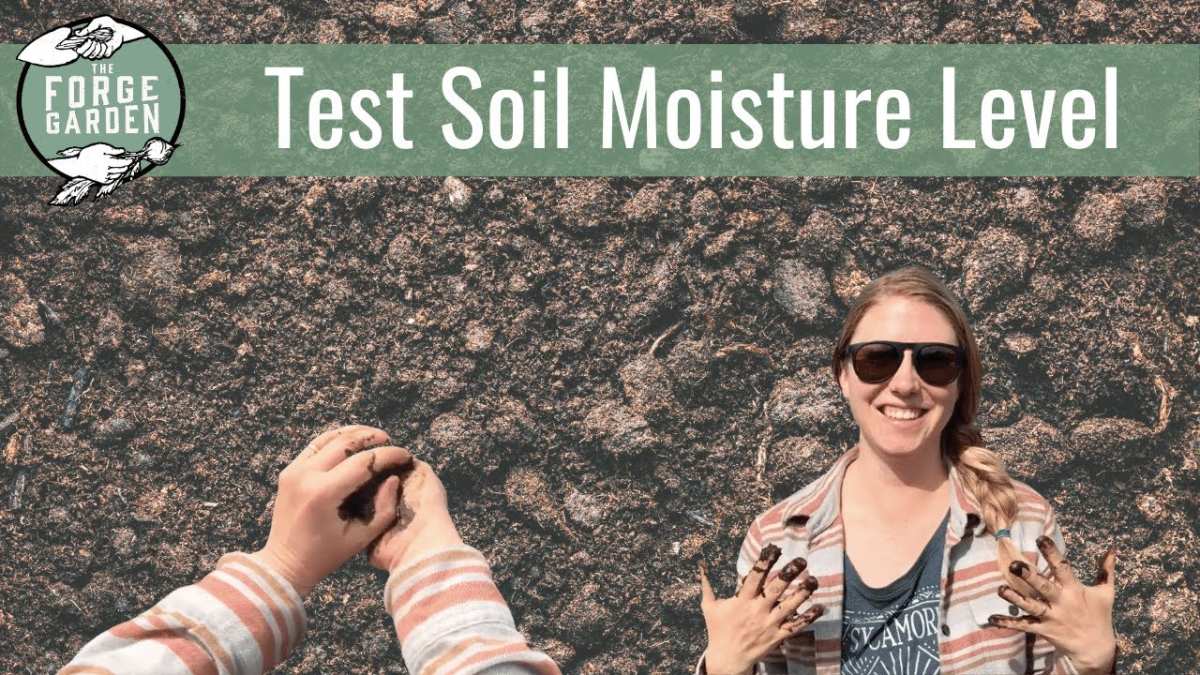
Image source: YouTube / The Forge Garden (YouTube thumbnail (fair-use with source credit))
The key is consistency. Check every morning. After a week, you'll know your mint's rhythm.
You'll learn that on sunny days it dries faster, on cloudy days it holds. You don't need a schedule because your finger tells you when.
One note. If your pot has no drainage holes, the finger test won't save you. Stagnant water at the bottom rots roots no matter what the top feels like.
Always use a pot with drainage.
Decision Tree: How Often to Water Based on Your Exact Setup
Now let's match your specific situation to a watering frequency. Use the conditions below to find your branch.
Branch A: Mint in a Pot Indoors
Indoor mint is the most common setup. You control the environment, but you also have dry air from AC or heating.
- Check the soil every morning.
- Water when the top inch is dry, usually every two to three days.
- If your home is very dry (under 40% humidity), water every one to two days.
- If the pot is small (under 6 inches), water more often.
- If the pot has no drainage, repot it. Seriously.
Branch B: Mint in a Pot Outdoors
Outdoor pots dry faster thanks to wind and sun. But they also get rain, which changes everything.
- Check daily during hot weather.
- Water every one to two days in summer.
- After rain, skip watering until the top inch dries again.
- If the pot is terracotta, water more often. If plastic, less often.
- Move to partial shade during heat waves to reduce stress.
Branch C: Mint in the Ground
In-ground mint has access to deeper soil moisture. It's more forgiving, but not immune to drought.
- Water deeply once or twice a week, depending on rainfall and temperature.
- Mulch around the base with straw or wood chips to hold moisture.
- Check soil three inches down. If dry at that depth, water.
- In heavy clay soil, water less often. In sandy soil, water more often.
How to Read What Your Mint Is Telling You (Visual Cues)
Mint talks. You just have to listen with your eyes.
Wilting leaves mean it's thirsty. The leaves go limp, like they've lost all structure. Water immediately, and they'll perk up within hours.
If they don't perk up, you may have root rot.
Yellow leaves usually mean too much water. Especially if the lower leaves turn yellow and drop off. Let the soil dry out before your next watering.
If the whole plant is yellow, check for poor drainage.
Brown crispy edges mean inconsistent watering. The plant dried out at some point, and the leaf tips died. Trim those off and get on a more consistent check routine.
Curling leaves can mean either too much sun or too little water. If the leaves curl upward, they're trying to reduce surface area to hold moisture. Water and consider moving the pot to partial shade.

Image source: Wikimedia Commons / Salisbury and South Wiltshire Museum, Katie Hinds, 2012-10-19 15:04:48 (CC BY-SA)
4 Mistakes That Kill Mint Faster Than Underwatering
Underwatering is easy to fix. Give it a drink, and it bounces back. These mistakes are harder to recover from.
1. No drainage holes. Without them, water pools at the bottom. Roots rot.
Mint dies. Drill holes or repot.
2. Watering on a fixed schedule. As we covered, this ignores your plant's actual needs. Check soil instead.
3. Letting mint sit in a saucer of water. After watering, empty the saucer. Standing water suffocates roots.
4. Watering the leaves, not the soil. Wet leaves invite powdery mildew. Water at the soil level.
Your mint will thank you.
Adjusting for Seasons: Summer vs. Winter Watering
Mint's water needs change with the seasons, even indoors.
Summer. Active growth. More sun. Higher temperatures.
Expect to water every one to three days. Outdoor mint in full sun may need daily watering during heat waves. Check twice a day if temperatures exceed 90°F.
Winter. Growth slows. Daylight drops. Indoor heating dries the air, but the plant uses less water.
Check less often. Every five to seven days may be enough. Don't let the soil stay bone dry, but don't drown it either.
For outdoor mint in cold climates, the plant may die back to the ground. Cut back dead stems and water sparingly through winter. The roots are alive and will regrow in spring.
Image source: YouTube / How Does Your Garden Grow (YouTube thumbnail (fair-use with source credit))
What to Do When You've Already Screwed Up
We've all been there. Your mint looks sad. Here's how to fix each scenario.
Overwatered. Stop watering. Move the pot to a warm, airy spot. Let the soil dry out.
If the roots are mushy, trim the rotted parts and repot in fresh, dry soil. Cut back any yellow leaves.
Underwatered. Water deeply until water runs out the drainage hole. Place the pot in a bowl of water for 15 minutes if the soil has pulled away from the pot sides. Then let it drain.
The plant should recover within a day.
Root rot. This is serious. Unpot the mint, cut away all brown, mushy roots, and repot in fresh potting mix. Water lightly for the next week.
Mint is resilient, but root rot can kill it if you wait too long.
Quick-Reference Watering Guide by Scenario
| Scenario | Watering Frequency | Check Method |
|---|---|---|
| Mint in small pot indoors, dry air | Every 1–2 days | Finger test at 1 inch |
| Mint in large pot indoors, normal humidity | Every 3–4 days | Finger test at 1 inch |
| Mint in pot outdoors, summer, full sun | Every 1–2 days | Finger test daily |
| Mint in pot outdoors, summer, partial shade | Every 2–3 days | Finger test every other day |
| Mint in ground, summer, no rain | Twice per week | Check 3 inches down |
| Mint in ground, with regular rain | Only after dry spell | Let rain do the work |
| Mint in winter, indoors, heated | Every 5–7 days | Finger test at 1 inch |
| Mint in winter, outdoors, dormant | Water monthly if no rain | Check soil every 2 weeks |
The Bottom Line
You don't need a calendar to water mint. You need a finger, a pot with drainage, and a little attention. Check the soil daily at first.
Learn your plant's rhythm. Adjust for seasons and sun.
Mint is forgiving. It bounces back fast from a missed watering. The real danger is overwatering, which creeps up slowly.
So when in doubt, wait a day. Your mint will tell you when it's thirsty.
For more tips on keeping your garden healthy, check out our guide on maintaining proper soil moisture for lush growth. If you're into lawn care, it's a similar principle. And if you keep your mower running smoothly with regular attention, your mint will thrive with the same kind of consistent care.
Frequently Asked Questions
How often do I water mint in a small pot?
Every one to two days, depending on pot size and room temperature. Small pots dry out fast. Check the top inch of soil daily.
Can I water mint every day?
Only if the soil dries out that quickly. In hot weather or small terracotta pots, daily watering may be needed. But always check first.
Does mint need more water in full sun?
Yes. Full sun speeds evaporation. Expect to water more often, sometimes daily during heat waves.
How do I know if I'm overwatering my mint?
Yellow lower leaves, mushy stems, and a musty smell from the soil are signs. Let the soil dry out and ensure drainage holes are clear.
Should I mist mint leaves?
No. Mint doesn't need leaf misting. Wet leaves encourage powdery mildew.
Water the soil directly.
Does mint need different watering in winter?
Yes. Growth slows, so water less often. Check every five to seven days indoors.
Outdoor dormant mint needs very little water.
Watering Mint in Self-Watering Containers
Self-watering pots use a reservoir at the bottom. Wicking action pulls moisture up to the roots. This can make mint care easier, but there's a catch.
The soil stays consistently damp, which mint loves. But if the reservoir runs dry, the top layer dries out fast. Check the water level weekly.
Refill when the indicator shows low. Never let the reservoir sit empty for more than a day.
One downside. Without the finger test, it's easy to forget to drain excess water. If the reservoir is constantly full, roots can drown.
Empty and refill every two weeks to keep the water fresh.
How to Water Mint for Frequent Harvesting
Harvesting stimulates new growth. But it also increases water demand. Every time you cut stems, the plant pushes energy into regrowth.
That requires consistent moisture.
Water deeply right after harvesting. Give the soil a thorough soak. Then wait two days before your next check.
The plant needs time to recover. Don't water again until the top inch is dry.
If you harvest regularly, expect to water slightly more often. The new leaves are tender and lose water faster. Keep a close eye on the soil for the first week after a heavy harvest.
Using Mulch to Reduce Watering Frequency
Mulch is a game changer for outdoor mint. A two-inch layer of straw, shredded leaves, or wood chips slows evaporation. It keeps the soil cool and damp longer.
Apply mulch after the soil is already moist. Spread it around the base, but don't pile it against the stems. Leave a small gap to prevent rot.
With mulch, you might cut watering frequency by half. Check the soil under the mulch every few days. If it's still damp, skip watering.
The mulch does the work for you.
Watering Mint with Different Water Sources
Tap water works fine for most mint. But chlorine and fluoride can cause leaf tip browning over time. Let tap water sit out overnight before using.
The chlorine evaporates.
Rainwater is ideal. It's naturally soft and free of chemicals. Collect it in a barrel and use it for all your herbs.
Mint responds well to the lower mineral content.
Filtered or distilled water is fine, but unnecessary. Mint isn't picky. The main priority is consistency, not water quality.
Your mint will thrive with regular tap water as long as you check the soil properly.
When to Repot Mint Due to Watering Issues
Root-bound mint needs water constantly. The pot is full of roots, leaving little room for soil. Water runs straight through.
If you're watering every day and the soil still feels dry, check the roots.
Gently slide the plant out of the pot. If roots are circling the bottom and packed tight, it's time to repot. Choose a pot two inches wider.
Fresh potting mix holds more moisture.
After repotting, water deeply. The new soil needs time to settle. You'll notice the plant goes longer between waterings.
Repotting once a year keeps your mint healthy and your watering routine manageable.
What to Do When You've Already Screwed Up
Overwatered mint? Stop watering immediately. Move the pot to a warm, airy spot.
Let the soil dry out completely before your next check.
Underwatered mint? Give it a deep soak. Place the pot in a bowl of water for 15 minutes if the soil has pulled away from the sides.
Then let it drain. The plant should recover within a day.
Root rot requires surgery. Unpot the mint. Cut away all brown, mushy roots.
Repot in fresh, dry soil. Water lightly for a week. Mint is resilient, but root rot can kill it if you wait too long.
Quick-Reference Watering Guide by Scenario
| Scenario | Frequency | Check Method |
|---|---|---|
| Small pot indoors, dry air | Every 1–2 days | Finger test at 1 inch |
| Large pot indoors, normal humidity | Every 3–4 days | Finger test at 1 inch |
| Pot outdoors, full sun, summer | Every 1–2 days | Check daily |
| Pot outdoors, partial shade, summer | Every 2–3 days | Check every other day |
| In ground, summer, no rain | Twice per week | Check 3 inches down |
| In ground, regular rain | Only after dry spell | Let rain work |
| Winter indoors, heated | Every 5–7 days | Finger test at 1 inch |
| Winter outdoors, dormant | Monthly if no rain | Check every 2 weeks |
The Bottom Line
You don't need a calendar to water mint. You need a finger, a pot with drainage, and a little attention. Check the soil daily at first.
Learn your plant's rhythm. Adjust for seasons and sun.
Mint is forgiving. It bounces back fast from a missed watering. The real danger is overwatering, which creeps up slowly.
When in doubt, wait a day. Your mint will tell you when it's thirsty.
Frequently Asked Questions
How often do I water mint in a small pot?
Every one to two days. Small pots dry out fast. Check the top inch of soil daily.
Can I water mint every day?
Only if the soil dries out that quickly. In hot weather or small terracotta pots, daily watering may be needed. Always check first.
Does mint need more water in full sun?
Yes. Full sun speeds evaporation. Expect to water more often, sometimes daily during heat waves.
How do I know if I'm overwatering my mint?
Yellow lower leaves, mushy stems, and a musty smell from the soil. Let the soil dry out. Ensure drainage holes are clear.
Should I mist mint leaves?
No. Wet leaves encourage powdery mildew. Water the soil directly.