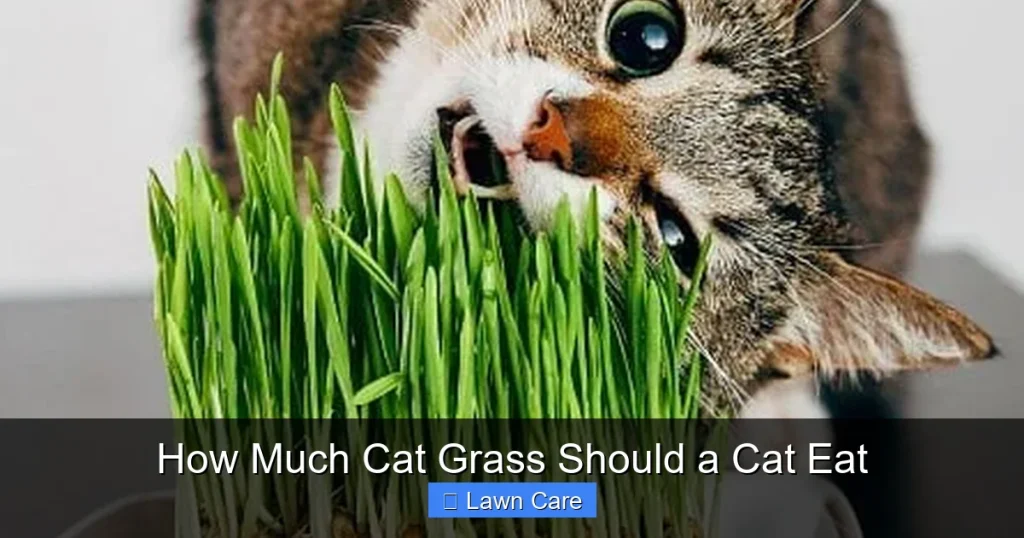
Understanding the right amount of cat grass is key to providing your cat with its benefits without causing issues. This guide will help you determine the ideal portion size for your cat, discuss signs of overconsumption, and offer tips for introducing and maintaining cat grass in their diet. Prioritize your cat’s well-being by following these simple guidelines.
## How Much Cat Grass Should a Cat Eat? A Comprehensive Guide
Cats are fascinating creatures with unique dietary needs and behaviors. While we often associate them with a carnivorous diet, many cats show a natural inclination towards nibbling on plants. This behavior is where cat grass comes into play, offering a safe and beneficial way for your feline friend to engage with plant matter. But how much cat grass is too much? This guide will walk you through everything you need to know about feeding cat grass to your beloved pet.
We’ll cover why cats eat grass, the benefits of offering cat grass, and most importantly, the recommended portion sizes and frequency. We’ll also touch on how to introduce cat grass, what to do if your cat eats too much, and how to grow your own. By the end of this article, you’ll have a clear understanding of how much cat grass your cat should eat to enjoy its advantages without any unwanted side effects.
### Why Do Cats Eat Grass?
Before diving into the “how much,” let’s explore “why.” The urge for cats to eat grass is instinctual. In the wild, their ancestors would consume the stomach contents of their prey, which often included vegetation. This behavior has carried over to our domestic felines.
There are several theories as to why cats eat grass:
* **Aiding Digestion and Inducing Vomiting:** Grass can act as a natural emetic. Cats’ digestive systems aren’t designed to break down fibrous plant material. When they eat grass, it can irritate their stomach lining, prompting them to vomit. This can help them expel indigestible matter like fur, bones, or feathers that they may have ingested from their prey (or even from grooming themselves).
* **Nutritional Supplementation:** While not a primary food source, grass contains trace amounts of vitamins and minerals, like folic acid, which is important for their overall health and coat.
* **Laxative Effect:** For some cats, grass can have a laxative effect, helping to move things through their digestive tract if they are experiencing constipation.
* **Fiber Intake:** The fiber in grass can contribute to a healthy digestive system.
### Benefits of Cat Grass
Offering your cat specially grown cat grass (not just any plant from your garden or the outdoors, which could be toxic or treated with pesticides) comes with several benefits:
* **Reduces Hairballs:** By helping to induce vomiting of swallowed fur, cat grass can help manage and reduce the frequency of hairballs.
* **Aids Digestion:** As mentioned, it can assist in moving food through the digestive system and help with occasional digestive upset.
* **Provides Essential Nutrients:** While minor, the vitamins and minerals in cat grass can be a beneficial supplement to their diet.
* **Mental Stimulation and Enrichment:** For indoor cats, cat grass provides a connection to their natural instincts and offers a form of enrichment. It’s a safe outlet for their urge to chew on plants.
* **Discourages Eating Unsafe Plants:** If you have houseplants, providing a designated safe plant like cat grass can steer them away from potentially toxic greenery.
### How Much Cat Grass Should a Cat Eat?
This is the golden question! The truth is, there isn’t a one-size-fits-all answer. The amount of cat grass your cat should eat depends on several factors, including their individual appetite, digestive sensitivity, and overall diet. However, we can establish some general guidelines.
#### General Guidelines for Portion Size
For most cats, a small amount is perfectly sufficient. Think of it as a treat or a dietary supplement, not a main course.
* **A Few Blades:** For a small cat or a cat new to cat grass, offering just a few blades at a time is a great starting point.
* **A Small Clump:** For a larger cat or one accustomed to eating cat grass, a small clump, about the size of a golf ball, is usually more than enough. This might be equivalent to a few generous mouthfuls.
* **Moderation is Key:** The key principle here is moderation. You want them to enjoy the benefits without overdoing it.
#### How Often Should You Offer Cat Grass?
Again, frequency plays a significant role. It’s generally not recommended to offer cat grass daily.
* **A Few Times a Week:** For most cats, offering cat grass 2-3 times a week is ideal. This allows them to get the benefits without overwhelming their system.
* **Listen to Your Cat:** Pay attention to your cat’s cues. If they seem to crave it more often, and they aren’t experiencing any negative effects, you might slightly increase the frequency, but always with small portions. Conversely, if they show no interest, don’t force it.
#### Introducing Cat Grass to Your Cat
If your cat has never had cat grass before, it’s important to introduce it gradually.
##### Step 1: Start with a Small Offering
* Present a small amount of fresh cat grass. This could be just two or three blades, or a tiny pinch of the grown plant.
* Place it in a designated spot where your cat can easily access it.
##### Step 2: Observe Your Cat’s Reaction
* Watch how your cat interacts with the grass. Do they sniff it, nibble it, or ignore it?
* Note if they eat it slowly and seem to enjoy it, or if they gobble it down rapidly.
##### Step 3: Monitor Their Digestion
* After they’ve eaten some grass, keep an eye on them for the next 24-48 hours.
* Look for any signs of digestive upset, such as vomiting (beyond what’s expected for a hairball), diarrhea, or lethargy. If you see any of these, reduce the amount or frequency.
##### Step 4: Gradually Increase (If Needed)
* If your cat enjoys the cat grass and shows no negative reactions, you can gradually increase the portion size or frequency over time, always adhering to the general guidelines mentioned earlier.
### Factors Influencing How Much Your Cat Should Eat
While general guidelines are helpful, remember that every cat is an individual. Here are some factors to consider:
* **Age:** Kittens might be more playful and experimental with cat grass, while older cats might be more discerning. Their digestive systems can also be more sensitive as they age.
* **Health Status:** Cats with existing digestive issues, such as inflammatory bowel disease (IBD) or sensitive stomachs, might be more prone to upset from eating too much grass. In such cases, it’s best to consult your veterinarian before introducing or increasing cat grass.
* **Diet:** A cat on a high-fiber diet might not need as much grass as one on a diet lower in fiber.
* **Grooming Habits:** Cats that groom themselves excessively might benefit from the hairball-reducing effects of cat grass more frequently.
* **Activity Level:** Active cats might digest things more readily, but this doesn’t necessarily mean they can eat more grass.
### Signs Your Cat Might Be Eating Too Much Cat Grass
It’s possible for cats to overindulge in cat grass. Recognizing the signs is crucial for preventing discomfort and potential health issues.
* **Excessive Vomiting:** While occasional vomiting to clear hairballs is normal for some cats, frequent or violent vomiting after eating grass is a clear indicator they’ve had too much.
* **Diarrhea:** Loose stools or diarrhea following cat grass consumption suggest their digestive system is overwhelmed.
* **Lethargy or Unusual Quietness:** If your cat seems unusually tired, withdrawn, or less active after eating grass, it could be a sign of digestive discomfort.
* **Loss of Appetite:** If they stop eating their regular food after consuming too much grass, their stomach might be too upset.
* **Straining to Defecate:** In rare cases, excessive grass consumption could contribute to blockages, especially if combined with other fiber sources or dehydration.
If you notice any of these signs, stop offering cat grass immediately and monitor your cat closely. If symptoms persist or worsen, contact your veterinarian.
### Troubleshooting Common Issues with Cat Grass
* **My cat ignores the cat grass:** This is common! Some cats simply aren’t interested. Don’t force it. You can try different types of cat grass (oats, wheat, barley, rye) or present it in different ways (e.g., in a shallow bowl, in a pot near their favorite resting spot). Ensure it’s fresh and appealing.
* **My cat devours it too quickly:** This might indicate they are craving something the grass provides, or they simply enjoy the texture and act of chewing. Try offering smaller portions more frequently, or ensure they have other appropriate outlets for chewing and enrichment. You could also try planting it in a way that makes them “work” for it a bit, like a puzzle feeder designed for cats.
* **My cat is getting grass stuck in its teeth:** This can happen. If you notice this, you can try trimming the grass slightly shorter before offering it. Gentle brushing of their teeth (if they tolerate it) or offering dental treats can also help.
* **My cat digs up the cat grass:** This is more common with kittens or very energetic cats. Ensure the pot is sturdy and heavy. You can also try placing smooth pebbles or larger rocks around the base of the grass to deter digging.
### Growing Your Own Cat Grass: A Cost-Effective and Fresh Option
Buying pre-made cat grass kits is convenient, but growing your own can be more cost-effective and ensures you always have fresh grass available.
#### What You’ll Need:
* **Cat Grass Seeds:** You can find these online, at pet stores, or at garden centers. Common varieties include oat, wheat, barley, and rye grass.
* **Potting Soil:** Use a good quality, organic potting mix.
* **A Container:** A shallow pot, tray, or even a repurposed container with drainage holes.
* **Water:** For keeping the soil moist.
#### Simple Steps to Grow Cat Grass:
##### Step 1: Prepare the Container
* Fill your chosen container with about 2-3 inches of potting soil. Leave a little space at the top.
* Gently moisten the soil with water. It should be damp but not waterlogged.
##### Step 2: Sow the Seeds
* Sprinkle the cat grass seeds generously over the surface of the soil. The more seeds you use, the denser the grass will grow.
* You can lightly press the seeds into the soil to ensure good contact, or cover them with a very thin layer of soil (about 1/4 inch).
##### Step 3: Water and Cover (Optional)
* Lightly mist the seeds with water again.
* Some people find covering the pot with plastic wrap or a plastic dome for the first few days helps retain moisture and encourages germination. Make sure to remove this once you see sprouts.
##### Step 4: Provide Light and Water
* Place the pot in a location that receives indirect sunlight. A windowsill that doesn’t get intense, direct sun is usually ideal.
* Keep the soil consistently moist by misting or watering gently. Avoid letting it dry out completely, as this can kill the seedlings.
##### Step 5: Harvest and Offer
* Your cat grass should be ready to harvest in about 7-14 days, depending on the seed type and growing conditions. It’s best to offer it when it’s about 2-4 inches tall.
* You can either snip off blades for your cat or let them graze directly from the pot.
It’s a good idea to grow multiple pots in succession so you always have fresh grass available. Once a pot is depleted or looks a bit sad, you can compost the old soil and seeds and start a new batch. Growing your own cat grass is a rewarding experience that connects you to your cat’s natural needs. It’s a simple lawn care endeavor for your indoor feline companions!
### Conclusion
Understanding how much cat grass your cat should eat is about finding the sweet spot between providing beneficial enrichment and avoiding digestive upset. For most cats, a few blades or a small clump offered a few times a week is the perfect amount. Always start small, observe your cat’s reactions, and adjust as needed. By providing fresh, safe cat grass, you’re not only catering to their natural instincts but also contributing to their overall health and well-being.
Remember, while cat grass is generally safe and beneficial, it’s not a substitute for a balanced, species-appropriate diet. If you have any concerns about your cat’s health or their consumption of cat grass, never hesitate to consult with your veterinarian. Happy grazing!
Key Takeaways
- Start Small and Observe: Begin with a small amount of cat grass and monitor your cat’s reaction.
- Portion Control is Key: A few blades or a small clump is usually sufficient for most cats per feeding.
- Frequency Matters: Offering cat grass a few times a week is generally recommended, not daily.
- Individual Needs Vary: Age, health, and digestive sensitivity influence how much a cat can tolerate.
- Recognize Overconsumption Signs: Vomiting, diarrhea, or lethargy indicate your cat has eaten too much.
- Prioritize Freshness and Quality: Ensure the cat grass is fresh, clean, and free from pesticides.
- Consult Your Vet if Unsure: If your cat has underlying health conditions or you have concerns, always seek veterinary advice.