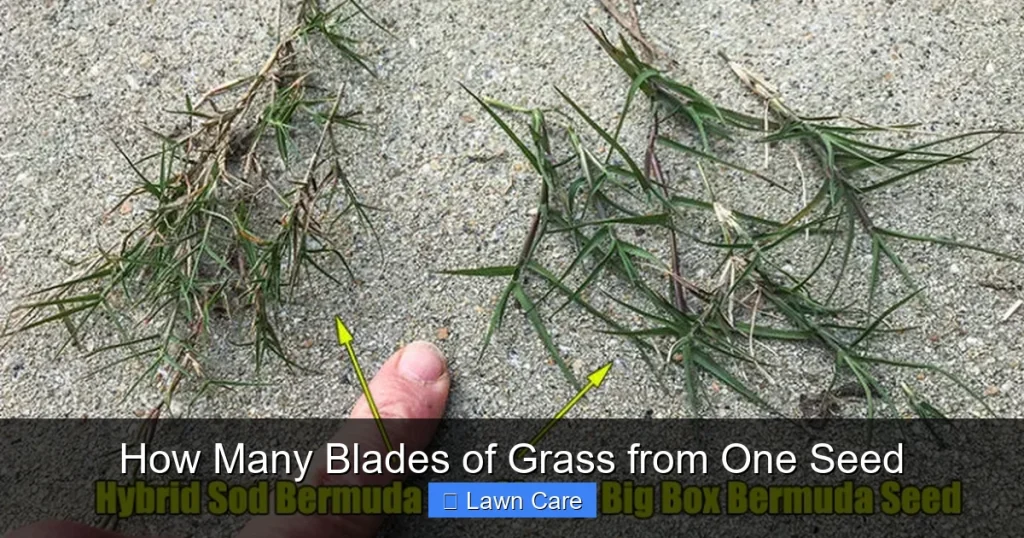
Ever wondered about the potential of a single grass seed? This guide demystifies the process, explaining that one seed typically produces one grass plant, which then develops multiple blades. We’ll explore the factors that influence how many blades a single seed yields, from seed quality to environmental conditions, helping you cultivate a thicker, greener lawn.
How Many Blades of Grass from One Seed
Welcome, lawn enthusiasts! Have you ever looked at your perfectly green lawn and wondered about the journey from a tiny seed to that lush carpet? A question that often pops into curious minds is: “How many blades of grass actually grow from a single seed?” It seems like a simple question, but the answer involves a bit of fascinating biology and a touch of horticultural magic.
In this comprehensive guide, we’re going to pull back the curtain on the life of a grass seed. We’ll explore the germination process, understand how a single seed becomes a thriving grass plant, and delve into all the factors that influence the number of blades you’ll see. By the end of this article, you’ll have a much clearer picture of what to expect when you sow grass seed and how to encourage the most robust growth for your lawn.
Key Takeaways
- A Single Seed, A Single Plant: Generally, one grass seed germinates to produce one main grass plant.
- Multiple Blades from One Plant: This single plant then grows multiple blades of grass from its crown.
- Species Matters: Different grass species have varying growth habits, influencing the density of blades.
- Environmental Factors are Crucial: Sunlight, water, and soil nutrients significantly impact the health and blade count of the grass plant.
- Seed Quality is Key: High-quality seeds are more likely to germinate and produce healthy, robust plants with more blades.
- Overcrowding Affects Results: Too many seeds planted too close together can lead to competition and weaker plants with fewer blades.
The Germination Journey: From Seed to Plant
The process begins with a single, dormant grass seed. For it to awaken and start growing, it needs the right conditions. These typically include moisture, warmth, and oxygen.
The Stages of Germination
1. Imbibition: The first step is when the seed absorbs water. This is crucial for awakening the embryo inside.
2. Activation: Once hydrated, the seed’s metabolic processes kick into gear. Enzymes are activated, preparing the seed for growth.
3. Radicle Emergence: A small root, called the radicle, is the first part of the plant to emerge. It anchors the seedling and begins to absorb water and nutrients from the soil.
4. Shoot Emergence: Shortly after the radicle, the shoot emerges. This is the part that will grow upwards and develop into the grass blades. The shoot typically emerges as a single point.
One Seed, One Plant
It’s a common misconception that a single seed might sprout multiple independent plants. However, the biological reality is that one grass seed typically germinates to produce one grass plant. This single plant is the foundation from which all the grass blades will grow. Think of it like an apple seed producing one apple tree, not several individual trees.
The Birth of Blades: How a Single Plant Develops Grass Blades
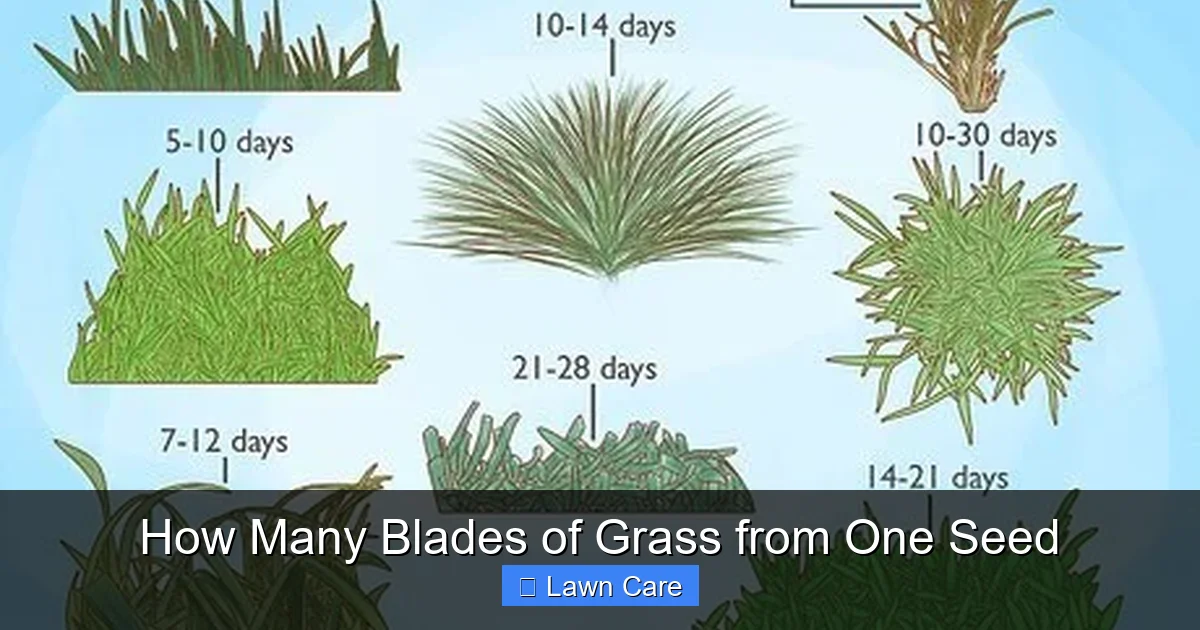
Visual guide about How Many Blades of Grass from One Seed
Image source: wikihow.com
So, if one seed equals one plant, how do we get that dense, lush lawn that appears to have countless blades of grass? The answer lies in how a grass plant grows.
The Crown: The Engine of Growth
The “crown” is the base of the grass plant, located at the soil surface. It’s from this central point that new shoots and leaves (blades) emerge. As the single grass plant matures, it develops multiple tillers.
Tillering: The Secret to Density
Tillering is the process where a grass plant produces new shoots from buds at the base of the existing stem. Each tiller is essentially a new, individual stem that emerges from the side of the main stem. Each of these tillers will develop its own set of leaves, contributing to the overall density of the grass stand.
* Primary Tiller: This is the first stem that emerges from the seed.
* Secondary Tillers: These grow from the base of the primary tiller.
* Tertiary Tillers: And so on.
The number of tillers a single grass plant can produce varies greatly depending on the grass species, environmental conditions, and how the grass is maintained. A healthy, well-nourished grass plant in optimal conditions can develop a significant number of tillers, each producing several blades of grass.
Estimating Blade Count
While it’s impossible to give an exact number that applies to every single seed, we can make an educated estimate. A single, healthy grass plant can produce anywhere from 10 to 50 or even more blades of grass over its lifetime, depending on the factors we’ll discuss. When you consider that a pound of grass seed can contain millions of individual seeds (for example, check out how many pounds of grass seed per square foot), you can see how quickly that translates to an astonishing number of blades on your lawn.
Factors Influencing Blade Count from a Single Seed
Visual guide about How Many Blades of Grass from One Seed
Image source: storables.com
The number of blades of grass that sprout from a single seed isn’t just about biological potential; it’s heavily influenced by external factors.
1. Grass Species and Variety
Different types of grass have vastly different growth habits and tillering capacities. Some, like perennial ryegrass or fescues, are known for their clumping and tillering. Others, like certain varieties of Bermuda grass, spread aggressively via rhizomes and stolons, creating dense turf through horizontal growth rather than just vertical tillering from a single point. Understanding the type of grass seed you are using is the first step. For instance, if you’re considering how to grow Bermuda grass from seed, you’ll note its spreading nature contributes to density differently than a bunch-type grass.
2. Seed Quality and Viability
Not all grass seeds are created equal. High-quality seeds from reputable sources are more likely to be viable (meaning they can germinate) and produce strong, healthy seedlings. Seeds that are old, have been stored improperly, or are of poor genetic quality may result in weaker plants with fewer tillers and, consequently, fewer blades of grass.
* Germination Rate: This is the percentage of seeds in a packet that are expected to germinate. Higher rates mean more successful plants.
* Purity: This refers to the percentage of pure grass seed in the packet, free from weed seeds or inert matter.
3. Environmental Conditions During Germination and Growth
This is arguably the most critical factor. The environment dictates whether a seed even sprouts and how robust the resulting plant will be.
* Moisture: Consistent moisture is vital for germination and early seedling growth. If the soil dries out too much, the seedling can die before it even establishes a strong root system. Too much water can lead to fungal diseases.
* Temperature: Each grass species has an optimal temperature range for germination and growth. For cool-season grasses (like fescues and ryegrass), this is typically between 50-65°F (10-18°C). Warm-season grasses (like Bermuda grass) prefer warmer temperatures, usually between 70-90°F (21-32°C). For example, knowing how long it takes for Bermuda grass to grow from seed helps in timing your planting to match favorable temperatures.
* Sunlight: Most turfgrasses need ample sunlight to thrive. Insufficient light, especially for grasses that require a lot of sun like Bermuda grass (which needs at least 6-8 hours of direct sunlight), will result in weak, leggy growth with fewer blades.
* Soil Health: Nutrient-rich, well-aerated soil provides the foundation for healthy root development and vigorous top growth. Deficiencies in nitrogen, phosphorus, or potassium can significantly stunt a plant’s growth, limiting its ability to tiller and produce blades.
4. Planting Density
How densely you sow your grass seed directly impacts the outcome, even though each seed is an individual.
* Under-seeding: If you don’t plant enough seed, you’ll have sparse patches with fewer grass plants and thus fewer blades in total, even if each plant is healthy.
* Over-seeding: Planting too densely can lead to intense competition among seedlings for light, water, and nutrients. While you might get many seeds to germinate, the resulting plants might be weaker and produce fewer tillers and blades because they are struggling to survive. It’s a balance to achieve optimal density. Understanding how many pounds of grass seed per square foot is recommended for your specific lawn type is crucial for achieving the right density.
5. Maintenance Practices
Once the grass starts growing, how you care for it plays a significant role in its blade production.
* **Mowing: Mowing at the correct height for your grass type is important. Cutting too short can stress the plant and reduce its ability to tiller. Mowing too high can also lead to problems, making the grass weaker. Regular mowing encourages tillering as the plant tries to recover and grow more shoots.
* **Fertilization: Proper fertilization, especially with nitrogen, fuels leaf growth and tillering. A well-fed plant will produce more blades.
* **Aeration and Dethatching:** These practices improve air, water, and nutrient penetration to the root zone, leading to healthier, more productive plants.
Troubleshooting: When Seeds Don’t Yield Many Blades
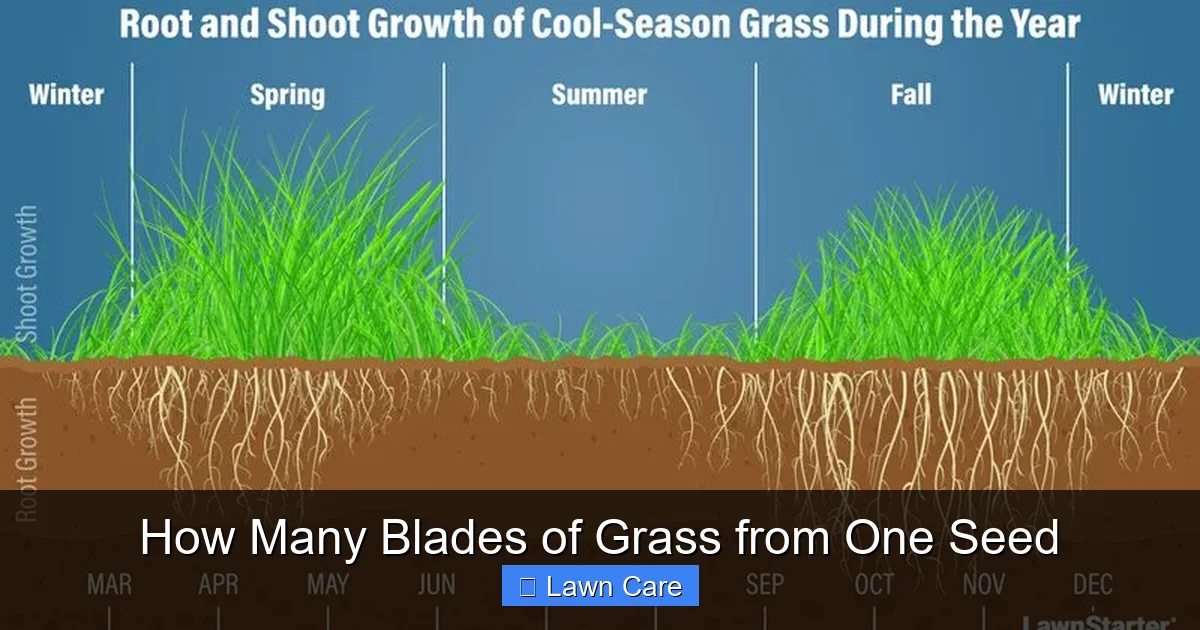
Visual guide about How Many Blades of Grass from One Seed
Image source: lawnstarter.com
Sometimes, despite best efforts, you might not see the density you expect. Here are common issues and what might be happening at the single-seed level:
* No Germination:
* *Potential Cause:* Seeds were not viable, planted too deep or too shallow, lacked consistent moisture, or soil temperatures were not suitable.
* *What’s Happening:* The embryo inside the seed never activated or died before it could establish.
* Very Sparse Growth:
* *Potential Cause:* Low germination rate of the seed, poor soil fertility, insufficient sunlight, or extreme competition from weeds.
* *What’s Happening:* Only a small fraction of seeds germinated, or the few that did are struggling to produce multiple tillers due to poor conditions.
* Thin, Weak Blades:
* *Potential Cause:* Lack of nutrients (especially nitrogen), inadequate sunlight, or planting too densely leading to competition.
* *What’s Happening:* The single grass plant is alive but not receiving enough resources to develop a robust crown and produce many healthy tillers and blades.
* Patches of Dying Grass:
* *Potential Cause:* Fungal diseases (often due to overwatering or poor air circulation), insect damage, or improper mowing practices.
* *What’s Happening:* The grass plant from the seed is being attacked by pests or diseases, or is being mechanically damaged, leading to blade loss or death.
If you’re looking to fill in bare spots, understanding how to patch a lawn with leftover grass seed can be a helpful skill, but it’s important to address the underlying reasons for the sparse growth.
Conclusion: The Remarkable Potential of a Single Seed
So, to answer the burning question: How many blades of grass from one seed? The answer is that one seed typically produces one grass plant, and that single plant, under ideal conditions, can go on to develop many tillers, each bearing multiple blades of grass. While the exact number is variable, ranging from a dozen to dozens, the true wonder is in the plant’s ability to multiply its output.
The journey from a tiny seed to a lush lawn is a testament to nature’s resilience and the importance of providing the right conditions. By understanding the factors that influence germination, tillering, and overall plant health—from the type of seed you choose to the care you provide—you can significantly enhance the density and beauty of your lawn. Happy seeding, and may your lawn be ever green!