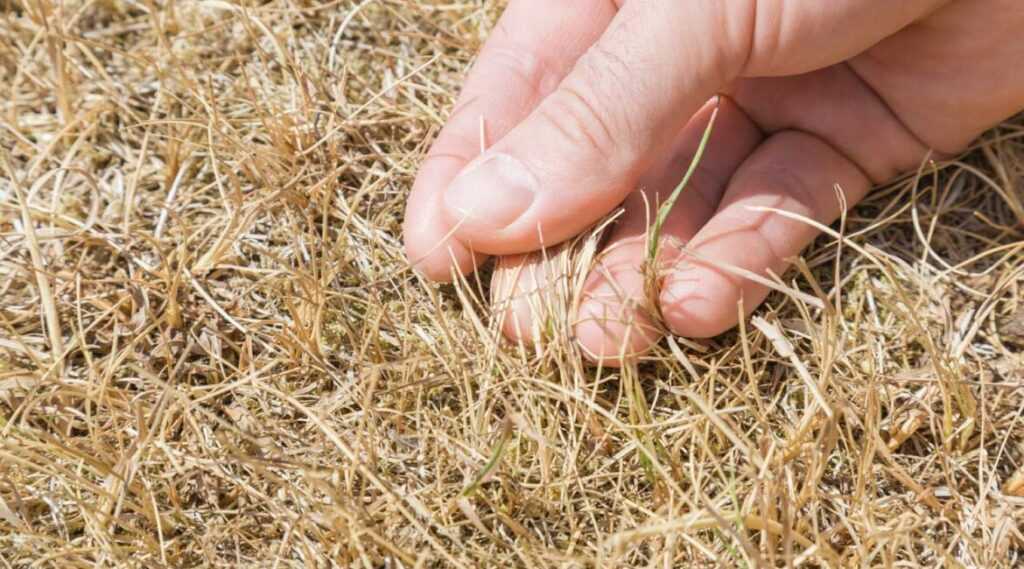
Fertilizing your lawn during a heatwave can seem risky, but with the right approach, it can actually benefit your grass. The key is timing and technique to avoid stressing your lawn further. In most cases, it’s best to wait until temperatures cool down, but if you must fertilize during a heatwave, doing so carefully can promote healthy growth without damage.
Fertilizing during a heatwave isn’t generally recommended because extreme heat can cause the fertilizer to burn the grass or be washed away before it takes effect. It’s better to wait for cooler conditions or apply fertilizer early in the morning or late in the evening. Proper watering before and after fertilization also helps protect your lawn from heat stress and ensures the nutrients are absorbed effectively.
When a heatwave hits, many homeowners worry about how to care for their lawns. Fertilization is a vital part of lawn maintenance, but extreme temperatures pose challenges. During a heatwave, the grass is already under stress, making fertilizer application more delicate. If you decide to fertilize during such conditions, timing it early or late in the day, and ensuring your lawn is well-hydrated beforehand, can make a big difference. Understanding the risks and adjusting your lawn care routine accordingly will help your grass stay resilient and lush, even in the hottest weather.

Can You Fertilize Lawn During a Heatwave?
Understanding the Effects of Heatwaves on Lawns
A heatwave brings high temperatures and intense sunlight, which can stress your lawn. Grass becomes more vulnerable to dehydration and damage during these periods. Fertilizing in extreme heat can sometimes do more harm than good if not done properly. It is essential to recognize how heat impacts your grass before deciding to fertilize.
Why Fertilizing During a Heatwave Is Generally Not Recommended
Fertilizer is meant to supply essential nutrients to grass, but applying it during a heatwave can cause issues. High temperatures can prevent grass from absorbing nutrients effectively. Fertilizer applied in hot weather may lead to **burned grass roots** and increased stress on your lawn.
How Heat Affects Fertilizer Absorption
When temperatures soar, the soil tends to dry out quickly, reducing the ability of roots to absorb nutrients. Fertilizer, especially nitrogen-rich mixes, can sit on dry soil and sit unused or cause root damage. This results in wasted fertilizer and potential damage to your lawn’s health.
The Risks of Fertilizing During Heatwaves
- Root Burn: Excess fertilizer can cause root damage in hot conditions, leading to weakened grass.
- Increased Evaporation: Fertilizer nutrients may evaporate before your grass can absorb them.
- Stress Amplification: Additional nutrients during high stress can push grass beyond its tolerance limits.
- Uneven Growth: Some areas may respond poorly, leading to patchy lawns.
Best Practices for Fertilizing Your Lawn
If fertilizing during a heatwave is unavoidable, adhere to the following guidelines to minimize damage:
Use Slow-Release Fertilizers
These fertilizers release nutrients gradually, reducing the risk of overwhelming the grass and preventing quick nutrient runoff.
Apply During Cooler Parts of the Day
Early mornings or late evenings help the fertilizer absorb better and lessen evaporation caused by midday heat.
Water Your Lawn Before Fertilizing
Thorough watering the night before ensures the soil is moist, which helps fertilizers penetrate and reduces the risk of root burn.
Limit Fertilizer Quantity
Use only the recommended amount of fertilizer; over-application can increase stress and damage.
Alternative Lawn Care Tips During Heatwaves
Instead of fertilizing, focus on other lawn maintenance practices to keep your grass healthy:
Deep Water Regularly
Deep watering encourages deep root growth, making your lawn more resilient to heat stress.
Maintain Mowing Height
Keep your grass slightly taller to provide shade to the roots and retain moisture. Aim for a mowing height of at least three inches.
Reduce Foot Traffic
Limit walking on the grass during peak heat times to prevent additional stress.
Control Weeds and Pests
A healthy, weed-free lawn can better withstand heat stress. Use appropriate, heat-safe weed and pest control methods.
Signs Your Lawn Needs Special Attention During a Heatwave
Watch for these indicators that your lawn needs care beyond fertilizing:
- Wilting or yellowing grass
- Dry, brittle blades
- Spots of patchy dead grass
- Reduced growth rate
Address these issues promptly with proper water management and possibly light fertilizing in cooler, early morning hours.
Timing Fertilizer Application After a Heatwave
Once temperatures begin to cool, it is safer to fertilize. Wait until the weather stabilizes and your grass shows signs of recovery. Early fall or spring are ideal times for fertilization when growth is active, and temperatures are moderate.
Choosing the Right Fertilizer
Select fertilizers that are suitable for your grass type and season. For example, a balanced fertilizer with nitrogen, phosphorus, and potassium will support overall health. Look for products labeled as suitable for summer or heat stress conditions to ensure compatibility.
Summary: Fertilize Carefully and Smartly
Fertilizing during a heatwave can harm your lawn if not done with care. Instead of applying fertilizer during extreme weather, focus on watering, mowing properly, and maintaining overall lawn health. When conditions favor, fertilize thoughtfully, using slow-release formulas and applying them during cooler parts of the day.
Applying fertilizer during a heatwave carries risks that can compromise your lawn’s vitality. It’s best to wait until temperatures moderate and the soil is moist. Proper timing and application techniques will help your grass thrive without unnecessary stress or damage. Remember, patience and proper lawn care practices are the keys to a lush, healthy yard year-round.
Can You Fertilize The Lawn in Summer and Not Burn It?
Frequently Asked Questions
Is it advisable to fertilize my lawn during extremely hot days?
Fertilizing a lawn during hot weather can stress the grass and lead to inefficient nutrient uptake. When temperatures soar, grass becomes more susceptible to damage, and fertilizers may burn or cause further stress. It’s better to wait until the weather cools down or early morning when temperatures are lower to apply fertilizer, ensuring the grass absorbs nutrients effectively without added stress.
What precautions should I take if I decide to fertilize during a heatwave?
If you choose to fertilize during a heatwave, water the lawn thoroughly beforehand to moisten the soil and help the grass absorb nutrients better. Apply the fertilizer carefully, avoiding excessive amounts, and consider using a slow-release type to reduce the risk of burning. It’s also best to water the lawn again after fertilizing to help dissolve the nutrients and prevent fertilizer burn.
How does fertilizing during high temperatures affect grass health?
Fertilizing during high temperatures can lead to quick evaporation of moisture, making it difficult for grass roots to absorb nutrients. This can cause dehydration and stress, resulting in brown patches or weakened grass. Proper timing and gentle fertilization practices help maintain your lawn’s health and prevent damage from heat stress.
Are there specific types of fertilizers better suited for application during hot weather?
Yes, slow-release fertilizers and those with lower nitrogen concentrations work better during hot weather. They provide a steady supply of nutrients over time without overwhelming the grass. These fertilizers reduce the risk of burning and help maintain nutrient levels steadily, supporting the lawn’s resilience during periods of heat stress.
When is the best time to fertilize if a heatwave is forecasted?
Waiting until the heatwave passes is generally the best choice. If fertilization is necessary, do so early in the morning or late in the afternoon when temperatures are cooler. Avoid midday application, as intense heat increases the risk of fertilizer burn and grass damage, hindering the lawn’s recovery.
Final Thoughts
Fertilizing your lawn during a heatwave requires careful timing and technique. High temperatures can stress grass and make it more susceptible to damage from fertilizer.
It’s best to delay fertilization until temperatures cool down or the heat wave passes. If you must fertilize, use a light application and water thoroughly afterward.
Can you fertilize lawn during a heatwave? In most cases, it’s better to wait for cooler conditions to protect your grass’s health and promote even growth.