To control lawn pests effectively, identify the specific pest invading your yard, maintain a healthy and vigorous turf through proper watering and fertilization, and apply targeted treatments like organic insecticides or biological controls when necessary. Regular mowing and good lawn hygiene also help keep pests at bay.
Dealing with lawn pests can be frustrating, but with the right strategies, you can reclaim your beautiful yard. The key is to stay vigilant, identify the pests early, and choose eco-friendly solutions that won’t harm your grass or the environment. By combining proper lawn care practices with targeted pest control methods, you can keep your yard healthy, lush, and pest-free all season long. Whether you’re battling beetles, grubs, or ants, understanding your pests and acting promptly makes all the difference in maintaining a thriving outdoor space.

How to Control Lawn Pests: A Complete Guide
Lawn pests can quickly turn a healthy, green yard into a patchy, damaged area. Understanding how to control lawn pests is key to keeping your grass lush and vibrant. Many pests are tiny and hide underneath the surface, making them hard to spot at first. However, with proper knowledge and timely action, you can protect your lawn effectively.
Identifying Common Lawn Pests
Before you can control pests, you need to know which ones are damaging your lawn. Some of the most common pests include grubs, chinch bugs, armyworms, and sod webworms. Each pest causes different types of damage and requires specific control methods.
Grubs (White Grubs)
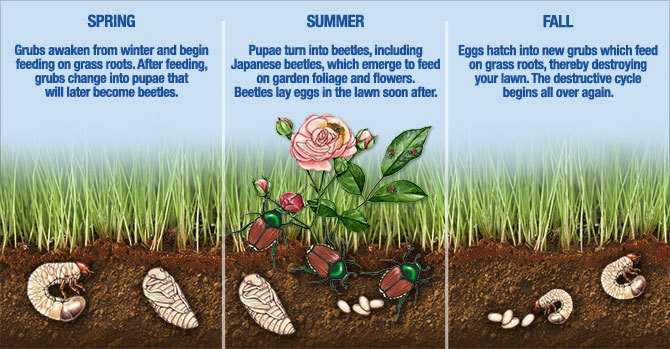
Grubs are the larvae of beetles. They are plump, white, and have brown heads. These pests feed on grass roots, leading to brown patches that easily tear away from the soil. You might notice birds or skunks digging up your lawn looking for these grubs.
Chinch Bugs
Chinch bugs suck the sap from grass blades and stems. They mainly target St. Augustine grass but can affect other types too. Damage appears as yellowed or dead patches that expand quickly.
Armyworms and Sod Webworms
These caterpillars feed on grass blades, causing irregular patches of thinning turf. Armyworms are larger and can cause extensive damage overnight. Sod webworms are smaller and create web-like silk tunnels in the soil.
Signs of Pest Infestation
- Uneven or yellow patches in grass
- Sparse or thinning grass areas
- Presence of insects or larvae in soil or grass
- Birds, skunks, or moles digging in the lawn
- Grass easily pulls up or appears matted
Prevention Strategies for Lawn Pests
Maintain Healthy Lawn Practices
Healthy grass is more resistant to pests. Ensure your lawn gets proper watering, fertilization, and mowing. Mow at the right height for your grass type to prevent stress and create an environment less inviting to pests.
Water Management
Overwatering or underwatering can weaken grass and attract pests. Water deeply but infrequently, allowing the soil to dry between watering sessions.
Proper Fertilization
Apply fertilizers suited for your grass type, avoiding excessive nitrogen. Well-fed grass can recover faster from pest damage and resist infestations better.
Regular Lawn Inspections
Check your lawn frequently for early signs of pests. Look underneath leaves, in thatch, and around soil edges to catch infestations before they spread.
Natural and Organic Pest Control Methods
Introduce Beneficial Insects
Ladybugs, nematodes, and parasitic wasps eat common lawn pests naturally. Applying these helpful insects can reduce pest populations without chemicals.
Use Organic Pesticides
Neem oil, insecticidal soaps, and diatomaceous earth can control pests safely. Follow label instructions carefully to avoid harming your lawn or beneficial insects.
Healthy Soil Practices
Compost and aerate soil regularly to promote beneficial microorganisms. Healthy soil supports strong root growth and natural pest resistance.
Pest Control Products and Chemical Treatments
Choosing the Right Pesticide
Select products labeled for your specific pests and lawn type. Always read and follow application instructions for safety and effectiveness.
Timing of Application
Apply pesticides during pest vulnerable stages, such as larvae or caterpillar stages, for better results. Early morning or late evening applications reduce exposure to the sun and non-target creatures.
Safety Precautions
Wear protective gear when handling chemicals. Keep children and pets away during and after treatment until it is safe to return.
Controlling Specific Lawn Pests
Managing Grubs
Apply beneficial nematodes in late summer or early fall when grubs are most active. Use insecticides containing imidacloprid or carbaryl for severe infestations, but always follow label instructions.
Controlling Chinch Bugs
Use insecticidal soaps or horticultural oils to manage chinch bug populations. Maintain healthy, dense turf to make it harder for chinch bugs to thrive.
Dealing with Armyworms and Sod Webworms
Apply Bacillus thuringiensis (Bt), a natural bacteria, to target caterpillars. For larger outbreaks, consider chemical insecticides labeled for caterpillars.
Tips for Long-term Pest Management
Creating a Pest-Resistant Lawn
Choose grass types naturally resistant to pests, such as buffalo grass or Zoysia. Maintain proper lawn care to keep pests at bay.
Rotating Pest Control Methods
Switch between natural and chemical controls to prevent pests from developing resistance. Combining methods enhances overall effectiveness.
Keeping Your Lawn Clean and Tidy
Remove debris, thatch, and fallen leaves regularly to reduce hiding spots for pests. Aerate the soil to improve drainage and root health.
Monitoring and Record-Keeping
Track pest activity and control measures to identify patterns and improve your pest management plan over time. Regular monitoring is key to early intervention.
Related Topics
Best Lawn Care Practices
Learn how proper watering, mowing, and fertilizing contribute to pest resistance and healthy turf.
Organic Lawn Treatments
Explore eco-friendly methods for maintaining a pest-free yard without chemicals.
Seasonal Pest Management
Understand how different pests are active during various seasons and plan your control strategies accordingly.
When to Call a Professional
If pest problems become severe or unmanageable, hiring a lawn care professional can provide targeted treatments and advice tailored to your yard.
By staying vigilant, maintaining healthy turf, and implementing effective pest control methods, you can keep your lawn lush and pest-free. Regular care, combined with timely intervention, ensures your yard remains an inviting space for family and friends.
How to Use Spectracide® Triazicide® Insect Killer For Lawns Granules
Frequently Asked Questions
What are effective natural methods to reduce lawn pest populations?
Using beneficial insects like ladybugs and nematodes can naturally control pests such as aphids and grubs. Applying organic compost and maintaining healthy grass through proper watering and fertilization strengthen your lawn’s resilience. Regularly inspect your lawn to identify pests early and remove affected plants or areas to prevent spread.
How can proper mowing contribute to pest control?
Keeping your grass at the recommended height prevents pests from settling in, as many pests prefer short or excessively tall grass. Regular mowing eliminates pest habitats and reduces the chances of infestations. Be sure to sharpen your mower blades to prevent tearing grass and damaging the lawn, which can invite pests.
What steps should I take to prevent pest infestations before they occur?
Implementing a consistent lawn care routine, such as proper watering, fertilization, and aeration, promotes healthy turf that resists pests. Avoid overwatering, which creates favorable conditions for fungi and insects. Additionally, remove debris, thatch, and fallen leaves that can serve as hiding spots for pests.
Final Thoughts
Controlling lawn pests effectively begins with proper lawn maintenance. Regular mowing, watering, and fertilizing keep your grass healthy and resistant to pests.
Identify pests early to prevent large infestations. Use targeted treatments like natural predators or specific insecticides when necessary.
Implement cultural practices such as aeration and proper watering to reduce pest attraction. Consistent vigilance remains key.
Controlling lawn pests requires proactive care and timely intervention. By maintaining a healthy lawn and addressing issues promptly, you ensure your yard stays pest-free efficiently.