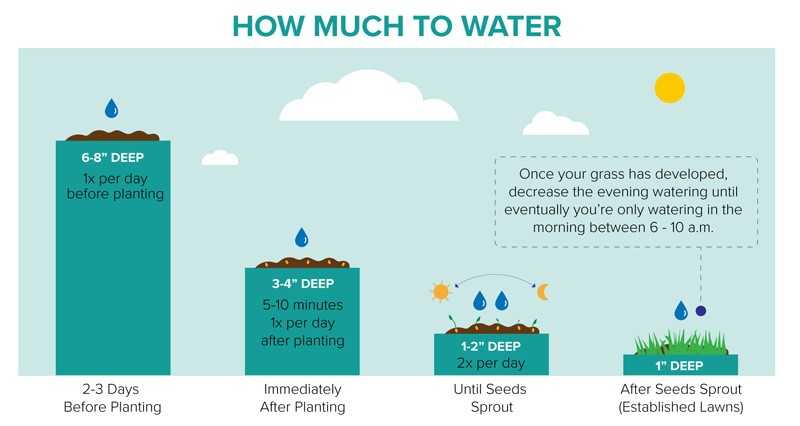
When it comes to watering new grass seed, the general rule of thumb is to keep the soil consistently moist for the first couple of weeks. This usually means watering lightly and frequently, about two to four times a day for around 5 to 10 minutes each time. The key is to avoid overwatering, which can lead to seed washout or rot, while also ensuring the soil doesn’t dry out completely. After the grass seed has germinated and reached a height of around 2 to 3 inches, you can gradually reduce the frequency of watering and switch to deeper, less frequent sessions. This method encourages strong root growth and helps create a lush, healthy lawn.

“`html
How Long to Water New Grass Seed
When planting new grass seed, it’s crucial to understand the right way to water it. Proper watering is essential to promote healthy growth. Knowing how long to water new grass seed can lead to a lush, green lawn.
Understanding the Germination Process
Grass seeds go through a process called germination. This is when the seed begins to grow into a new plant. The germination stage typically takes about 7 to 14 days, depending on the type of grass and environmental conditions.
During this time, it’s important to keep the soil consistently moist. Too much water can drown the seeds, while too little can dry them out. Finding the right balance is key to successful germination.
How Often Should You Water New Grass Seed?
Watering frequency is just as important as watering duration. In the initial stages after planting, you should water new grass seeds daily. Consider these factors in your watering schedule:
- Soil type affects how quickly water drains.
- The weather influences evaporation rates.
- Grass type can determine how often you need to water.
In general, aim to water lightly every day for the first couple of weeks. This helps keep the top layer of soil moist, which is where the seeds are located.
Determining the Right Duration for Watering
Now that you know when to water, let’s talk about duration. The goal is to keep the soil moist without over-saturating it. Here are some guidelines:
- Water for about 5 to 10 minutes per session.
- Focus on using a fine spray to avoid washing away the seeds.
- Adjust the duration based on rain and humidity levels.
It’s essential to check the soil moisture after each session. If the soil feels sticky or muddy, reduce the watering time.
Transitioning Watering Habits
As the grass begins to establish itself, you will need to adjust your watering schedule. After the first couple of weeks, transition to watering every other day. Here’s how to do it:
- Gradually increase the time to 10 to 15 minutes.
- Start watering less frequently to encourage deeper root growth.
- Monitor the grass for signs of drying out or overwatering.
These adjustments will help your new grass develop a strong root system.
Signs of Underwatering and Overwatering
Being attentive to your grass can help you identify whether it needs more or less water. Here are some signs to watch out for:
Signs of Underwatering:
- Grass blades appear wilted or curled.
- The soil feels dry to the touch.
- The grass turns a grayish color.
Signs of Overwatering:
- Grass appears to be lush but can’t stand upright.
- Soil feels soggy or muddy.
- Visible pooling of water on the surface.
Understanding these signs will help you maintain an optimal watering routine.
Best Time of Day to Water New Grass Seed
Timing your watering can greatly improve its effectiveness. Here are some tips for the best times to water:
- Water early in the morning, preferably between 6 AM and 10 AM.
- Evening watering can lead to fungal growth, so avoid it.
- Consider the weather; water less on rainy days.
Morning watering allows the grass to absorb water before the sun gets too hot.
Using the Right Equipment
Using proper equipment helps make watering new grass seed easier and more effective. Here are some tools to consider:
- Use a sprinkler with a fine spray setting.
- Consider a hose with an adjustable nozzle.
- For larger areas, an irrigation system may be beneficial.
Employing the right tools can save time and water while ensuring good coverage.
Watering Based on Weather Conditions
Weather plays a significant role in how often and for how long you should water your new grass seed. Here’s how to adjust your routine:
- On hot, windy days, you may need to water more frequently.
- In cooler or damp conditions, reduce watering time.
- Monitor for rainfall to adjust your schedule accordingly.
Being adaptable to weather changes will lead to better grass health.
Long-Term Watering for Established Grass
Once your grass has taken root, the watering schedule will change. Established grass typically requires less frequent watering. Here’s what to do:
- Start watering twice a week.
- Increase watering duration to 20 to 30 minutes.
- Deep watering encourages root growth.
This long-term strategy supports a healthy, resilient lawn.
Choosing the Right Type of Grass Seed
The type of grass you choose can affect your watering needs. Different grass types have varying requirements. Here are a few common ones:
- Perennial Ryegrass: Germinates quickly but needs regular watering.
- Bermudagrass: Thrives in warm weather and requires less water.
- Fescue: Drought-resistant but needs consistent moisture for germination.
Selecting the right grass type can minimize your watering efforts.
Soil Preparation for Optimal Watering
Preparing the soil properly can influence how well water is absorbed. Here are essential steps for good soil preparation:
- Loosen the soil with a rake to improve drainage.
- Add compost to enhance soil structure.
- Level the surface to prevent water pooling.
Well-prepared soil will significantly enhance the effectiveness of your watering.
Understanding how long to water new grass seed is fundamental for achieving a thriving lawn. By monitoring your watering habits, adjusting for weather conditions, and preparing your soil, you can create the perfect environment for your grass seeds to flourish. With the right practices, your lawn will be set for success, providing a green oasis for you to enjoy for years to come.
“`
How To Water Your Lawn After Seeding
Frequently Asked Questions
How often should I water newly seeded grass?
You should water newly seeded grass at least once a day, ideally in the early morning or late afternoon. This helps prevent evaporation and allows the moisture to penetrate the soil effectively. As the grass begins to establish, you can gradually reduce the frequency of watering.
What time of day is best for watering new grass seed?
The best time to water new grass seed is early in the morning, between 6 AM and 10 AM. This timeframe allows the grass to absorb moisture before the heat of the day causes evaporation. If morning watering isn’t feasible, late afternoon is also a good option, but avoid watering too late in the evening to prevent fungal growth.
What signs indicate that my grass seed needs more water?
Look for signs like wilting or a dull color in the grass blades, which indicate that the grass is stressed and needs water. Additionally, if the soil feels dry to the touch a couple of inches below the surface, it’s time to water the grass seed again.
How long should I run the sprinkler for new grass seed?
Run the sprinkler long enough to deliver about 1 to 1.5 inches of water per week, which may equate to 15-30 minutes, depending on your sprinkler type and water pressure. Monitor the soil moisture to ensure you’re providing enough water, but not over-saturating the area.
Can I overwater new grass seed?
Yes, overwatering can harm new grass seed by causing the seeds to rot or promoting disease. Ensure the soil is consistently moist but not soggy. Adjust your watering schedule based on weather conditions and soil moisture levels.
Final Thoughts
Watering new grass seed requires consistency and attention to detail. For best results, water lightly two to three times a day until the seeds germinate.
Once the grass begins to grow, reduce the frequency to two times a week, soaking the area deeply to encourage stronger roots.
Understanding how long to water new grass seed is essential for promoting healthy growth and establishing a lush lawn. Follow these guidelines to ensure your new grass thrives.