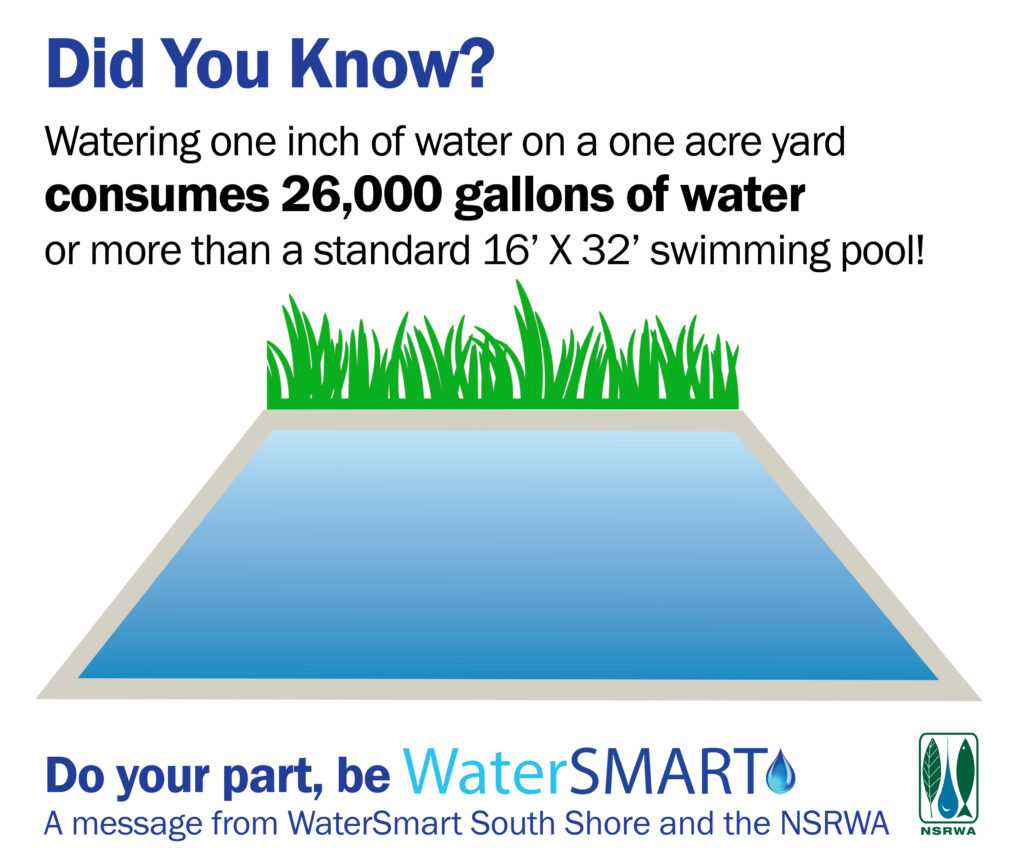
When it comes to watering grass, a general rule of thumb is that it needs about 1 to 1.5 inches of water per week, either from rainfall or irrigation. This amount helps maintain a healthy, lush lawn that can withstand drought conditions. Factors such as grass type, soil condition, and climate can affect these needs, so it’s important to adjust accordingly. Also, watering early in the morning is ideal to minimize evaporation and promote deep root growth. Understanding your grass’s specific requirements can make a big difference in keeping your lawn vibrant and thriving throughout the season. Now, let’s dive deeper into the factors that influence how much water your grass truly needs.

“`html
How Much Water Does Grass Need?
Watering grass properly is essential for maintaining a healthy lawn. Many factors influence how much water grass needs, making it a common question among homeowners and gardeners.
Understanding Grass Types
Different types of grass require various amounts of water. Understanding your grass type is crucial for proper care.
- Cool-season grasses, such as Kentucky bluegrass, thrive in northern climates and typically need about 1 to 1.5 inches of water per week.
- Warm-season grasses, including Bermuda and Zoysia, grow best in southern climates and usually require 0.5 to 1 inch of water weekly.
Each type of grass has a specific growing season and water requirement. Knowing these details can help you tailor your watering schedule for optimal results.
Factors Affecting Water Needs
Several environmental factors also affect how much water grass needs.
Climate
The climate in your area plays a major role. In hot, dry climates, grass may need more water to stay lush and green. Conversely, in cooler, wetter areas, less watering might be necessary.
Soil Type
Soil type significantly affects water retention. Sandy soils drain quickly and may require more frequent watering. In contrast, clay soils hold moisture longer, meaning grass in these areas may need less water.
Sun Exposure
Lawns that receive plenty of sunlight usually need more watering than shaded areas. Grass in full sun can dry out faster, leading to stress and browning if not adequately watered.
Watering Techniques
How you water your grass matters as much as how much water it gets.
Deep Watering
Deep watering encourages strong root growth. Watering deeply but infrequently is better than shallow watering every day. Aim for about 6 to 8 inches deep, allowing roots to reach more moisture.
Time of Day
The best time to water your lawn is early in the morning. This timing reduces evaporation, allowing more water to soak into the soil. Avoid watering in the evening, as grass can stay wet overnight, leading to disease.
Signs Your Grass Needs Water
Recognizing when your grass needs water is essential for maintaining a healthy lawn.
- Browning or wilting blades signify your grass might be thirsty.
- Your lawn may feel spongy underfoot if it’s adequately watered.
- If footprints remain visible after walking on the grass, it may need additional moisture.
Monitoring your lawn will help you determine when to water and how much.
Seasonal Watering Adjustments
Grass watering needs can change with the seasons. Adjusting your watering schedule throughout the year is essential for maintaining a healthy lawn.
Spring and Fall
During the spring and fall months, temperatures are moderate. Grass growth is typically robust, and rainfall is more frequent. Watering might only be necessary once a week, depending on weather changes.
Summer
Summer brings heat, often leading to increased water needs. In this season, you may find yourself watering your lawn twice a week to ensure it stays vibrant and healthy.
Watering Tools and Equipment
The right tools can make watering easier and more efficient.
- Sprinklers are popular options for larger lawns.
- Drip irrigation systems can deliver water directly to the roots.
- Soaker hoses are another good choice for evenly distributing water.
Investing in these tools can save time and ensure your grass gets the water it needs.
The Importance of Water Quality
Not all water is created equal. The quality of the water you use for your lawn can affect its health.
- Avoid using highly chlorinated or saltwater, as these can harm grass.
- Rainwater is an excellent option and is often softer than tap water.
Water quality impacts the effectiveness of your watering efforts, so consider this aspect carefully.
The Role of Fertilizers and Mulch
Fertilizers and mulch play crucial roles in water retention and distribution.
Using Fertilizers
Fertilizers can promote deeper root growth. A healthy lawn requires less water because the roots reach down for moisture. Using the right fertilizer can help you maintain a thriving lawn.
Applying Mulch
Organic mulch helps retain moisture in the soil. Adding a layer of mulch around your grass can reduce evaporation and create a buffer against temperature extremes.
Creating a Watering Schedule
Having a consistent watering schedule can simplify lawn care.
- Start by determining your grass type and its water needs.
- Consider local weather patterns to adjust your watering frequency.
- Regularly monitor your lawn for signs of moisture stress.
Creating and sticking to a schedule helps ensure your lawn remains healthy and lush.
Water Restrictions and Conservation
In some areas, water restrictions are in place to conserve water.
- Be aware of any local regulations regarding lawn watering.
- Consider drought-resistant grass types that require less water.
Following guidelines can help protect local water resources while maintaining a beautiful lawn.
Watering grass correctly is essential for a healthy and vibrant lawn. By understanding the specific needs based on grass type, climate, and soil, you can develop an effective watering strategy. Don’t forget to adjust for seasonal changes and incorporate efficient tools and techniques to ensure your grass thrives. Keeping an eye on the signs of stress will help you respond promptly, making sure your lawn stays in top condition.
“`
How Much Should I Water My Lawn? | Lawn Watering Tips
Frequently Asked Questions
What factors influence the water needs of grass?
Several factors determine how much water grass needs. These include the type of grass, climate conditions, soil type, and the season. For instance, warm-season grasses generally require more water during the summer, while cool-season grasses need more irrigation in the spring and fall. Soil type also plays a crucial role, as sandy soils drain quickly, necessitating more frequent watering compared to clay soils, which retain moisture better.
How can I tell if my grass is getting enough water?
To assess whether your grass receives adequate water, observe its color and texture. Healthy grass appears vibrant green and feels soft. If the grass looks dull, has a grayish tint, or feels crunchy underfoot, it may be under-watered. Additionally, check for signs of wilting or footprints that remain visible after walking on the lawn. These indicators can help you determine if it’s time to water.
What is the best time of day to water grass?
The ideal time to water grass is early in the morning, between 6 AM and 10 AM. This timing allows the grass to absorb moisture before the heat of the day causes evaporation. Watering in the evening can lead to prolonged moisture on the grass, increasing the risk of fungal diseases. Therefore, morning watering promotes healthy grass growth and reduces disease risk.
How often should I water my lawn?
The frequency of watering depends on your lawn’s specific needs, but generally, grass requires about 1 to 1.5 inches of water per week. You can distribute this amount over two to three waterings. It’s important to water deeply and less frequently, allowing the roots to penetrate deeper into the soil. Adjust your watering schedule based on rainfall and the season to maintain an optimal moisture level.
Can overwatering harm my grass?
Yes, overwatering can negatively impact grass health. Excess water can lead to root rot, mold, and other diseases, as well as promote weed growth. Signs of overwatering include yellowing leaves, soggy soil, and standing water. It’s crucial to find a balance and ensure proper drainage to maintain a healthy lawn.
Final Thoughts
Grass typically needs about 1 to 1.5 inches of water each week, depending on factors like climate and soil type. Consistent moisture encourages healthy growth and resilience against drought.
Understanding how much water does grass need is essential for maintaining a lush lawn. Adjust watering schedules based on rainfall and seasonal changes to ensure that your grass thrives year-round. Regularly assessing your lawn’s condition will help you tailor your watering practices effectively.