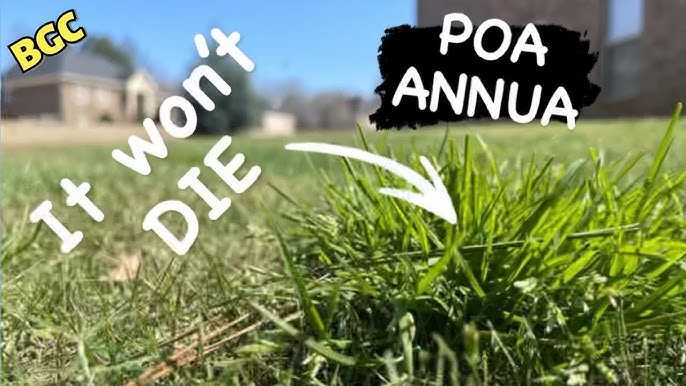
To effectively eliminate poa annua from Bermuda grass, start by adjusting your lawn care practices—mowing height and watering schedules—since healthy Bermuda grass can outcompete poa annua. Applying a selective herbicide designed for poa annua can also be very effective, especially if integrated with proper cultural practices. Consistent, targeted treatment combined with maintaining vigorous Bermuda grass is your best strategy to control and eventually eradicate poa annua from your lawn.
Dealing with poa annua in Bermuda grass can be a frustrating challenge, but with the right approach, it’s entirely manageable. The key is to identify the problem early and use a combination of cultural practices and herbicides to outgrow and suppress the weed. Understanding why poa annua thrives in your lawn and implementing a comprehensive plan can restore your Bermuda grass’s lush appearance and health.
If you want to get rid of poa annua in Bermuda grass, you need to follow a strategic approach that combines cultural maintenance with chemical treatment. Proper mowing, watering, and fertilization help strengthen your Bermuda grass, making it more resistant to weeds. Additionally, applying selective herbicides during the weed’s active growth periods can effectively control poa annua without harming your lawn. Consistency and patience are essential, but with these steps, you will gradually see your Bermuda grass reclaim its vitality.

How to Kill Poa Annua in Bermuda Grass
Understanding Poa Annua and Its Growth Patterns
Poa annua, also known as annual bluegrass, is a common weed in lawns and golf courses. It thrives in cool, moist environments, making it a persistent problem in Bermuda grass lawns during certain seasons. Recognizing its growth habits helps you choose the right method to control it effectively.
This weed appears as small, lighter green patches that stand out against the darker Bermuda grass. It tends to germinate in the spring and fall, spreading quickly if left unchecked. Poa annua’s ability to produce seed heads means it can reproduce rapidly, leading to dense patches that are difficult to remove.
Understanding Poa Annua’s lifecycle is key. Since it completes its entire cycle within a year, targeted control measures during its germination phase are most effective. Identifying these early stages can prevent the weed from establishing a strong foothold in your lawn.
Prevention Techniques to Minimize Poa Annua Growth
Prevention plays a vital role in controlling Poa annua. Establishing a healthy Bermuda grass lawn makes it less inviting for weed invasion. Proper soil preparation and regular maintenance are essential.
Maintaining optimal mowing height for Bermuda grass—around 1.5 to 2 inches—helps shade the soil and suppress Poa annua germination. Regular watering practices that avoid overwatering reduce the moist conditions Poa annua needs to thrive.
Applying a pre-emergent herbicide in early spring or fall can prevent Poa annua seeds from sprouting. These products create a barrier in the soil, stopping the seed’s growth before it starts. Make sure to select a pre-emergent labeled for use in Bermuda grass lawns and follow package instructions carefully.
Other prevention tips include overseeding your lawn with a dense Bermuda grass variety, which minimizes open space for weeds. Aerating the soil improves drainage and root growth, making your turf more resistant to invasive weeds like Poa annua.
Effective Post-Emergent Herbicides for Poa Annua Control
When Poa annua has already germinated, targeted post-emergent herbicides are necessary. Selective herbicides that specifically target Poa annua without harming Bermuda grass are ideal.
Herbicides containing **quinclorac** are highly effective against Poa annua. They work by inhibiting weed growth while leaving Bermuda grass unharmed when applied correctly. Always read labels to confirm compatibility with Bermuda grass and follow dosage instructions.
Another option is **mesotrione**, which is effective against Poa annua and can be used in Bermuda grass lawns. It not only controls existing weeds but also prevents seed production, reducing future infestations.
For best results, apply herbicides during active growth phases of Poa annua, usually in early spring or fall. Proper timing ensures maximum weed absorption and minimizes damage to your Bermuda grass.
Proper Application Techniques for Herbicides
Applying herbicides correctly is crucial to effective Poa annua control. Use a clean sprayer or spreader to ensure even distribution across the affected areas.
Before application, mow your Bermuda grass to about 1.5 inches to increase herbicide contact with the weeds. Avoid applying herbicides during hot, windy, or rainy days, as these conditions can reduce effectiveness and cause runoff.
Follow recommended rates carefully, and consider spot-treating patches of Poa annua rather than blanket spraying your entire lawn. This reduces chemical use and minimizes impact on your Bermuda grass.
After applying herbicides, water your lawn lightly to help activate the chemicals and allow them to penetrate weed tissues. Keep children and pets off the lawn until the herbicide has dried completely.
Mechanical and Cultural Control Methods
Mechanical removal of Poa annua can be effective for small patches. Hand pulling weeds is easy and environmentally friendly but best suited for isolated areas. Ensure you remove the entire root system to prevent regrowth.
For larger infestations, consider dethatching or aerating your lawn. These processes loosen compacted soil and make it harder for Poa annua to establish itself. Regular dethatching also removes weed seeds present on the surface.
Adjusting your lawn care practices can help control Poa annua. Fertilize Bermuda grass appropriately, focusing on nitrogen levels that promote dense, healthy turf. A vigorous lawn competes better against weeds and reduces available space for Poa annua to grow.
Water deeply and infrequently to promote strong root systems. Proper watering discourages Poa annua, which prefers moist, shallow soils. Avoid overwatering, which creates ideal conditions for weed germination.
Adjusting Watering and Mowing Practices to Suppress Poa Annua
Controlling Poa annua involves refining your lawn maintenance routines. Set your Bermuda grass mower to a height of 1.5 to 2 inches to promote shade and strengthen grass roots.
Consistent mowing prevents Poa annua from flowering and producing seeds. Remove no more than one-third of the grass height at a time to avoid stressing your Bermuda grass.
Water your lawn deeply once a week, ensuring that the soil penetrates at least 6 inches deep. Avoid frequent shallow watering, which favors weed growth. Proper drainage also plays a role in reducing Poa annua establishment.
Limiting watering during the germination period of Poa annua can reduce seedling emergence. Use a rain gauge or soil moisture meter to monitor watering needs carefully.
Seasonal Strategies for Poa Annua Management
Timing your control measures according to Poa annua’s lifecycle improves their efficacy. Focus on early spring and fall for pre- and post-emergent treatments, as these are prime germination periods.
In early spring, apply pre-emergent herbicides before Poa annua seeds sprout. This step can significantly reduce new weed patches.
In fall, target established weeds with post-emergent herbicides. This prevents seed production and helps break the cycle of annual growth.
Regularly monitor your lawn during these seasons for early signs of Poa annua. Early detection allows for prompt treatment, making weed management easier and more effective.
Long-Term Lawn Care Practices for Poa Annua Prevention
Maintaining a dense Bermuda grass lawn is the best long-term strategy to prevent Poa annua. Focus on soil health by testing and amending soil pH as needed.
Apply balanced fertilizers in spring and summer to promote lush, thick growth. A healthy turf naturally crowds out weeds and limits available space.
Implement a consistent irrigation schedule that promotes deep root growth. Proper watering discourages Poa annua, which prefers surface moisture.
Regular aeration and dethatching improve soil structure and remove potential seedbeds for weeds. These practices contribute to a stronger, resilient Bermuda grass lawn.
Over time, cultivating healthy turf becomes a strong defense against Poa annua. Combining cultural, mechanical, and chemical methods guarantees the best results and keeps your lawn looking its best.
How to kill poa annua in Bermuda grass
Frequently Asked Questions
What is the most effective herbicide to target poa annua in Bermuda grass?
Choose a selective herbicide that specifically targets poa annua without harming Bermuda grass. Products containing mesotrione or quinclorac are often effective. Apply the herbicide according to the manufacturer’s instructions during the active growing season of poa annua, typically in spring or fall. Regularly monitor your lawn to ensure the weed’s decline and avoid over-application to prevent damage to your Bermuda grass.
When is the best time to treat poa annua in Bermuda grass?
The optimal time to address poa annua is during its active growth phase, which usually occurs in early spring and fall. During these periods, the plant is most vulnerable to herbicide treatments. Avoid applying herbicides during extreme heat or drought, as stress on Bermuda grass can increase the risk of damage. Consistent monitoring of plant growth will help you identify the ideal window for treatment.
How can cultural practices prevent poa annua from spreading in Bermuda grass?
Maintain a healthy Bermuda grass lawn through proper mowing, watering, and fertilization. Mow at the recommended height to promote dense turf that outcompetes poa annua. Water deeply and infrequently to encourage deep root growth, making it harder for weeds to establish. Regular aeration and overseeding can also fill in bare spots, reducing opportunities for poa annua to invade your lawn.
Are there any organic methods to control poa annua in Bermuda grass?
Manual removal of poa annua plants can help control its spread without chemicals. For organic suppression, maintain a vigorous Bermuda grass lawn to shade out weeds. Apply organic mulches in bare areas to prevent seed germination. Additionally, use organic herbicides like vinegar-based solutions cautiously, but note that they may not be as effective as chemical options and can temporarily harm Bermuda grass if not applied carefully.
What mistakes should I avoid when trying to eliminate poa annua?
Avoid overwatering or applying too much fertilizer, as these practices can encourage poa annua growth. Do not apply herbicides during periods of stress or extreme weather, which can damage your Bermuda grass. Failing to identify the weed at an early stage reduces the chances of successful removal. Lastly, neglecting to follow label directions on herbicide products can lead to poor results or lawn damage.
Final Thoughts
To effectively kill poa annua in bermuda grass, start by applying a pre-emergent herbicide in early spring to prevent its growth. Use post-emergent herbicides carefully to target existing poa annua patches, ensuring you select products safe for bermuda grass. Maintain healthy bermuda through proper mowing, watering, and fertilization to outcompete unwanted weeds. Consistent maintenance and timely treatments will help you control poa annua and promote a lush, uniform lawn.