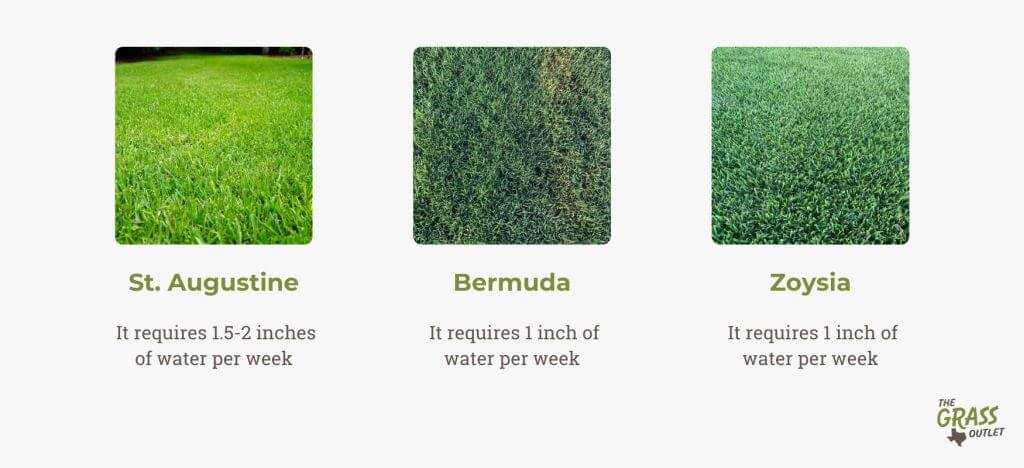
The best time to water Bermuda grass is early morning, ideally between 4 a.m. and 8 a.m., when the grass can absorb moisture effectively and evaporation is minimized. Proper timing ensures a healthy, lush lawn while conserving water.
Watering Bermuda grass at the right time is essential for maintaining a vibrant, green lawn that withstands heat and drought. The early morning hours give the grass the moisture it needs to recover from the heat of the day and promotes deeper root growth. Avoid watering during midday or evening, as this can encourage disease and waste water through evaporation. Consistency is key—watering deeply and infrequently encourages strong roots and a resilient turf. In this article, we’ll explore the optimal watering schedule, tips for recognizing when your lawn needs water, and how to keep your Bermuda grass in top shape all year round.

Best Time to Water Bermuda Grass: A Complete Guide
Understanding Bermuda Grass and Its Water Needs
Bermuda grass is a warm-season grass that thrives in hot climates. Its roots grow deep, allowing it to withstand droughts better than many other grasses. However, even drought-tolerant grass needs proper watering to stay healthy and green. Knowing the right time to water helps prevent overwatering or underwatering, both of which can cause problems.
Why Timing Matters for Watering Bermuda Grass
Timing affects how well Bermuda grass absorbs water. Watering at the wrong time can lead to water runoff, disease, or weak roots. Correct timing ensures the grass gets enough moisture without risking fungal growth or other issues. It also saves water and keeps your lawn looking its best.
Best Time of Day to Water Bermuda Grass
Early Morning: The Ideal Choice
Watering early in the morning is best because it allows the grass to absorb moisture before the heat of the day. Morning watering also reduces the chance of disease, as the grass dries out during the day. It provides consistent hydration, helping the roots grow strong.
Late Afternoon or Evening: A Secondary Option
If morning watering isn’t possible, late afternoon can work. However, avoid watering late at night, as the grass remains damp longer, increasing disease risk. Make sure to water early enough so the grass dries before nightfall.
Seasonal Variations in Watering Timing
Spring and Summer
During warmer months, Bermuda grass needs more frequent watering, especially during heat waves. The best time remains early morning, when evaporation is lower. In summer, watering twice or thrice a week is often necessary.
Fall and Winter
As temperatures drop, Bermuda grass requires less water. Watering once a week or even every two weeks may be enough. Focus on checking soil moisture and watering only when necessary, preferably during warmer parts of the day.
Factors Influencing the Best Watering Time
Climate and Weather Conditions
In hot, dry climates, early morning watering helps conserve water and prevents stress. Heavy rainfall reduces the need for watering, so adjust your schedule accordingly. Windy days can increase evaporation, so watering early ensures moisture is absorbed.
Soil Type and Moisture Retention
Sandy soils drain quickly, requiring more frequent watering and earlier watering times. Clay soils hold moisture longer, so watering can be less frequent and may be scheduled for cooler times of the day.
Signs Indicating the Best and Worst Times to Water
- Signs to water: Grass looks dull, footprints stay visible, or the lawn feels dry below the surface.
- Signs to avoid watering: After heavy rain, or if the grass remains wet for hours, risking disease development.
Monitoring these signs helps you adjust watering times for optimal grass health.
Additional Tips for Optimal Watering Schedule
Water Deeply and Less Often
Deep watering encourages roots to grow downward, making your Bermuda grass more drought-resistant. A good rule is to water until the soil is moist at least 6 inches deep.
Use Proper Equipment
Sprinklers should distribute water evenly to prevent dry patches. Consider using timers to schedule watering during optimal times automatically.
Check Soil Moisture Regularly
Use a soil probe or simple finger test to determine if the soil needs watering. Adjust your schedule based on how quickly the soil dries out, especially after rain or drought periods.
Getting the timing right for watering Bermuda grass ensures a lush, healthy lawn. The early morning hours are generally the best time, especially during hot months, for effective and efficient watering. By paying attention to seasonal changes, weather conditions, and soil type, you can fine-tune your watering schedule. Proper timing not only keeps your Bermuda grass vibrant but also conserves water and reduces disease risks. Maintain a consistent routine, observe your lawn, and adjust as needed for the best results.
Watering Bermuda Grass Lawn
Frequently Asked Questions
What is the ideal time of day to water Bermuda grass for optimal health?
Water Bermuda grass early in the morning, ideally between 6 a.m. and 10 a.m., to allow the grass to absorb moisture before the heat of the day. This reduces evaporation and ensures the grass receives sufficient hydration. Watering in the morning also helps prevent fungal diseases that can develop in prolonged dampness late in the day.
How does the season influence the best watering schedule for Bermuda grass?
During the warmer months, especially in late spring and summer, Bermuda grass requires more frequent and deeper watering to withstand heat stress. In cooler seasons like fall and winter, watering can be reduced, and sessions should be spaced out to prevent overwatering. Adjust your schedule according to temperature and rainfall patterns to keep the grass healthy year-round.
Is it better to water Bermuda grass deeply or lightly, and why?
Deep watering encourages the roots to grow deeper into the soil, making the grass more resilient to drought and heat. Water until you see moisture reaching about 6 to 8 inches below the surface, then allow the topsoil to dry out slightly before watering again. Light, frequent watering encourages shallow roots, which are more vulnerable to stress and less sustainable in the long term.
Final Thoughts
The best time to water bermuda grass is early morning when temperatures are cooler and evaporation is minimal. Watering deeply during this time encourages strong root growth. Avoid watering during the heat of the day or late evening, as this can promote disease.
Consistent watering helps maintain healthy, green turf. Adjust your schedule based on weather conditions, ensuring the grass never dries out or becomes waterlogged.
In conclusion, the best time to water bermuda grass is early morning. This ensures optimal hydration and promotes a healthy lawn, making morning watering the most effective strategy.