

Image source: Pixabay / stevepb (Pixabay Content License)
You've been checking your tomato plants every morning, waiting for that perfect moment when everything looks plump and vibrant. Then you spot it: wrinkled, puckered fruit that looks nothing like the picture on the seed packet. You're not alone, and you're not doing anything catastrophically wrong.
The truth is, wrinkled tomatoes are one of the most common issues home gardeners run into. The cause could be as simple as an inconsistent watering schedule, or it could point to something more specific like a nutrient gap or a viral infection. Figuring out which one matters because the fix is different every time.
Let's walk through it together so you can actually get to the bottom of what's happening in your garden.
Tomatoes need roughly 1 to 2 inches of water per week, according to university extension guidance, and even small deviations from that can show up as skin wrinkling on the fruit. But water is only one piece of the puzzle. Keep reading and we'll break down every major cause, how to tell them apart, and what to do about each one.
Quick Answer
Wrinkled tomatoes are most often caused by inconsistent watering, calcium or potassium deficiency, sunscald, viral disease, or simply the natural traits of certain heirloom varieties. To identify the cause, check your watering pattern first, then inspect the leaves and stems for discoloration or lesions, and note where on the fruit the wrinkling appears. Most wrinkled tomatoes from environmental causes are still safe to eat, but fruit from a diseased plant should be discarded.
The Most Common Causes of Wrinkled Tomato Fruit
Not all wrinkles are created equal. The pattern, location, and accompanying symptoms tell you a lot about what's actually going on. Here are the top culprits, ranked by how often they show up in home gardens.
Inconsistent watering. This is the number one reason tomatoes wrinkle. The fruit skin expands during wet periods and contracts during dry ones. Over time, that push-and-pull creates a puckered, wrinkled texture.
If your watering schedule has been erratic, or if a heat wave hit without extra irrigation, this is the most likely explanation.
Calcium deficiency. Without enough calcium, the cell walls in the fruit don't develop properly. You'll often see wrinkling concentrated at the blossom end, sometimes alongside dark, sunken spots. Calcium uptake is closely tied to consistent soil moisture, so this and watering problems often go hand in hand.
Potassium deficiency. Potassium helps regulate water movement within the plant and supports overall fruit development. When it's lacking, the fruit skin can become uneven and wrinkled, typically across the entire surface rather than just one end.
Sunscald or heat stress. Temperatures consistently above 90°F (32°C) can damage tomato fruit, especially on plants that have been over-pruned. The affected areas turn pale, blistered, and eventually wrinkled as the tissue breaks down.
Viral infections. Tomato mosaic virus (ToMV) and tomato yellow leaf curl virus (TYLCV) both cause fruit distortion and wrinkling. These are usually accompanied by visible leaf symptoms like mottling, curling, or stunted growth.
Natural variety traits. Some heirloom tomatoes, particularly certain beefsteak and ribbed varieties, develop a slightly wrinkled or rough appearance as they mature. This is completely normal and doesn't affect flavor.
Overripeness. Tomatoes left on the vine too long will start to wrinkle as they lose moisture past peak ripeness. This is cosmetic and the fruit is still usable if it hasn't started to rot.
How to Tell If It's a Watering Problem
Watering issues are the easiest cause to diagnose and the easiest to fix. Here's what to look for.
Check the wrinkling pattern. Dehydration-related wrinkling tends to be spread evenly across the fruit surface. It won't be concentrated at one end, and there won't be dark spots or lesions. The fruit may also feel slightly softer than expected for its stage.
Inspect the soil moisture. Stick your finger 2 inches into the soil near the base of the plant. If it's bone dry, underwatering is the obvious answer. If it's soggy, overwatering may have damaged the roots, which prevents proper water and nutrient uptake even though there's plenty of moisture in the ground.
Look at the leaves. Underwatered plants will have drooping, curling leaves that may feel crispy at the edges. Overwatered plants often show yellowing lower leaves and general wilting despite wet soil, a sign of root stress.
Review your recent schedule. Have you been watering deeply and consistently, or have there been gaps? Even a few missed days during a hot spell can trigger wrinkling, especially in container-grown plants that dry out faster.
Check the roots if you can. Gently dig near the base of an affected plant. Healthy roots are white or light tan. Brown, mushy roots indicate root rot from overwatering, which is a harder problem to reverse.
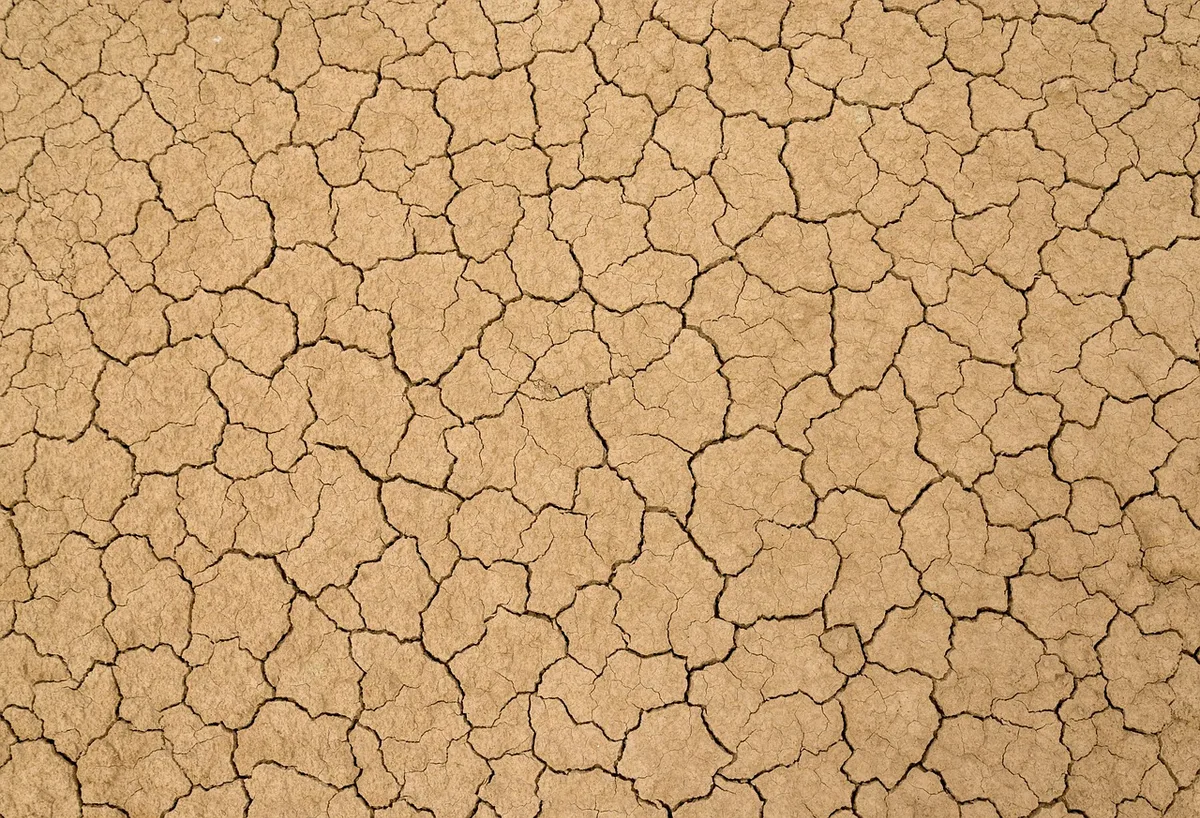
Image source: Pixabay / oleg_mit (Pixabay Content License)
The fix: Adjust your watering to deliver 1 to 2 inches per week, applied deeply and consistently rather than in frequent shallow sessions. Mulch 2 to 4 inches deep around the base of the plant to stabilize soil moisture. If root rot is present, improve drainage and reduce watering frequency.
Container plants may need daily watering in hot weather.
How to Tell If It's a Nutrient Deficiency
Nutrient problems can mimic watering issues, but there are distinct clues that point to what's missing.
Calcium deficiency signs:
- Wrinkling or dark, sunken spots at the blossom end of the fruit
- New leaves that are distorted or cupped
- Blossom end rot, which often accompanies or precedes wrinkling
- Symptoms appear even when watering seems adequate
Potassium deficiency signs:
- Wrinkling across the entire fruit surface
- Leaf edges that turn brown and curl inward (marginal scorch)
- Yellowing between leaf veins on older leaves first
- Fruit that ripens unevenly or stays green near the stem
Magnesium deficiency signs:
- Yellowing between leaf veins while veins stay green
- Symptoms start on older, lower leaves
- Fruit wrinkling is less common but can occur in severe cases
The key difference from watering problems: Nutrient deficiencies usually show up alongside specific leaf discoloration patterns. If the fruit is wrinkled but the leaves look perfectly healthy, a nutrient gap is less likely.
The fix: A soil test is the most reliable way to confirm a deficiency. Your local university extension office can run one for a small fee. In the meantime, a balanced tomato fertilizer with adequate potassium and calcium can help.
For quick calcium correction, a foliar spray of calcium chloride (follow label rates) can provide short-term relief. Avoid over-applying nitrogen, which can worsen potassium and calcium uptake.
How to Tell If It's Disease or a Virus
This is the category nobody wants to hear about, but catching it early can save the rest of your crop.
Tomato mosaic virus (ToMV):
- Mottled light and dark green patterns on leaves
- Leaves may appear fern-like or distorted
- Fruit shows uneven ripening, wrinkling, and sometimes internal browning
- Stunted overall plant growth
- Spreads through contaminated tools, hands, or infected seeds
Tomato yellow leaf curl virus (TYLCV):
- Leaves curl upward and turn yellow at the edges
- Plants become severely stunted
- Flower drop is common, and fruit set is reduced
- Any fruit that does develop is often small, wrinkled, and misshapen
- Spread primarily by whiteflies
Bacterial speck (Pseudomonas syringae):
- Tiny, dark raised spots on leaves and fruit
- Fruit wrinkling may develop around the spots
- More common in cool, wet conditions
Bacterial canker (Clavibacter michigenensis):
- Wilting on one side of the plant
- Brown streaks inside the stem when cut open
- Fruit shows small, raised white spots that may look like bird eyes, sometimes with surrounding wrinkled tissue
The key difference from environmental causes: Diseases almost always affect the leaves, stems, or overall plant vigor in addition to the fruit. If the fruit is wrinkled but the rest of the plant looks completely healthy, a disease is unlikely.
Image source: Pixabay / snowday83 (Pixabay Content License)
The fix: There is no cure for viral infections in tomatoes. Remove and destroy affected plants immediately. Do not compost them.
Sanitize your tools with a 10% bleach solution between plants. For future seasons, choose disease-resistant varieties (look for "ToMV" or "TYLCV" resistance codes on seed packets) and control whitefly populations with insecticidal soap or reflective mulch. Bacterial diseases can sometimes be managed with copper-based sprays applied early, but prevention through crop rotation and clean seed sourcing is far more effective.
How to Tell If It's Sunscald or Heat Stress
Sunscald is basically a sunburn on your tomatoes. It happens when fruit that was previously shaded by foliage is suddenly exposed to intense direct sunlight.
What it looks like:
- A pale, white or yellowish patch on the side of the fruit facing the sun
- The affected area becomes papery, blistered, and eventually wrinkled or sunken
- Secondary fungal infection can set in on the damaged tissue, turning it dark
- Most common on plants that have been heavily pruned or have lost foliage to disease
Heat stress without direct sunscald:
- General wrinkling across the fruit during prolonged temperatures above 90°F
- Blossom drop and poor fruit set
- Leaves may curl upward as a protective response
- Fruit that does develop may be smaller than normal
The key difference: Sunscald shows up as a distinct patch on one side of the fruit. Heat stress tends to affect the whole fruit more evenly and is tied to sustained high temperatures rather than sudden exposure.
Image source: Pixabay / snowday83 (Pixabay Content License)
The fix: Don't over-prune your tomato plants. The leaf canopy exists to shade the fruit. If you've already removed too much foliage, consider using shade cloth (30 to 40% shade rating) during the hottest part of the day.
Mulching helps keep root zones cool. For container plants, move them to a spot that gets afternoon shade during heat waves. Damaged fruit won't recover, but preventing further exposure protects the remaining crop.
How to Tell If It's Just the Variety or Overripeness
Sometimes wrinkled tomatoes aren't a problem at all. Before you start troubleshooting, rule out these two harmless explanations.
Heirloom variety traits:
Many heirloom tomatoes naturally develop a slightly rough, ribbed, or wrinkled appearance as they mature. Varieties like Brandywine, Cherokee Purple, and certain Italian paste types are known for this. The fruit may look imperfect, but the flavor is often superior to smooth-skinned hybrids.
Check your seed packet or the variety description from the seed company. If wrinkling is listed as a characteristic, you're in the clear.
Overripeness:
Tomatoes that stay on the vine past their peak will gradually lose moisture and start to wrinkle. This is especially common at the end of the season when gardeners leave fruit on the plant hoping for one more warm day. The fruit is still perfectly usable for sauces, soups, or roasting.
It just won't have the crisp texture of a freshly picked tomato.
How to tell the difference from a problem:
- If only the oldest fruit on the plant is wrinkled and the rest of the plant looks healthy, overripeness is the likely cause.
- If the variety is known for a rustic appearance and the wrinkling is uniform and mild, it's probably just genetics.
- If wrinkling appears on young, developing fruit alongside other symptoms, it's a genuine issue that needs attention.
The fix: Harvest at the breaker stage (when the fruit first shows color change) and let it finish ripening on the counter. This prevents overripening on the vine and reduces exposure to pests and weather. For heirloom varieties prone to wrinkling, consistent watering and adequate potassium will minimize the effect, but some texture variation is normal and expected.
Step-by-Step: Diagnosing What's Happening to Your Tomatoes
Now that you know the major causes, here's a practical workflow to pinpoint the exact issue in your garden. Work through these steps in order.
Step 1: Check your watering history.
Think back over the past week. Have you been consistent? Any missed days?
Any heavy rain events? If the answer is anything less than steady, watering is your prime suspect.
Step 2: Inspect the leaves.
Healthy leaves mean the problem is likely environmental (water, heat, or variety). Discolored, spotted, curled, or wilting leaves point toward disease or nutrient deficiency.
Step 3: Look at where the wrinkling is.
- Blossom end only: think calcium deficiency or blossom end rot.
- Evenly across the fruit: think underwatering, potassium deficiency, or heat stress.
- One distinct patch: think sunscald.
- Accompanied by mottled or distorted leaves: think viral infection.
Step 4: Check the stems and overall plant vigor.
Brown streaks inside the stem suggest bacterial canker. Stunted growth with curled leaves suggests a virus. A vigorous plant with good foliage but wrinkled fruit points to watering, nutrients, or variety traits.
Step 5: Consider the weather.
Recent heat waves above 90°F? Heavy rain followed by drought? Temperature swings?
Environmental stress from weather is one of the most common triggers for wrinkling, especially in early to mid-summer.
Step 6: Review your fertilizer program.
Have you been feeding regularly? What's the NPK ratio? High nitrogen with low potassium and calcium is a recipe for poor fruit quality.
Step 7: Identify your variety.
Look up the specific variety you're growing. Some are simply more prone to wrinkling, and knowing that saves you a lot of unnecessary worry.
What to Do Right Now to Fix Wrinkled Tomatoes
Once you've identified the likely cause, here's how to respond. Act quickly because the current fruit may not fully recover, but you can protect the next wave of tomatoes.
For watering issues:
- Water deeply at the base of the plant, aiming for 1 to 2 inches per week total.
- Apply 2 to 4 inches of organic mulch (straw, shredded leaves, or wood chips) to retain moisture.
- Water in the early morning to reduce evaporation.
- For containers, check daily in hot weather and water when the top inch of soil is dry.
For calcium deficiency:
- Apply a calcium chloride foliar spray at the rate recommended on the product label.
- Add gypsum (calcium sulfate) to the soil at planting time for a longer-term solution.
- Maintain consistent soil moisture, since calcium moves with water through the plant.
For potassium deficiency:
- Side-dress with a potassium-rich fertilizer like potassium sulfate or a balanced tomato-specific feed.
- Wood ash is a natural source of potassium; apply sparingly around the base of the plant.
- Avoid high-nitrogen fertilizers, which can interfere with potassium uptake.
For sunscald or heat stress:
- Stop pruning. Let the leaf canopy provide natural shade.
- Install shade cloth if temperatures are consistently above 90°F.
- Move container plants to a location with afternoon shade.
For viral infections:
- Remove and bag affected plants immediately. Do not compost.
- Dispose of them in the trash or burn them if local regulations allow.
- Wash hands and sanitize tools before touching healthy plants.
- Control insect vectors (whiteflies, aphids) with insecticidal soap or neem oil.
For bacterial diseases:
- Remove affected fruit and severely damaged plants.
- Apply a copper-based bactericide to remaining plants as a preventive measure.
- Rotate tomatoes to a different bed next season. Avoid planting in the same spot for at least 3 years.
For overripeness or variety traits:
- Harvest earlier. Pick fruit at the first sign of color change and ripen indoors.
- Accept that some heirlooms just look rustic. The taste more than makes up for it.
How to Prevent Wrinkling in Future Harvests
Fixing the current problem is good. Preventing it next season is better. Here's what to do going forward.
Start with the soil.
Get a soil test before planting. Aim for a pH between 6.0 and 6.8. Amend based on the results.
Healthy soil with good organic matter holds moisture and nutrients more consistently.
Choose the right varieties.
If wrinkling has been a recurring problem, consider switching to hybrid varieties bred for smooth, crack-resistant fruit. If you love heirlooms, pick ones known to perform well in your climate. Seed catalogs and university extension variety trials are good resources for this.
Mulch from day one.
Apply mulch as soon as you transplant. It regulates soil temperature, retains moisture, and reduces the splash that spreads soil-borne diseases.
Water on a schedule.
Set a reminder if you need to. Consistency matters more than volume. Drip irrigation or soaker hoses deliver water directly to the root zone and keep foliage dry, which also reduces disease pressure.
Feed appropriately.
Use a fertilizer formulated for tomatoes, one with a higher potassium and phosphorus ratio relative to nitrogen once fruiting begins. Follow label rates. More is not better.
Prune with restraint.
Remove suckers and lower leaves for airflow, but never strip the plant bare. The leaves are your fruit's sunscreen.
Rotate your crops.
Don't plant tomatoes in the same spot year after year. A 3-year rotation cycle reduces the buildup of soil-borne diseases.
Mistakes That Make Tomato Wrinkling Worse
Some well-intentioned gardening habits actually make the problem worse. Here's what to stop doing.
Over-pruning. Stripping too much foliage exposes fruit to direct sun and temperature swings. Leave enough leaf canopy to shade developing tomatoes.
Overwatering. Soggy soil leads to root rot, which prevents the plant from taking up water and nutrients even though the ground is wet. It's a cruel irony that overwatering can cause the same symptoms as underwatering.
Using high-nitrogen fertilizer during fruiting. Nitrogen pushes leafy growth at the expense of fruit quality. Once flowers appear, switch to a formula higher in phosphorus and potassium.
Ignoring soil pH. If your soil is too acidic or too alkaline, nutrients may be present but unavailable to the plant. A simple pH test can reveal this.
Letting fruit over-ripen on the vine. Harvest at the breaker stage. Leaving fruit on too long invites pests, disease, and moisture loss.
Planting in the same spot every year. Soil-borne pathogens build up over time. Rotate your tomato beds.
Not mulching. Bare soil loses moisture fast and heats up in the sun, stressing roots. Mulch is one of the simplest and most effective things you can do.
When Wrinkled Tomatoes Are Still Safe to Eat (and When They're Not)
This is the question everyone asks. Here's the honest answer.
Safe to eat:
- Tomatoes wrinkled from inconsistent watering
- Tomatoes wrinkled from nutrient deficiency (calcium or potassium)
- Tomatoes wrinkled from sunscald (cut away the damaged area)
- Overripe tomatoes that are wrinkled but not moldy
- Heirloom varieties with natural wrinkling
Do not eat:
- Tomatoes from plants confirmed to have a viral infection
- Tomatoes with signs of bacterial disease (oozing, foul smell, extensive dark lesions)
- Tomatoes with mold growing on the wrinkled areas
- Any fruit that smells off or has an unusual texture beyond simple softness
When in doubt, cut the tomato open. If the inside looks and smells normal, it's fine to use in cooked preparations. The wrinkling is a cosmetic and textural issue in most cases, not a food safety one.
Frequently Asked Questions
Can I still eat wrinkled tomatoes?
In most cases, yes. Tomatoes wrinkled from watering issues, nutrient deficiency, or sunscald are safe to eat. Cut away any damaged or discolored areas.
Only discard fruit from plants with confirmed viral or bacterial infections, or any tomato with mold or a foul smell.
Should I pick wrinkled tomatoes off the plant?
If the wrinkling is due to overripeness, pick the fruit and use it soon. If it's caused by a disease, remove and dispose of the fruit to prevent spread. For environmental causes like watering or nutrients, leaving the fruit on the plant is fine.
It may not look perfect, but it will still ripen.
Do wrinkled tomatoes taste different?
Wrinkled tomatoes from environmental stress often taste perfectly fine, sometimes even sweeter because the sugars are more concentrated. Overripe wrinkled tomatoes can be excellent for sauces and cooking. Only diseased fruit should be avoided entirely.
How do I stop my tomatoes from wrinkling in the first place?
Consistent watering, proper fertilization, adequate mulch, and sensible pruning are the foundations. Choose varieties suited to your climate, test your soil before planting, and rotate your crops each season. Prevention is much easier than treatment.
Is blossom end rot the same as wrinkling?
Not exactly, but they're related. Blossom end rot is a specific disorder caused by calcium deficiency, showing up as a dark, sunken spot at the bottom of the fruit. Wrinkling can accompany blossom end rot, but it can also occur on its own from other causes.
Can container tomatoes wrinkle more easily?
Yes. Containers dry out faster than in-ground beds, making inconsistent watering the most common cause of wrinkling in potted tomatoes. Check soil moisture daily during hot weather and consider self-watering containers if you struggle with consistency.
Quick-Reference Decision Guide: Cause → Signs → Fix
| Cause | Key Signs | Fix |
|---|---|---|
| Underwatering | Even wrinkling, dry soil, drooping leaves | Water deeply and consistently, mulch |
| Overwatering | Yellowing leaves, wilting despite wet soil, root rot | Reduce frequency, improve drainage |
| Calcium deficiency | Blossom end rot, distorted new leaves | Calcium spray, gypsum, consistent moisture |
| Potassium deficiency | Brown leaf edges, uneven ripening | Potassium-rich fertilizer, balanced feeding |
| Sunscald | Pale patch on one side of fruit | Stop pruning, use shade cloth |
| Viral infection | Mottled leaves, stunted growth, distorted fruit | Remove and destroy plants, sanitize tools |
| Heat stress | General wrinkling, blossom drop, leaf curl | Shade cloth, mulch, afternoon shade for pots |
| Overripeness | Oldest fruit wrinkled, plant otherwise healthy | Harvest at breaker stage |
| Variety trait | Mild wrinkling, known heirloom characteristic | No action needed, enjoy the flavor |