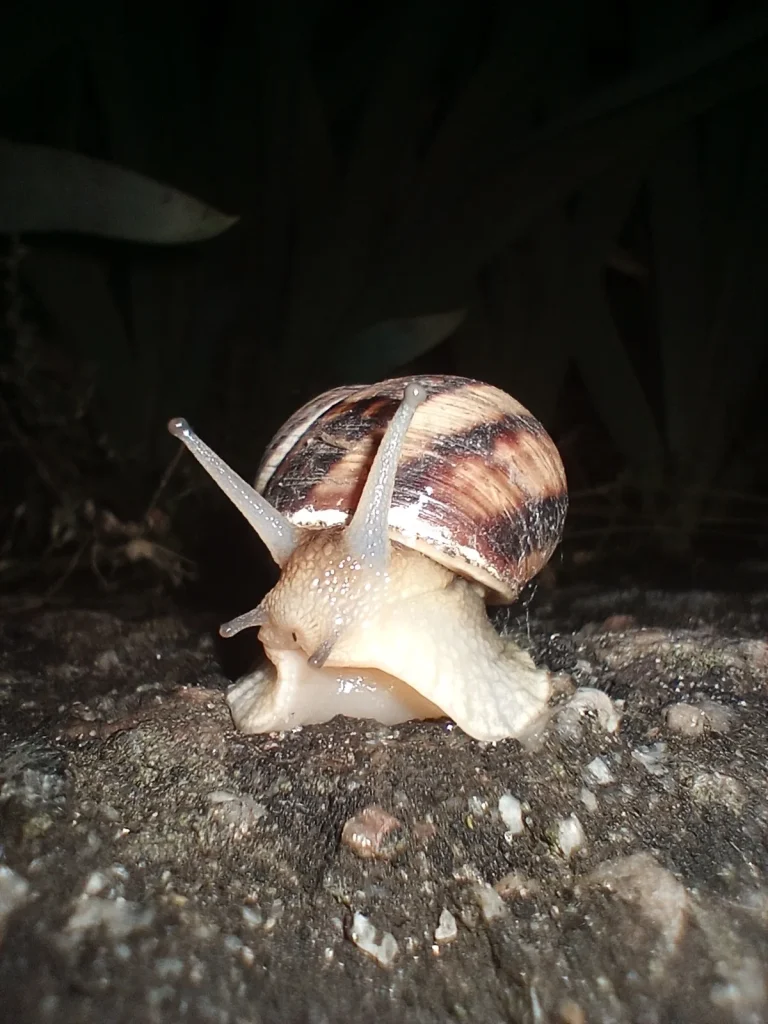
Most of us don't think twice about whether a slug wriggling on a salted sidewalk is actually suffering. But if you've ever paused before stepping on one, or wondered whether your pest control method crosses an ethical line, you're asking a real scientific question. Can slugs feel pain?
The honest answer is more nuanced than a simple yes or no, and getting it wrong in either direction has real consequences, either for how we treat these animals or for how we interpret the science.
Here's what we know as of 2026. Slugs possess opioid-like receptors, sensory neurons, and nervous system features that go well beyond simple reflexes. But they lack a neocortex or any brain structure we'd associate with conscious pain experience in vertebrates.
The research is evolving, and the gap between detecting harm and actually feeling it is where the real debate lives. Let's walk through it properly.
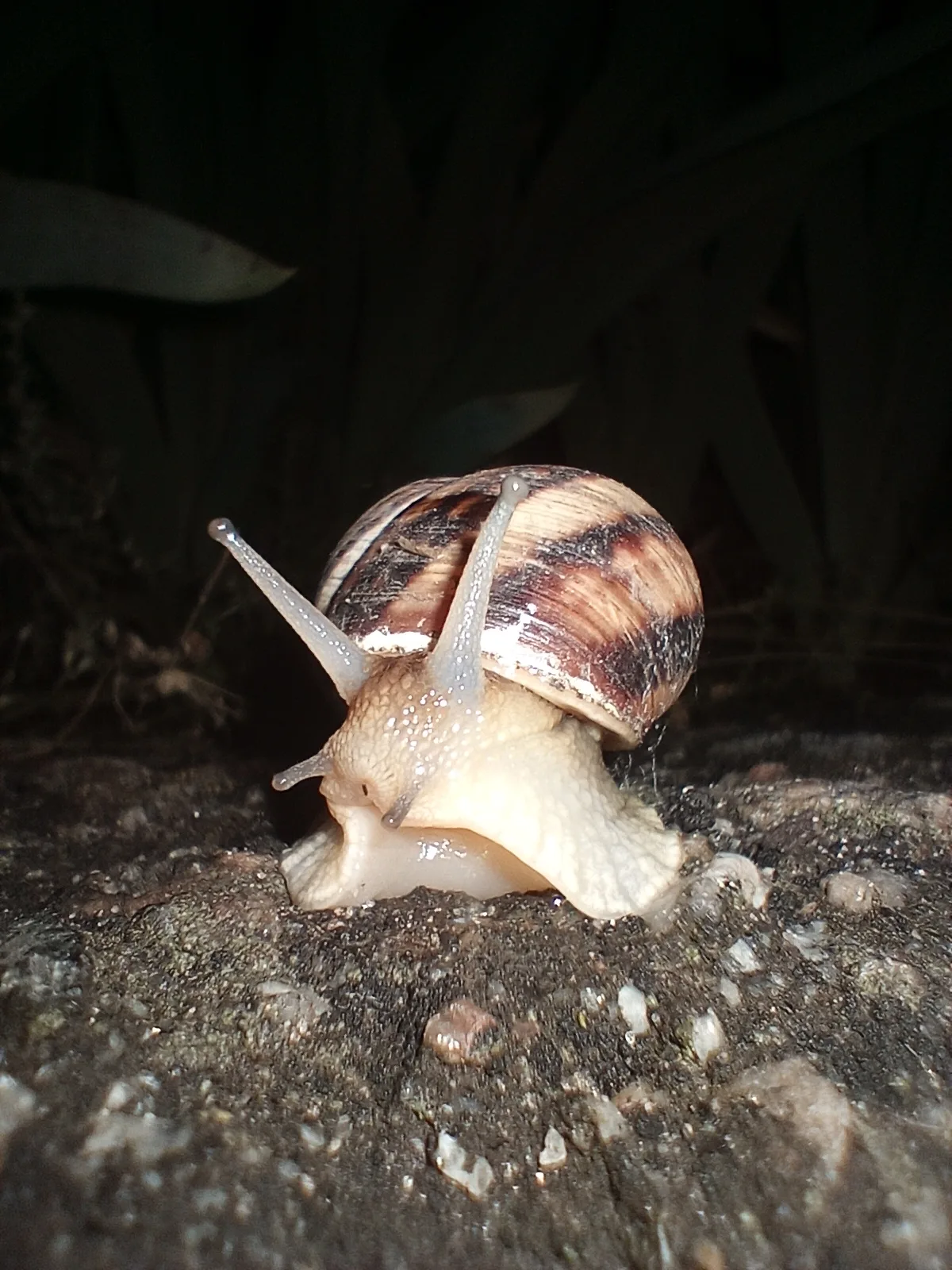
Image source: Wikimedia Commons / Natalka Ukraine (CC BY)
Why Getting This Wrong Actually Matters
This isn't just a philosophy seminar question. How we answer it shapes real decisions people make every day. Gardeners choosing between beer traps and salt barriers are making a welfare choice, whether they realize it or not.
Educators teaching kids about animal biology need to get the nuance right without oversimplifying. And policymakers drafting animal welfare legislation are drawing lines that affect billions of invertebrates.
On one side, dismissing slugs as unfeeling automatons can lead to unnecessarily cruel treatment. On the other, projecting human-like suffering onto an animal with 20,000 neurons and no brain creates its own problems, muddying the science and making policy harder to defend. The stakes are real because the science is genuinely uncertain, and uncertainty demands more careful thinking, not less.
The Quick Answer: It's Complicated, and That's the Point
Slugs almost certainly detect harmful stimuli. That's called nociception, and the evidence is solid. Whether they experience pain as a subjective feeling is still an open question.
They have opioid-like receptors and show learned avoidance behavior. But they lack the brain structures associated with conscious pain in vertebrates. The honest scientific position right now is "probably not in the way we experience it, but we can't rule it out entirely."
Nociception vs. Pain — The Distinction Most People Miss
This is where most popular articles get it wrong, so let's be precise. Nociception is the detection of potentially harmful stimuli. Think of it as the hardware: sensory neurons fire, signals travel, the animal pulls away.
It happens in your spinal cord before your brain even gets involved. You can watch it in a slug the same way. Touch a slug's tentacle with something irritating, and it withdraws.
That's nociception, and nobody disputes that slugs do it.
Pain is something different. Pain is the subjective experience that may or may not follow nociception. It's the "ouch" feeling, the emotional component, the suffering.
In humans, that requires processing in the brain, particularly the thalamus, somatosensory cortex, and anterior cingulate cortex. Slugs don't have any of those structures. What they have is a decentralized nervous system built around paired ganglia, clusters of nerve cells that handle local processing without a single command center.
Here's the critical nuance. Some researchers argue that pain doesn't require a vertebrate-style brain. If an animal can learn to avoid a stimulus, show protective behavior after injury, and respond to painkillers with reduced avoidance, that's evidence of something more than pure reflex.
Slugs check some of those boxes. But checking some boxes isn't the same as checking all of them, and the field hasn't reached consensus.
What's Actually Inside a Slug's Nervous System
To understand why this question is hard, you need to know what we're working with. A slug's nervous system looks nothing like yours, and comparing the two directly leads to bad conclusions in both directions.
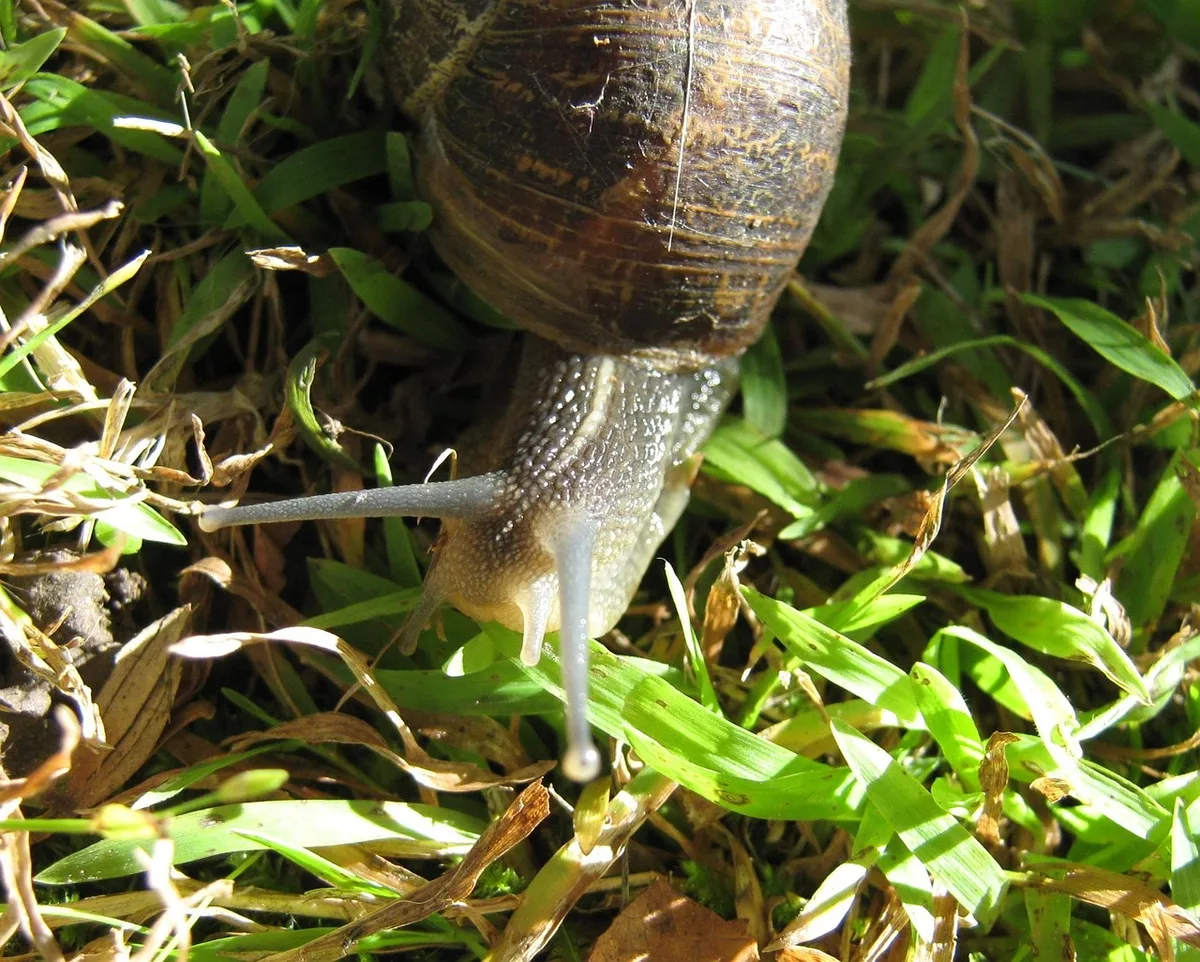
Image source: Pixabay / PublicDomainPictures (Pixabay Content License)
The Ganglia Setup — No Brain, But Not Nothing
A slug doesn't have a brain. What it has is a set of ganglia, dense clusters of neurons that act as local processing centers. The cerebral ganglia sit near the head and handle sensory input from the tentacles.
The pedal ganglia manage locomotion. The visceral ganglia handle internal organ function. These are connected by nerve cords, creating a distributed network that can coordinate behavior without a single command center.
The total neuron count is around 20,000. That's compared to your 86 billion. But raw neuron count isn't the whole story.
A honeybee has about a million neurons and shows surprisingly sophisticated behavior. The question isn't how many neurons a slug has. It's what those neurons can do together.
What We Know About Nociceptors in Molluscs
Research on molluscan sensory neurons has identified cells that respond to mechanical damage, chemical irritants, and temperature extremes. These are functionally analogous to the nociceptors in vertebrates. Studies on the sea hare Aplysia californica, a marine relative of garden slugs, have been particularly revealing. Aplysia has been a model organism in neurobiology for decades, and its sensory neurons are among the best-mapped in the invertebrate world.
Work published in the Journal of Experimental Biology has shown that Aplysia exhibits sensitization after injury. That means after a shock or pinch, the animal's withdrawal response becomes stronger and lasts longer. This isn't just a reflex getting louder.
It's a form of non-associative learning, the nervous system changing its response based on experience. That's a step beyond simple nociception.
Opioid-Like Receptors — A Surprising Clue
Here's where it gets genuinely interesting. Multiple studies have found enkephalin-like peptides and opioid receptors in molluscan tissue. In vertebrates, the opioid system is central to pain modulation.
Endorphins bind to opioid receptors and reduce the perception of pain. Finding similar machinery in slugs and their relatives raises a question: why would an animal evolve opioid receptors if it never experiences anything worth modulating?
Research on Lymnaea stagnalis, a freshwater snail, showed that morphine reduces withdrawal responses to noxious stimuli, and opioid antagonists block that effect. That's exactly the pattern you'd see in a vertebrate pain system. It's not proof of subjective pain, but it's a data point that's hard to explain away as pure reflex.
What the Research Actually Shows
Let's separate what's established from what's speculative. The peer-reviewed literature on slug and gastropod nociception is smaller than you'd expect, but it's growing.
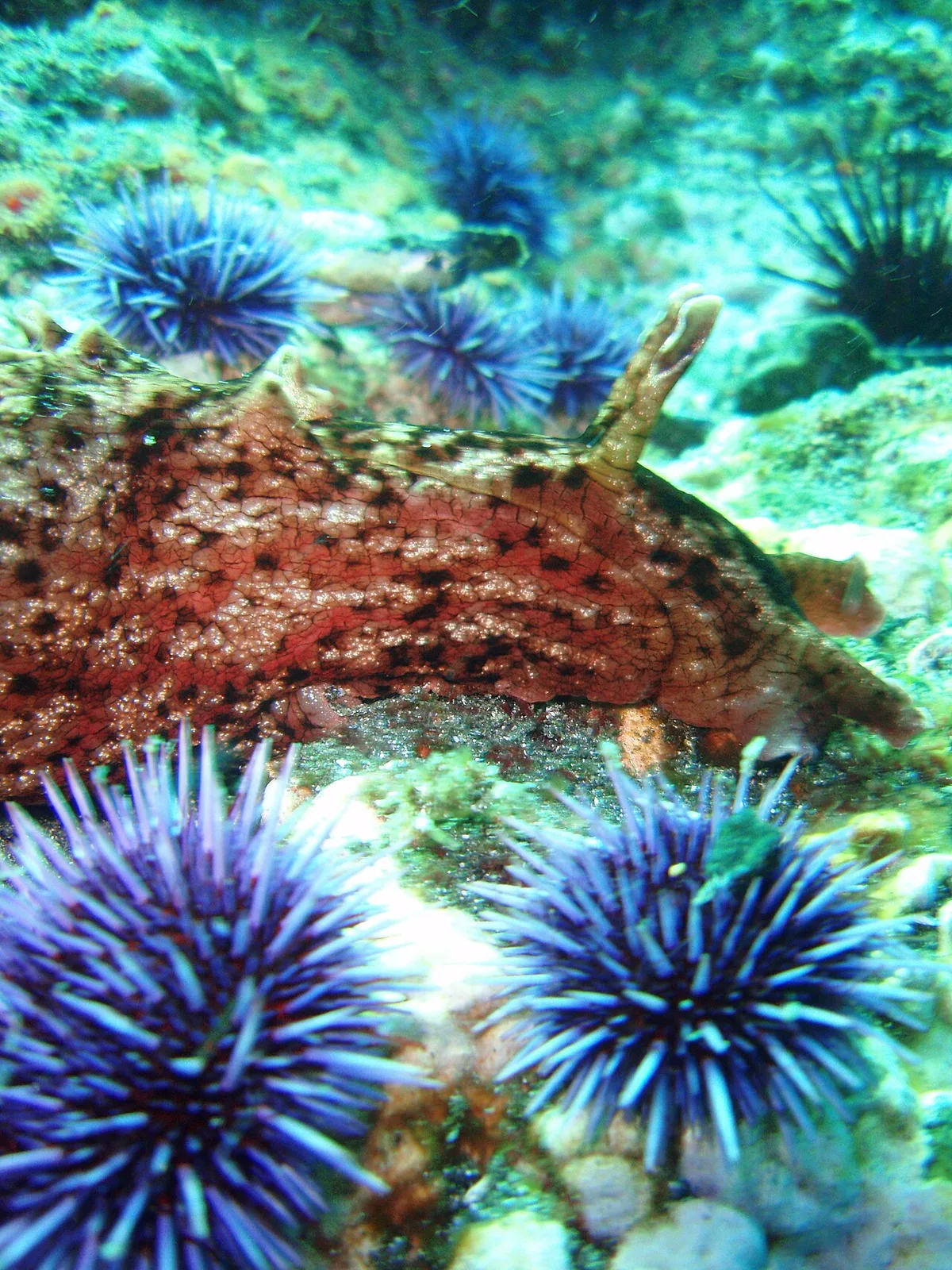
Image source: Wikimedia Commons / Claire Fackler, CINMS, NOAA.
Evidence That Points Toward Pain-Like Experience
Several findings push beyond simple nociception into territory that looks more like pain:
- Learned avoidance. Gastropods can be trained to avoid locations or stimuli associated with noxious events. This requires memory formation and decision-making, not just reflex.
- Sensitization and hyperalgesia. After tissue damage, molluscs show heightened sensitivity to stimuli that wouldn't normally bother them. This mirrors a key feature of pain in vertebrates.
- Analgesic response. The opioid system findings suggest that molluscs have an endogenous pain-modulation pathway. Animals with purely reflexive responses don't typically have built-in systems to dampen those responses.
- Protective behavior post-injury. Some gastropods groom or shield injured body parts, suggesting an internal state associated with the injury, not just a local reflex.
Evidence That Keeps It in "Maybe" Territory
On the other side, there are strong reasons to hold back from a definitive "yes":
- No central processing architecture. Without anything analogous to a thalamocortical loop, the mechanism that generates subjective experience in vertebrates simply isn't there.
- Alternative explanations exist. Learned avoidance and sensitization can occur at the ganglial level without any conscious experience. Honeybees show sophisticated learning with a fraction of the neural complexity we associate with sentience.
- Publication bias. Positive findings about invertebrate pain get published because they're novel and provocative. Null results are harder to publish, which may skew the literature.
- Very few studies directly on slugs. Most of the best evidence comes from Aplysia, Lymnaea, or cephalopods. Garden slugs (families Arionidae, Veronicellidae) are understudied in this context.
The Honest State of the Science
The University of Glasgow's work on invertebrate sentience, which has informed UK policy, concluded that there is "strong scientific support" for pain-like experience in some invertebrates, particularly decapod crustaceans like crabs and lobsters. For gastropods, the evidence was assessed as present but weaker. The 2022 UK Animal Welfare (Sentience) Act recognized sentience in decapod crustaceans and cephalopods but did not extend formal protection to slugs or snails.
That's not because slugs were proven not to feel pain. It's because the evidence wasn't strong enough to meet the threshold for legislative action. There's a meaningful difference between "not proven" and "disproven," and conflating the two is one of the most common mistakes in this space.
Why the Comparison to Cephalopods Matters
People often lump all "slimy sea creatures" together, but the gap between a slug and an octopus is enormous. Octopuses have around 500 million neurons, sophisticated problem-solving abilities, and individual personalities. They've been observed using tools, recognizing human faces, and escaping enclosures for fun.
The UK's Animal Welfare (Sentience) Act 2022 explicitly covers cephalopods. The EU's Directive 2010/63/EU regulates their use in research.
Slugs don't come anywhere close to that level of complexity. But the cephalopod precedent matters for one key reason: it established that invertebrates can be legally recognized as sentient. The bar isn't "as smart as an octopus." The bar is "sufficient evidence of pain-like experience." For decapod crustaceans like crabs and lobsters, that bar was met.
For slugs, it hasn't been yet. But the framework exists, and future research could shift the calculation.
Image source: Pixabay / jggrz (Pixabay Content License)
What This Means for How You Treat Slugs
The science doesn't give us a clean answer, so what do we do on a Tuesday evening when slugs are demolishing your lettuce? The precautionary principle offers a reasonable guide: when the evidence is uncertain but the potential for suffering exists, err on the side of minimizing harm.
If You're a Gardener Making Pest Control Decisions
You don't need to feel guilty about protecting your plants. But some methods are clearly worse than others from a welfare standpoint:
- Salt causes osmotic dehydration. It's extremely distressing to watch and likely triggers intense nociceptive responses.
- Beer traps involve drowning in ethanol. The slug likely becomes sedated before dying, which may be less aversive.
- Copper tape barriers create a mild galvanic shock. The slug turns away without tissue damage. This is probably the least harmful deterrent.
- Physical removal to a distant location is welfare-neutral if done gently and the slug is placed in suitable habitat.
If You're an Educator or Parent Answering a Curious Kid
The honest answer for a child is straightforward: "Slugs can tell when something is hurting them, but we don't know if it feels the same way it feels for you." That's accurate, age-appropriate, and teaches critical thinking. It also opens a door to talking about how science handles uncertainty, which is arguably more valuable than the slug question itself.
If You're Involved in Animal Welfare Policy or Research Ethics
The current evidence base doesn't support extending formal pain protections to slugs under most existing frameworks. But it does support funding more research and applying the precautionary principle in contexts where large numbers of gastropods are being killed. Institutional review boards should consider gastropod welfare protocols even where they're not legally required.
The Legal Landscape — What's Protected and What Isn't
No major jurisdiction currently extends legal protection against pain or suffering to slugs. The UK's Animal Welfare (Sentience) Act 2022 was a landmark, but it covered vertebrates, decapod crustaceans, and cephalopods. Gastropods were not included.
The EU's research animal directive similarly protects only cephalopods among invertebrates.
In the US, the Animal Welfare Act excludes all invertebrates entirely. IACUC oversight doesn't apply to slug research. Australia varies by state, with some jurisdictions including certain invertebrates but none specifically protecting slugs.
This legal gap doesn't reflect a scientific conclusion that slugs don't feel pain. It reflects the practical reality that invertebrate welfare law is still in its early stages and slugs haven't been a legislative priority.
Common Mistakes People Make When Thinking About This
The biggest error is treating the question as binary. "Slugs feel pain" versus "slugs are just robots." Neither framing captures the science. Pain isn't a light switch.
It's a continuum of nociceptive processing, learning, emotional modulation, and subjective experience, and different animals sit at different points on that continuum.
The second mistake is cherry-picking. Citing the opioid receptor findings while ignoring the absence of central processing. Or citing the lack of a neocortex while ignoring the sensitization data.
Both bodies of evidence exist. A responsible answer holds them together.
The third mistake is letting the perfect be the enemy of the good. You don't need certainty to make better choices. Knowing that slugs detect harm, learn from it, and have neurochemical pain-modulation systems is enough to justify choosing gentler pest control methods, even if you're not convinced they suffer the way you do.
The Precautionary Principle — Why "I Don't Know" Is a Reasonable Answer
In animal welfare science, the precautionary principle says this: if there's credible but incomplete evidence of suffering, the responsible course is to reduce the potential for harm rather than wait for certainty. We apply this principle in human medicine all the time. We don't wait for a definitive cancer diagnosis before stopping exposure to a known carcinogen.
Applied to slugs, the principle doesn't demand that you never kill a garden pest. It demands that you think about how you do it. Choosing a copper barrier over a salt shaker costs you nothing.
Relocating a slug instead of crushing it takes ten extra seconds. These aren't burdensome changes. They're small adjustments informed by honest uncertainty.
The alternative, acting as though slugs definitely don't feel anything just because we can't prove they do, is its own form of intellectual dishonesty. Science doesn't work by assuming the null hypothesis is true until disproven. It works by weighing the evidence and acting accordingly.
Right now, the evidence says: probably not pain as we know it, but don't be too sure, and don't be cruel while you're figuring it out.
Where the Research Is Heading
The next decade could change this conversation significantly. Advances in invertebrate neuroimaging are making it possible to observe neural activity in real time in small animals like gastropods. Researchers are developing better behavioral assays that can distinguish between reflexive responses and more complex internal states.
And the growing field of comparative sentience is building frameworks that don't assume a vertebrate brain is the only path to pain-like experience.
Funding remains a bottleneck. Invertebrate welfare research receives a fraction of what goes to vertebrate studies. But the UK's legislative momentum, combined with growing public interest in invertebrate ethics, is likely to drive more resources toward this question.
A definitive answer may still be years away, but the trajectory is toward more evidence, not less.
So, Can Slugs Feel Pain? — A Working Verdict
Here's the most honest summary we can offer. Slugs detect harm. They learn from it.
They have neurochemical systems that modulate their responses to it. Whether that adds up to subjective pain, the kind that involves suffering and not just detection, remains unproven. The current scientific weight leans toward "not in the way vertebrates do," but with enough uncertainty that dismissing the question entirely would be premature.
For practical purposes, that means treating slugs as if their nociceptive responses matter, even if we're not certain they suffer. It's a low-cost, high-wager position. You don't lose much by being slightly more careful with an animal that might not feel pain.
You lose something important about yourself if you're unnecessarily cruel to one that does.
Frequently Asked Questions
Do slugs have nerves?
Yes. Slugs have a decentralized nervous system built around paired ganglia and nerve cords. They have sensory neurons that detect harmful stimuli, motor neurons that control movement, and interneurons that process information between the two.
Is it cruel to put salt on slugs?
Based on what we know, salt causes a strong nociceptive response and a visibly distressing death through osmotic dehydration. Most animal welfare experts would consider it one of the worse methods from a welfare perspective.
Do slugs have brains?
No. Slugs have cerebral ganglia, which are clusters of neurons near the head that process sensory input. But they lack anything analogous to a vertebrate brain, including the structures associated with conscious experience in mammals.
Are slugs protected by animal welfare laws?
Not in any major jurisdiction as of 2026. The UK, EU, and US all exclude slugs from formal animal welfare protections, though the UK and EU do protect some other invertebrates like cephalopods and decapod crustaceans.
What is the most humane way to deal with garden slugs?
Copper barriers and physical relocation are the least harmful options. Beer traps are a middle ground. Salt and chemical pesticides are the most harmful based on current evidence.