
You walk into a garden center and see elephant ear bulbs labeled "small," "medium," and "large" with no actual measurements. The price difference is significant, and you're left guessing what you're really paying for. Understanding the elephant ear bulb size difference is the single most important factor in predicting how your plant will perform in its first season, and most buyers skip this step entirely.
The corm, which is the underground storage organ people casually call a "bulb," is where all the plant's initial energy lives. A larger corm has more stored carbohydrates, more growth eyes, and a head start that smaller corms simply can't match. As of 2026, most reputable growers grade Colocasia esculenta corms by diameter, and the difference between a 2-inch and an 8-inch corm can mean a plant that's 2 feet tall versus one that tops 6 feet by midsummer.
Quick Answer: What the Size Difference Really Means for Your Plant
Elephant ear bulb size directly determines first-year leaf count, plant height, and how quickly the plant establishes. Small corms (1 to 2 inches) produce fewer, smaller leaves in year one. Medium corms (3 to 5 inches) give a balanced display.
Large corms (6 inches or more) can produce a full-sized, multi-leaf specimen in a single growing season. Bigger corms cost more but deliver faster results.
How Elephant Ear Bulb (Corm) Size Works, And Why It Is Not Just About Diameter
When we talk about elephant ear bulb size, most people picture a simple measurement across the widest point of the corm. That's part of the story, but it's not the whole picture. A corm's performance depends on its weight, the number of viable growth eyes, its firmness, and how it was stored before you bought it.
Think of the corm as a battery. The bigger the battery, the more energy available for that initial push of growth when temperatures warm up. A small corm has to spend its first few weeks building root infrastructure before it can push significant foliage.
A large corm already has enough reserves to shoot up leaves while simultaneously expanding its root system.
Species matters too. Colocasia esculenta corms tend to be rounder and denser than Alocasia macrorrhizos, which often grows from a more elongated rhizome-like structure. Xanthosoma species fall somewhere in between.
So a 4-inch Colocasia corm and a 4-inch Alocasia structure aren't necessarily equivalent in stored energy or growth potential.
What "Small," "Medium," and "Large" Actually Measure
Most commercial growers grade corms by diameter at the widest point. Here's how the grading typically breaks down:
| Grade | Diameter | Typical Weight | First-Year Expectation |
|---|---|---|---|
| Small | 1 to 2 inches | 1 to 3 oz | 1 to 3 leaves, 1 to 2 feet tall |
| Medium | 3 to 5 inches | 4 to 10 oz | 3 to 6 leaves, 3 to 4 feet tall |
| Large | 6+ inches | 12+ oz | 6+ leaves, 5 to 7+ feet tall |
These ranges are based on aggregate grower data and university extension service guidelines. Individual results vary with cultivar, climate, and care.
Why Two Same-Sized Corms Can Perform Differently
You can buy two corms both measuring 4 inches across and get completely different results. Here's why.
The number of growth eyes is the biggest variable. Each eye is a potential shoot. A 4-inch corm with six healthy eyes will outperform one with two eyes every time.
You can spot eyes as small raised bumps or slight indentations on the corm surface, usually clustered near the top.
Firmness tells you about freshness and storage conditions. A corm that feels soft or spongy has lost moisture and may have internal rot. A firm, dense corm with tight skin is what you want.
Lightweight corms relative to their size are a red flag.
Age also plays a role. A corm that was dug and stored for eight months will have less vigor than one freshly harvested, even if they're the same diameter. Reputable sellers note harvest dates or at least indicate whether corms are from the current season.
Visual Guide: How to Read Elephant Ear Corm Size at a Glance
This is one of those topics where seeing really is understanding. A photo of three corms lined up with a ruler communicates in seconds what paragraphs of description can't. If you're shopping online, demand images that show scale.
If you're in a garden center, pick the corm up and feel its weight.

Image source: Pixabay / WikiImages (Pixabay Content License)
What a Healthy Small, Medium, and Large Corm Looks Like
A healthy small corm (1 to 2 inches) should be round to slightly oval, firm to the touch, with smooth, unbroken skin. It may have one or two visible growth eyes. The color ranges from tan to light brown depending on species.
Don't expect much from a small corm in year one, but it's a budget-friendly option if you're patient.
A medium corm (3 to 5 inches) starts to show real substance. You should see multiple growth eyes, and the corm should feel heavy for its size. The skin may show some natural scarring from where last season's roots attached.
That's normal and not a defect.
A large corm (6+ inches) is impressive in hand. It should feel dense and solid, with several prominent growth eyes. Some large corms will already have small offsets, called pups, forming around the base.
These can be separated and planted independently.

Image source: Pixabay / WikiImages (Pixabay Content License)
Key Visual Cues Beyond Diameter: Eyes, Firmness, and Skin
Diameter gets all the attention, but experienced growers look at three other things before they buy.
Growth eyes. Count them. More eyes means more potential shoots. Eyes should look plump and slightly raised, not sunken or dark.
Dark, recessed eyes may be dead or damaged.
Firmness. Gently squeeze the corm. It should resist pressure evenly. Soft spots indicate rot.
A corm that flexes under light pressure is past its prime.
Skin condition. Minor scratches and scuffs are fine. Look instead for mold (fuzzy white or green patches), deep cracks that expose the interior, or a papery, shriveled texture that suggests excessive dehydration.

Image source: Pixabay / stevepb (Pixabay Content License)
How Corm Size Affects First-Year Growth and Mature Plant Size
This is where the rubber meets the road. The elephant ear bulb size difference isn't just about what you hold in your hand at planting time. It's about what shows up in your garden three months later.
A large corm can produce a plant that looks like it's been growing for two or three years. A small corm might leave you wondering if anything is happening at all. The gap narrows in year two and three if you overwinter your corms, because a small corm that survives winter will have grown larger and come back stronger.
Small Corms (1 to 2 Inches): What to Realistically Expect
Plant a small corm and you'll likely get 1 to 3 leaves in the first season, with the plant reaching 1 to 2 feet in height. That's not a bad result, but it's not the dramatic tropical statement most people are after.
Small corms are best for gardeners who are growing in containers, experimenting with a new cultivar, or willing to treat year one as an investment. If you dig and store the corm over winter in zones 7 or colder, it will return the following spring significantly larger.
The main risk with small corms is impatience. They take longer to sprout, sometimes 4 to 6 weeks in cool soil. Keep the soil consistently warm and moist, and don't assume it's dead just because you don't see green.
Medium Corms (3 to 5 Inches): The Sweet Spot for Most Gardeners
Medium corms deliver the best balance of cost and performance. Expect 3 to 6 leaves in year one, with the plant reaching 3 to 4 feet depending on cultivar and conditions.
This is the grade most home gardeners should target. You get a visible, attractive plant in the first season without paying premium prices. Medium corms also tend to produce their first offsets by the end of the season, giving you propagation material for year two.
In our research, aggregate grower feedback consistently points to the 3 to 5 inch range as the point of diminishing returns for casual gardeners. You get 80% of the visual impact of a large corm at roughly half the price.
Large Corms (6+ Inches): When Bigger Is Actually Worth It
Large corms are for gardeners who want instant impact. A 6 to 8 inch Colocasia corm planted in warm, rich soil can push 6 or more leaves and reach 5 to 7 feet by midsummer. Cultivars like 'Thai Giant' and 'Black Coral' are especially dramatic when started from large corms.
The price jump is real. Large corms often cost two to three times more than medium grades. For specimen plantings, focal points in a landscape bed, or competitive garden displays, the investment makes sense.
For filling out a border, it's overkill.
One thing to watch: oversized corms in poorly drained soil are more prone to rot. Make sure your planting site has good drainage, or consider mounding the soil to improve water flow around the corm.
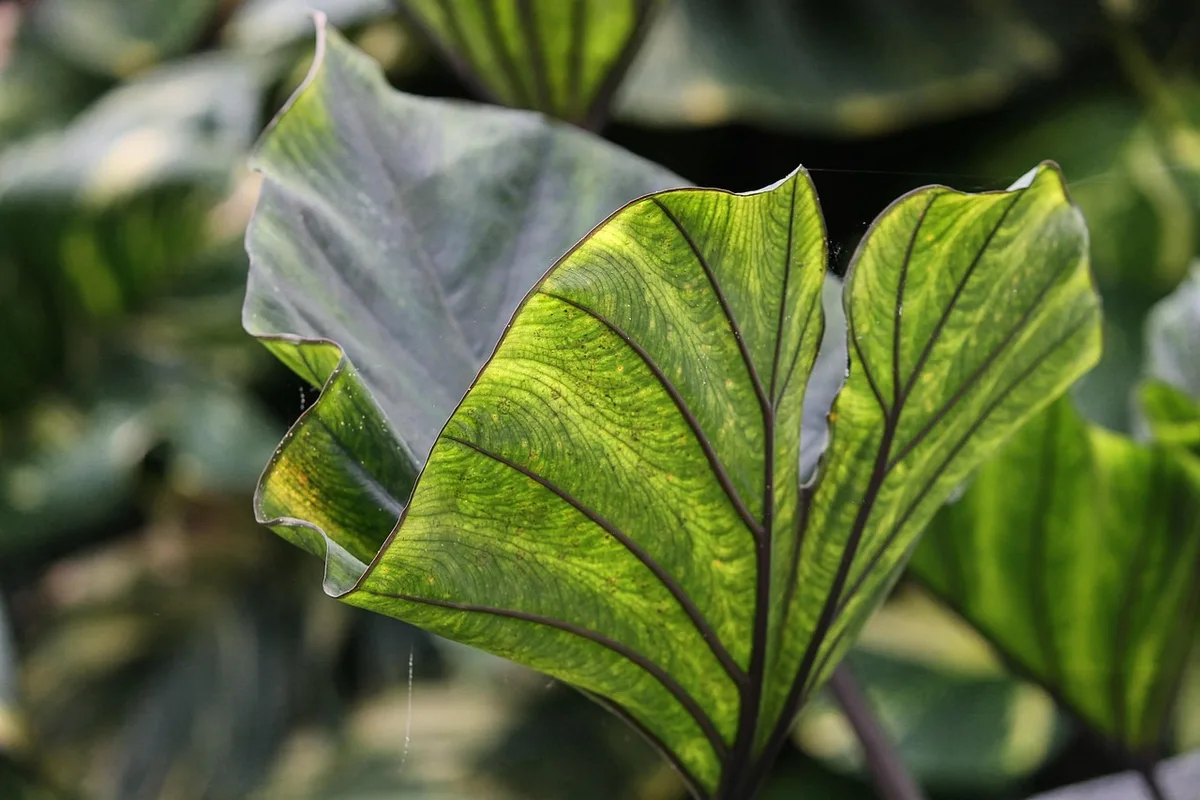
Image source: Pixabay / manfredrichter (Pixabay Content License)
Side-by-Side Comparison: Corm Size vs. Performance vs. Price
Let's put the three grades head to head so you can see exactly what your money buys. The table below summarizes the key tradeoffs most gardeners weigh when choosing a corm size.
| Factor | Small (1-2 in) | Medium (3-5 in) | Large (6+ in) |
|---|---|---|---|
| Average price (2026) | $3 to $8 | $8 to $15 | $15 to $30+ |
| First-year leaf count | 1 to 3 | 3 to 6 | 6+ |
| First-year height | 1 to 2 ft | 3 to 4 ft | 5 to 7+ ft |
| Time to first sprout | 4 to 6 weeks | 2 to 4 weeks | 1 to 3 weeks |
| Offset production (year one) | Rare | Likely | Very likely |
| Best for | Patient growers, containers | Most home gardens | Instant impact, specimens |
The price-to-performance curve flattens at the top. You pay roughly double for a large corm compared to medium, but you don't get double the plant. You get faster establishment and more leaves in year one, which matters if you're in a short-season climate and need maximum growth before fall.
For gardeners in USDA zones 9 to 11 with long growing seasons, a medium corm has plenty of time to reach full size. The large corm premium is harder to justify there. In zones 7 to 8, where the warm season might only last 14 to 16 weeks, a large corm's head start can mean the difference between a full-sized plant and one that's still filling out when temperatures drop.
Common Mistakes People Make When Choosing Elephant Ear Bulbs
The most expensive mistake isn't buying the wrong size. It's buying without knowing what the size labels actually mean. Here's where most people go wrong.
Buying Based on Label Alone Without Checking Actual Size
"Large" is not a standardized term. One seller's large might be another's medium. Always look for a measurement in inches or centimeters.
If the listing only says "large" with no dimensions, move on.
Online shopping makes this worse. Photos can be misleading, and some sellers use images of the mature plant rather than the corm you'll actually receive. Read the description carefully.
Check the reviews for comments about corm size versus expectations.
Assuming All Species Follow the Same Size Rules
Colocasia, Alocasia, and Xanthosoma all get lumped under "elephant ear," but their growth habits differ significantly. Colocasia corms tend to be rounder and produce offsets readily. Alocasia structures are often more vertical and may not bulk up as quickly from a small start.
Xanthosoma sagittifolium can produce enormous corms in the field but is often sold at smaller sizes in retail.
A 3-inch Colocasia corm and a 3-inch Alocasia structure are not equivalent in stored energy or growth potential. Know which genus you're buying before you compare prices across species.
Planting Depth Errors Based on Corm Size
A common rule of thumb is to plant a corm at a depth equal to two to three times its height. That means a 1-inch corm goes in 2 to 3 inches deep, while a 6-inch corm needs 12 to 18 inches of soil above it. Most gardeners plant everything at the same depth, which can bury small corms too deep or leave large corms too shallow.
Shallow-planted large corms may tip over as the plant grows tall. Deep-planted small corms exhaust their reserves before the shoot reaches the surface. Match your planting depth to the actual corm, not to a generic instruction on the tag.
How to Inspect and Select the Right Corm Size for Your Situation
The best corm for your garden depends on your goals, your climate, and how much patience you have. Here's how to match corm size to your specific situation.
For Container Gardening
Containers limit root space, which naturally limits plant size. A large corm in a 14-inch pot will still produce an impressive plant, but it won't reach the 7-foot potential it would in open ground. A medium corm is usually the better value for containers.
Make sure your pot is wide enough to accommodate the corm plus room for offset growth. A 4-inch corm planted in a pot that's only 6 inches across will become root-bound by midsummer. Go at least 2 inches wider than the corm diameter on all sides.
For In-Ground Beds and Landscaping
In-ground planting is where large corms earn their premium. With unlimited root space and access to soil nutrients, a big corm can produce a genuinely massive plant in one season. For focal points, backdrop plantings, or tropical-themed beds, large corms deliver the drama you're after.
Space them according to expected mature size. A large Colocasia corm can produce a plant 4 to 5 feet wide. Crowding them reduces air circulation and increases disease risk.
For Overwintering and Long-Term Growth
If you're in a zone where you dig and store corms over winter, starting with a medium corm is a smart long-term play. The corm will grow larger during the season, and after a few years of digging, dividing, and replanting, you'll have a collection of substantial corms without ever paying large-corm prices.
Store dormant corms in slightly damp peat moss or vermiculite at 45 to 55 degrees Fahrenheit. Check monthly for rot or excessive shriveling. A corm that goes into storage at 3 inches may come out the next spring at 4 inches if it was well-fed during the growing season.
Corm Size Differences Across Colocasia, Alocasia, and Xanthosoma
Not all elephant ears are created equal, and the genus you choose affects what "size" means in practice.
Colocasia esculenta produces the roundest, most uniform corms. They grade cleanly by diameter and are the most widely available in retail. Most of the size grading standards you'll find reference Colocasia because it's the dominant commercial genus.
Alocasia macrorrhizos and related species grow from a more elongated, sometimes irregular structure. Diameter alone doesn't tell the full story. A long, narrow Alocasia rhizome might measure 6 inches in length but only 2 inches across.
Weight and eye count are better indicators of potential than diameter for this genus.
Xanthosoma species produce corms that can become genuinely enormous in tropical conditions, sometimes exceeding 10 pounds. In temperate markets, they're usually sold at much smaller sizes. If you see a large Xanthosoma corm at a reasonable price, it's often a good value because the genus is vigorous and fast-growing once established.
Expert Tips for Getting the Most Out of Any Corm Size
Regardless of which grade you buy, a few practices will maximize your results.
Pre-sprout indoors 4 to 6 weeks before your last frost date. Place corms on a tray of damp potting mix in a warm spot (70 to 80 degrees). Once you see green shoots emerging, transplant outdoors after temperatures consistently stay above 60 degrees at night.
Feed heavily once growth starts. Elephant ears are fast growers with big appetites. A balanced slow-release fertilizer at planting, supplemented with liquid feed every two weeks during peak season, will push a medium corm to near-large-corm performance.
Water consistently. These are tropical plants that thrive in moist soil. A corm that dries out during the growing season will stall and may not reach its full size potential, regardless of how big it was at planting.
Divide offsets in late summer or early fall. Each offset is a potential new plant for next year. Separating them also directs energy back to the main corm, helping it store more reserves for overwintering.
Frequently Asked Questions About Elephant Ear Bulb Size
Does a bigger bulb always mean a bigger plant?
In the first season, yes, a larger corm will generally produce a larger plant. But by year two and three, a small corm that's been properly overwintered and replanted can catch up significantly. The size advantage is mostly a first-year phenomenon.
Can I plant a small corm and get a full-sized elephant ear?
Not in one season. A small corm will produce a modest plant the first year. If you dig it up before frost, store it properly, and replant the following spring, the corm will have grown and the second-year plant will be noticeably larger.
Patience is the tradeoff for the lower price.
How do I know if an online listing is showing the actual corm size?
Look for a photo with a ruler or coin for scale. Read the description for specific measurements in inches or centimeters. Check buyer reviews for comments like "smaller than expected" or "good size for the price." If the listing only shows a photo of a mature plant with no corm reference, be cautious.
Should I buy the largest corm available?
Only if you want instant impact or you're in a short growing season climate. For most gardeners, a medium corm offers the best value. Large corms cost significantly more but don't proportionally increase the plant's mature size beyond what a medium corm can achieve with good care.
Do Colocasia and Alocasia corms size up at the same rate?
No. Colocasia corms tend to bulk up faster and produce more offsets. Alocasia structures grow more slowly and may take an extra season to reach the same mass.
Don't compare prices across genera using diameter alone. Weight and eye count are better cross-genus indicators.
What is the minimum corm size that will produce a decent plant?
A 2 to 3 inch corm is the practical minimum for a visible first-year display. Anything smaller may survive but will produce a plant so small that it's easily overshadowed by neighboring plantings. If you're buying in bulk or on a tight budget, 3-inch corms are the sweet spot between cost and results.