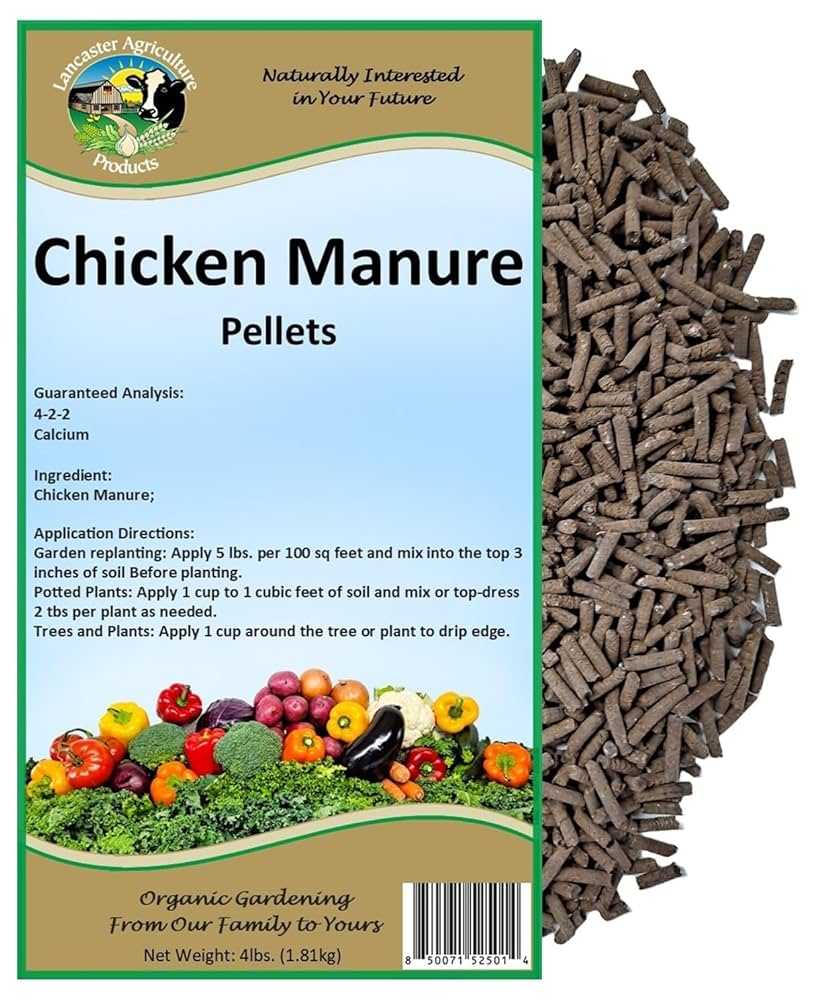
To naturally fertilize your lawn and improve soil health, combine organic materials like compost, grass clippings, and natural manure. These ingredients enrich the soil with vital nutrients, promote healthy grass growth, and reduce chemical dependency. Using natural fertilizers is not only eco-friendly but also enhances the long-term vitality of your lawn, making it more resilient against pests and diseases.
In short, the best way to naturally fertilize your lawn is by regularly applying organic compost and manure, along with aerating the soil to boost nutrient absorption. These simple, eco-conscious methods gradually build richer, healthier soil, resulting in a lush, green lawn without harmful chemicals.
A vibrant, healthy lawn begins beneath the surface, and nourishing the soil naturally is the key to long-lasting beauty. Many homeowners overlook the importance of maintaining healthy soil, often relying on synthetic fertilizers that can harm the environment and soil structure over time. Instead, embracing natural fertilization techniques offers a sustainable approach that benefits your lawn, your garden, and the planet. By understanding how to work with nature—using compost, organic fertilizers, and proper lawn care practices—you can create a thriving outdoor space that requires less maintenance and provides a more beautiful, resilient landscape for years to come.

How to naturally fertilize lawn for soil improvement
Understanding the Importance of Natural Fertilization
Natural fertilization is essential for a healthy, green lawn. It improves the soil structure and promotes strong grass growth without chemicals. Using natural methods also helps protect the environment and reduces your lawn’s exposure to synthetic compounds.
Benefits of Using Natural Fertilizers
- Enhances soil fertility over time
- Encourages beneficial soil microorganisms
- Reduces risk of lawn diseases caused by chemical buildup
- Prevents water pollution from runoff
Natural fertilizers release nutrients slowly, giving your grass consistent nourishment. They also improve soil aeration and water retention.
Selecting the Right Natural Fertilizers
Choosing the appropriate natural fertilizer depends on your soil’s needs. Usually, a mix of organic materials works best. Test your soil to understand its nutrient composition before applying any fertilizers.
Organic Materials Commonly Used
- Compost
- Manure from herbivores (cow, horse, chicken)
- Blood meal
- Fish emulsion
- Seaweed extract
These materials are rich in essential nutrients like nitrogen, phosphorus, and potassium.
How to Apply Natural Fertilizers Effectively
Proper application ensures your lawn gets the maximum benefit from natural fertilizers. Spread evenly and at the right times for best results.
Timing for Fertilizer Application
Apply fertilizers during active growing seasons, typically spring and early fall. Avoid fertilizing during extreme heat or drought, which can stress the grass.
Techniques for Spreading Fertilizers
- Use a broadcast spreader for even coverage
- Apply by hand for small lawns or targeted areas
- Follow recommended rates on product labels
Water the lawn after fertilization to help nutrients penetrate the soil.
Creating a Fertilizer Schedule
Consistency is key to keeping your lawn healthy. Establish a schedule based on your grass type and local climate.
Sample Fertilizer Calendar
- Early spring: Apply compost and nitrogen-rich amendments
- Late spring: Use fish emulsion or seaweed extract
- Early fall: Topdress with compost and manure
Adjust based on lawn condition and soil test results.
Using Compost for Soil Enrichment
Compost is a cornerstone of natural fertilization. It adds organic matter, improves soil texture, and supplies balanced nutrients.
How to Make and Use Compost
Create compost from kitchen scraps, yard waste, and manure. Turn the pile regularly to aerate and speed up decomposition. Spread a thin layer on your lawn as a top dressing.
Benefits of Compost Topdressing
- Feeds beneficial microbes in the soil
- Helps retain moisture
- Suppresses weeds
Incorporating Cover Crops and Mulches
Cover crops like clover or vetch fix nitrogen naturally into the soil. Mulches like straw or wood chips prevent weed growth and conserve moisture.
Planting Cover Crops
Sow cover crops during the off-season or after lawn renovation. Turn them into the soil to release nutrients gradually.
Mulching Tips
Apply mulch evenly around the lawn edges and over bare spots. Avoid piling it against grass stems to prevent suffocation.
Additional Tips for Natural Soil Improvement
– Aerate your lawn annually to reduce compaction and improve nutrient uptake.
– Use rainwater for watering instead of tap water containing chemicals.
– Maintain proper pH levels, ideally between 6.0 and 7.0, for optimal nutrient availability.
Soil Testing and Monitoring
Regular soil tests are crucial to track nutrient levels and pH. Adjust your fertilization plan accordingly to avoid deficiencies or overfeeding.
Fertilizing your lawn naturally and consistently helps build healthy, rich soil that supports vigorous grass growth. Combining compost, organic amendments, cover crops, and proper application techniques creates an eco-friendly way to maintain a lush green lawn. Implementing these methods promotes sustainable lawn care and enhances soil health for years to come.
Frequently Asked Questions
What natural amendments can I use to improve my lawn’s soil health?
Incorporate organic materials such as compost, aged manure, or leaf mold into your soil. These amendments add essential nutrients, enhance soil structure, and promote beneficial microbial activity. Regularly mixing these natural amendments helps create a healthier environment for grass roots to grow and thrive.
How does over-watering affect natural soil fertilization for my lawn?
Over-watering can wash away valuable nutrients and dilute natural fertilizers present in the soil. It can also lead to waterlogged conditions that hinder microbial activity and root growth. To aid soil improvement, water your lawn appropriately, allowing the soil to absorb moisture without becoming saturated, and ensure proper drainage to support natural fertilization processes.
What are some effective natural plant-based fertilizers I can apply?
You can use plant-based fertilizers like seaweed extract, fish emulsion, or compost tea. These solutions supply vital nutrients and stimulate microbial activity in the soil. Applying them during the growing season helps nourish your lawn naturally while maintaining soil health over time.
How often should I feed my lawn with natural fertilizers to see soil improvement?
Apply natural fertilizers every four to six weeks during the active growing season. Consistent, moderate feeding encourages steady nutrient release without overwhelming the soil or plants. Adjust the frequency based on your lawn’s specific needs and soil conditions for optimal results.
Are there any practices I should avoid to maintain the natural fertility of my soil?
Avoid using synthetic chemicals or excessive fertilizers that can disrupt the natural balance of your soil. Overuse of chemical inputs can harm beneficial microbes and degrade soil quality over time. Focus on organic practices like mulching, composting, and natural amendments to support sustainable soil fertility.
Final Thoughts
To naturally fertilize lawn for soil improvement, use compost and organic matter like grass clippings and leaves. These enrich the soil with essential nutrients and improve its structure. Applying organic fertilizers such as fish emulsion or seaweed extract also boosts soil health organically.
Regular mulching and aeration help distribute nutrients evenly and promote healthy root growth. Keep the soil moist and avoid chemical fertilizers to maintain a natural balance.
In conclusion, natural fertilization methods enhance soil quality and promote a thriving lawn. How to naturally fertilize lawn for soil improvement remains effective when focusing on organic inputs and sustainable practices.