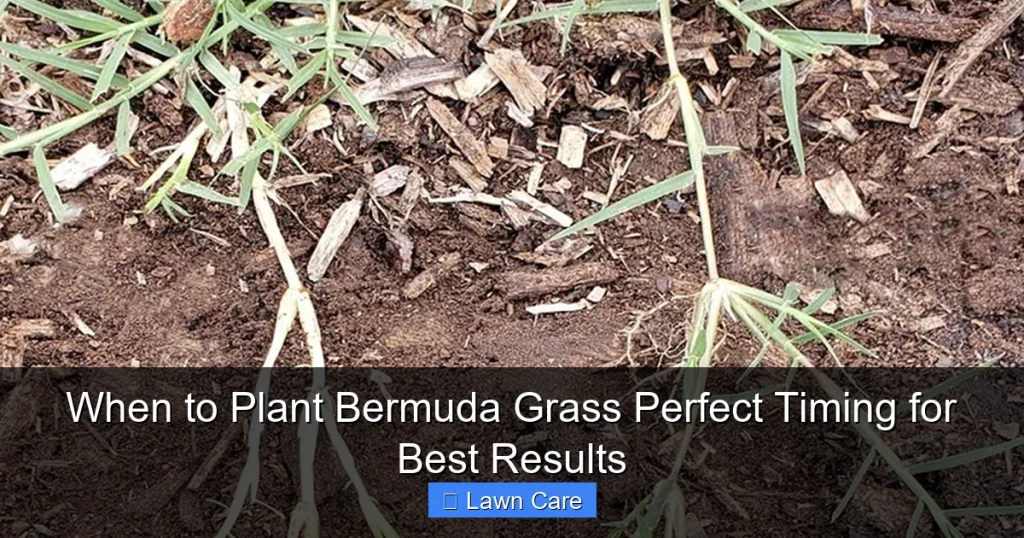
Timing is everything when planting Bermuda grass. The ideal period is when soil temperatures consistently reach 65°F and air temperatures are warm. This typically falls in late spring to early summer in most regions. Waiting for these conditions allows Bermuda grass to establish quickly, promoting a dense, vibrant lawn and reducing weed competition.
When to Plant Bermuda Grass: Perfect Timing for Best Results
So, you’ve decided on Bermuda grass for your lawn. Fantastic choice! Bermuda grass is a warm-season favorite known for its dense growth, drought tolerance, and vibrant green color. It’s a real workhorse that can handle heavy traffic and scorching summer sun. But like any plant, Bermuda grass has its preferred conditions for getting started. Planting it at the wrong time can lead to disappointing results, weak growth, and a lawn that struggles to compete with weeds.
Getting the timing right is perhaps the single most important factor for success when planting Bermuda grass, whether you’re using seed or sod. It’s not just about avoiding the cold; it’s about giving your new grass the best possible environment to germinate, establish a strong root system, and thrive. This article will guide you through the perfect timing for planting Bermuda grass, ensuring you get those lush, green results you’re dreaming of.
## Understanding Bermuda Grass’s Warm-Season Nature
Bermuda grass is a warm-season turfgrass. This means it thrives in heat and actively grows when temperatures are warm. Conversely, it goes dormant and turns brown during cooler periods, especially when frost is present. This fundamental characteristic dictates when you should plant it for optimal success. Planting during its active growing season gives it the best chance to establish a robust foundation before the weather turns unfavorable.
### The Importance of Soil and Air Temperature
The most critical factor for successful Bermuda grass establishment is temperature. It needs warmth to germinate and grow.
* Soil Temperature: Seeds require a consistent soil temperature of at least 65°F (18°C) to germinate. Ideally, you want this temperature to be sustained, not just a brief spike. Cooler soil temperatures will significantly slow down or prevent germination altogether, leaving your seed vulnerable. For sod, while it doesn’t need to germinate, warm soil encourages root establishment.
* Air Temperature: Once germinated, Bermuda grass thrives in air temperatures between 80°F and 95°F (27°C to 35°C). Consistent warm days and mild nights are ideal for rapid growth. If temperatures are too low, the grass will grow slowly, making it susceptible to stress and competition.
## The Prime Planting Window: Late Spring to Early Summer
For most regions where Bermuda grass is grown, the sweet spot for planting is from late spring through early summer. This period typically offers the ideal combination of warm soil and air temperatures necessary for establishment.
### Why Late Spring is Ideal
As spring progresses, the soil gradually warms up. By late spring, the risk of frost has usually passed, and the soil has retained enough warmth from the sun. This provides a stable, inviting environment for Bermuda grass seeds to sprout and for sod to begin rooting. Planting in late spring also grants your new lawn a long growing season ahead, allowing it to mature and become well-established before the cooler months of autumn arrive. If you’re in a region like Mississippi, knowing the specific nuances of when to plant Bermuda grass in Mississippi is key to leveraging this window effectively.
### Early Summer’s Advantages
Early summer continues this prime planting window. The consistent warmth of summer fuels rapid growth, helping your Bermuda grass fill in quickly. This is especially beneficial if you’re planting from seed, as faster germination and growth mean less time spent battling weeds. However, it’s important to ensure adequate watering during the hotter periods of early summer, as young grass can dry out quickly.
### What About Early Spring?
While tempting to get a head start, planting Bermuda grass too early in the spring is a common mistake. If you plant when the soil is still cool, germination rates will be low, and any seedlings that do emerge will grow very slowly. This weak growth makes them easy targets for common lawn weeds. Waiting until the soil has consistently reached that 65°F mark is crucial. For those in specific Southern states, understanding guidelines for when to plant Bermuda grass in Georgia, for example, can provide more localized precision.
## Regional Considerations for Planting Bermuda Grass
The “perfect timing” for planting Bermuda grass isn’t a single date; it’s a range that shifts based on your geographic location and local climate. Warm-season grasses like Bermuda are most successful in the southern half of the United States and in similar climates worldwide.
### Southernmost Regions (Florida, Texas, Arizona)
In the warmest parts of the country, the planting window for Bermuda grass can extend earlier and later.
* Florida: You might be able to start planting as early as mid-spring, around April, and continue through summer. Some areas of Florida may even see success with late summer plantings, but this requires careful watering and monitoring. For specific advice, understanding when to plant Bermuda grass in Florida is essential.
* Texas: Similar to Florida, planting can begin in mid-spring (April or May) and extend through early summer. Texas’s diverse climate means there are regional variations; knowing when to plant Bermuda grass in Texas can make a difference.
* Arizona: In arid climates like Arizona, the heat is a primary concern. Planting typically starts in late spring (May) and continues into early summer. Phoenix residents, for instance, will have specific considerations for when to plant Bermuda grass in Phoenix due to its intense heat.
### Transition Zones (North Carolina, Georgia, Tennessee, Alabama, Mississippi)
These regions are on the cusp of warm-season and cool-season climates. Timing here is more critical.
* North Carolina: Planting generally begins in late spring (May) and continues through June. Avoiding the last frost is paramount. For specific guidance, check resources on when to plant Bermuda grass in North Carolina or when to plant Bermuda grass seed in NC.
* Georgia: Similar to North Carolina, late spring (May) is the primary planting time. Early summer is also viable. Knowing when to plant Bermuda grass seed in Georgia can help maximize your success.
* Tennessee and Alabama: These states follow a similar late spring to early summer window. For those in Alabama, understanding when to plant Bermuda grass in Alabama is key. For Tennessee, late May through June is often the sweet spot.
* Mississippi: Similar to its neighbors, Mississippi benefits from a late spring to early summer planting schedule. If you’re in Mississippi, knowing exactly when to plant Bermuda grass in Mississippi is beneficial.
### Cooler Climates Where Bermuda Grass is Grown
While Bermuda grass is not ideal for true cool-season climates, it can sometimes be grown in the northernmost fringes of its range. In these areas, the planting window is very tight, typically confined to late May and June, after all danger of frost has completely passed and the soil has had a chance to warm up. Any planting attempt before this risks cold damage and poor establishment. Even in regions like Oklahoma, understanding when to plant Bermuda grass seed in Oklahoma is crucial for getting it established before the first fall chill.
## Seed vs. Sod: Timing Nuances
While the overarching principles of timing apply to both Bermuda grass seed and sod, there are slight differences in how sensitive they are to the planting window.
### Planting Bermuda Grass Seed
Bermuda grass seed requires a specific temperature range to germinate successfully.
* Germination Window: As mentioned, soil temperatures need to be consistently at 65°F or higher. This usually means waiting until the last frost has passed and the soil has warmed up sufficiently.
* Vulnerability: Seedlings are delicate. Planting during a period of consistent warmth and adequate moisture (which you’ll need to provide through diligent watering) allows them to establish roots quickly and become more resilient. A delay in germination due to cool soil means a longer period of vulnerability to weeds and environmental stress. For precise advice on seed, see resources like “What is the best month to plant Bermuda grass seed?”.
### Planting Bermuda Grass Sod
Sod, which is mature grass held together by its root system and a thin layer of soil, is a bit more forgiving.
* Root Establishment: While sod doesn’t need to germinate, it still needs warm soil temperatures to encourage its roots to grow into the underlying soil. This is essential for the sod to become established and thrive.
* Less Vulnerable to Initial Cold: Because it’s already established grass, a slight dip in temperature is less likely to be catastrophic than it would be for tiny seedlings. However, extreme cold or frost can still damage and kill sod.
* Consistent Warmth is Still Key: The goal with sod is rapid rooting and establishment, which is best achieved during the warm growing season. Planting when temperatures are consistently in the ideal range will lead to faster integration with your soil.
## Preparing Your Soil for Planting
Regardless of when you plant, proper soil preparation is non-negotiable for success. This groundwork ensures that your Bermuda grass has the best possible start.
### Testing Your Soil
Before you plant, it’s a good idea to get a soil test. This will tell you about your soil’s pH level and nutrient content. Bermuda grass prefers a slightly acidic to neutral pH, typically between 6.0 and 7.0.
### Amending the Soil
Based on your soil test, you might need to amend your soil.
* Adjusting pH: If your soil is too acidic, you can add lime. If it’s too alkaline, you might add sulfur.
* Adding Nutrients: Fertilizers can help provide the necessary nutrients for healthy growth. A balanced starter fertilizer is often recommended at planting time.
### Improving Drainage and Aeration
Bermuda grass doesn’t like to sit in waterlogged soil.
* Drainage: If you have heavy clay soil, incorporate organic matter like compost to improve drainage and aeration. This helps prevent root rot and encourages stronger root development.
* Leveling: Ensure the area is properly graded to allow for good drainage away from structures and foundations.
### Weed Control
It’s best to plant into soil that is as free of weeds as possible.
* Pre-Planting Measures: If you have a severe weed problem, you might consider applying a non-selective herbicide several weeks before planting. Be sure to follow label instructions carefully.
* Timing of Pre-Emergents: If you’re planting seed, you’ll need to be cautious about pre-emergent herbicides. Some can prevent grass seed from germinating. If you plan to use pre-emergents, understand when to apply pre emergent for Bermuda grass 2 to avoid harming your new lawn.
## Post-Planting Care for Establishment
Once your Bermuda grass is in the ground, the work isn’t over. Consistent care is vital, especially during the establishment phase.
### Watering is Crucial
This is perhaps the most important aspect of post-planting care.
* For Seed: Keep the seedbed consistently moist, but not waterlogged. This might mean light watering multiple times a day, especially during hot, dry weather. As seedlings grow, gradually reduce watering frequency but increase the duration to encourage deeper root growth.
* For Sod: Water deeply and frequently immediately after installation to ensure the sod makes good contact with the soil underneath. Continue to water deeply for the first few weeks until the sod is well-rooted. Knowing when is the best time to water Bermuda grass is also important for overall lawn health, but immediate post-planting watering is about survival and establishment.
### Mowing and Fertilizing
* First Mowing: For seed, wait until the grass reaches about one-third to one-half of its mature height before the first mowing. For sod, you can often mow a bit sooner, but ensure the sod is firmly rooted. Always use a sharp mower blade and set it to a higher setting for the first few mows.
* Fertilizing: Use a starter fertilizer at planting time. Once the grass is established (typically after a few weeks), you can transition to a regular fertilization schedule. For other grasses like Zoysia, you’ll have different fertilization needs, but Bermuda grass benefits from regular feeding during its active growing season. Refer to resources on when and how to fertilize Zoysia grass for best results to understand the differences.
### Ongoing Weed and Pest Management
A healthy, well-established lawn is the best defense against weeds and pests. However, monitor your new lawn closely. Early detection and treatment are key.
## Conclusion: The Reward of Patience and Perfect Timing
Planting Bermuda grass is an investment in a beautiful, resilient lawn. By understanding its warm-season needs and paying close attention to the timing of your planting, you dramatically increase your chances of success. The perfect timing is when both soil and air temperatures are consistently warm, the danger of frost has passed, and your region offers a long, sunny growing season ahead.
Whether you choose seed or sod, preparing your soil diligently and providing consistent post-planting care are equally vital. Patience during the establishment phase will be rewarded with a dense, vibrant Bermuda grass lawn that you can enjoy for years to come. So, do your research, watch the weather, and plant with confidence when the time is just right.
- Optimal Soil Temperature: Plant Bermuda grass when soil temperatures are consistently 65°F (18°C) or higher.
- Ideal Air Temperature: Aim for air temperatures between 80°F and 95°F (27°C to 35°C) for best growth.
- Late Spring to Early Summer: This is generally the prime window for planting, as it allows for a long growing season.
- Avoid Frost: Ensure all danger of frost has passed before planting to prevent damage to young grass.
- Consider Your Region: Planting times vary significantly based on your specific climate zone.
- Establishment Period: Proper timing provides sufficient time for the grass to establish before cooler weather arrives.
- Seed vs. Sod: While timing is crucial for both, seed has a slightly more sensitive establishment phase.
Quick Answers to Common Questions
When is the earliest I can plant Bermuda grass seed?
You can plant Bermuda grass seed when the soil temperature has consistently reached 65°F (18°C) and the danger of frost has passed. Planting too early risks poor germination and seedling damage.
Can I plant Bermuda grass sod in the fall?
Planting Bermuda grass sod in the fall is generally not recommended. While it might root, it won’t have enough time to establish before winter dormancy, potentially leading to its demise.
What happens if I plant Bermuda grass when it’s too cold?
If planted in cold soil, Bermuda grass seed will likely not germinate or will germinate very slowly, making it vulnerable to disease and weeds. Young seedlings can also be killed by frost.
How warm do the air temperatures need to be for Bermuda grass?
Bermuda grass thrives in air temperatures between 80°F and 95°F (27°C to 35°C) for optimal growth after it has germinated.
Does planting time differ significantly across the southern United States?
Yes, while generally late spring to early summer, the specific window can vary. Warmer coastal areas might allow for slightly earlier planting than inland or higher-elevation regions within the southern United States.
Frequently Asked Questions
What is the ideal soil temperature for planting Bermuda grass?
The ideal soil temperature for planting Bermuda grass seed is consistently 65°F (18°C) or higher. This temperature range is crucial for successful germination and early root development.
Can I plant Bermuda grass seed in early spring?
It’s generally best to avoid planting Bermuda grass seed in early spring. The soil may still be too cold, leading to poor germination and vulnerable seedlings susceptible to frost and weeds. Wait until late spring when the soil has warmed up.
How long does it take for Bermuda grass seed to germinate?
Under ideal conditions with consistent warmth and moisture, Bermuda grass seed can germinate in 7 to 21 days. However, cooler soil temperatures can significantly delay this process.
Is it better to plant Bermuda grass seed or sod?
Both have pros and cons. Seed is more economical but takes longer to establish and is more vulnerable. Sod provides an instant lawn but is more expensive. The ideal planting time is crucial for both, but seed establishment is more temperature-sensitive.
What should I do if I experience a late frost after planting Bermuda grass seed?
If a light frost is expected after planting seed, covering the area with a light layer of straw or a frost blanket can offer protection. However, severe frost can damage or kill young seedlings.
How important is watering after planting Bermuda grass?
Watering is extremely important, especially for newly planted seed. The seedbed must be kept consistently moist, but not saturated, to encourage germination and establishment. Sod also requires consistent watering to root properly.