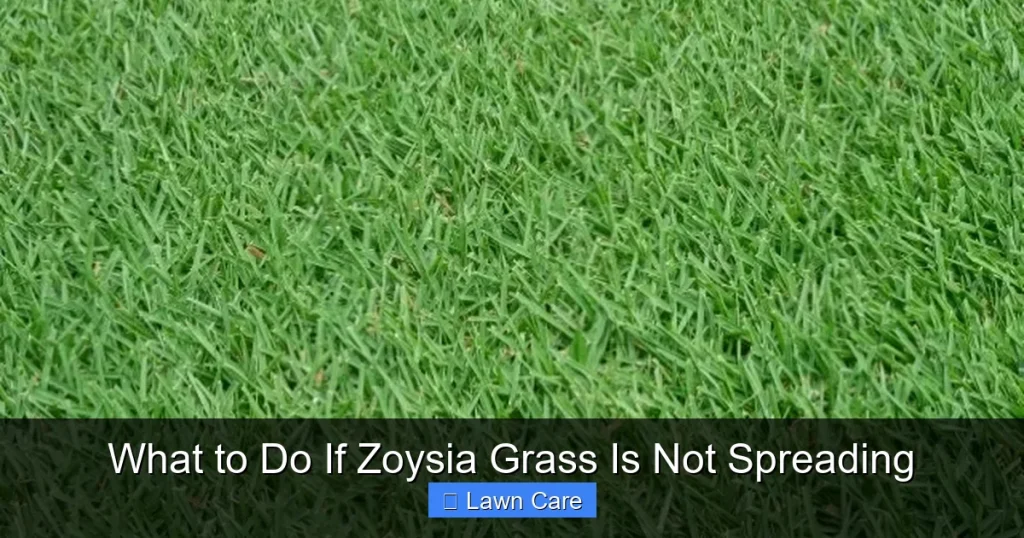
If your Zoysia grass isn’t spreading as expected, several factors could be at play, from improper watering and fertilization to soil issues or even competition from weeds. This guide will walk you through diagnosing the problem and implementing solutions to encourage healthy Zoysia growth and spread.
So, you’ve planted Zoysia grass, dreaming of that lush, carpet-like lawn, but it’s just… not spreading. It feels like you’re staring at a patchy puzzle instead of a green oasis. We’ve all been there, right? You put in the effort, you get the sod or the plugs, and you wait. And wait. And then the creeping doubt sets in: “Why isn’t my Zoysia grass spreading?”
It’s a common frustration, but don’t despair! Zoysia grass is known for its dense, beautiful growth once established, but sometimes it needs a little nudge. There are usually clear reasons why Zoysia grass might be lagging behind your expectations. Let’s dive into the most common culprits and, more importantly, what you can do about them. Think of this as your friendly guide to getting that stubborn Zoysia to spread and fill in beautifully.
## Understanding Zoysia’s Growth Habits
Before we troubleshoot, it’s helpful to understand how Zoysia grass actually grows. Zoysia is a warm-season grass, meaning it loves the heat and grows most vigorously during the warmer months. It spreads through two methods: rhizomes (underground stems) and stolons (above-ground stems). These are the key to its dense, sod-forming ability.
However, Zoysia is famously slow to establish compared to some other grass types. This means it requires patience and the right conditions to really get going. If you’ve just planted it, it might be normal for it to take a season or two to fill in completely. But if it’s been a while and you’re seeing little to no progress, it’s time to investigate.
## Factors Hindering Zoysia’s Spread
Several environmental and care-related factors can significantly impact Zoysia’s ability to spread. Let’s break them down:
### Inconsistent or Improper Watering
Water is life for any plant, and Zoysia is no exception. However, how you water matters greatly for its spreading capabilities.
* **Underwatering:** If your Zoysia isn’t getting enough water, especially during its establishment phase, the rhizomes and stolons won’t have the moisture they need to grow and spread. They’ll simply dry out and die. This is particularly true in hot, dry climates.
* **Overwatering:** On the flip side, constantly waterlogged soil can suffocate the roots and promote fungal diseases, which can also hinder growth. Poor drainage can be a major problem for Zoysia.
* **Infrequent Deep Watering:** Zoysia, like most established lawns, prefers deep, infrequent watering over light, daily sprinklings. Deep watering encourages the roots to grow deeper, making the grass more drought-tolerant and promoting stronger rhizome and stolon development. Light watering only wets the surface, leading to shallow roots and limited spread.
Tip: Aim for about 1 to 1.5 inches of water per week, applied in one or two deep watering sessions. Water in the early morning to allow the grass to dry before nightfall, reducing the risk of disease. You can check soil moisture by inserting a screwdriver into the ground; if it goes in easily to about 6 inches, the soil is likely moist enough. For more on checking soil moisture, see our guide on how to tell if soil is moist enough for grass.
### Poor Soil Conditions
Zoysia grass is adaptable, but it performs best in certain soil conditions. If your soil is compacted, nutrient-deficient, or has the wrong pH, it can severely limit its spread.
* **Soil Compaction:** Compacted soil restricts the growth of roots, rhizomes, and stolons. It also hinders water and air penetration. If you can’t easily push a screwdriver into your lawn, your soil is likely compacted.
* **Nutrient Deficiency:** Zoysia needs nutrients to grow and spread. If your soil lacks essential elements like nitrogen, phosphorus, and potassium, the grass will be weak and won’t have the energy to produce new growth.
* **Incorrect Soil pH:** Zoysia prefers a soil pH between 6.0 and 7.0. If your soil is too acidic or too alkaline, it can lock up nutrients, making them unavailable to the grass, even if they are present in the soil. For example, if your soil is too acidic, you might need to amend it. You can learn more about what to do if your lawn soil is too acidic. The ideal soil type for Zoysia is often a well-draining sandy loam, but it can adapt if given the right care. Check out our article on what type of soil is best for growing Zoysia grass for more details.
Tip: Get a soil test done! This is the most reliable way to understand your soil’s pH and nutrient levels. You can get kits from garden centers or send samples to your local extension office. Based on the results, you can amend the soil with lime to raise pH (if too acidic) or sulfur to lower pH (if too alkaline), and add appropriate fertilizers. Aerating your lawn can also help alleviate soil compaction.
### Insufficient Sunlight
Zoysia is a sun-loving grass. It needs a good amount of direct sunlight to thrive and spread.
* **Shade:** If your lawn is heavily shaded by trees, buildings, or other structures, your Zoysia may struggle. While some Zoysia varieties have slightly better shade tolerance than others (like El Toro), most still need at least 6 to 8 hours of direct sunlight per day.
* **Partial Shade:** Even in areas that get partial shade, the reduced sunlight can slow down the spreading process.
Tip: Observe your lawn throughout the day to see how much direct sunlight different areas receive. If you have particularly shady spots where Zoysia isn’t spreading, consider trimming back overhanging branches or, in extreme cases, planting shade-tolerant ground cover or a different type of grass in those areas.
## Addressing Competition from Weeds and Other Grasses
Weeds and other types of grass can be fierce competitors for sunlight, water, and nutrients, preventing your Zoysia from spreading.
### Weed Infestation
Common lawn weeds can quickly take over bare patches or areas where your Zoysia is struggling. If weeds are allowed to establish, they can completely crowd out the Zoysia. This is especially true for aggressive weeds.
* Crabgrass: This annual grassy weed is a common problem in many lawns, especially during the summer. If your Zoysia is struggling, crabgrass might be moving in. We have resources on what to do if your lawn is full of crabgrass and what to do if you have crabgrass.
* Other Broadleaf Weeds: Dandelions, clover, and other broadleaf weeds can also compete with young Zoysia.
### Other Grass Species
If your lawn was established with a mix of grasses, or if other grass types have encroached over time, they might be outcompeting your Zoysia. For instance, if you have St. Augustine grass, it might be growing faster than your Zoysia. You can learn about the difference between St. Augustine and Zoysia grass.
Tip: Regular weeding is crucial. For stubborn weeds, consider spot-treating with a herbicide. It’s best to use a selective herbicide that targets weeds without harming your Zoysia. Always follow label instructions carefully. Pre-emergent herbicides applied in the spring can help prevent annual weeds like crabgrass from germinating. Maintaining a thick, healthy lawn is your best defense against weeds.
## Fertilization and Nutrient Needs
Proper fertilization provides Zoysia with the essential nutrients it needs for healthy growth and, crucially, for spreading via its rhizomes and stolons.
* **Timing is Key:** Zoysia is a warm-season grass, so its active growth and spreading period is during the warmer months. Fertilize when it’s actively growing – typically from late spring through summer. Fertilizing too early in the spring, before it fully greens up, or too late in the fall, won’t help its spread.
* **Nutrient Balance:** Zoysia generally needs a balanced fertilizer. Nitrogen is important for green leafy growth, but phosphorus is vital for root and rhizome development, and potassium helps with overall plant health and stress tolerance. Look for fertilizers with balanced N-P-K ratios. For Bermuda grass, which shares some similarities with Zoysia, a good fertilizer is important; see what is the best fertilizer for Bermuda grass.
* **Amount of Fertilizer:** Over-fertilizing can burn the grass or promote excessive top growth at the expense of root and rhizome development. Under-fertilizing means the grass doesn’t have enough fuel to spread. Follow the recommended application rates on the fertilizer packaging.
* **Fertilizing Wet Grass:** It’s also important to know when not to fertilize. Applying fertilizer to wet grass can cause it to stick to the blades and potentially burn them. For more on this, check out what happens if you apply fertilizer to wet grass.
Tip: A slow-release fertilizer applied at the right time is often best for Zoysia. Aim for two to three applications during the growing season. A soil test will also inform your fertilization plan by highlighting any specific nutrient deficiencies.
## The Role of Mowing and Aeration
How you maintain your lawn also impacts its ability to spread.
### Mowing Practices
While Zoysia is relatively low-maintenance, mowing incorrectly can hinder its growth.
* **Mowing Height:** Zoysia generally prefers a lower mowing height than some other grasses, typically between 1/2 inch and 1.5 inches. Mowing too high can lead to a weaker, less dense turf that is more susceptible to disease and weeds. Mowing too low, especially during extreme heat, can stress the grass. For guidance on ideal mowing height, see what is the best grass height for mowing.
* Frequency: Zoysia benefits from regular mowing during its active growing season to encourage dense growth. However, it’s important to mow when the grass is dry. Learn how to know if your grass is dry enough to cut.
* Sharp Blades: Dull mower blades tear the grass, leading to browning and stress, which can slow down its spread. Ensure your mower blades are sharp. If your grass turns brown after mowing, it could be due to dull blades; check out what to do if grass turns brown after mowing.
### Aeration
Core aeration involves removing small plugs of soil from the lawn. This is particularly beneficial for Zoysia.
* Benefits of Aeration: Aeration helps alleviate soil compaction, improves air circulation to the roots, enhances water penetration, and allows nutrients to reach deeper into the soil. All of these factors encourage stronger rhizome and stolon development, which is crucial for Zoysia to spread. It also helps reduce thatch buildup.
* When to Aerate: The best time to aerate Zoysia is when it is actively growing, typically in late spring or early summer.
Tip: Incorporate aeration into your lawn care routine every 1-2 years, especially if you have heavy clay soil or notice signs of compaction. After aerating, you can overseed with Zoysia seed or spread spriggrown material to help fill in thin areas, or simply rely on the existing rhizomes and stolons to spread into the newly aerated soil.
## Patience is a Virtue (Especially with Zoysia)
Lastly, and perhaps most importantly, Zoysia grass requires patience. If you’ve recently planted Zoysia plugs or sod, it can take a full growing season, or even two, for it to fully establish and spread to fill in all the gaps. Don’t get discouraged by slow initial progress.
* Plugs vs. Sod: Zoysia plugs, being small individual pieces, will take longer to spread than sod, which is a more mature piece of turf.
* Environmental Factors: Weather patterns, like an unusually cool or dry summer, can also slow down Zoysia’s natural spreading rate.
Tip: Continue with consistent, proper care – watering, mowing, and appropriate fertilization – and trust the process. Monitor your lawn for signs of improvement and address any issues that arise promptly. If you’ve exhausted all other troubleshooting steps and Zoysia still isn’t spreading, you might consider manually encouraging its spread. This can involve digging up small pieces of healthy Zoysia and transplanting them into bare areas, or even overseeding with Zoysia seed if appropriate for your specific variety.
### Quick Q&A
Why is my Zoysia grass not spreading in the shade?
Zoysia grass, while adaptable, generally needs at least 6-8 hours of direct sunlight daily. In shaded areas, it receives less light, which limits its energy production and slows down its ability to spread via rhizomes and stolons.
How often should I water Zoysia grass if it’s not spreading?
Water deeply and infrequently, aiming for 1 to 1.5 inches of water per week during the growing season, especially when it’s trying to establish. This encourages deep root growth and helps the spreading mechanisms.
Can weeds prevent Zoysia grass from spreading?
Yes, weeds compete aggressively for resources like sunlight, water, and nutrients, which can stunt Zoysia’s growth and prevent it from spreading into bare or thin patches.
What’s the most important nutrient for Zoysia grass to spread?
While a balanced fertilizer is important, phosphorus plays a key role in root and rhizome development, which are essential for Zoysia’s spreading ability.
Is it normal for Zoysia grass to be slow to spread?
Yes, Zoysia grass is known for being slow to establish and spread, often taking one to two full growing seasons to fill in completely, especially when planted from plugs.
### FAQS
My Zoysia grass is patchy. What should I do?
Patchiness in Zoysia grass can be due to several factors, including insufficient water, poor soil conditions, lack of sunlight, or weed competition. Addressing these underlying issues and ensuring consistent care will help the grass spread and fill in.
How can I encourage Zoysia grass to spread faster?
To encourage faster spreading, ensure your Zoysia receives adequate sunlight, consistent deep watering, proper fertilization during its active growing season, and practice regular weed control. Aerating your lawn can also improve soil conditions for better growth.
What is the ideal soil pH for Zoysia grass spread?
Zoysia grass thrives in a slightly acidic to neutral soil pH, ideally between 6.0 and 7.0. If your soil pH is outside this range, it can hinder nutrient uptake and slow down the grass’s ability to spread.
How does soil compaction affect Zoysia grass spread?
Soil compaction makes it difficult for Zoysia’s rhizomes and stolons to grow and spread through the soil. It also restricts air and water movement to the roots, stressing the grass and slowing its establishment.
When is the best time to fertilize Zoysia grass for spreading?
The best time to fertilize Zoysia grass to encourage spreading is during its active growing season, which is generally from late spring through summer. This is when the grass has the energy to produce new rhizomes and stolons.
Should I overseed my Zoysia lawn if it’s not spreading?
Overseeding with Zoysia seed might be an option for some varieties, but it’s often more effective to encourage the existing rhizomes and stolons to spread. If you have bare patches, you can try filling them with sod pieces or plugs from healthier areas of your lawn.
Conclusion
It can be disheartening when your Zoysia grass isn’t spreading as quickly as you’d hoped. However, by systematically diagnosing the potential issues – from watering and sunlight to soil health and competition – you can implement targeted solutions. Remember that Zoysia is a resilient grass, but it does require the right conditions and a bit of patience. With consistent care and attention to these factors, you’ll soon see your Zoysia grass filling in, creating that beautiful, dense lawn you’ve always wanted. Don’t give up on your green dream!
Key Takeaways
- Identify the type of Zoysia: Different Zoysia varieties spread at varying rates, and understanding yours is crucial.
- Assess watering habits: Consistent, deep watering during establishment is key for Zoysia’s rhizomes and stolons to spread.
- Check soil health: Zoysia thrives in well-drained soil with a pH between 6.0 and 7.0; poor soil can stunt growth.
- Evaluate sunlight exposure: Most Zoysia varieties need at least 6-8 hours of direct sunlight daily to spread effectively.
- Manage competition: Weeds and other grasses can choke out Zoysia; proper weed control is essential.
- Consider fertilization: Apply the right fertilizer at the right time to provide necessary nutrients for growth and spread.
- Be patient: Zoysia is a slow grower, especially when establishing from plugs or sod; it can take a few seasons to fill in completely.
Quick Answers to Common Questions
What is What to do if Zoysia grass is not spreading?
What to do if Zoysia grass is not spreading refers to essential knowledge and techniques.
Frequently Asked Questions
What is What to do if Zoysia grass is not spreading?
What to do if Zoysia grass is not spreading is an important topic with many practical applications.